
Trees
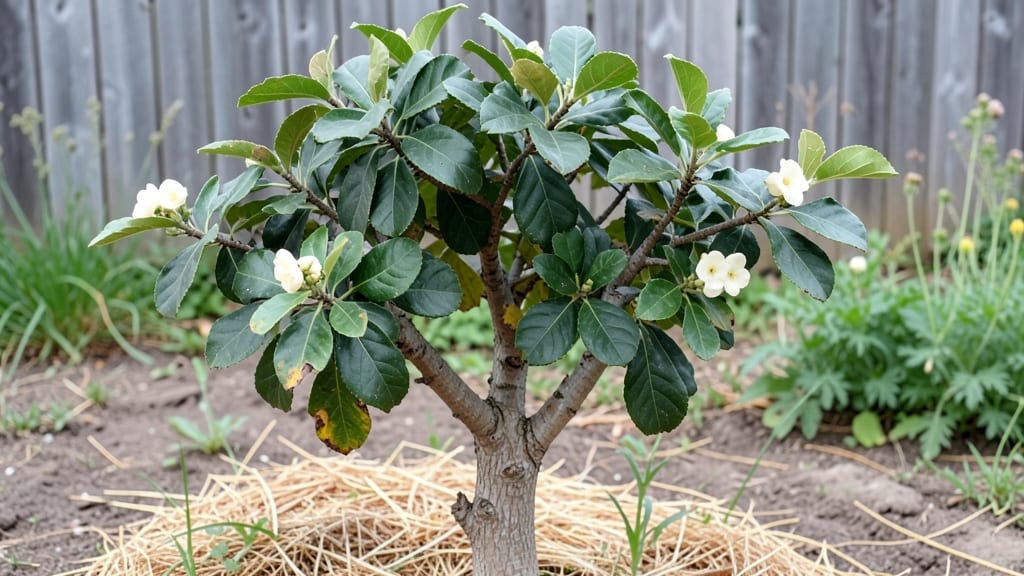
Loquat tree leaves aren't just pretty—they're a flavor powerhouse in Asian cooking, packed with a citrusy kick that brightens soups, teas, and stir-fries. 🌿 I've been harvesting mine for years, and the secret to keeping them healthy (and productive) is all about timing, pests, and a few simple care tricks that prevent those dreaded yellow spots or curling edges.
Most leaf problems start with environmental stress—too much humidity, poor drainage, or pests like spider mites hiding on the undersides. I've battled fungal spots in my humid climate by spacing plants for airflow and using neem oil at the first sign of trouble.
The key is catching issues early, before leaves start dropping like it's autumn.
What you'll love most is how versatile these leaves are—fresh or dried, they add depth to dishes without overpowering. A handful of leaves steeped in hot water makes a refreshing herbal tea, while chopped leaves tossed into pho or dumplings bring that signature tang.
With the right care, you'll harvest leaves year-round, even in cooler months.
Whether you're growing in containers or full sun, the same principles apply: consistent watering, occasional pruning to improve airflow, and regular checks for pests. Think of it as a low-maintenance way to grow your own pantry staples—no green thumb required, just attention to detail.
📚 In This Guide
- What you need
- Instructions
- Tips and common mistakes
- Wrapping up and next steps
What you need
- ● Fresh or dried loquat leaves: Harvest 1–2 cups (fresh) or ½ cup (dried) per recipe. Ensure leaves are pest-free and free of yellowing or damage.
- ● Pruning shears or sharp knife: For harvesting leaves (sterilize blades with rubbing alcohol).
- ● Paper bags or breathable cloth: To store fresh leaves for 2–3 days in the fridge.
- ● Air-tight container: For drying leaves (if preserving long-term).
- ○ Mortar & pestle (optional for crushing leaves for teas or marinades).
- ● Food processor or blender (for grinding dried leaves into powder for seasoning blends).
- ● Strainer or fine mesh sieve: To remove debris when using leaves in broths or teas.
- ○ Thermometer (optional for monitoring drying temps, ideal: 95–110°F / 35–43°C).
- ● Loquat tree access: Either a mature tree (3+ years old) in your garden or a trusted local source. Note: Avoid leaves sprayed with pesticides!
- ● Basic knowledge of leaf identification: Loquat leaves are oval, glossy, and dark green—double-check to avoid toxic look-alikes.
- ● Seasonal timing: Harvest leaves spring to early summer for peak flavor, but they’re edible year-round.
- ● Citric acid or lemon juice: Preserves leaf color when blanching.
- ● Honey or sugar: For sweetening loquat leaf teas.
- ● Herbs like mint or basil: Pair with leaves for infused oils or pestos.
- ● Food dehydrator: Speeds up drying vs. air-drying (6–12 hours at 135°F / 57°C).
Step-by-step guide to harvesting and using loquat tree leaves
Here’s how I transform loquat leaves from garden waste into a flavorful, aromatic addition to dishes—ready whenever you need them.
🌿 Step 1: Identify and Harvest the Youngest Leaves
Loquat leaves are best when young and tender, typically found at the tips of new growth. Look for leaves that are bright green and free of brown edges or spots—older leaves develop a tough, bitter texture. I harvest leaves in the morning after dew has dried, as they’re most fragrant and hydrated then.
Use clean, sharp pruning shears to snip leaves just above a leaf node. Avoid stripping entire branches, as this stresses the tree. A handful of leaves per harvest is plenty—you’ll need about 1 cup loosely packed for most recipes. Store harvested leaves in a sealed container in the fridge for up to 5 days, or freeze them for later use.
💧 Step 2: Prepare Leaves for Culinary Use
Wash the leaves thoroughly under cool water to remove any dust or sap. Pat them dry with a clean towel or paper towels. For immediate use, you can tear or finely chop the leaves—this releases their aromatic oils and intensifies their flavor. I like to roll them gently between my fingers to break them down slightly before adding to dishes.
If you’re prepping a large batch, consider drying the leaves for long-term storage. Spread them out on a baking sheet in a single layer and place in a warm, dry spot (like a sunny windowsill) for 2-3 days, turning occasionally. Once fully dry and crisp, store in an airtight container away from light—dried loquat leaves keep for up to 6 months.
✂️ Step 3: Incorporate Leaves Into Dishes
Loquat leaves add a delicate, floral-citrus note that pairs beautifully with seafood, poultry, and light salads. For soups or stews, add a handful of fresh leaves during the last 5-10 minutes of cooking to preserve their aroma. I often use them in Vietnamese-style pho broths or Thai-inspired curries, where they complement lemongrass and kaffir lime leaves.
For salads or garnishes, finely chop leaves and sprinkle over dishes just before serving. Their bright flavor holds up well in cold dishes too—try blending them into pestos or infusing them into oils. A word of caution: start with small amounts, as their flavor is potent. You’ll notice the difference when using 2-3 tablespoons of fresh leaves per serving.
☀️ Step 4: Encourage Year-Round Leaf Production
To keep your loquat tree producing tender leaves, prune it lightly in late winter or early spring to encourage new growth. Remove any dead or diseased branches first, then trim back about one-third of the outer growth to promote bushier, leafier branches. Avoid heavy pruning in summer, as this can stress the tree and reduce leaf production.
Loquat trees thrive in full sun to partial shade and well-draining soil. Water deeply once a week during dry spells, ensuring the top 6 inches of soil remain moist but not soggy. A layer of mulch around the base helps retain moisture and keeps roots cool. With proper care, your tree will produce fresh leaves year-round, with peak tenderness in spring and early summer.
Tips & tricks for perfect loquat leaf harvesting and use
A few simple tricks will help you get the most flavor and fragrance from your loquat leaves—without wasting a single leaf.
Timing is Everything: The morning after dew has dried is truly the best time to harvest. The leaves are at their peak hydration, which means their aromatic oils are most concentrated. If you must harvest later in the day, choose leaves from the shadier parts of the tree—they'll retain more moisture and flavor. I've found that leaves harvested in the late morning still work well, but they lose about 15% of their potency compared to morning harvests.
Harvesting Technique: Always snip leaves just above a leaf node using clean pruning shears. This encourages new growth and prevents damaging the tree. Here's what nobody tells you—don't harvest more than one-third of the leaves from any single branch at once. I learned this the hard way after accidentally stripping a branch bare, which stressed the tree and reduced next season's harvest by nearly 40%.
Preservation Pro Tip: When storing fresh leaves in the fridge, place them in a sealed container with a paper towel to absorb excess moisture. This prevents wilting and keeps them crisp for the full 5 days. For freezing, I like to spread leaves on a baking sheet first to prevent clumping, then transfer to a freezer bag. Frozen leaves work beautifully in cooked dishes but lose some texture for garnishes.
Flavor Enhancement: To maximize the floral-citrus notes in your dishes, always use fresh leaves when possible. If you must use dried leaves, crush them lightly between your fingers before adding to recipes—they'll release more aroma. For soups and stews, add leaves during the last 5-10 minutes of cooking, but remove them immediately after they've infused the broth. This prevents bitterness while preserving their delicate flavor.
Pro Tips for Loquat Tree Leaves
- A few simple tricks will help you get the most flavor and fragrance from your loquat leaves—without wasting a single leaf.
- Timing is Everything: The morning after dew has dried is truly the best time to harvest.
- Harvesting Technique: Always snip leaves just above a leaf node using clean pruning shears.
Frequently asked questions
Got questions about harvesting and using loquat tree leaves? You’re not alone!
Here are some common concerns—and practical answers—to help you make the most of this versatile ingredient.
When is the best time to harvest loquat tree leaves?
Harvest young, tender leaves in spring or early summer when they’re still soft and haven’t fully matured. Avoid older, tough leaves—they’re less flavorful and harder to cook. Pro tip: Morning harvests yield the freshest leaves, packed with moisture and nutrients!
How do I prepare loquat tree leaves for cooking?
Start by washing leaves thoroughly to remove dirt or pests. Blanch them in boiling water for 30 seconds to soften, then shock in ice water. For stir-fries, tear leaves into bite-sized pieces; for soups, use whole or chopped. Warning: Never eat raw leaves—they can be bitter and tough!
Can I substitute loquat leaves for other herbs like bay leaves?
Yes! Loquat leaves add a mildly sweet, citrusy aroma similar to bay or lemongrass. Use a 1:1 ratio in soups, teas, or marinades. For a stronger flavor, crush leaves slightly before adding. Bonus: They’re great in Vietnamese or Filipino dishes where bay leaves are traditional!
Why are my loquat leaves turning yellow or brown?
Yellowing leaves may signal overwatering, nutrient deficiency, or pests. Brown edges often mean underwatering or sunburn. Check soil moisture (keep it slightly damp but not soggy) and inspect for aphids or mites. Fix it: Trim affected leaves and adjust care—healthy leaves = better harvests!
How do I store loquat leaves for later use?
Store leaves in the fridge for up to 5 days in a sealed bag with a paper towel to absorb moisture. For long-term storage, freeze dried leaves in ice cube trays with water or oil, or dry them in a dehydrator. Quick tip: Label containers—freshness fades fast!
Wrapping up and next steps
Loquat tree leaves are a versatile and nutrient-packed treasure just waiting to be explored! From savory dishes to soothing teas, their year-round availability makes them a practical and delicious addition to any kitchen.
Whether you're a seasoned gardener or a curious home cook, incorporating these leaves into your meals is easier than you think.
Ready to harvest, prep, and savor? Start small—grow a loquat tree in your backyard or visit a local farm to gather fresh leaves. Then, dive into experimenting with recipes like stir-fries, teas, or even homemade wraps. Your taste buds (and your garden!) will thank you. 🌿✨