
Size
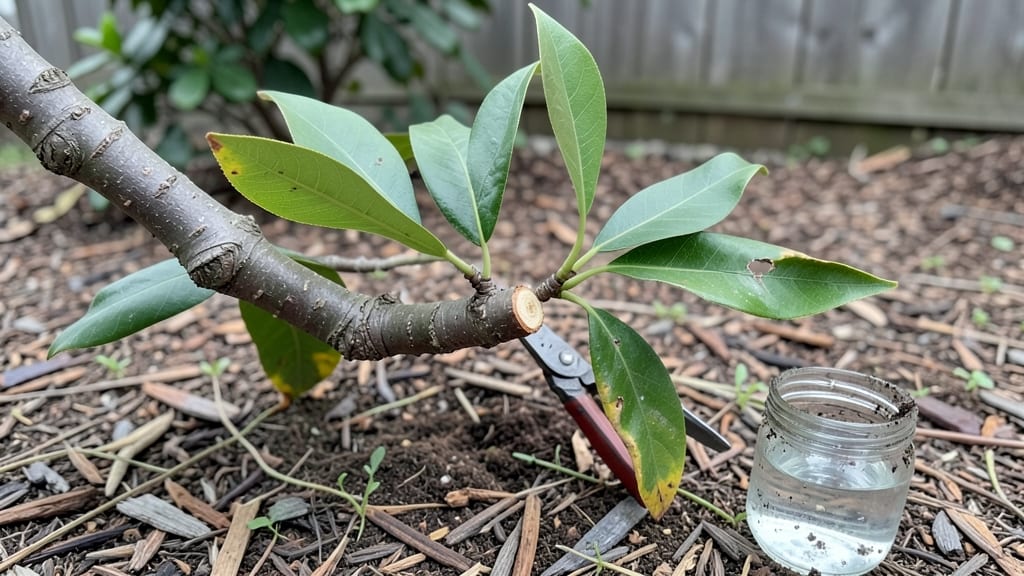
Growing a magnolia tree from a branch is easier than you’d think—if you time it right. 🌱 The key is patience and a few simple tricks that turn a dormant-season cutting into a thriving young tree.
I’ve rooted my own magnolias this way, and while it’s not instant, the payoff of watching those glossy leaves unfurl is worth every week of waiting.
You’ll need just three things: a healthy branch (about pencil-thick), rooting hormone, and a pot of well-draining soil. The best time to take cuttings is late winter or early spring, when the tree is still dormant but about to wake up.
Most gardeners skip this step, but the process is surprisingly straightforward—no green thumb required.
Once rooted, your new magnolia will start growing roots in 4-8 weeks, with new shoots appearing by spring. The real magic happens when you transplant it outdoors, where it’ll slowly mature into a stately tree.
Just be patient—magnolias grow slowly, but they’re worth the wait for that first burst of fragrant blooms.
This method works for both southern magnolias and star magnolias, though larger varieties may need extra care. The biggest challenge? Keeping the cutting moist without rotting it. With the right setup, though, you’ll have a living piece of history growing in your own yard.
📚 In This Guide
- What you need
- Instructions
- Tips and common mistakes
- Wrapping up and next steps
What you need
- ● Magnolia branch: A healthy, semi-hardwood cutting (about 6–12 inches long, pencil-thick in diameter). Look for branches with at least one leaf node (the bump where leaves grow).
- ● Rooting hormone: A powder or gel (e.g., Rootone or Clonex) to boost root growth.
- ● Well-draining potting mix: A blend of 50% perlite, 30% peat moss or coconut coir, and 20% sand (or a pre-made propagation mix).
- ● Small pots or containers: 4–6 inch diameter pots with drainage holes (or a clear plastic container for water propagation).
- ● Plastic wrap or a humidity dome: To create a greenhouse effect and retain moisture.
- ● Sharp pruning shears or scissors: Sterilized to make clean cuts on the branch.
- ● Spray bottle: For misting the cutting and maintaining humidity.
- ● Water: Room-temperature, filtered if possible.
- ● Heat mat: Keeps soil warm (70–80°F) to encourage faster rooting.
- ● Grow lights: If your space lacks bright, indirect sunlight.
- ● Fertilizer (low-dose): A diluted seaweed or fish emulsion (after roots form).
- ● Twine or rubber bands: To secure plastic wrap around the pot.
- ● Journal or labels: To track progress and variety of magnolia.
Step-by-step guide to propagating a magnolia tree from a branch
Here's how I've successfully rooted magnolia cuttings—no fancy tools, just patience and the right technique.
🌱 Step 1: Select and Prepare the Right Branch
Choose a healthy, pencil-thick branch from the current season's growth—look for 4-6 inch sections with 2-3 leaf buds. Avoid woody stems, which root poorly. I always cut just below a leaf node where new roots will form. Use clean, sharp pruners to make a 45-degree angle cut about ¼ inch below a bud.
Strip the lower leaves off the stem, leaving only the top 2 inches of foliage. This reduces moisture loss while the roots establish. Dip the cut end in rooting hormone powder (optional but helpful for magnolias). I like to tap the cutting gently to remove excess powder—too much can suffocate the new roots.
💧 Step 2: Plant in Moist, Well-Draining Medium
Fill a 4-6 inch pot with a mix of 50% perlite and 50% peat moss—this keeps moisture consistent while allowing airflow. Moisten the mix until it feels like a damp sponge, not soggy. Stick your finger in; it should hold together but not drip water.
Make a hole with your finger or a pencil, then insert the cutting 2-3 inches deep. Firm the medium gently around the stem to eliminate air pockets. Place a plastic bag loosely over the pot to create a humid microenvironment (like a mini greenhouse). Secure it with a rubber band, but leave a small gap for airflow.
☀️ Step 3: Provide Indirect Light and Consistent Moisture
Set the pot in bright, indirect light—think morning sun with afternoon shade. Direct sunlight will scorch the leaves before roots form. I keep mine on an east-facing windowsill or under a grow light. Watch for yellowing leaves—this means too much sun or not enough water.
Keep the medium evenly moist but never waterlogged. I check daily by lifting the pot—it should feel about as heavy as a damp sponge. Water only when the top ½ inch feels dry, using room-temperature water. Mist the leaves occasionally to maintain humidity inside the bag.
⏰ Step 4: Wait and Watch for New Growth
Rooting takes 4-8 weeks, but don't expect visible roots. Instead, look for new leaves at the top of the cutting—this signals successful rooting. I wait until the original leaves stay green and firm, not wilted. At this point, gently tug on the stem; if you feel slight resistance, roots are forming.
Once new growth appears, remove the plastic bag gradually over 3-5 days to acclimate the cutting. After 8-12 weeks, transplant to a 6-inch pot with regular potting mix. Keep it in shade for a week to reduce transplant shock. Magnolias are slow growers—be patient, and you'll have a sturdy young tree in a few years.
Real talk: Not every cutting will root. Even with perfect conditions, about 30-50% succeed. If one fails, try another—magnolias are worth the persistence.
Tips & tricks for perfect magnolia tree propagation
Here's what I've learned after rooting dozens of magnolia cuttings—these tricks make all the difference between success and frustration.
Timing is Everything: The best time to take cuttings is in late spring or early summer when new growth is firm but not yet woody. This is when magnolias produce the most hormones that encourage rooting. If you miss this window, try again next year—fall or winter cuttings rarely root successfully.
Cutting Technique Matters: That 45-degree angle cut below a leaf node isn't just decoration—it increases surface area for root formation. Make sure your pruners are sharp to avoid crushing the stem. I've found that cutting just below a bud gives the highest success rate because buds contain growth hormones that stimulate root development.
Medium Mix Secrets: While the 50/50 perlite to peat moss mix works well, I've had even better results with a 60% perlite and 40% coconut coir blend. The coconut coir holds moisture better while still providing excellent drainage. Just make sure your mix stays damp like a wrung-out sponge—never soggy, never bone dry.
Lighting Strategy: If you don't have an east-facing window, use a grow light on a timer for 12-14 hours daily. I place my cuttings about 6-8 inches below the light and adjust as leaves grow. Watch for yellowing leaves—they're your first warning sign of too much light. Remember, magnolias love bright but indirect light, not harsh direct sun.
Pro Tips for Can You Grow A Magnolia Tree From A Branch
- Here's what I've learned after rooting dozens of magnolia cuttings—these tricks make all the difference between success and frustration.
- Timing is Everything: The best time to take cuttings is in late spring or early summer when new growth is firm but not yet woody.
- Cutting Technique Matters: That 45-degree angle cut below a leaf node isn't just decoration—it increases surface area for root formation.
Frequently asked questions
Got questions?
Growing a magnolia tree from a branch is rewarding but can raise a few curiosities—especially for beginners! Here are answers to the most common ones to set you up for success.
Can I grow a magnolia tree from any branch?
Not quite! Only semi-hardwood or hardwood cuttings (taken in late fall/winter or early spring) root successfully. Avoid soft, green branches—they rot before they sprout. Look for pencil-thick stems with at least 2–3 leaf buds for the best chance.
How long does it take for a magnolia cutting to root?
Patience is key! Most magnolia cuttings take 3–6 months to develop roots, though some may take up to a year. Check for new growth (tiny leaves) first—roots usually follow. Keep humidity high and avoid overwatering to speed things along.
What’s the best temperature for rooting magnolia cuttings?
Magnolias thrive in 65–75°F (18–24°C) during the rooting process. If your climate dips below 60°F (15°C) or spikes above 85°F (29°C), use a heating mat or move cuttings to a shaded, stable spot. A greenhouse or propagator tent helps maintain ideal conditions.
What if my magnolia cutting turns yellow or mushy?
Yellowing or mushy stems signal rot—usually from overwatering or poor airflow. Act fast: trim the affected area, dip in rooting hormone, and replant in fresh, dry medium. Reduce watering and ensure the cutting’s node (where leaves meet the stem) stays above soil.
Can I grow a magnolia from a branch if it’s already flowering?
Flowering branches are not ideal for propagation because they’ve already expended energy. Focus on non-flowering stems with leaf buds. If you must use a flowering branch, prioritize hardwood cuttings (winter-harvested) and be patient—they’re less likely to root quickly.
What’s an alternative if my cutting fails?
No stress! Try these backups:
- Grafting: Ask a local nursery for a magnolia graft (some offer bare-root options).
- Layering: Bend a low branch to the ground, cover the midpoint with soil, and wait for roots to form (takes 6–12 months).
- Seedlings: Buy a young magnolia tree from a reputable grower—faster and foolproof!
Wrapping up and next steps
Growing a magnolia tree from a branch is a rewarding journey that combines patience, care, and a little horticultural magic! 🌱 With the right cuttings, rooting hormone, and consistent moisture, you can nurture a stunning magnolia from just a single branch.
The key is persistence—whether you’re rooting in water, soil, or a misting setup, trust the process and celebrate small victories along the way.
Ready to take the next step? Once your cuttings have rooted and grown into sturdy saplings, transplant them into the ground or larger pots to watch them flourish into majestic trees. Happy gardening—your future magnolia awaits! 🌿✨