Pruning
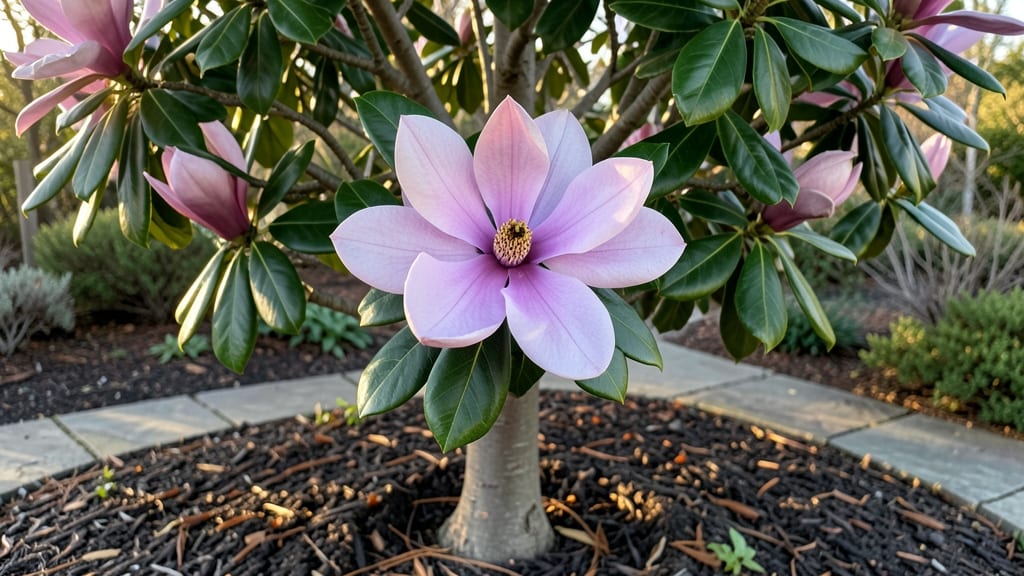
The Magnolia soulangeana tree—also called the Saucer Magnolia—is a showstopper that blooms in late winter, when most gardens are still asleep. 🌸 Its frost-resistant nature makes it perfect for northern climates, but the secret to keeping it flowering reliably lies in smart pruning.
I’ve learned the hard way that cutting at the wrong time or in the wrong way can turn your magnolia into a leggy mess with fewer blooms.
This tree thrives in partial shade to full sun and well-draining soil, but its real magic happens after you understand when and how to prune. The key is timing: prune right after the blooms fade, never during the growing season.
With the right technique, you’ll encourage more buds for next year’s flowers, turning your magnolia into a year-round ornamental star that neighbors will envy.
You’ll end up with a tree that bursts into color every February, with glossy green leaves that stay vibrant through summer. The blooms are so abundant they can cover the entire branch, creating a stunning display that lasts for weeks.
Plus, the pruning process itself is simpler than you’d think—just a few strategic cuts to shape and encourage new growth.
This approach works whether you’re shaping a young tree or reviving an older one that’s lost its bloom potential. The same principles apply to both formal landscapes and wild, naturalistic gardens. Let’s get your magnolia looking its best for next winter’s show.
📚 In This Guide
- What you need
- Instructions
- Tips and common mistakes
- Wrapping up and next steps
What you need
- ● Pruning shears: Bypass pruners (sharp, clean, 10-12 inch blades) – 1 pair (for small branches).
- ● Loppers: 20-24 inch reach, 1 pair (for thicker branches up to 2 inches in diameter).
- ● Hand saw: Pruning saw with a curved blade (for branches 2+ inches thick) – 1.
- ● Disinfectant: 70% isopropyl alcohol or rubbing alcohol (to sterilize tools) – small bottle.
- ○ Pruning sealant: Tree wound dressing (optional but helpful for large cuts) – 1 small tub.
- ● Garden gloves: Cut-resistant (to protect hands) – 1 pair.
- ○ Extension pole: 3-5 foot (for high branches) – 1 (optional but handy!).
- ● Timing: Prune immediately after flowering (late spring) or early winter (before bud swell).
- ● Weather: Choose a dry, overcast day (avoid pruning in extreme heat or cold).
- ● Safety gear: Safety glasses (to protect eyes from debris) – 1 pair.
- ● Cleanup supplies: Garden bags or bucket (for debris) – 1-2.
- ● Tree knowledge: Study your Magnolia soulangeana’s growth habits (avoid over-pruning—this tree blooms on old wood!).
Step-by-Step guide to pruning magnolia soulangeana for frost resistance
Pruning your magnolia soulangeana isn't just about shaping—it's about protecting its stunning blooms through winter.
✂️ Step 1: Time Your Pruning for Late Winter Dormancy
Wait until late winter—after the last frost date in your zone—when the tree is fully dormant but before new growth begins. This timing ensures you don’t accidentally cut off next year’s flower buds, which form on old wood. I always check my local frost calendar and mark the date 6-8 weeks before my area’s average last frost. The branches should feel brittle and leafless, signaling it’s safe to prune.
Use clean, sharp pruners to make 45-degree cuts just above a bud or branch collar. Avoid cutting into the bark or leaving stubs—these wounds invite disease. If you’re unsure where to cut, look for the small bump where the branch meets the trunk; that’s your target spot. I like to prune on a dry day when the tree isn’t stressed from rain or wind.
☀️ Step 2: Remove Dead, Damaged, or Crossing Branches First
Start by inspecting the tree for dead branches—they’ll snap easily when bent or appear gray and hollow when cut. Remove these first, as they drain energy from healthy growth. Next, look for crossing or rubbing branches—these create wounds and weak points where frost can damage the wood. I use my fingers to gently bend branches toward the center of the tree; any that resist or rub should go.
For larger branches, use loppers or a pruning saw to make clean cuts. Step back and visualize the tree’s shape—you’re not just thinning, you’re creating airflow to prevent frost buildup on dense foliage. If a branch is over ⅓ the diameter of the trunk, call a professional; these cuts require special techniques to avoid damaging the tree.
🌿 Step 3: Thin the Canopy to Improve Air Circulation
Magnolias bloom on old wood, so avoid heavy pruning—focus on selective thinning to open the canopy. Aim to remove no more than 20-25% of the foliage in one season. Start at the outer edges and work inward, cutting back branches that grow inward or downward. This creates space for sunlight to penetrate, which helps the tree dry faster after rain and reduces frost pockets.
Watch for water sprouts—those fast-growing, upright shoots that pop up in the center of the tree. These are energy vampires and should be removed entirely. Use your pruners to cut them at the base, and compost the clippings. If you’re unsure which branches to keep, step back frequently and imagine how sunlight and wind will move through the tree after pruning.
⏰ Step 4: Clean Up and Apply Protective Measures
After pruning, sterilize your tools with rubbing alcohol to prevent spreading disease. Rake up and dispose of all clippings—don’t leave them under the tree, as they can harbor pests. Now’s also the time to mulch around the base with 2-3 inches of organic mulch, keeping it 6 inches away from the trunk to prevent rot. This insulates the roots and protects against frost heave.
For extra frost protection, wrap the trunk with tree wrap or burlap in late fall, removing it in early spring. Avoid plastic wrap—it can trap moisture and cause bark damage. If your magnolia is young or in a particularly cold climate, consider installing a tree guard to shield it from harsh winds. Water deeply before the first frost to encourage root strength, but avoid overwatering, which can weaken the tree’s cold tolerance.
🌱 Step 5: Monitor and Adjust for Future Seasons
Keep an eye on your magnolia in the weeks after pruning. If you notice yellowing leaves or wilting branches, it could signal stress from over-pruning or frost damage. Adjust your approach next year—maybe thin less aggressively or focus on removing only the most problematic branches. I like to sketch a simple diagram of the tree’s shape after pruning to track its progress over time.
Every 2-3 years, reassess the tree’s structure and repeat the thinning process. The goal is to maintain an open, vase-like shape that allows light and air to move freely. This not only protects against frost but also encourages healthier blooms and stronger growth. With consistent care, your magnolia soulangeana will reward you with year-round interest—even in winter.
Tips & tricks for pruning magnolia soulangeana
Pruning magnolia soulangeana might seem intimidating, but these simple tricks will help you protect those stunning blooms and keep your tree thriving through winter.
The Right Timing is Everything: Step 1 emphasizes late winter pruning, but here's what I've learned: Check for brittle, leafless branches as your key indicator. If you're unsure about your last frost date, err on the side of waiting—new growth is more vulnerable to frost damage. I've seen too many pruning mistakes happen when people rush into early spring pruning.
Visual Cues for Perfect Cuts: That 45-degree angle in Step 1 isn't just about looks—it's about directing water away from the cut. Look for the branch collar (that little bump where the branch meets the trunk) as your guide. If you're struggling to see it, run your fingers along the branch until you feel the slight ridge. This is your target spot for clean cuts that heal properly.
Canopy Thinning Strategy: The 20-25% foliage guideline in Step 3 is perfect, but here's how I think about it: Imagine your tree as an umbrella. You want sunlight and air to move freely through the "spokes" to the center. Start by removing branches that grow inward or downward—they're the ones blocking airflow. This creates that open, vase-like shape that prevents frost buildup.
Tool Maintenance Matters: After pruning, your tools need TLC too. I always sterilize my pruners with rubbing alcohol and wipe them dry before storing. For larger cuts, keep your loppers and pruning saws sharp—dull tools crush wood fibers, creating larger wounds that take longer to heal. A quick sharpening session every few pruning sessions makes all the difference in tree recovery.
Pro Tips for Magnolia Soulangeana Tree
- Pruning magnolia soulangeana might seem intimidating, but these simple tricks will help you protect those stunning bl...
- The Right Timing is Everything: Step 1 emphasizes late winter pruning, but here's what I've learned: Check for brittl...
- Visual Cues for Perfect Cuts: That 45-degree angle in Step 1 isn't just about looks—it's about directing water away f...
Frequently asked questions
Got questions about pruning your Magnolia soulangeana (aka saucer magnolia) to keep it blooming beautifully? We’ve got answers! Whether you’re a newbie or a seasoned gardener, these FAQs will help you care for your frost-resistant star.
When is the best time to prune my Magnolia soulangeana?
Prune your magnolia immediately after flowering (late spring to early summer). Avoid pruning in late summer or fall—this can remove next year’s flower buds! If you must prune for safety (e.g., storm damage), do it in late winter before buds swell.
Can I prune my Magnolia soulangeana in winter?
Yes, but only for structural repairs (e.g., broken branches). Heavy pruning in winter risks removing flower buds, which form in late summer. If frost damage occurs, wait until spring to assess and trim dead wood. Pro tip: Wear gloves—magnolia bark can be sharp!
How much can I prune without harming the tree?
Limit pruning to no more than 25% of the tree’s canopy in one season. Magnolias are sensitive to over-pruning. Focus on removing dead, crossing, or weak branches first. For thick branches, make clean cuts just outside the branch collar to avoid disease.
What if my Magnolia soulangeana isn’t blooming?
Lack of blooms often means over-pruning or poor bud formation. Avoid late-season cuts, and ensure the tree gets full sun (6+ hours/day) and well-draining soil. If buds form but don’t open, it may need more winter protection (e.g., mulch or burlap wraps).
Are there frost-resistant alternatives to Magnolia soulangeana?
Yes! Try these cold-hardy magnolias:
- Magnolia stellata (Star Magnolia): Blooms earlier, tolerates Zone 4.
- Magnolia ‘Black Tulip’: Deep purple blooms, Zone 5-resistant.
- Magnolia ‘Jane’: Compact, fragrant, and Zone 5-hardy.
Wrapping up and next steps
The Magnolia soulangeana is a stunning, frost-resistant tree that rewards patience with breathtaking blooms year after year. By mastering the right pruning techniques—like timing cuts after flowering and avoiding over-trimming—you’ll ensure vibrant health and prolific blossoms. Now’s your chance to transform your garden into a fragrant paradise!
Ready to dive in? Grab your tools, mark your calendar, and start pruning today—your tree (and future visitors) will thank you! 🌸✂️