
Pruning
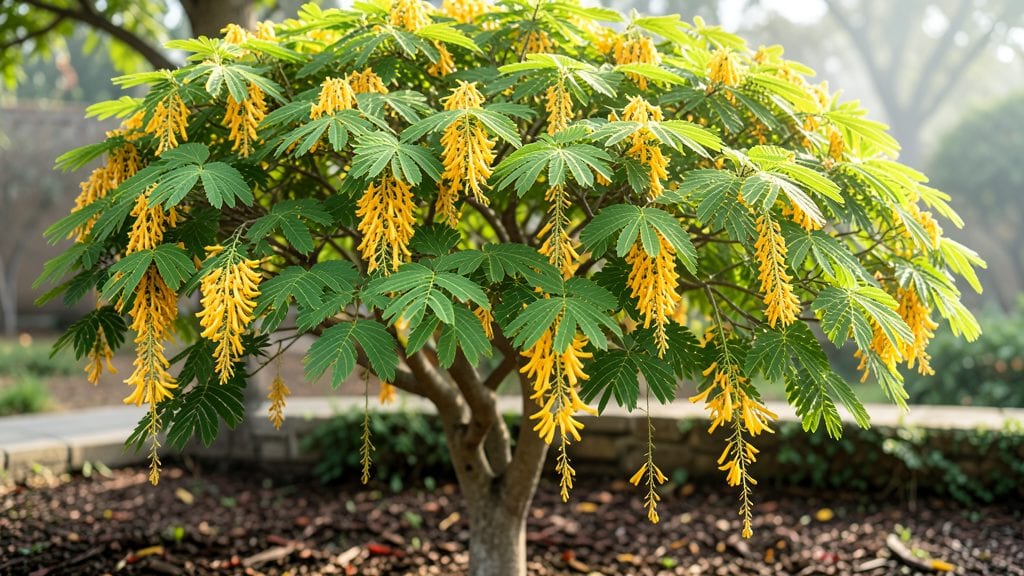
Florida’s cassia trees (Cassia spp.) thrive where others freeze—thanks to their stunning golden blooms and built-in frost resistance. 🌿 I’ve watched mine push through Florida’s rare cold snaps, then burst into color again by spring, proving they’re the ultimate low-maintenance showstopper for the Sunshine State.
Here’s the secret: these trees love Florida’s heat, humidity, and sandy soil, but they do need strategic pruning to keep them blooming year-round. Most people overlook the frost-resistant pruning technique—cutting back in late winter to encourage fresh growth just as the weather warms.
It’s not complicated, but getting the timing right makes all the difference.
With the right approach, your cassia will reward you with bold yellow flowers from spring through fall, even after a hard freeze. The branches stay sturdy, the blooms multiply, and you’ll skip the deadheading most tropical trees demand.
Plus, they attract pollinators like crazy—hummingbirds and bees go wild for the nectar.
Whether you’re shaping a young tree or rejuvenating an older one, this method works for Florida’s coastal heat and inland humidity. Let’s get those shears ready—your tree’s next bloom cycle starts now.
📚 In This Guide
- What you need
- Instructions
- Tips and common mistakes
- Wrapping up and next steps
What you need
- ● Pruning shears – Bypass pruners (sharp, 6-8" blades) for clean cuts on small branches.
- ● Loppers – 18-24" long, for thicker branches (½" to 1" diameter).
- ● Pruning saw – Curved-tooth blade for branches over 1.5" in diameter.
- ● Rubbing alcohol (70% or higher) – Small bottle (1 oz) for sterilizing tools between cuts.
- ● Garden gloves – Heavy-duty, cut-resistant (e.g., leather or Kevlar).
- ● Disposable pruning bags – 2-3 medium-sized (for debris collection).
- ● Hose with nozzle – To clean tools and rinse sap off cuts.
- ● Hand pruners – For precision trimming on tiny branches.
- ● Pole saw – If your tree is tall (10+ feet), extend your reach!
- ● Tree wound dressing – Only if needed (e.g., pruning sealant for large cuts).
- ● Work vest or apron – Keeps tools organized and hands free.
- ● Safety glasses – Protects eyes from debris.
- ● Check the weather forecast – Aim for a mild, dry day (50–75°F).
- ● Gather tree health info – Note any dead, diseased, or crossing branches to target first.
- ● Have a helper – Useful for stabilizing tall trees or heavy branches.
Step-by-step guide to pruning cassia trees in Florida for frost-resistant growth
Pruning your cassia tree correctly ensures it thrives through Florida’s mild winters and blooms abundantly year-round.
✂️ Step 1: Time Your Pruning for Frost Resistance
Prune your cassia tree late winter to early spring, just before new growth begins—typically February to March in Florida’s climate. This timing allows the tree to harden off after winter’s occasional light frosts while still having time to establish new growth before summer’s heat. Avoid pruning in fall, as new growth won’t have time to mature before cold snaps.
Look for dormant buds along the branches—these signal the tree is ready. If your area experiences 28°F or lower, wait until after the last frost date to prune, as cold-sensitive cassia trees may struggle to recover from late cuts. Florida’s inland regions often fare better than coastal areas, which can see sudden temperature drops.
🌿 Step 2: Remove Dead, Diseased, or Weak Branches First
Start by sterilizing your pruning shears with rubbing alcohol to prevent spreading disease. Cut out any branches that are dead, diseased, or crossing—these compete for energy and weaken the tree’s structure. Dead branches snap easily when bent; diseased ones may ooze sap or have discolored bark. Weak, thin branches that don’t contribute to the tree’s shape should also go.
Make your cuts just outside the branch collar (the swollen area where the branch meets the trunk) at a 45-degree angle. Avoid leaving stubs, as they invite pests and rot. If a branch is larger than ½ inch in diameter, use a pruning saw for a clean cut. This step ensures your cassia tree directs energy toward healthy growth rather than maintaining weak or damaged limbs.
☀️ Step 3: Thin the Canopy for Better Airflow and Sunlight
Step back and assess the tree’s shape—aim for an open, vase-like structure that allows sunlight to reach the inner branches. Remove 20-30% of the canopy by selectively cutting back branches that crowd the center. Focus on sparse areas to create balance, and avoid over-pruning one side, which can cause uneven growth.
Watch for water sprouts (fast-growing, vertical shoots) and suckers (shoots from the base)—these drain energy from the tree. Cut these out at the base. Florida’s humid climate can encourage fungal issues, so thinning improves airflow and reduces disease risk. After pruning, the tree should look lighter and more airy, with sunlight able to penetrate to the lower branches.
⏰ Step 4: Shape and Encourage Blooming Branches
Cassia trees bloom on new wood, so pruning stimulates fresh growth and more flowers. Cut back overly long branches by one-third to encourage bushier growth. Avoid heavy pruning of older wood, as cassia trees bloom on both old and new growth—focus on selective trimming to maintain shape while promoting flowering.
Look for lateral branches (side branches) and prune them back to just above a leaf bud to encourage branching. This creates a fuller, more vibrant tree. In Florida, cassia trees often bloom spring through fall, so pruning in late winter sets them up for a long flowering season. After shaping, step back again—your tree should now have a balanced, open structure with room for future growth.
💧 Step 5: Post-Pruning Care for Frost Resistance
Water the tree deeply after pruning to help it recover, especially if Florida’s dry season follows. Mulch around the base with 2-3 inches of organic mulch (like pine bark) to retain moisture and protect roots from temperature fluctuations. Avoid piling mulch against the trunk, as this can cause rot.
Monitor the tree for new growth in 4-6 weeks—this confirms it’s recovering well. If your cassia tree is in a cooler microclimate (like higher elevations), consider a light frost cloth for the first few weeks post-pruning if a late frost is forecasted. Florida’s generally mild winters mean most cassia trees handle pruning well, but extra care ensures they bounce back stronger for another year of vibrant blooms.
Tips & tricks for perfect cassia tree pruning in Florida
Here’s what nobody tells you about pruning cassia trees—these tricks will help your tree thrive and bloom like crazy through Florida’s unpredictable winters.
Timing is Everything: The February-to-March window isn’t just arbitrary—it’s about catching that sweet spot between frost hardening and new growth. If you’re in North Florida, aim for early March when daytime temps consistently hit 70°F. For South Florida, late February works best. I’ve seen trees pruned too early (before buds swell) struggle to recover, while late pruning (after buds break) can leave them vulnerable to late frosts.
Tool Prep Prevents Problems: Sterilizing your pruning shears with rubbing alcohol isn’t just about disease prevention—it’s about giving your tree the cleanest possible start. I also recommend sharpening your blades before you begin; dull tools crush branches instead of making clean cuts, which stresses the tree. For branches thicker than ½ inch, use a pruning saw with a fine-toothed blade to avoid tearing the bark.
Canopy Math Matters: That 20-30% canopy reduction guideline isn’t just a random number—it’s based on how much sunlight your tree actually needs. In Florida’s intense sun, aim for the lower end (20%) if your tree is already sparse. For dense canopies, don’t exceed 30% in one session. I’ve learned the hard way that aggressive pruning can shock even hardy cassia trees, leading to fewer blooms the following season.
Post-Pruning Care is Non-Negotiable: The 4-6 week recovery window is when your tree does most of its healing. During Florida’s dry season, I water deeply every 7-10 days (about 10 gallons per inch of trunk diameter) to prevent transplant shock. The 2-3 inches of organic mulch isn’t just decoration—it mimics Florida’s natural pine flatwoods environment, helping roots stay cool and moist during our hot summers.
Pro Tips for Cassia Tree Florida
- Here’s what nobody tells you about pruning cassia trees—these tricks will help your tree thrive and bloom like crazy through Florida’s unpredictable winters.
- Timing is Everything: The February-to-March window isn’t just arbitrary—it’s about catching that sweet spot between frost hardening and new growth.
- Tool Prep Prevents Problems: Sterilizing your pruning shears with rubbing alcohol isn’t just about disease prevention—it’s about giving your tree the cleanest possible start.
Frequently asked questions
Got questions about growing and pruning cassia trees in Florida? You’re not alone! Here are answers to the most common queries to help you keep your tree thriving and blooming year-round.
How cold can a cassia tree tolerate in Florida?
A cassia tree (like the Cassia fistula or Senna bicapsularis) is frost-sensitive but can handle brief dips to 25–30°F with proper care. In Florida’s mild winters, most varieties survive, but young trees or severe freezes may need burlap wraps or mulch protection. Monitor forecasts and act fast!
When is the best time to prune a cassia tree in Florida?
Prune your cassia tree right after flowering (late spring to early summer) to encourage new growth and blooms. Avoid heavy pruning in winter—it stresses the tree. For frost-pruned branches, trim dead wood as soon as temperatures rise above 50°F to prevent disease.
Why isn’t my cassia tree blooming?
Lack of blooms often stems from over-pruning, poor sunlight, or nutrient deficiencies. Ensure your tree gets 6+ hours of sun daily and fertilize in early spring with a balanced, low-nitrogen formula (like 6-6-6). If branches are leggy, light pruning to open the canopy can trigger more flowers!
Can I grow a cassia tree from seed in Florida?
Yes! Collect seeds from pods (let them dry and split open), soak them overnight, then plant ½-inch deep in well-draining soil. Germination takes 2–4 weeks. For faster results, buy a 1-year-old sapling from a nursery—Florida’s humidity suits cassias, but they thrive best in USDA Zones 9–11.
What should I do if my cassia tree’s leaves turn yellow?
Yellow leaves usually signal overwatering, nutrient deficiency, or root stress. Check soil moisture—cassias prefer dry spells between waterings. If roots are soggy, improve drainage. For yellowing on older leaves, it’s normal aging, but new leaves yellowing may need iron or magnesium (use a chelated supplement).
Wrapping up and next steps
Pruning your cassia tree in Florida doesn’t have to be a seasonal chore—it’s your ticket to year-round blooms and a thriving, frost-resistant beauty! 🌸 With the right tools, timing, and techniques, you’ll keep your tree healthy, encourage vibrant flowers, and even protect it from those rare cold snaps.
Whether you’re a pruning pro or just starting, every trim brings your cassia closer to its full potential.
Ready to level up your green thumb game? Start by marking your calendar for late winter or early spring—your cassia’s next bloom cycle begins with just a few strategic cuts! 🌿 Grab your pruners and get growing!