
Pruning
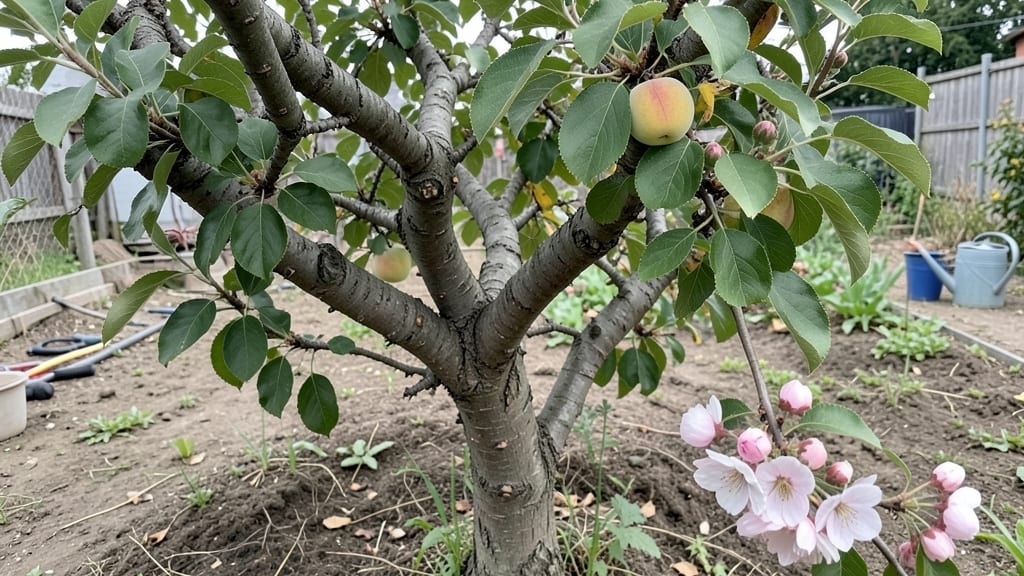
Planting a Lovell peach tree in your Pacific Northwest yard means sweet rewards even in chilly winters—this variety thrives where others freeze. 🌱 I learned the hard way that standard peaches wilt under our damp, cool summers, but Lovells?
They produce juicy, freestone fruit reliably year after year. The secret lies in proper site selection and early-season care that mimics their native climate.
You'll need full sun (at least 6 hours daily), well-draining soil, and a spot sheltered from harsh winds—Lovells hate soggy roots but love warmth. Start with a 2-3 year old tree from a reputable nursery, and plant in early spring when the ground is workable but frost isn't lingering.
The first year is about establishing roots, so hold off on heavy pruning until the tree settles in.
By summer's end, you'll be harvesting yellow-gold peaches with a perfect balance of sweetness and tartness—no need for fancy orchards. The tree's cold-hardy nature means less winter stress, but a thick layer of mulch and a protective wrap during freeze events ensures even bigger harvests next season.
Prune in late winter to open the canopy for airflow, which prevents fungal issues that plague other varieties.
This isn't just a tree—it's a year-round project that pays off in summer picnics and fall preserves. Whether you're a first-time fruit grower or expanding your orchard, Lovells deliver foolproof results with minimal fuss. Let's get that tree planted right the first time.
📚 In This Guide
- What you need
- Instructions
- Tips and common mistakes
- Wrapping up and next steps
What you need
- ● Pruning shears (bypass or anvil type): Choose sharp, clean shears (10–12" blade length) for clean cuts. Sanitize with rubbing alcohol between cuts to prevent disease.
- ● Loppers: For thicker branches (1–2" diameter). Opt for bypass-style loppers for precision.
- ● Pruning saw: For branches over 2" thick. A bow saw or curved pruning saw works best.
- ● Gloves: Heavy-duty, cut-resistant gloves (e.g., Mechanix or pruning-specific) to protect from thorns and sap.
- ● Disinfectant (70% isopropyl alcohol or bleach solution): 1 part bleach to 9 parts water for sterilizing tools.
- ○ Sealing wax or pruning paint: Optional but helpful for large cuts (1–2" diameter) to prevent disease entry.
- ● Ladder or step stool: A stable, extendable ladder (12–16 ft) if your tree is tall. Never stand on wobbly surfaces!
- ● Trash bags or bucket: For collecting pruned branches and debris.
- ● Notebook & pen: To sketch a pruning map of your tree’s structure (helpful for beginners!).
- ● Timing: Prune your Lovell peach tree during dormancy (late winter/early spring, before buds swell) or summer (after harvest). Avoid pruning in fall to prevent disease.
- ● Weather check: Choose a dry, calm day—no rain or wind for 24 hours before/after pruning.
- ● Tree health assessment: Inspect for diseased or dead branches (brown, brittle wood) before pruning.
- ● Safety gear: Long sleeves/pants to protect from thorns and sap burns.
- ● Handheld leaf blower: For clearing debris from hard-to-reach spots.
- ● Tree pruning guidebook or app: Like “Pruning Made Easy” or iTree for visual reference.
- ● Pole pruner: For high branches if you’re avoiding a ladder.
- ● Compost bin: To recycle small pruned branches into mulch.
Step-by-step guide to planting and caring for a Lovell peach tree
Here's my battle-tested method for growing this Pacific Northwest favorite—where cold winters meet reliable peach production.
🌱 Step 1: Choose the Right Planting Site and Timing
Select a location with at least 6-8 hours of full sun daily—Lovell peaches demand warmth to ripen properly. In the PNW, plant your bare-root tree in early spring, just as buds begin to swell but before leaves emerge. This timing lets roots establish before summer heat arrives.
Dig a hole twice as wide as the root ball but only as deep—planting too deep suffocates the graft union, which is critical for cold hardiness. Amend the native soil with 2-3 inches of compost mixed into the bottom of the hole. The Lovell thrives in well-draining soil with a pH between 6.0 and 7.0—test your soil and adjust with lime or sulfur if needed.
🪴 Step 2: Plant with Proper Technique for Cold Resistance
Gently loosen the roots of your bare-root tree and spread them outward in the hole—never bend them sharply. Position the graft union 2-3 inches above soil level (this prevents rooting from suckers below the graft). Backfill with native soil mixed with compost, tamping lightly to remove air pockets but not compacting.
Create a 12-inch wide water basin around the tree by mounding soil outward. Water immediately until the soil is thoroughly moistened—this helps settle the roots and eliminates air gaps. Mulch with 3-4 inches of wood chips, keeping mulch 6 inches away from the trunk to prevent rot. The Lovell’s cold hardiness comes from its roots, so protecting them through winter is non-negotiable.
☀️ Step 3: Establish Summer Care for Fruit Development
Water deeply once per week during the first growing season, ensuring moisture reaches 12 inches down—shallow watering encourages weak roots. In the PNW’s humid summers, watch for leaf curl or powdery mildew (common on peaches) and treat preventively with neem oil if you spot early signs. Fertilize lightly in early spring with 10-10-10 at ½ pound per 100 square feet—too much nitrogen delays fruiting.
Prune in late winter (before buds swell) to open the canopy to sunlight—remove suckers at the base and dead or crossing branches. The Lovell’s cold hardiness means it can handle pruning later than most peaches, but don’t wait past early spring. Thin fruit in June to 6-8 inches apart—this ensures larger, higher-quality peaches rather than a heavy crop of small ones.
⏰ Step 4: Winterize for Pacific Northwest Resilience
In the PNW’s Zone 5-7, the Lovell’s cold hardiness shines—but it still needs protection. Apply 4-6 inches of mulch around the base in late fall, extending the mulch ring outward each year. Wrap the trunk with tree wrap or bubble wrap to prevent sunscald, which can occur even in cold climates during sudden temperature swings.
Prune out any weak or damaged wood in late winter, just before buds break. Avoid heavy pruning—this tree’s cold hardiness comes from its established structure. If your area gets below 0°F, consider wrapping the entire tree in burlap for extra insulation. The Lovell’s ability to produce fruit in cooler climates makes this step worth the effort.
Tips & tricks for perfect Lovell peach tree planting and care
Growing a thriving Lovell peach tree in the Pacific Northwest takes more than just planting—it's about understanding the subtle details that make all the difference in cold-hardy fruit production.
Sunlight Strategy: While 6-8 hours of sunlight is the minimum, aim for the full 8 hours when possible. The Lovell peach tree needs that extra warmth to properly ripen fruit in cooler climates. I've seen trees in partial shade produce smaller, less flavorful peaches—don't skimp on sunlight exposure during those critical summer months. Position your tree where it gets morning sun and afternoon shade if your summers run particularly hot.
Soil Preparation Secret: The 2-3 inches of compost I recommend isn't just about nutrients—it's about creating the perfect soil structure. Mix in some coarse sand if your native soil is heavy clay, which is common in PNW gardens. This improves drainage while maintaining moisture retention. The Lovell's cold hardiness comes from strong roots, and proper soil structure is the foundation for that. Test your soil's pH before planting—if it's below 6.0, add pulverized limestone gradually over time.
Winter Protection Pro Tip: That 4-6 inches of mulch in late fall is non-negotiable, but here's what nobody tells you: Refresh your mulch every year rather than piling on more. Old mulch breaks down and can suffocate roots. I use a mix of wood chips and straw for better insulation. For extreme cold below 0°F, consider adding a layer of burlap around the trunk—this prevents sunscald damage that can occur even in winter when sunny days warm up the bark.
Pruning Precision: When thinning fruit in June to 6-8 inches apart, focus on removing smaller peaches first—they won't reach full size anyway. Leave the largest, healthiest-looking fruit to develop. This might seem counterintuitive, but it's what ensures you get those prized, full-sized Lovell peaches. Remember, the tree's cold hardiness means it can handle this stress better than many peach varieties.
Pro Tips for Lovell Peach Tree
- Growing a thriving Lovell peach tree in the Pacific Northwest takes more than just planting—it's about understanding the subtle details that make all the difference in cold-hardy fruit production.
- Sunlight Strategy: While 6-8 hours of sunlight is the minimum, aim for the full 8 hours when possible.
- Soil Preparation Secret: The 2-3 inches of compost I recommend isn't just about nutrients—it's about creating the perfect soil structure.
Frequently asked questions
Got questions about growing or caring for your Lovell peach tree? You’re not alone! Here are some of the most common queries from gardeners in the Pacific Northwest—and how to tackle them.
How cold-hardy is the Lovell peach tree, really?
The Lovell peach tree is one of the most cold-tolerant varieties, surviving down to −15°F (−26°C) with proper winter care. However, young trees (under 3 years old) need extra protection, like wrapping the trunk in burlap or using tree guards. Established trees handle PNW winters well, but late spring frosts can still damage blossoms—so keep an eye on forecasts!
When should I prune my Lovell peach tree for best fruit production?
Prune twice a year: late winter/early spring (before buds swell) to shape the tree and remove dead wood, and summer (after harvest) to thin out crowded branches. Avoid heavy pruning in fall, as it can stimulate new growth that’s vulnerable to frost. Pro tip: Sterilize tools with rubbing alcohol between cuts to prevent bacterial canker!
Why aren’t my Lovell peaches ripening evenly, or at all?
Uneven ripening often stems from inconsistent sunlight or water stress. Lovell trees thrive in full sun (6+ hours/day), so thin nearby branches or relocate if shaded. Water deeply 1–2 times per week during dry spells, and mulch to retain moisture. Patience is key! Lovell peaches ripen late July–August—don’t harvest too early!
Can I grow a Lovell peach tree in a container, or does it need a yard?
While Lovell peach trees can grow in large containers (15+ gallon pots), they’re not ideal for long-term container life. Roots need space to spread, and fruit production suffers in restricted soil. If container-growing is your only option, use well-draining soil and repot every 2–3 years. For best results, plant in deep, fertile soil with a permanent spot.
How do I prevent peach tree borers and other pests from ruining my harvest?
Peach tree borers and aphids are common foes, but prevention starts with health. Keep trees well-watered and pruned to reduce stress. Apply neem oil or insecticidal soap early in the season as a deterrent. For borers, wrap the trunk with sticky tree bands in spring. Early action is critical—monitor for sawdust-like frass (borer poop) near wounds!
Wrapping up and next steps
The Lovell peach tree is a game-changer for Pacific Northwest gardeners, offering delicious, cold-hardy fruit with minimal fuss—especially when you master pruning! By following the right techniques (like dormant-season cuts and open-center shaping), you’ll ensure strong growth, better yields, and fewer pests.
Whether you’re a seasoned gardener or just starting, this resilient tree rewards patience with juicy, flavorful peaches year after year.
Ready to transform your backyard? Grab your pruners, mark your calendar for late winter, and give your Lovell tree the care it deserves. Your first harvest is just a cut away! 🌱✂️