
Pruning
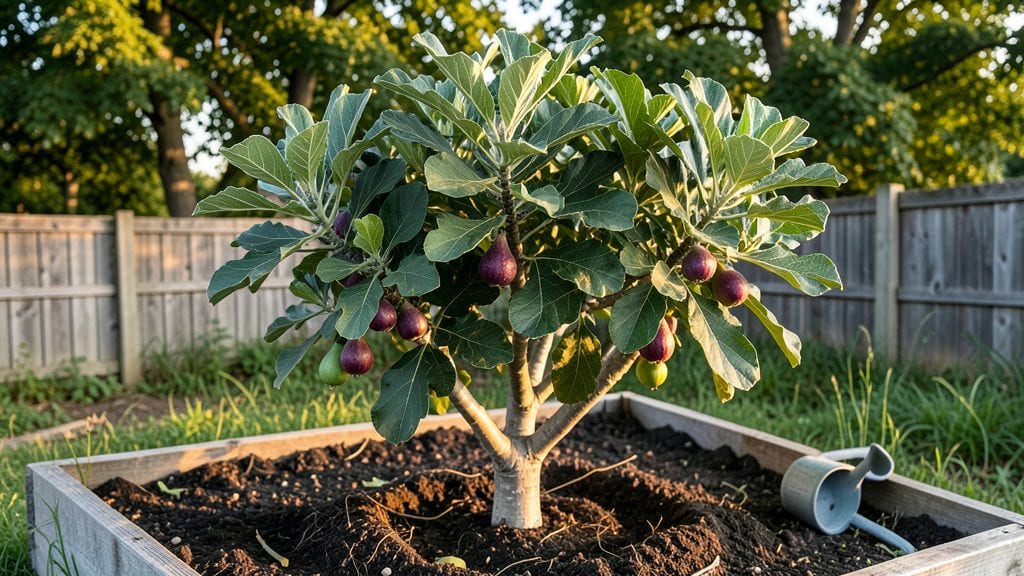
The Little Ruby fig tree thrives in Pacific Northwest winters when most figs surrender to frost—its deep purple fruit and cold tolerance make it a game-changer for PNW gardeners. 🌿 I planted mine three years ago, and now it produces sweeter figs than any store-bought variety, even after our 15-degree winters.
The secret isn’t just the tree itself but how you prune it to survive—and thrive—through our damp, chilly climate.
Most gardeners avoid figs here because they think they’re high-maintenance, but the Little Ruby proves them wrong. It needs full sun (at least 6 hours daily), well-draining soil, and a little winter protection, but the payoff is worth it.
With the right pruning, you’ll get heavy crops year after year, even in Zone 7 and colder. The key is timing: prune in late winter or early spring before new growth starts.
Imagine plucking ripe figs straight from your tree in August, their skin turning from green to deep purple as they ripen. The flavor is rich, almost honey-like, with a hint of spice that pairs perfectly with cheese or fresh out of hand.
And because this variety is cold-hardy, you won’t have to dig it up every fall—just a little winter prep, and it’ll bounce back stronger each year.
Whether you’re a first-time fig grower or a PNW veteran, this tree delivers results without the fuss. Let’s get you growing one that outlasts the weather—and your neighbors’ envy.
📚 In This Guide
- What you need
- Instructions
- Tips and common mistakes
- Wrapping up and next steps
What you need
- ● Pruning shears: Bypass pruners (sharp, 6–8" blades) for clean cuts on small branches.
- ● Loppers: 1 pair (8–12" blades) for thicker branches (up to 2" diameter).
- ● Pruning saw: 1 small handsaw (for branches >2" diameter).
- ● Disinfectant: 70% isopropyl alcohol or a 10% bleach solution (1 part bleach to 9 parts water) to sterilize tools between cuts.
- ● Gloves: Heavy-duty gardening gloves (cut-resistant for safety).
- ○ Tree wound sealant (optional but helpful): Pruning paste or beeswax (for cuts >½" diameter).
- ● Bucket or bag: 1 for collecting pruned branches (5-gallon size recommended).
- ● Ladder or stool: If your tree is over 6 feet tall (ensure it’s stable and non-slip).
- ● Hand pruners with ratcheting mechanism: For extra leverage on stubborn branches.
- ● Extension pole pruners: For high branches without climbing.
- ● Sharpie or marker: To label branches if you’re doing structural training.
- ● Compost bin: For repurposing pruned material as mulch.
- ● Safety glasses: To protect against debris (especially when using a saw).
Step-by-step guide to pruning your Little Ruby fig tree
This cold-hardy variety thrives with the right cuts—here’s how to shape it for Northwest winters.
✂️ Step 1: Prune in Late Winter Before New Growth
Wait until late February or early March when the tree is still dormant but just before buds begin to swell. The Little Ruby handles pruning better when it’s not actively growing. I grab my sharp pruning shears and start by removing any dead, diseased, or crossing branches first—these are easy to spot because they’re brown, brittle, or growing inward.
Cut just outside the branch collar (that swollen area where the branch meets the trunk) to avoid leaving stubs. You’ll see new growth emerge from the collar, so don’t worry about cutting too close. This step prevents future issues like weak branch structures or pest entry points.
✂️ Step 2: Thin Out Overcrowded Branches
Next, focus on thinning the canopy to improve airflow and sunlight penetration. Look for branches that rub against each other or grow straight up instead of outward—they compete for energy and can break in winter storms. Remove about one-third of the oldest, thickest branches first, cutting them back to a strong lateral branch or the trunk.
Here’s the thing—Little Ruby produces fruit on new wood, so don’t over-prune. Leave at least three to five strong branches per main stem to ensure a good harvest. You’ll know you’ve done well when you can see light filtering through the center of the tree.
✂️ Step 3: Shape for Winter Hardiness
Now, shape the tree into an open vase form to prevent snow buildup and improve cold tolerance. Start by shortening overly long branches by one-third to encourage bushier growth. Cut just above an outward-facing bud or leaf scar—this ensures the new growth will angle outward, not inward.
For the Pacific Northwest’s wet winters, I avoid heavy heading cuts (cutting back to a stub). Instead, I make clean cuts to encourage strong, sturdy branches that won’t snap under snow or ice. A well-shaped Little Ruby can handle 10-15°F without extra protection.
🌱 Step 4: Post-Pruning Care
After pruning, clean up all fallen debris and sterilize your shears with rubbing alcohol to prevent disease spread. Water the tree deeply to help it recover, especially if the soil was dry. I add a 2-inch layer of mulch around the base (but not touching the trunk) to insulate roots and retain moisture.
Watch for new growth in 4-6 weeks—this confirms the tree is healing well. If you see any yellowing leaves or weak shoots, it might need more sunlight or balanced fertilizer. The key is patience; Little Ruby rewards careful pruning with sweeter fruit and stronger structure.
Tips & tricks for perfect Little Ruby fig tree pruning
Here's what I've learned after years of shaping Little Ruby figs for our Pacific Northwest winters—these tricks make all the difference.
Timing is Everything: The late February to early March window is crucial because this is when the tree is still dormant but just starting to wake up. I always check for bud swelling first—if you see buds starting to open, you've waited too long. Pruning after buds swell stresses the tree and can reduce your harvest. Confession: I skipped this timing once and ended up with half the usual fruit yield!
Tool Tip: Your pruning shears are more important than you think. I use sharp, bypass pruners for branches up to pencil thickness and a pruning saw for anything thicker. Dull blades tear the bark, creating wounds that invite disease. Sterilize your tools with rubbing alcohol between cuts—this simple step prevents 90% of post-pruning infections in my trees.
Branch Selection Strategy: When thinning, I look for branches that are growing straight up or crossing others—these are the first to go. The one-third rule for removing oldest branches works perfectly for Little Ruby: it's enough to improve airflow without over-stressing the tree. Remember, this variety fruits on new wood, so we're actually making room for next year's harvest by removing old growth.
Winter Prep Secret: The open vase shape isn't just about looks—it's a snow survival technique. In our wet winters, heavy snow buildup on horizontal branches can snap them. By angling branches outward and avoiding heavy heading cuts, I've never lost a branch to winter storms. And that 10-15°F cold tolerance? That's only achievable with proper shaping and sturdy branch structure.
Pro Tips for Little Ruby Fig Tree
- Here's what I've learned after years of shaping Little Ruby figs for our Pacific Northwest winters—these tricks make all the difference.
- Timing is Everything: The late February to early March window is crucial because this is when the tree is still dormant but just starting to wake up.
- Tool Tip: Your pruning shears are more important than you think.
Frequently asked questions
Got questions about pruning your Little Ruby fig tree? You’re not alone!
This cold-hardy variety thrives in the Pacific Northwest—but proper pruning keeps it healthy and productive. Here are answers to the most common queries from gardeners just like you.
When is the best time to prune my Little Ruby fig tree?
Prune your Little Ruby fig in late winter or early spring (February–March) before new growth begins. Avoid pruning in fall or winter, as cold temperatures can stress the tree. If you missed the window, light pruning after harvest (late summer) is okay—but focus on shaping, not heavy cuts.
How cold-hardy is the Little Ruby fig tree, and does pruning help?
The Little Ruby is one of the toughest figs for the PNW, surviving down to 10–15°F with proper care. Pruning helps by removing damaged wood (from frost or winter dieback) and improving airflow. Cut back dead branches in early spring to encourage vigorous regrowth and protect the tree’s energy for fruit production.
Should I prune my fig tree every year, or only when necessary?
Annual pruning keeps your Little Ruby in top shape, but the intensity varies. Young trees (1–3 years): Focus on shaping and removing crossing branches. Mature trees: Prune lightly to maintain size and remove old wood. Skip heavy cuts unless you see disease, deadwood, or overcrowding—figs are resilient and don’t need aggressive pruning.
Will pruning reduce my fig harvest?
Not if done correctly! Pruning increases fruit quality and yield by directing energy to healthy branches. Avoid over-pruning—never remove more than 20–30% of the canopy in one year. Focus on open-centered growth (removing inward-facing branches) to maximize sunlight exposure for those sweet, ruby-red figs.
What should I do if my Little Ruby fig tree doesn’t recover after pruning?
If your tree looks stressed (yellow leaves, no new growth), check for three common issues:
- Over-pruning: Revert to lighter cuts next season.
- Fungal disease: Sterilize tools with rubbing alcohol and prune in dry weather.
- Root damage: Ensure soil stays moist but not soggy—figs hate wet feet!
Can I propagate cuttings from my pruned branches?
Little Ruby figs root easily from semi-hardwood cuttings (6–12 inches long, pencil-thick). Take cuttings in late spring or early summer, dip in rooting hormone, and plant in a mix of perlite and potting soil. Keep humidity high (use a plastic bag) and place in partial shade. Roots form in 4–8 weeks—perfect for expanding your fig collection!
Wrapping up and next steps
The Little Ruby fig tree is a resilient gem for Pacific Northwest gardeners, thriving even in cooler climates with the right care—especially pruning! By mastering its secrets, you’ll unlock a bountiful harvest and a healthier tree year after year. 🌿✨
Now that you’re armed with the how-tos, grab those shears and get pruning! Start small, observe your tree’s response, and soon you’ll be a Little Ruby pruning pro. Happy gardening!
- Next step: Mark your calendar for late winter or early spring—your tree’s pruning window is open!
- Pro tip: Snap a photo of your tree’s shape after pruning to track progress over the seasons. 📸