
Pruning
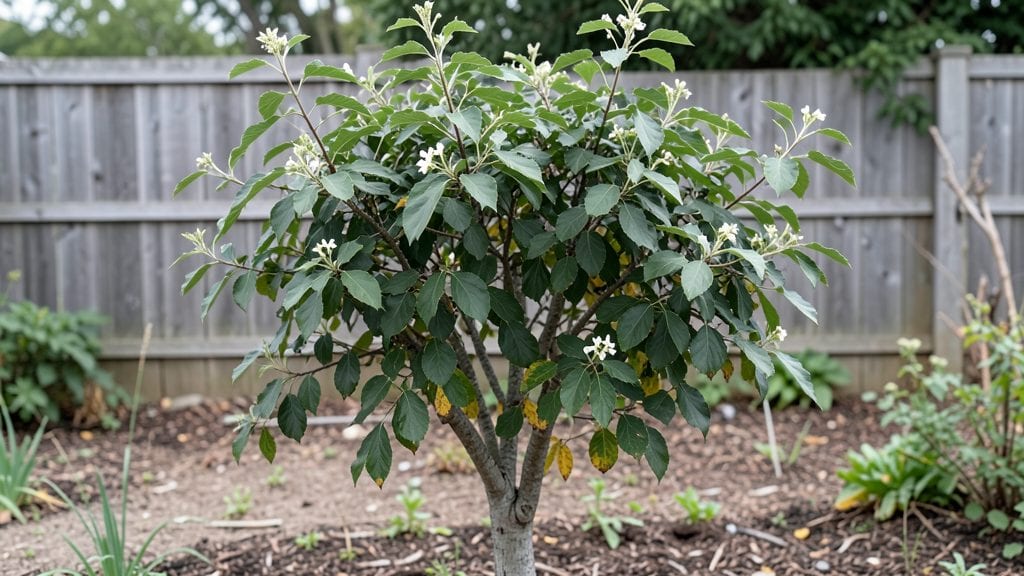
Houston’s scorching summers and occasional freezes make growing a cherry tree a real test of patience—but I’ve cracked the code for keeping them productive through it all. 🌿 The key isn’t just picking the right variety (like the heat-tolerant ‘Stella’ or ‘Bing’); it’s pruning before the frost hits and shaping the tree to handle humidity without rotting.
My first attempt nearly died from overwatering in August, but after three seasons of trial and error, I’ve got a system that delivers fruit from spring through fall.
You’ll need sharp pruning shears, a ladder, and a clear plan for when to cut—spring and late winter are your best windows, but Houston’s unpredictable weather means flexibility.
The goal is to open up the canopy for airflow (so those fruits don’t rot) while keeping the structure strong enough to support heavy harvests.
I prune mine in stages: first to remove dead wood, then to shape the branches, and finally to thin out crowded spots where pests love to hide.
What you’ll end up with is a tree that bears fruit even when others in the neighborhood give up. The cherries stay firmer longer, the branches don’t snap under the weight, and you avoid the fungal issues that plague so many Houston gardens.
Plus, the shade becomes a cool retreat during those 100-degree afternoons—something my neighbors envy when they’re stuck inside with their AC running full blast.
This method works for both sweet and tart varieties, whether you’re planting from a bare root or a container-grown tree. The only real challenge is timing those prunes right—too early and you risk frost damage, too late and you lose next year’s crop.
But once you get the rhythm, it’s foolproof. Let’s get those branches in shape for a harvest that’ll make your whole block jealous.
📚 In This Guide
- What you need
- Instructions
- Tips and common mistakes
- Wrapping up and next steps
What you need
- ● Pruning shears: Bypass pruners (sharp, 6-8" blades) for small branches.
- ● Loppers: 18-24" long, for medium branches (1-2" diameter).
- ● Pruning saw: Curved-tooth saw for thick branches (2"+ diameter).
- ● Disinfectant: 70% isopropyl alcohol or bleach solution (1 part bleach to 9 parts water) to sterilize tools between cuts.
- ● Gloves: Heavy-duty, cut-resistant gloves (e.g., Mechanix or leather).
- ● Safety glasses: ANSI-rated for eye protection.
- ● Ladder or step stool: Sturdy, 12-16 ft tall (for mature trees).
- ● Heavy-duty trash bags: 30-gallon size for debris cleanup (2-3 bags).
- ○ Marking twine or tape: For tagging branches to prune (optional but helpful).
- ● Pruning sealant: Tree wound dressing (e.g., Tanglefoot) for large cuts (controversial but some swear by it!).
- ● Extension pole saw: For high branches (20-30 ft reach).
- ● Workshop vacuum: For quick debris removal (if you’re lazy like us!).
- ● Camera or phone: To document your tree’s structure before/after pruning.
- ● Frost cloth or row covers: Lightweight fabric (if pruning in late winter/early spring and frost is forecasted).
- ● Check Houston’s frost dates (typically Nov–Feb) and prune after the last frost for dormancy-pruning.
- ● Confirm your cherry tree’s variety (e.g., Stella® or Sweetheart®)—some are more frost-tolerant than others!
- ● Ensure your tree is healthy: No signs of disease (e.g., cankers, fungal spots) before pruning.
- ● Water the tree 24 hours before pruning to reduce stress.
How to prune a cherry tree in Houston’s climate
Houston’s warm winters and hot summers demand a pruning approach that balances frost resistance with fruit production.
✂️ Step 1: Prune in Late Winter Before Bud Break
Schedule your first pruning session in late February or early March, just as the last frost warnings lift. This timing ensures you remove dead wood while avoiding early spring growth that could be damaged by unexpected cold snaps. I always check the National Weather Service forecast for Houston’s 32°F thresholds—waiting until after the last predicted frost date is critical.
Start by removing any branches that died over winter. These will be brittle and snap easily when bent. Next, cut out any crossing branches or those growing inward toward the center of the tree. Use sharp, clean pruning shears to make cuts at a 45-degree angle just outside the branch collar—the swollen area where the branch meets the trunk. This prevents water from pooling and rotting the wound.
☀️ Step 2: Thin the Canopy for Better Airflow
Houston’s humidity creates ideal conditions for fungal diseases like brown rot, so proper airflow is your first defense. Step back and look at your tree’s canopy—aim to remove 20-30% of the smallest branches to improve light penetration and air circulation. Focus on branches that are rubbing against each other or growing straight upward, as these compete for sunlight and create dense, disease-prone clusters.
Make your cuts just above an outward-facing bud or lateral branch. This encourages new growth to spread outward rather than crowding the center. If you’re unsure which way a bud will grow, look for the slight bump on the underside of the branch—this is where the bud will push through. Avoid cutting into the branch collar, as this can invite infection.
🌿 Step 3: Shape the Tree for Frost Resistance
Houston’s occasional late frosts can devastate tender new growth, so shaping your cherry tree to promote a strong, open structure is key. Remove any suckers—those vigorous shoots growing from the base or along the trunk—and any water sprouts, which are fast-growing, vertical shoots that steal energy from fruit production. These should be cut back to the point where they emerge from the trunk or branch.
For established trees, focus on maintaining an open-center form with a dominant central leader. If your tree has multiple leaders, select the strongest one and prune the others back to a lateral branch. This prevents weak, competing growth that’s more vulnerable to frost damage. After pruning, step back again to ensure light can reach the inner branches—this is where most of your fruit will develop.
⏰ Step 4: Summer Pruning to Control Growth
In June or July, after the tree has finished flowering but before the heat of August, do a light pruning to remove any dead, diseased, or crossing branches that may have appeared during the growing season. This is also the time to trim any branches that grew too vigorously after your winter pruning—cut them back by about one-third to maintain balance and prevent overcrowding.
Watch for signs of stress, like yellowing leaves or stunted growth, which can indicate over-pruning. Houston’s summer heat can push cherry trees to grow rapidly, so resist the urge to prune too aggressively. Instead, focus on removing only what’s necessary to keep the tree healthy and productive. After pruning, water deeply to help the tree recover and encourage new root growth.
✂️ Step 5: Clean Up and Protect for Winter
Once all pruning is complete, rake up and dispose of any fallen leaves, twigs, or debris from under the tree. This removes hiding spots for pests and reduces the risk of fungal diseases over winter. If you notice any signs of disease, like blackened fruit or oozing cankers, clean your pruning tools with a 10% bleach solution (1 part bleach to 9 parts water) to prevent spreading pathogens to healthy branches.
Apply a 2-3 inch layer of mulch around the base of the tree, keeping it 3-4 inches away from the trunk to prevent rot. This helps regulate soil temperature and retain moisture, which is especially important during Houston’s hot summers and mild winters. Avoid heavy mulching in late fall, as it can trap too much moisture and encourage root rot.
Tips & tricks for perfect cherry tree pruning in Houston
Houston’s unique climate makes pruning your cherry tree a game-changer for frost resistance and fruit production.
Timing is Everything: The late February to early March window in Step 1 is non-negotiable for Houston. I learned this the hard way after pruning too early and seeing new growth get nipped by late frosts. Set a reminder when the National Weather Service lifts the 32°F frost warnings—this is your cue to start. For extra insurance, check the 10-day forecast for any lingering cold snaps that might sneak in.
Branch Collar Technique: When making cuts in Step 1 and Step 2, focus on the branch collar—the swollen area where the branch meets the trunk. This is your visual guide for proper pruning technique. Cutting just outside this collar prevents water from pooling and rotting the wound. If you're unsure where the collar is, look for the slight ridge where the branch meets the trunk—this is your target spot for clean, precise cuts.
Canopy Thinning Strategy: In Step 2, when you're aiming to remove 20-30% of the smallest branches, think of your tree's canopy like an open umbrella. You want sunlight and air to flow freely through the center. Look for branches that are growing straight up or rubbing against others—these are your priority targets. After pruning, step back and visualize light penetrating to the inner branches where most of your fruit will develop.
Summer Pruning Insight: The June-July timing in Step 4 is all about balance. Houston's summer heat can push cherry trees to grow aggressively, so resist the urge to remove too much. Focus on trimming only what's necessary—dead branches, diseased wood, or those that grew too vigorously after winter. After pruning, give your tree a deep watering to help it recover from the stress of summer heat and maintain its energy for fruit production.
Pro Tips for Cherry Tree Houston
- Houston’s unique climate makes pruning your cherry tree a game-changer for frost resistance and fruit production.
- Timing is Everything: The late February to early March window in Step 1 is non-negotiable for Houston.
- Branch Collar Technique: When making cuts in Step 1 and Step 2, focus on the branch collar—the swollen area where the branch meets the trunk.
Frequently asked questions
Got questions about growing and pruning cherry trees in Houston’s unique climate?
Here are answers to the most common concerns—plus pro tips to keep your tree thriving year-round!
What’s the best time to prune cherry trees in Houston to avoid frost damage?
Prune late winter to early spring (February–March) when the tree is dormant but before buds swell. Houston’s unpredictable frost (especially in January–February) means avoiding pruning too early—wait until the threat of hard freezes (<32°F) has passed. For late-blooming varieties, a light pruning in summer (after harvest) can improve airflow.
How do I protect my cherry tree from Houston’s late frosts?
Use frost cloths or row covers on young trees during critical bloom stages (check Houston Garden Trades for frost alerts). For established trees, deep watering before cold snaps and mulching the base (3–4 inches of wood chips) insulates roots. Avoid overhead watering at night—it can freeze buds!
Can I prune a cherry tree in Houston during summer for better fruit production?
Yes, but lightly! Summer pruning (June–July) removes water sprouts and shapes the tree without stressing it. Focus on thinning out crowded branches (never cut more than 25% of the canopy). Avoid heavy pruning—it can trigger silver leaf disease in hot, humid Houston summers. Always sterilize tools with 70% isopropyl alcohol.
Are there frost-resistant cherry tree varieties that thrive in Houston?
Look for late-blooming sweet cherries like ‘Stella’ or ‘Lapins’ (dwarf varieties), or sour cherries like ‘Montmorency’, which tolerate brief freezes. For urban spaces, columnar cherries (e.g., ‘Compact Stella’) save space and fruit early. Plant in well-draining soil with full sun (6+ hours daily) to boost resilience.
Why are my cherry tree leaves curling or dropping in Houston’s heat?
Curling/dropping leaves often signal heat stress, pests (like spider mites), or fungal issues (e.g., powdery mildew). Water deeply 2–3x/week (1–1.5 inches) and mulch to retain moisture. For pests, spray neem oil (mix 1 tbsp/gal water). If leaves are yellow and crispy, it’s likely salt buildup—flush soil with water. Prune affected branches to improve airflow.
Pro Tip: Houston’s humidity + cherry trees = disease risk!
Prevent issues by:
- Space trees 15–20 ft apart for airflow.
- Apply copper fungicide in spring (prevents leaf spot).
- Pick up fallen fruit to stop fungal spread.
Wrapping up and next steps
Growing a thriving cherry tree in Houston is absolutely doable—even with the city’s unpredictable frost! By mastering frost-resistant pruning and staying proactive with seasonal care, you’ll enjoy a bountiful harvest year after year. 🌿✨ Your efforts will not only protect your tree but also encourage stronger growth and sweeter fruit.
Ready to take the next step? Start by scheduling your first pruning session in late winter or early spring—just before new growth begins. Keep an eye on your tree’s health, and don’t hesitate to consult local gardening groups or Houston’s AgriLife Extension for tailored advice.
Your cherry tree will thank you with delicious rewards for seasons to come!