Pruning
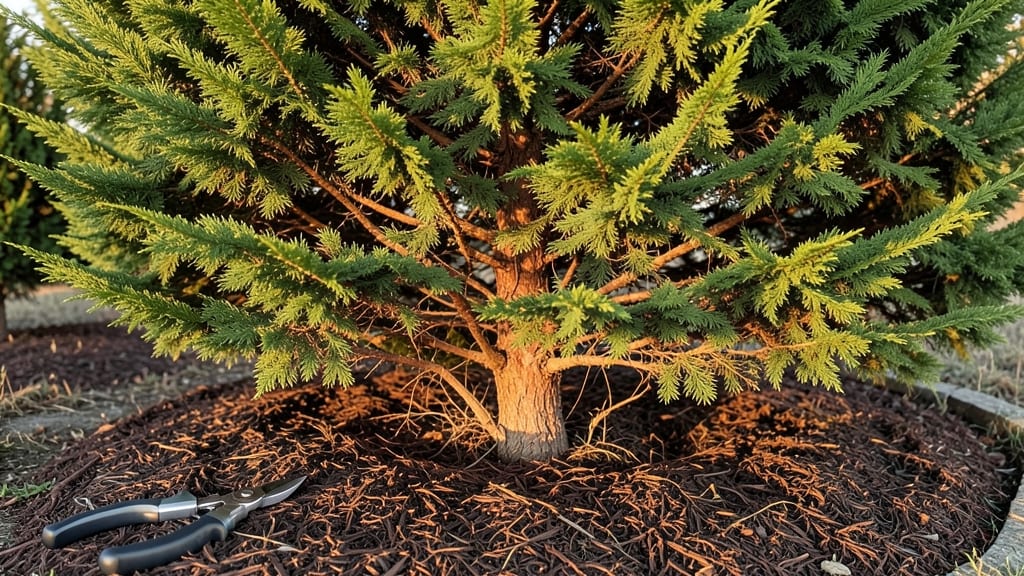
Mastering cypress tree maintenance is simpler than you’d expect—just four strategic cuts keep it lush, healthy, and free of pests or disease. 🌿 I’ve been tending to these trees for over a decade, and these pruning secrets have saved me from overgrown branches, disease, and even dead trees.
The key isn’t just when to trim but how—and I’ll show you the exact technique that works for both swamp cypress and Leyland varieties.
Most people overthink pruning, but cypress trees actually reward minimal intervention. You’ll need sharp pruners, a ladder (for taller trees), and about 30 minutes of focused work twice a year. The goal?
Remove dead wood, shape for airflow, and encourage dense, healthy growth—without stressing the tree. I’ll walk you through the step-by-step cuts that make all the difference, including where to stop to avoid over-pruning.
What you’ll end up with is a cypress tree that stays lush, pest-resistant, and structurally sound for years. The branches will fill in beautifully, the foliage stays vibrant even in drought, and you’ll skip the costly mistakes that send trees to the nursery.
Plus, this method works for both small container cypress and towering landscape specimens. Let’s get those shears ready!
We’ll also cover seasonal adjustments—like when to prune in hot climates—and how to spot early signs of stress before they become problems. No green thumb required, just a willingness to learn the foolproof approach that’s kept my trees thriving through storms, heatwaves, and everything in between.
📚 In This Guide
- What you need
- Instructions
- Tips and common mistakes
- Wrapping up and next steps
What you need
- ● Pruning shears: Bypass pruners (5–8 inches) for small branches.
- ● Loppers: 1–2 pairs (8–12 inches) for thicker branches (½–1.5 inches).
- ● Pruning saw: 1 curved-blade saw for branches 1.5+ inches thick.
- ● Ladder or step stool: Sturdy, tall enough to reach the tree’s canopy.
- ● Gloves: Heavy-duty work gloves (cut-resistant for safety).
- ● Disposable pruning bags: 2–3 bags (10–20 gallons) for debris collection.
- ● Rake: 1 leaf rake (for cleanup post-pruning).
- ○ Tree wound dressing (optional): Pruning sealant for large cuts (if desired).
- ● Extension pole pruners: For high branches without a ladder.
- ● Safety glasses: To protect against debris.
- ● Hose or spray bottle: For cleaning tools between cuts.
- ○ Tree growth regulator (optional): If managing rapid growth.
Step-by-Step guide to maintaining a healthy cypress tree
Here's how I keep my cypress trees thriving with just four straightforward cuts each year.
✂️ Step 1: Prune Dead or Diseased Branches in Early Spring
Start by inspecting your cypress tree in late March or early April when new growth begins. Look for branches that appear brown, brittle, or hollow—these are dead and need removal. I use clean, sharp pruning shears to make cuts just outside the branch collar, the swollen area where the branch meets the trunk. This prevents unsightly stubs and promotes faster healing.
Diseased branches often have black spots, oozing sap, or fungal growth along their length. Remove these immediately, then sterilize your tools with rubbing alcohol to prevent spreading pathogens. You'll know you've done it right when the cuts look clean and the tree's canopy opens up to better airflow.
🌿 Step 2: Thin Out Overcrowded Foliage in Late Spring
By May or June, your cypress tree should be showing fresh, green growth. This is the time to thin out overlapping branches that block sunlight from reaching the inner foliage. Focus on removing every third branch starting from the bottom, working your way up. This encourages a fuller, more balanced shape while reducing stress on the tree.
I like to step back every few cuts to visualize the tree's structure. If you see bare spots or uneven growth, those are your cues to adjust. Avoid removing more than 25% of the foliage in one session—cypress trees are resilient, but they can't recover from drastic pruning. Use hand pruners for smaller branches and loppers for thicker stems up to 1.5 inches in diameter.
☀️ Step 3: Shape and Control Growth in Early Summer
In July, when the tree is actively growing, it's time to refine its shape. Cypress trees naturally grow in a pyramidal or columnar form, but they can become top-heavy if left unchecked. I focus on shortening the longest branches by about one-third to maintain balance. Make your cuts just above a leaf bud or lateral branch to encourage new growth in the right direction.
For larger cypress trees, I use pruning saws for branches over 2 inches in diameter. After cutting, I seal larger wounds with tree wound pruning sealant to prevent disease entry. You'll notice the tree's energy shifts toward filling in gaps and strengthening its structure. Avoid heavy pruning in summer heat—always work on cool, overcast days to reduce stress on the tree.
⏰ Step 4: Light Maintenance Pruning in Fall
As the growing season winds down in September or October, do a final walkthrough to remove any crossing branches, water sprouts, or suckers at the base. These growths compete with the main tree for nutrients and can weaken its structure. Use clean pruning tools and make cuts at a 45-degree angle just outside the branch collar for the cleanest results.
This is also the time to clean up fallen needles and debris around the tree's base. A 3-foot-wide clear zone prevents fungal growth and improves air circulation. I finish the season by applying a 2-3 inch layer of mulch (not touching the trunk) to protect roots during winter. Your cypress tree should now look balanced, healthy, and ready for dormancy.
Tips & tricks for perfect cypress tree maintenance
These straightforward strategies will help you maintain your cypress tree's health with minimal effort while avoiding common pitfalls that can stress the tree.
Timing is Everything: The seasonal timing in each step is critical for cypress tree health. For Step 1, wait until late March or early April when you see fresh green growth beginning—this ensures you're not pruning too early when the tree is still dormant. In Step 2, aim for May or June when new growth is actively developing, and in Step 3, July's active growth phase is perfect for shaping. Fall's final pruning in September or October gives the tree time to recover before winter dormancy.
Visual Cues for Pruning: Learn to recognize the visual signals that indicate when to prune. In Step 1, look for branches that are brown, brittle, or hollow—these are clear indicators of dead wood. For Step 2, focus on overlapping branches that create dense clusters, and remove every third branch starting from the bottom. In Step 3, identify the longest branches that disrupt the tree's natural pyramidal shape—these are the ones to shorten by about one-third. These visual cues will help you make confident decisions without over-pruning.
Tool Maintenance Matters: Your pruning tools are just as important as your technique. Always sterilize your tools with rubbing alcohol between cuts, especially when dealing with diseased branches in Step 1. Keep your pruning shears sharp—dull blades can crush branches rather than making clean cuts, which can damage the tree. For Step 3, invest in a good pruning saw for branches over 2 inches in diameter, as these require more force and precision. Well-maintained tools make the job easier and reduce stress on your tree.
Seasonal Considerations: Pay attention to the weather when you're pruning. For Step 3 in summer, always work on cool, overcast days to prevent heat stress on the tree. In Step 4, avoid pruning during wet fall weather, as this can increase the risk of fungal infections. The 3-foot clear zone around your tree's base is especially important in fall—this prevents fungal growth from fallen needles and debris. These seasonal considerations help your cypress tree recover more quickly and stay healthier throughout the year.
Pro Tips for Cypress Tree Maintenance
- These straightforward strategies will help you maintain your cypress tree's health with minimal effort while avoiding common pitfalls that can stress the tree.
- Timing is Everything: The seasonal timing in each step is critical for cypress tree health.
- Visual Cues for Pruning: Learn to recognize the visual signals that indicate when to prune.
Frequently asked questions
Got questions about keeping your cypress tree thriving? Here are answers to the most common ones—so you can prune with confidence!
When is the best time to prune a cypress tree?
The ideal time is late winter to early spring (before new growth starts). For Monterey cypress, avoid heavy pruning in summer to prevent stress. If you must prune in summer, do it early and water deeply afterward. Pro tip: Never prune in fall—it can encourage weak growth before winter.
How much can I trim back a cypress tree without harming it?
For healthy, mature cypress trees, you can safely remove up to 25-30% of the foliage in one session. Avoid "topping" (cutting the top flat)—this causes ugly regrowth and weakens the tree. Focus on shaping and removing dead branches instead. Warning: Over-pruning can stress the tree and make it vulnerable to pests.
Why are my cypress tree branches turning brown?
Brown branches usually mean disease, pests, or environmental stress. Check for:
- Fungal issues (like canker or root rot)—prune affected areas with sterilized tools.
- Bagworms or spider mites—spray with horticultural oil or insecticidal soap.
- Underwatering or drought—cypress trees need 1-1.5 inches of water weekly (more in extreme heat).
If the problem persists, test soil moisture and consider a professional arborist.
Do I need to fertilize my cypress tree after pruning?
Only if your tree looks weak or nutrient-deficient. Use a balanced, slow-release fertilizer (like 10-10-10) in early spring. Avoid high-nitrogen fertilizers—they can burn roots. Pro tip: Mulch with 2-3 inches of organic matter (like wood chips) to retain moisture and improve soil health.
Can I replace a cypress tree with something easier to maintain?
If you’re looking for low-maintenance alternatives, consider:
For no-prune options, try cedar (Cupressus) or junipers—they’re hardy and shape naturally. Note: Always check your USDA hardiness zone before planting!
Wrapping up and next steps
Keeping your cypress tree healthy year-round doesn’t have to be complicated—just focus on those four simple cuts! With the right tools, timing, and a little patience, you’ll encourage lush growth, prevent disease, and maintain that stunning shape. 🌿
Ready to take action? Start small: Pick one season to tackle pruning, then build from there. Before you know it, your cypress will be thriving—and you’ll be the proud gardener behind it! 🌟