
Trees
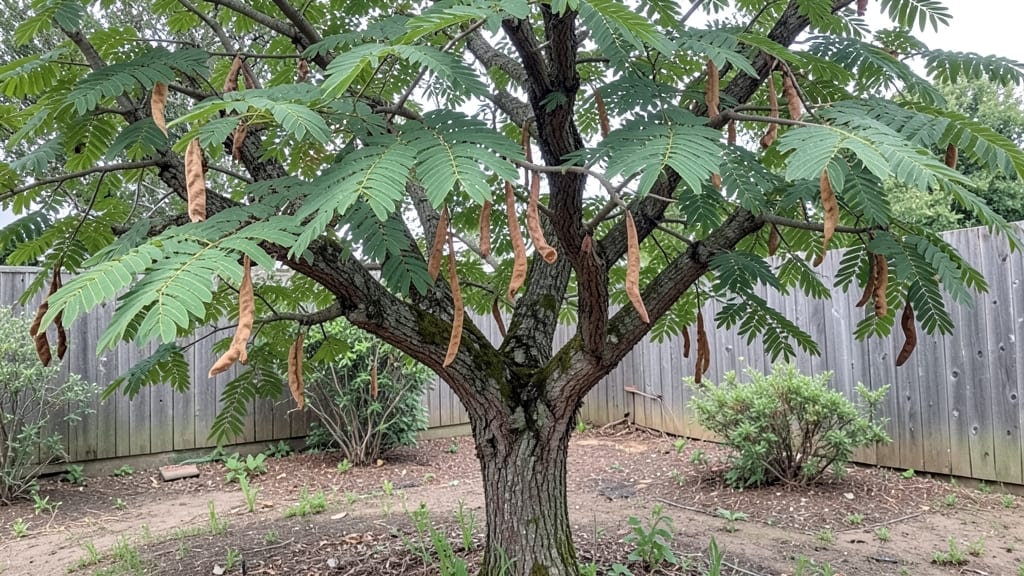
Growing locust trees in the Pacific Northwest’s chilly climate is easier than you think—these hardy trees thrive where others fail. 🌱 I’ve planted black locusts in my own yard, and they’ve handled frost, wind, and even drought like champs.
The key is choosing the right variety and giving them the right start.
You’ll need well-draining soil (they hate soggy roots), full sun for at least six hours daily, and plenty of space—black locusts grow 20-30 feet tall while honey locusts stay more compact.
Plant in early spring or fall, and water deeply for the first year to help roots establish. Prune in late winter to shape them before new growth starts.
Once established, these trees need minimal care—just occasional watering during dry spells and an annual feeding of compost or balanced fertilizer. They’re tough against pests and diseases, though watch for locust borers or leaf spots.
With the right spot, they’ll reward you with fragrant spring blooms and dense shade for decades.
Perfect for property lines, windbreaks, or as a standout specimen tree. Whether you’re a beginner or a seasoned gardener, locusts are a foolproof choice for resilient, low-maintenance growth in our region’s climate.
📚 In This Guide
- What you need
- Instructions
- Tips and common mistakes
- Wrapping up and next steps
What you need
- ● Locust tree seeds or saplings: Black locust (Robinia pseudoacacia) seeds (10–20) or 1–2 young saplings (3–5 ft tall)
- ● Pro tip: 🌱 Seedlings are easier for beginners—saplings establish faster in cooler climates!
- ● Well-draining soil mix: 50% native soil (sandy loam preferred)
- ● 30% compost or aged manure
- ● 20% perlite or coarse sand (for drainage)
- ● Planting site: Full sun (6+ hours/day)
- ● Sheltered from strong winds (e.g., near a fence or building)
- ● Space: 20–30 ft apart (for mature trees)
- ● Tools: Shovel or trowel (for digging)
- ● Garden gloves (to protect hands)
- ● Watering can or hose (with adjustable nozzle)
- ● Mulch (2–3 inches of wood chips or straw)
- ● Soil amendments: Lime (to adjust pH if soil is acidic)
- ● Slow-release fertilizer (10-10-10 ratio, 1 lb per tree)
- ● Protective barriers: Tree guards (to deter animals)
- ● Frost cloth (for young seedlings in late spring)
- ● Monitoring tools: Soil moisture meter (to track water needs)
- ● Pruning shears (for shaping as it grows)
Step-by-step instructions for planting frost-resistant locust trees
Here’s how to establish hardy locust trees in the Pacific Northwest’s unpredictable climate.
🌱 Step 1: Choose the Right Variety for Your Zone
Black locust (Robinia pseudoacacia) and honey locust (Gleditsia triacanthos) are your best bets for the PNW’s USDA Zones 5-8. Black locust thrives in drier sites, while honey locust handles wetter soils better. I always check the tree’s mature height—30-50 feet—to ensure it fits my space before planting.
Young trees labeled “frost-hardy” or “cold-resistant” are key. Avoid nursery stock with soft new growth—those won’t survive our late spring frosts. Look for 2-3 year old trees with sturdy trunks and no visible pest damage. This ensures they’ve already built root systems strong enough to handle our winters.
🪴 Step 2: Select and Prepare the Planting Site
Locust trees demand full sun—at least 6-8 hours daily—so pick a spot with no shade from larger trees or buildings. The soil should drain well, but they tolerate a range of textures from sandy to clay as long as water doesn’t pool. I dig a hole twice as wide as the root ball but only as deep—planting too deep suffocates roots.
Loosen the soil at the bottom of the hole with a shovel to encourage root spread. Amend heavy clay with 2-3 inches of compost mixed into the native soil, but resist the urge to add fertilizer at planting—you’ll shock the roots. The goal is to mimic natural conditions, not create a nutrient bomb.
☀️ Step 3: Plant at the Right Time and Depth
Spring is ideal—plant 4-6 weeks before your last frost date so roots establish before summer heat. Remove the tree from its container and gently tease apart any circling roots with your fingers. Place it in the hole so the top of the root ball sits 1-2 inches above ground level—settling will occur over time.
Backfill with the native soil (not amended mix) while holding the tree straight. Water deeply as you fill to eliminate air pockets, then tamp down lightly with your foot. A 1-2 inch layer of mulch (wood chips or straw) keeps roots cool in summer and insulated in winter—just keep it 6 inches away from the trunk to prevent rot.
💧 Step 4: Water Deeply and Establish a Routine
Water once a week for the first month, then taper to every 10-14 days once leaves appear. You’ll know you’re doing it right when the soil around the edges of the root zone stays moist but not soggy. Locust trees are drought-tolerant once established, but young trees need consistent moisture to develop strong roots.
I set a drip irrigation line at the tree’s drip line (the edge of its canopy) to deliver water slowly. This mimics natural rainfall and prevents surface evaporation. Avoid overhead watering—it encourages fungal diseases like powdery mildew, which PNW summers can trigger.
✂️ Step 5: Prune for Structure and Frost Protection
Wait until late winter (just before buds swell) to prune. Remove any dead, crossing, or weak branches first—these are entry points for pests. Then shape the tree by cutting back 1/3 of the previous year’s growth to encourage bushier growth. Locust trees resprout vigorously, so don’t worry about heavy pruning.
In your first winter, wrap the trunk with tree guard if rabbits or deer are a problem. Locust bark is tough, but young trees are vulnerable. I also add a 3-inch layer of mulch around the base in late fall to insulate roots—just rake it away from the trunk to prevent moisture buildup.
Tips & tricks for perfect locust tree planting in the Pacific Northwest
Planting locust trees successfully in the PNW takes more than just digging a hole—these are the secrets that'll help your trees thrive for decades.
Variety Selection Matters: Black locusts handle our dry summers better, while honey locusts tolerate wetter soils. I always check the tree's mature height (30-50 feet) against my space—trust me, you don't want to discover a 40-foot tree doesn't fit your yard after planting! For extra cold protection in Zones 5-6, look for trees labeled "cold-hardy" or "frost-resistant" on the tag.
Root System Prep: When you remove your 2-3 year old tree from its container, gently tease apart any circling roots with your fingers. These roots can strangle the tree if left intact. I use a small hand fork to loosen the root ball if it's particularly compacted—this encourages outward root growth once planted.
Soil Prep Secret: While you should use native soil for backfilling, don't skip loosening the bottom of your planting hole with a shovel. This creates space for roots to spread rather than growing in a tight circle. For heavy clay soils, work in 2-3 inches of compost only at the bottom of the hole—this prevents root shock from sudden nutrient changes.
Winter Protection Strategy: In your first winter, that 3-inch layer of mulch around the base is your best friend. Rake it away from the trunk to prevent moisture buildup, but keep it thick enough to insulate roots. I also wrap young trunks with tree guard if deer or rabbits are a threat—locust bark is tough, but young trees are vulnerable to gnawing.
Pro Tips for Locust Trees
- Planting locust trees successfully in the PNW takes more than just digging a hole—these are the secrets that'll help your trees thrive for decades.
- Variety Selection Matters: Black locusts handle our dry summers better, while honey locusts tolerate wetter soils.
- Root System Prep: When you remove your 2-3 year old tree from its container, gently tease apart any circling roots with your fingers.
Frequently asked questions
Got questions about growing locust trees in the Pacific Northwest?
Here are some of the most common concerns—and answers—to help you get started with confidence! Whether you're wondering about timing, care, or troubleshooting, we’ve got you covered.
When is the best time to plant locust trees in the PNW?
The ideal window is early spring (March–April) or early fall (September–October). Planting in spring lets roots establish before summer heat, while fall planting avoids winter dormancy stress. Avoid planting in extreme heat or frost—locusts are frost-resistant but need time to adjust!
How cold can locust trees tolerate in the Pacific Northwest?
Most locust varieties (like black locust or honey locust) handle temperatures down to -20°F to -30°F once established. Young saplings may need winter mulch for extra protection. In coastal PNW areas with milder winters, they thrive even better—just ensure good drainage to prevent root rot.
Are locust trees invasive in the Pacific Northwest?
Native black locust (Robinia pseudoacacia) can spread aggressively via seeds and suckers, earning it a spot on some invasive species lists. Honey locust (Gleditsia triacanthos) is less invasive but still fast-growing. If containment is a concern, opt for sterile cultivars or plant in controlled spaces with root barriers.
How fast do locust trees grow, and how big do they get?
Locusts are fast growers—expect 2–3 feet per year! Mature black locusts reach 50–75 feet tall with a 30–50-foot spread, while honey locusts max out at 40–60 feet tall
Locusts are generally pest-resistant, but watch for spider mites (dry conditions) or borers (stressed trees). Keep trees healthy with regular watering and mulch, and prune for airflow. If pests appear, use neem oil or insecticidal soap—avoid harsh chemicals near edible gardens or water sources. If locusts aren’t your style, consider these frost-resistant PNW-friendly trees:
Do locust trees attract pests, and how do I prevent issues?
What are good alternatives to locust trees for the PNW?
Wrapping up and next steps
Growing locust trees in the Pacific Northwest is a rewarding journey that blends resilience with beauty—perfect for gardeners who love hardy, frost-resistant plants! 🌳 Whether you're drawn to their striking foliage, fast growth, or ecological benefits, these trees offer low-maintenance charm and year-round interest.
With the right location, soil prep, and a little patience, you’ll soon enjoy their golden blooms and nutty pods as a standout feature in your landscape.
Ready to take the next step? Start by selecting your preferred variety (black, honey, or European locust) and mark your planting spot—then dig in! For extra confidence, consider consulting local nurseries or extension services to tailor your approach to your microclimate. Happy planting—your future locust tree is waiting! 🌱