
Pruning
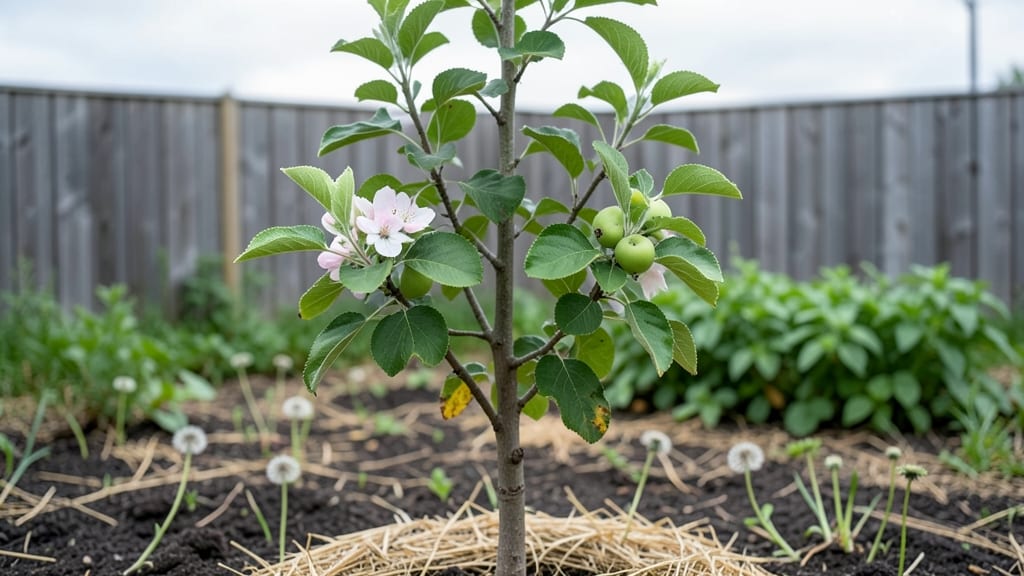
Growing a little apple tree in the Pacific Northwest means you’ll have crisp, homegrown fruit even when winter freezes the ground. 🍏 The key isn’t just picking the right dwarf variety—it’s knowing when to prune to survive our chilly winters and still thrive come spring.
I’ve learned the hard way that skipping the late-winter trim leads to weak branches that snap under snow, but doing it right guarantees a tree that produces for decades.
Start with a dwarf apple tree like ‘Liberty’ or ‘Enterprise’—both handle frost better than most and stay small enough for containers if space is tight. You’ll need well-draining soil, 6+ hours of sunlight daily, and a spot sheltered from harsh winds.
The pruning calendar is simple: 3 cuts in late winter (before buds swell), then light shaping in summer after harvest. No fancy tools—just sharp pruners and a clear head for removing dead wood.
By summer, you’ll see vibrant green leaves and tiny blossoms that turn into fruit by fall. The tree stays compact, making it perfect for backyards or even large pots. Even in our damp climate, these varieties resist common diseases like apple scab when cared for properly.
The real magic? Your first harvest in 3-4 years—and every year after, with minimal effort.
Works for urban gardens, rural homesteads, or even patio containers. The only trick is sticking to the pruning schedule—skip it, and you’ll regret it come winter. Let’s get that tree growing strong!
📚 In This Guide
- What you need
- Instructions
- Tips and common mistakes
- Wrapping up and next steps
What you need
- ● Apple tree sapling: Choose a frost-resistant variety like 'Granny Smith,' 'Fuji,' or 'Honeycrisp' (bare-root or potted, 1-3 years old).
- ● Well-draining soil: 50 lbs of a mix of topsoil, compost, and perlite (ratio: 60% soil, 30% compost, 10% perlite).
- ● Fertilizer: 1 lb of balanced organic fertilizer (10-10-10 NPK) or slow-release granules.
- ● Mulch: 3-5 cubic feet of wood chips or straw (avoid fresh sawdust).
- ● Watering can or hose: With a gentle spray nozzle (5-gallon capacity recommended).
- ● Pruning tools: 1 pair of bypass pruners (for small branches).
- ● 1 pair of loppers (for thicker branches, 1.5–2.5 inches in diameter).
- ● 1 pruning saw (for stubborn branches).
- ● Tree support: 1 tree stake (5–6 feet tall) and 2–3 soft tree ties (to avoid girdling).
- ● Frost protection: 1 roll of frost cloth (5x7 feet) or 10–15 burlap wraps (for young trees).
- ● Soil tester kit: To check pH (ideal range: 6.0–7.0 for apples).
- ● Tree guard: 1 plastic tree collar (to protect trunk from rodents).
- ● Drip irrigation system: For consistent moisture (especially in drought-prone areas).
- ● Pollination aids: A small brush or bee-friendly flowers nearby (if growing a non-self-pollinating variety).
- ● Organic pest control: Neem oil or horticultural oil spray (for aphids or mites).
Step-by-step guide to pruning your little apple tree in the Pacific Northwest
Here's how to keep your young apple tree thriving through our region's unique frost cycles.
🌱 Step 1: Understand the Pacific Northwest Pruning Window
In our climate, we prune apple trees in three key periods: late winter (just before buds swell), early summer (after harvest), and light touch-ups after frost events. The critical first cut happens when temperatures stabilize above 32°F—usually February to early March in most of the PNW. You'll know it's time when you see buds beginning to swell but haven't yet opened.
I always mark my calendar for mid-February as the absolute earliest I'll prune, even if buds look ready. Cold snaps can still hit, and fresh cuts take time to heal. If you prune too early, you risk dieback when late frosts arrive. Wait until you see at least 50% of buds showing color before making your first cuts.
✂️ Step 2: Perform the Late-Winter Structural Pruning
Start by removing dead, diseased, or crossing branches first—these are your priority. Use clean, sharp pruners and make cuts just outside the branch collar (the swollen area where the branch meets the trunk). For branches thicker than your wrist, use loppers or a pruning saw to avoid tearing the bark.
Next, open up the center of the tree by removing upward-growing branches that compete with the main leader. Aim to create an open vase shape with 5-7 main scaffold branches spaced evenly around the trunk. Each scaffold should emerge from a different spot on the trunk, not clustered together. You'll see strong growth when branches form a 45-degree angle from the trunk.
☀️ Step 3: Summer Light Pruning for Frost Hardiness
After your tree flowers but before fruit sets, do a light pruning to improve air circulation. Remove suckers (shoots growing from the base or roots) immediately—they drain energy from your main tree. For branches that grew too vigorously this season, cut back by one-third to encourage bushier growth next year.
Watch for watermark disease (common in PNW apple trees)—it appears as black streaks on branches. If you spot it, prune out infected limbs 6 inches below the visible damage and sterilize your tools with 70% rubbing alcohol. Never leave stubs; they invite rot and pests. After pruning, apply dormant oil spray in late fall to protect against overwintering pests.
⏰ Step 4: Frost Damage Recovery Pruning
If a late frost hits after buds swell but before bloom, wait 2-3 weeks before pruning damaged branches. You'll see blackened or mushy buds and brown, shriveled flower clusters. Cut these back to just above the first healthy bud you find moving upward along the branch.
For branches that lost all their buds, prune back to last year's growth—this encourages new shoots from dormant buds. Never remove more than one-third of the tree's canopy in a single pruning session, even after frost damage. Your tree needs foliage to photosynthesize and rebuild energy stores for next season's fruit.
🌿 Step 5: Annual Maintenance Through the Seasons
After your summer pruning, monitor your tree for fruit spurs (small clusters of leaves with buds that will produce fruit next year). These form on one-year-old wood—never prune them off. In late summer, fertilize with balanced 10-10-10 to support new growth before winter.
As your tree matures, you'll adjust your pruning to maintain its shape. I always step back to check the silhouette from all sides—you want to see light penetrating to the center. In the PNW, our apple trees benefit from less aggressive pruning than southern climates. The goal is strong structure, not maximum fruit this year. Patience pays off with bigger harvests in years three and four.
Tips & tricks for perfect Pacific Northwest apple tree pruning
Here's what I've learned from years of pruning apple trees in our unpredictable PNW climate—these tricks will help you avoid common mistakes and keep your little tree thriving.
Timing is Everything: The 32°F threshold isn't just a number—it's your safety net against late frosts. I've seen trees pruned too early suffer dieback when February freezes hit. Use a weather app to track overnight lows, and don't rush the process. The buds showing 50% color is your real cue, not just the calendar date.
Tool Prep Prevents Problems: I can't stress enough how important clean, sharp tools are. Before you start pruning, wipe down your pruners with rubbing alcohol (the same 70% you'd use for disease prevention). Dull blades tear bark, creating wounds that invite pests and disease. For branches thicker than your wrist, I keep loppers with bypass blades—they make cleaner cuts than anvil pruners.
Branch Angle Matters: When creating your 5-7 scaffold branches in Step 2, aim for that 45-degree angle from the trunk. Branches growing straight up or down create weak attachment points. I test angles by holding my hand at a 45-degree angle from my arm—if it looks natural, that's your target. This angle helps branches bear fruit better and reduces the risk of splitting during heavy harvests.
Disease Prevention Strategy: That 6-inch rule for pruning below watermark disease damage isn't arbitrary—it accounts for how far the fungus can spread underground. I always sterilize my tools between cuts when dealing with infected branches. For extra protection, I apply a thin layer of pruning sealant to larger cuts (over ½ inch thick), though I skip it for small cuts since they heal quickly in our damp climate.
Pro Tips for Little Apple Tree
- Here's what I've learned from years of pruning apple trees in our unpredictable PNW climate—these tricks will help you avoid common mistakes and keep your little tree thriving.
- Timing is Everything: The 32°F threshold isn't just a number—it's your safety net against late frosts.
- Tool Prep Prevents Problems: I can't stress enough how important clean, sharp tools are.
Frequently asked questions
about growing and pruning a little apple tree in the Pacific Northwest—your go-to answers for frost-resilient care!What’s the best time to prune my little apple tree in the PNW?
The ideal time is late winter or early spring (February–March), just before buds swell but before new growth starts. This timing helps avoid frost damage while encouraging strong spring growth. Pro tip: Wait until temperatures stay above freezing for a few days to minimize stress on the tree!
How do I protect my little apple tree from late frosts?
Use frost cloths or row covers on young trees (especially blossoms) when frost warnings appear. For established trees, circulate air with fans or water the soil before frost to release heat. Avoid pruning too late in the season—wait until dormancy to reduce vulnerability.
Can I prune my little apple tree in fall?
Pruning in fall (September–November) is risky in the PNW due to late-season frosts and fungal risks. If you must, do light pruning only to remove dead/diseased wood. Best practice: Save heavy pruning for winter to promote healing before spring growth.
Why aren’t my little apple tree’s branches producing fruit?
Common causes include:
- Over-pruning (too many cuts reduce flowering sites).
- Young age (apple trees often take 2–3 years to bear fruit).
- Poor pollination (plant a second variety nearby if only one tree).
- Nutrient deficiency (test soil and amend with compost or balanced fertilizer).
Check for thinning centers—healthy trees need sunlight and air flow!
Are dwarf apple trees better than standard little apple trees for PNW climates?
Dwarf varieties (like ‘Liberty’ or ‘Enterprise’) are ideal for the PNW because they:
- Mature faster (fruit in 2–3 years vs. 5+ for standards).
- Fit smaller spaces (great for urban gardens).
- Require less pruning for frost resistance.
Tip: Choose columnar or semi-dwarf types for even easier care!
Wrapping up and next steps
Growing your own little apple tree in the Pacific Northwest is a rewarding journey—one that blends patience, care, and a touch of local magic. 🌱 With the right frost-resistant varieties, proper pruning timing, and a little love, you’ll soon enjoy sweet, homegrown apples straight from your backyard.
Remember, every expert gardener started with a single branch!
Ready to take the next step? Start small:
- 📅 Mark your pruning calendar for late winter or early spring.
- 🌿 Observe your tree’s growth and adjust as needed.
- 🍏 Celebrate each harvest—no matter the size!