Pruning
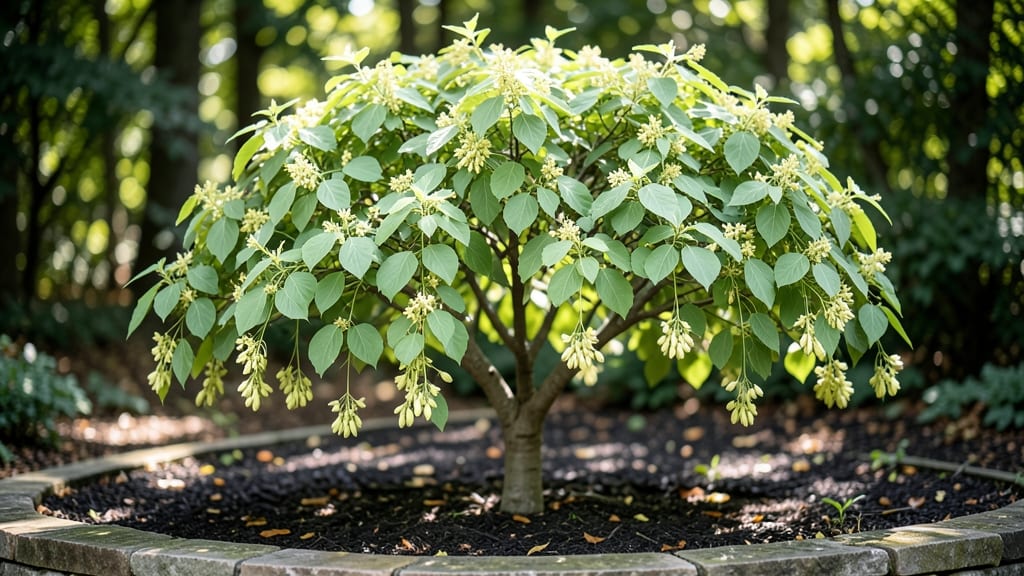
Spring is when your lime tree wakes up from winter dormancy—and precision pruning cuts can mean the difference between a few sad blooms and a burst of fragrant white flowers that attract pollinators by summer. 🌸 I’ve learned the hard way that cutting too late or too aggressively can stunt growth, so timing matters more than you’d think.
The goal isn’t just shaping the tree; it’s setting up next year’s harvest by encouraging strong, healthy branches.
Start pruning in late winter or early spring—just as buds begin to swell—before new growth appears. You’ll need sharp bypass pruners, rubbing alcohol for sterilizing cuts, and a ladder if your tree is taller than six feet.
The key is removing dead, crossing, or diseased branches first, then thinning out crowded areas to improve airflow. Every cut should aim at a bud or branch junction; no stubs, no tears.
What you’ll get from this approach is fuller foliage, more blossoms, and fewer pests creeping in. Lime trees reward precise care with sweet-smelling flowers in spring and a bumper crop of fruit by fall.
The tree will also recover faster from winter stress, putting energy into new growth instead of repairing damage. Just avoid heavy pruning if your tree is young or stressed—it needs its strength for root development.
Spring also means adjusting watering: deep, weekly soakings (about 1-1.5 gallons per year of tree age) keep roots happy without encouraging rot. Watch for aphids or scale on new shoots—spray with neem oil if you spot them early.
With these steps, your lime tree will thrive all season long, setting you up for a bountiful harvest next year.
📚 In This Guide
- What you need
- Instructions
- Tips and common mistakes
- Wrapping up and next steps
What you need
- ● Pruning shears: Bypass pruners (for cuts up to ½ inch thick) – 1 pair (look for sharp, ergonomic handles for comfort).
- ● Loppers: For thicker branches (½ to 1½ inches) – 1 pair (choose bypass or anvil type, but bypass is gentler on the tree).
- ● Pruning saw: For branches over 1½ inches in diameter – 1 saw (curved blade for clean cuts).
- ● Disinfectant: 70% isopropyl alcohol or a 10% bleach solution – small spray bottle or wipe (to sterilize tools between cuts).
- ● Gloves: Heavy-duty work gloves – 1 pair (protects from thorns and sap).
- ● Ladder: Sturdy, extendable ladder – 1 (if your tree is over 6 feet tall; prioritize safety with non-slip steps!).
- ● Tarp or drop cloth: Medium-sized – 1 (to catch debris and protect the ground).
- ● Hand pruners: For small twigs (under ¼ inch) – 1 pair (great for detail work).
- ● Tree wound dressing: Pruning sealant (controversial but useful for large cuts) – small tube (only needed for wounds over ½ inch).
- ● Notebook & pen: – 1 (to sketch a quick map of cuts for reference).
- ● Safety glasses: – 1 pair (if your tree is dense or near power lines).
- ● Compost bin or bag: – 1 (to collect pruned branches for mulch or disposal).
Instructions for revitalizing your lime tree in spring
Spring is the perfect time to breathe new life into your lime tree—here's how to prune with confidence.
🌿 Step 1: Assess the Tree for Healthy Growth
Start by examining your lime tree closely. Look for dead, diseased, or crossing branches—these are your first targets. Healthy branches have smooth, green bark and vibrant leaves, while dead branches snap easily when bent and have no green underneath. I always begin at the top and work my way down, using a sharp pair of pruning shears to make clean cuts.
Watch for any suckers—those are the small, fast-growing shoots sprouting from the base or along the trunk. These compete with your main tree for nutrients, so they'll need to go. If you see any yellowing leaves or pests, note those areas—they might need extra care after pruning.
✂️ Step 2: Remove Dead or Damaged Branches First
Using your sterilized pruning shears, cut just outside the branch collar—the swollen area where the branch meets the trunk. This ensures the tree can heal properly. For larger branches, use loppers or a pruning saw to avoid tearing the bark. Always make cuts at a 45-degree angle to help water run off and prevent rot.
If a branch is too large to cut in one go, make a notch on the underside first, then cut through the top. This prevents the branch from tearing away and damaging the trunk. After removing dead wood, step back and admire your tree—you're already making room for new, healthy growth.
☀️ Step 3: Thin Out the Canopy for Better Airflow
Now focus on thinning the canopy to improve airflow and sunlight penetration. Aim to remove no more than 25% of the tree's foliage in one season—this keeps stress low while still encouraging strong growth. Look for branches that cross or rub against each other; these are prime candidates for removal.
I like to start at the outer edges of the tree and work inward. This opens up the center, allowing sunlight to reach all parts of the tree. If you see water sprouts—those are the tall, skinny shoots growing straight up—cut them off at the base. These saplings drain energy from your tree, so they don’t belong.
🌱 Step 4: Shape the Tree for Balance and Health
Now it’s time to shape your lime tree. Step back and visualize how you want the tree to look—aim for a rounded, open shape that lets sunlight filter through. Use your pruning shears to trim back any branches that are growing too close together or blocking light from reaching the center.
For a more natural look, avoid cutting back to a specific spot on the branch. Instead, make cuts just above a leaf node or bud to encourage new growth in the right direction. If you’re unsure where to cut, follow the branch collar—this is your guide to making clean, healing cuts.
💧 Step 5: Clean Up and Protect the Tree
After pruning, collect all the clippings and dispose of them properly—do not leave them on the ground near the tree. This prevents pests and diseases from taking hold. Sterilize your pruning tools with rubbing alcohol or a 10% bleach solution to kill any lingering bacteria or fungi.
Give your lime tree a deep watering right after pruning to help it recover. Mulch around the base with 2-3 inches of organic mulch, keeping it a few inches away from the trunk to prevent rot. This helps retain moisture and keeps weeds at bay. Your tree is now ready to thrive in the warmer months ahead!
Tips & tricks for revitalizing your lime tree in spring
Here's what nobody tells you about pruning that'll make all the difference for your lime tree's health.
Pruning Tools Matter: Your pruning shears should be sharp enough to make clean cuts without crushing the branch. Dull tools can tear bark and leave jagged edges that invite disease. I've ruined a few cuts with dull shears—trust me, it's worth investing in quality tools. For larger branches, loppers or a pruning saw will give you better control and prevent the bark from splitting.
Timing is Everything: Spring is ideal because your lime tree is just waking up from dormancy. You want to prune after the last frost but before new growth really kicks in—typically between late February and early April, depending on your climate. Early spring pruning gives your tree time to recover before summer's heat. If you're unsure, wait until you see new buds forming.
Visual Cues for Healthy Cuts: When making cuts in Step 2, look for the branch collar—the swollen area where the branch meets the trunk. This is your guide for where to cut. Make your cut just outside this collar at a 45-degree angle. For larger branches, that notch technique is crucial—it prevents the branch from tearing away and damaging the trunk. Think of it as giving your tree a clean surgical cut rather than a rough hack.
Post-Pruning Care: After you've finished pruning, don't just walk away! Give your lime tree that deep watering right away to help it recover from the stress. The 2-3 inches of organic mulch around the base (but not touching the trunk) will work wonders for moisture retention. I've seen trees recover so much better when they get this extra care immediately after pruning—it's like giving them a healing drink after surgery.
Pro Tips for Lime Tree In Spring
- Here's what nobody tells you about pruning that'll make all the difference for your lime tree's health.
- Pruning Tools Matter: Your pruning shears should be sharp enough to make clean cuts without crushing the branch.
- Timing is Everything: Spring is ideal because your lime tree is just waking up from dormancy.
Frequently asked questions
Got questions about nurturing your lime tree in spring? You’re not alone! Here are some of the most common concerns—and their straightforward answers—to help you prune with confidence.
When is the best time to prune a lime tree in spring?
The ideal window is late winter to early spring (just before new growth begins). For most lime trees, this means February to March in temperate climates. Avoid pruning after April, as late cuts can stimulate tender growth vulnerable to frost or pests. Pro tip: Check your local frost dates to time it perfectly!
How do I know if I’m making the right cuts?
Look for 3 key signs of a healthy cut:
- Angle: Cut at a 45-degree angle (sloping downward) to shed water.
- Location: Prune just above a leaf node (the bump where leaves grow) to encourage branching.
- Avoid: Never cut into the trunk or leave stubs—always cut cleanly 1/4 inch above the target node.
What if my lime tree doesn’t have leaves in spring?
Don’t panic! Lime trees are evergreen, so sparse foliage could mean:
- Dormancy: Cold snaps may delay leaf-out. Wait until mid-spring before pruning.
- Over-pruning: If you cut too aggressively last year, new growth may take time. Lighten up this year and focus on watering deeply.
- Pests/disease: Check for scale insects or fungal spots. Isolate the tree and treat with neem oil if needed.
Will pruning reduce my lime harvest this year?
Not if done right! Pruning stimulates growth, but heavy cuts (removing >25% of the canopy) may delay fruit for 1–2 seasons. For a balanced harvest, aim to remove only dead, crossed, or overcrowded branches. Thin out water sprouts (shoot-like growth) to redirect energy to fruit production. Patience pays off—your tree will rebound!
Can I use the same tools on a young lime tree as a mature one?
Yes, but scale matters! For young trees (under 5 years):
- Use bypass pruners (sharp, clean cuts) for branches 1/4 inch thick.
- Skip loppers—opt for hand pruners to avoid crushing tender stems.
- Avoid heavy pruning; focus on shaping and removing only 10–15% of growth.
Bonus Tip: When in doubt, prune less!
Lime trees are resilient, but over-pruning stresses them. If you’re unsure about a cut, wait a week and reassess. Better safe than sorry—your tree’s future fruit depends on it!
Wrapping up and next steps
Spring is the perfect time to breathe new life into your lime tree—and with the right pruning techniques, you can encourage vibrant growth, better fruit production, and a healthier tree for years to come. 🌿 Whether you’re trimming for shape, removing dead branches, or opening up the canopy for sunlight, precision cuts make all the difference.
Now that you’re armed with the how-tos and FAQs, there’s no better moment to grab those shears and get to work!
Ready to transform your lime tree? Start small—even just one session of mindful pruning can set your tree on the path to springtime success. Happy pruning! ✂️🌳