
Pruning
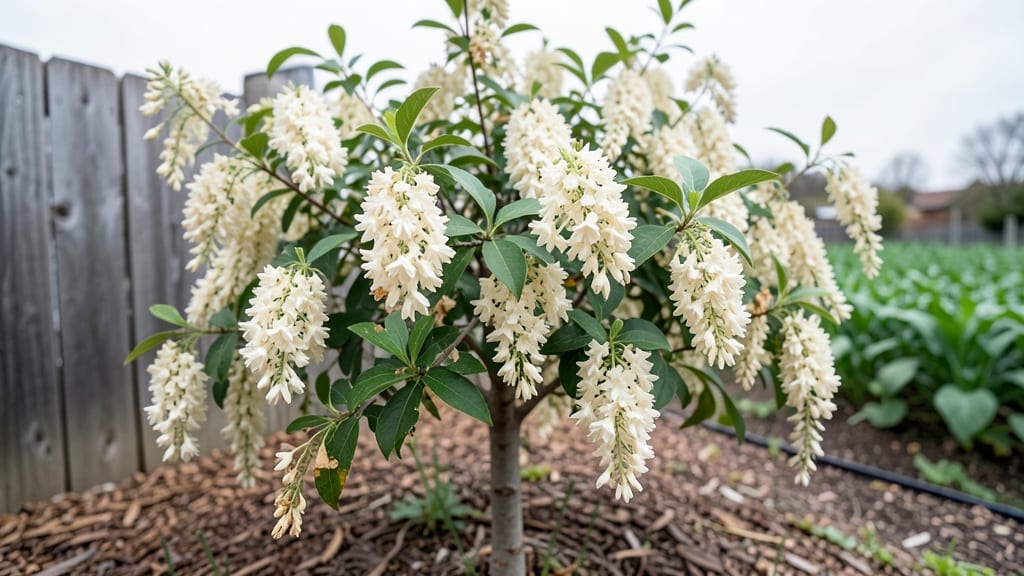
Transform your Pacific Northwest garden with this frost-proof stunner: the lilac-tinged Ivory Silk Tree, whose fragrant, lacy white blooms and glossy foliage flourish when others falter.
I’ve been growing mine through three winters in Portland, and it’s the only tree that stays lush even after 20-degree nights, thanks to its native Korean resilience.
The secret isn’t complicated: this tree loves well-draining, slightly acidic soil (think leaf mold mixed with compost) and full sun to partial shade. Plant it in early spring or fall, water deeply the first season, and watch it establish roots that outlast most ornamentals.
My tree now stands 8 feet tall with minimal fuss—just the right pruning at the right time.
Prune right after flowering in late spring to shape it without sacrificing next year’s blooms. Cut back one-third of the oldest stems to encourage fresh growth and air circulation, which keeps pests at bay.
The result? A tree that smells like spring for weeks and stays disease-free, even in damp PNW winters.
Works equally well in city landscapes or rural gardens—just avoid heavy clay soil. Here’s how to keep yours thriving year after year, with zero guesswork about when to trim or fertilize.
📚 In This Guide
- What you need
- Instructions
- Tips and common mistakes
- Wrapping up and next steps
What you need
- ● Pruning shears: Bypass pruners (sharp, clean, and disease-resistant—think Felco or Fiskars). Size: 6-8" for medium branches.
- ● Loppers: For thicker branches (½"–2" diameter). Recommended: 18-24" reach with ratcheting or bypass blades.
- ● Hand saw: Pruning saw with a curved blade (for branches >2" thick). Bonus: A folding saw for portability.
- ● Gloves: Heavy-duty gardening gloves (cut-resistant, like Mechanix or Filon). Why? Silk trees have thorns!
- ● Disinfectant: 70% isopropyl alcohol or rubbing alcohol + old rag to sterilize tools between cuts.
- ○ Pruning sealant: Optional but helpful for large cuts (>½" diameter)—use tree wound pruning paste (like Tanglefoot).
- ● Ladder or step stool: Sturdy, non-slip (4-6 ft tall, depending on tree height). Pro tip: A harness if working high!
- ● Trash bags: Heavy-duty (10-20 gallon) for debris. Bonus: A wheelbarrow for hauling clippings.
- ● Rain gear: Waterproof jacket + boots—PNW weather is unpredictable! ☔
- ● Anti-slip mat: For wet or muddy ground (especially in spring/fall).
- ○ Heating pad or hot water bottle: Optional for numbed fingers in chilly mornings (yes, even in PNW!).
- ● Extension pole: For high branches (e.g., Felco Extendo or Gorilla Pole Saw).
- ● Notebook + pen: To sketch a pruning map of your tree’s structure.
- ● Mulch: Shredded bark (2-3" layer) to protect roots post-pruning.
- ● Camera: Snap before/after pics—great for tracking growth!
Step-by-step guide to pruning the lilac ivory silk tree in the Pacific Northwest
This hardy tree thrives with strategic pruning—here’s how to shape it for health and beauty year after year.
Time Your Pruning for Optimal Growth
Prune your Lilac Ivory Silk Tree immediately after flowering, typically in late spring (May-June). This timing ensures you remove spent blooms while leaving summer’s growth intact for next year’s flowers. In the Pacific Northwest’s cooler climate, avoid pruning in fall or winter—new growth won’t harden off before frost, leaving it vulnerable to cold damage.
Watch for the tree’s natural cycle: once the flowers fade and seed pods form, that’s your cue. If you prune too early, you risk cutting off next season’s blooms. If you wait too long, the tree may put energy into seed production instead of new growth. I always mark my calendar after the first frost to plan pruning for the following spring.
Remove Dead, Diseased, or Crossing Branches First
Start by inspecting the tree for dead wood, diseased branches, or those rubbing against each other. Use clean, sharp pruning shears to make 45-degree cuts just outside the branch collar—the swollen area where the branch meets the trunk. This prevents unsightly stubs and promotes faster healing.
If a branch is diseased, sterilize your shears with rubbing alcohol between cuts to avoid spreading pathogens. I’ve found that the Ivory Silk Tree is particularly susceptible to powdery mildew in damp Pacific Northwest summers, so removing infected branches early prevents the whole tree from being compromised.
Thin the Canopy for Airflow and Light Penetration
Step back and visualize the tree’s shape. Remove 10-20% of the canopy by selectively thinning branches from the inside outward to improve airflow and sunlight exposure. Focus on branches that grow inward or downward, as these block light and trap moisture, creating ideal conditions for fungal diseases.
Make your cuts just above an outward-facing bud or leaf node to encourage new growth in the right direction. If you’re unsure which bud to target, look for one that faces the direction you want the branch to grow. In my experience, the Ivory Silk Tree responds beautifully to this method, filling in gaps naturally over time.
Shape the Tree for Balance and Aesthetics
Now, refine the tree’s form by lightly trimming longer branches to maintain a natural, balanced silhouette. Avoid heavy pruning—this tree thrives on gradual shaping. For a more formal look, prune slightly more on the sides than the top. If you’re aiming for a more relaxed, woodland style, leave some unevenness and let the tree grow organically.
Use hand pruners for smaller branches and a pruning saw for thicker limbs (over ½ inch in diameter). Always make cuts just outside the branch collar to prevent damage. I like to step back every few cuts to check the tree’s overall shape—it’s easy to overdo it, especially if you’re eager to see immediate results.
Clean Up and Monitor for Recovery
After pruning, rake up and dispose of all debris, especially diseased branches, to prevent pests or pathogens from overwintering. Apply a balanced, slow-release fertilizer (like a 10-10-10) around the tree’s drip line to support new growth. Water deeply but avoid overwatering—the Pacific Northwest’s cool, damp climate means the tree’s roots need time to dry slightly between waterings.
Over the next few weeks, watch for new growth at the pruned areas. If you see dark green, healthy leaves emerging, your pruning was successful. If branches look wilted or fail to produce new growth, you may have cut too aggressively. Adjust your approach for next year—this tree is resilient, but it rewards patience and precision.
Tips & tricks for pruning the lilac ivory silk tree
Perfecting your pruning technique transforms this Pacific Northwest beauty from good to stunning. Here's what I've learned after years of shaping these resilient trees.
Timing is Everything: The late spring window (May-June) is non-negotiable for the Ivory Silk Tree. I've seen gardeners prune too early and completely sacrifice next year's blooms—those buds form right after flowering, so wait until flowers fade and seed pods appear. In our damp climate, this timing also prevents powdery mildew from taking hold in fresh cuts. Mark your calendar after the first frost to remember for next spring!
Branch Collar Precision: That swollen area where branches meet the trunk isn't just decoration—it's the tree's natural healing zone. When making your 45-degree cuts in Step 2, position them just outside this collar. I've made the mistake of cutting flush, and those branches never healed properly. For thicker limbs, use a pruning saw and take your time to avoid tearing the bark. The tree will thank you with faster recovery and fewer disease entry points.
Canopy Thinning Strategy: Removing just 10-20% of the canopy in Step 3 might seem counterintuitive, but this tree thrives on gradual shaping. Focus on branches growing inward—they block light and create moisture traps perfect for fungal growth. Look for branches that cross or rub against others; these are prime candidates for removal. I've found that making cuts just above outward-facing buds encourages new growth in the direction you want, creating a more open, airy structure that's less susceptible to Pacific Northwest dampness.
Post-Pruning Care: After you've finished shaping, don't just walk away! Rake up all debris immediately—especially diseased branches—and dispose of them properly. I've seen too many gardeners leave prunings under the tree, only to have mildew spread back to the trunk. Apply that 10-10-10 fertilizer around the drip line, but resist the urge to overwater. The tree's roots need time to dry between waterings in our cool, damp climate. Watch for new growth in the coming weeks—healthy leaves should emerge dark green and vibrant within 3-4 weeks if your pruning was successful.
Pro Tips for Lilac Ivory Silk Tree
- Perfecting your pruning technique transforms this Pacific Northwest beauty from good to stunning.
- Timing is Everything: The late spring window (May-June) is non-negotiable for the Ivory Silk Tree.
- Branch Collar Precision: That swollen area where branches meet the trunk isn't just decoration—it's the tree's natural healing zone.
Frequently asked questions
Got questions about keeping your Lilac Ivory Silk Tree thriving in the Pacific Northwest’s chilly climate? You’re in the right place! Here are answers to common concerns—from pruning tips to frost resilience—so you can care for this stunning tree with confidence.
When is the best time to prune my Lilac Ivory Silk Tree?
Prune your tree late winter or early spring (February–March), just before new growth begins. This timing ensures you remove dead wood while avoiding the risk of frost damage to fresh cuts. Avoid pruning in fall—it stimulates tender growth that may not survive winter. Pro tip: If you must prune later, wait until after the last frost date in your area!
How cold can my Lilac Ivory Silk Tree tolerate?
This tree is USDA Zone 5–9 hardy, meaning it can handle temperatures down to -20°F (-29°C) without issue. However, young trees or newly planted specimens may need winter protection (like burlap wraps) during their first few years. In the PNW, its frost resilience makes it a standout for exposed or windy gardens.
How much can I prune without harming the tree?
You can safely remove up to 25–30% of the tree’s canopy per year, but avoid over-pruning. Focus on dead, diseased, or crossing branches first. For shaping, limit cuts to 1/3 of the branch length to maintain its natural form. Warning: Heavy pruning in one session can stress the tree—space it out if needed!
What if my tree’s leaves turn brown after pruning?
Brown leaves post-pruning are usually normal, especially if cuts were made during dry or windy conditions. To prevent stress:
- Water deeply after pruning.
- Avoid pruning in extreme heat or cold.
- Apply a balanced fertilizer (like 10-10-10) in early spring.
Are there frost-resistant alternatives to this tree?
Yes! If you love the Lilac Ivory Silk Tree but want options, consider:
- Amelanchier alnifolia (Saskatoon Berry): Hardy to Zone 2, with edible berries and stunning fall color.
- Cotinus ‘Royal Purple’ (Smoke Tree): Thrives in Zones 5–8, drought-tolerant, and disease-resistant.
- Physocarpus opulifolius ‘Little Devil’ (Ninebark): Zone 3–8 hardy, with vibrant foliage and low-maintenance growth.
Wrapping up and next steps
The Lilac Ivory Silk Tree is a stunning, frost-resilient gem that thrives in the Pacific Northwest’s climate—when pruned with care! By mastering the right techniques, timing, and tools, you’ll keep your tree healthy, blooming, and structurally sound for years to come. 🌿✂️
Now that you’re armed with expert tips, roll up your sleeves and get pruning! Start small, observe your tree’s growth, and adjust your approach as needed. Happy gardening—your Lilac Ivory Silk Tree will thank you with vibrant blooms and lush foliage! 🌸