
Planting
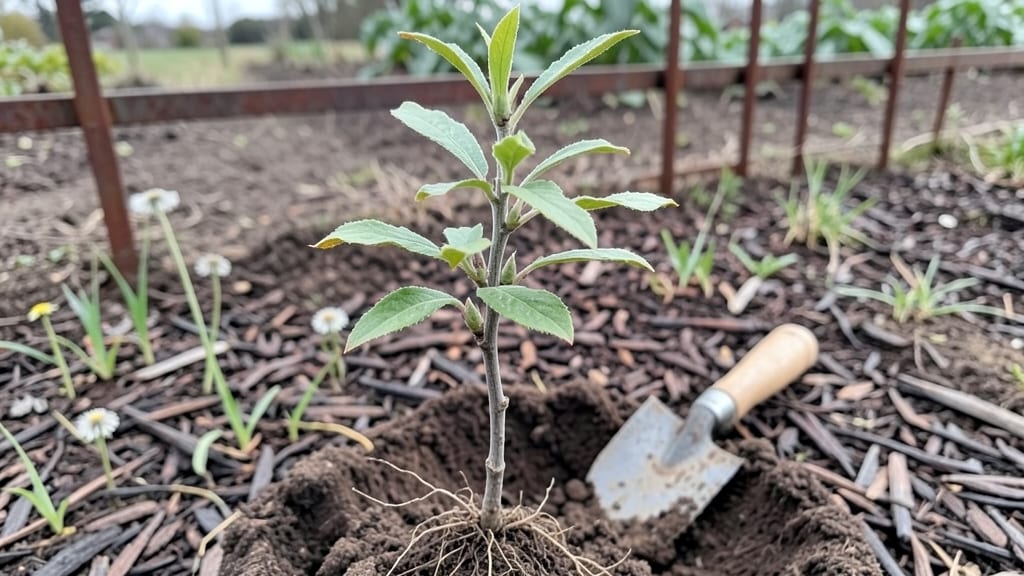
Planting a chestnut tree means adding a majestic, long-lived centerpiece to your landscape—one that produces edible nuts and stunning fall color. 🌳 I’ve planted two myself, and the key to success starts with the right timing, soil prep, and a few simple tricks to give young trees the best start.
Chestnuts thrive in cooler climates (USDA zones 4-8) but need space to grow—think of them as the oak trees of the nut world.
The process is simpler than it sounds: dig a hole twice as wide as the root ball but no deeper, amend the native soil with compost for better drainage, and plant at the same depth it was in the nursery.
Water deeply right after planting, then mulch around the base to lock in moisture and keep weeds at bay. Most people overlook the mulch step, but it’s what protects young roots during those first critical months.
Within a few years, you’ll see vigorous new growth—tall, straight trunks with glossy leaves that turn fiery red in autumn. The real payoff comes decades later, when your tree starts producing nuts (yes, it takes patience, but it’s worth it).
Chestnuts need minimal care once established, making them a low-maintenance investment for generations.
Whether you’re planting in a backyard, park, or rural property, the same principles apply. Just be sure to check local regulations—some areas restrict chestnut planting due to blight concerns. Ready to get started? Let’s dig in!
📚 In This Guide
- What you need
- Instructions
- Tips and common mistakes
- Wrapping up and next steps
What you need
- ● Chestnut sapling or seed: 1 healthy Castanea spp. sapling (3–5 years old, bare-root or potted) or Fresh chestnut seeds (from a mature, disease-free tree—not store-bought!)
- ● Shovel or trowel: Medium-sized (for saplings) or broad (for seeds)
- ● Garden gloves: 1 pair (to protect hands from thorns and soil)
- ● Pruning shears: Sharp, sterilized (for trimming roots or sapling limbs)
- ● Mulch: 3–4 inches of organic mulch (wood chips, straw, or pine needles)
- ● Watering can or hose: With a gentle spray nozzle (saplings need consistent hydration!)
- ○ Soil pH tester (optional but helpful): Chestnuts thrive in slightly acidic soil (pH 4.5–6.5)
- ● Compost or fertilizer: Balanced 10-10-10 or organic compost (mix 1–2 cups into planting hole)
- ● Tree stake & ties: 1–2 stakes (for young saplings in windy areas)
- ● Drip irrigation system: For large plantings or drought-prone areas
- ● Tree guard or wire mesh: To protect saplings from animals (especially deer!)
- ● Post-hole digger: If planting in clay-heavy soil (helps aerate roots)
Step-by-Step instructions for planting a chestnut tree
Planting a chestnut tree is easier than you think—just follow these simple steps for a strong start.
🌱 Step 1: Choose the Right Location and Prepare the Soil
Chestnut trees thrive in full sun—pick a spot that gets at least 6-8 hours of direct sunlight daily. They need space to grow, so plant at least 30 feet away from buildings, fences, or other trees. Their roots spread wide, so avoid planting near sidewalks or driveways where roots might cause damage.
Test your soil first—chestnut trees prefer slightly acidic to neutral soil (pH 6.0-7.0). If your soil is heavy clay or compacted, amend it with 2-3 inches of compost mixed into the top 12 inches of soil. Chestnuts hate soggy roots, so if your area drains poorly, raise the planting mound by 6-12 inches to improve drainage.
🪴 Step 2: Dig the Hole and Plant the Sapling
Dig a hole twice as wide as the root ball but no deeper—chestnut trees grow best when planted at the same depth they were in the nursery. Loosen the sides of the hole gently with a shovel to encourage root spread. If your sapling has a root ball wrapped in burlap, remove it carefully before planting.
Place the tree in the center of the hole, spreading the roots outward naturally. Fill the hole halfway with soil, then water deeply to settle it. Top off with more soil, pressing lightly to remove air pockets. Leave a 2-inch gap between the soil and the root collar (the swollen area at the base of the trunk)—this prevents the tree from sinking too deep over time.
☀️ Step 3: Water, Mulch, and Support the Young Tree
Water the newly planted chestnut deeply right after planting—aim for 10-15 gallons spread evenly around the root zone. This helps the soil settle and removes air pockets. After watering, apply a 3-inch layer of mulch (like wood chips or straw) in a 3-foot-wide circle around the base, keeping it 6 inches away from the trunk to prevent rot.
Stake the tree only if needed—chestnut saplings often don’t require support unless in windy areas. If staking, use two stakes on opposite sides, tied loosely with soft fabric strips (not wire, which can cut into the trunk). Prune any broken branches or crossing limbs with clean, sharp pruners, making cuts just above a bud or branch collar.
⏰ Step 4: Monitor and Care for the First Year
Water your chestnut tree once a week for the first month, then every 2-3 weeks afterward, depending on rainfall. The goal is to keep the soil moist but not soggy—stick your finger 2 inches deep; if it feels dry, water deeply. Avoid overhead watering, which can spread disease. Instead, use a soaker hose or drip irrigation at the base.
Fertilize lightly in early spring with a balanced, slow-release fertilizer (like 10-10-10). Chestnut trees are slow growers, so don’t overdo it—too much nitrogen encourages weak, disease-prone growth. Watch for pests like chestnut weevils or leaf miners—treat early with neem oil or insecticidal soap if needed. By the end of the first year, your tree should show new growth and stronger roots.
🌿 Step 5: Long-Term Care for a Healthy, Productive Tree
Once established, chestnut trees are low-maintenance. Prune in late winter or early spring to remove dead, diseased, or crossing branches. Always make cuts just outside the branch collar to promote fast healing. Avoid heavy pruning—chestnuts respond poorly to aggressive trimming, which can stress the tree.
In fall, rake up any fallen nuts to prevent rodents from digging around the roots. Chestnut trees can live for centuries, so give yours plenty of space, patience, and minimal interference. With proper care, you’ll enjoy fragrant spring blooms, lush summer foliage, and delicious nuts in autumn for decades to come.
Tips & tricks for planting a thriving chestnut tree
Planting a chestnut tree is a rewarding long-term project—here's how to set yours up for success from day one.
Location is Everything: In Step 1, when selecting your spot, remember that chestnut trees need that 6-8 hours of direct sunlight every single day. I've seen people plant them in partial shade and wonder why they struggle—those trees just can't develop properly without full sun. Also, check for overhead power lines or future construction plans before digging, since chestnuts grow 50-75 feet tall at maturity.
Soil Prep Secrets: For Step 1's soil preparation, don't just eyeball that 2-3 inches of compost—mix it thoroughly into the top 12 inches of soil. I learned this the hard way after planting mine in a patchy way. Use a soil pH test kit to confirm that neutral range (6.0-7.0)—chestnuts are fussy about this. If your soil is too acidic, add lime; if it's too alkaline, work in peat moss.
Planting Depth Matters: When you're planting in Step 2, that 2-inch gap between soil and root collar is non-negotiable. I've seen people bury the root collar too deep, and it causes the tree to suffocate. Also, if your sapling has burlap, remove it carefully—never leave it wrapped around the roots. The roots should spread naturally outward in the hole, not be forced into a tight ball.
Watering Wisdom: After planting in Step 3, those 10-15 gallons of water should be spread evenly around the root zone, not dumped all in one spot. I use a garden hose with a gentle spray nozzle to avoid compacting the soil. The mulch layer helps retain moisture, but don't let it sit directly against the trunk—keep that 6-inch gap to prevent rot. Water deeply but infrequently to encourage deep root growth.
Pro Tips for Plant A Chestnut Tree
- Planting a chestnut tree is a rewarding long-term project—here's how to set yours up for success from day one.
- Location is Everything: In Step 1, when selecting your spot, remember that chestnut trees need that 6-8 hours of direct sunlight every single day.
- Soil Prep Secrets: For Step 1's soil preparation, don't just eyeball that 2-3 inches of compost—mix it thoroughly into the top 12 inches of soil.
Frequently asked questions
Got questions about planting your chestnut tree? You’re not alone! Here are some of the most common concerns—plus quick, practical answers to help you grow a thriving tree with confidence.
When is the best time to plant a chestnut tree?
The ideal time to plant a chestnut tree is in early spring (after the last frost) or fall (4-6 weeks before the first frost). This gives roots time to establish before extreme temperatures. Avoid planting in summer heat or freezing winter conditions—both stress young trees.
How deep and wide should I dig the planting hole?
Dig a hole twice as wide as the root ball but only as deep—no deeper! Chestnut trees hate soggy roots. Loosen the soil at the bottom to encourage root spread. If your soil is clay-heavy, mix in compost to improve drainage.
What pests or diseases should I watch for?
Chestnut trees are tough, but keep an eye out for chestnut blight (a fungal disease) and weevils. Prune infected branches immediately and avoid planting near old, diseased trees. Healthy soil and proper spacing (30–50 feet apart) reduce risks. A yearly inspection in spring helps catch issues early!
Can I grow a chestnut tree from a store-bought nut?
While possible, it’s not recommended—store-bought nuts are often hybridized for eating, not growing. For reliable results, buy a certified disease-resistant sapling from a nursery. If you’re determined to try, plant the nut in well-draining soil and be patient—germination can take months!
How long does it take for a chestnut tree to produce nuts?
Patience is key! Most chestnut trees take 10–15 years to bear nuts, though some dwarf varieties may produce earlier. Focus on proper care (water, sunlight, and soil) to speed up maturity. Bonus: Young trees reward you with stunning fall foliage and strong wood long before nuts appear!
Pro Tip:
Need a faster fix? Plant a dwarf chestnut variety (like ‘Desire’ or ‘Marigoule’) in a large container for smaller spaces. Just ensure it gets full sun and deep watering—container trees dry out quicker!
Wrapping up and next steps
Planting a chestnut tree is a rewarding journey that combines patience, care, and a touch of nature’s magic. 🌱 Whether you’re drawn to their stunning autumn foliage, the sweet crunch of fresh nuts, or the joy of nurturing a long-lived tree, following these steps sets you up for success.
With the right location, soil prep, and ongoing attention, your chestnut tree will thrive for decades—adding beauty, shade, and even harvests to your landscape.
Ready to dig in? Start by selecting your sapling or nut for planting—then follow the guide to give your tree the best possible start. Happy planting! 🌳✨