
Trees
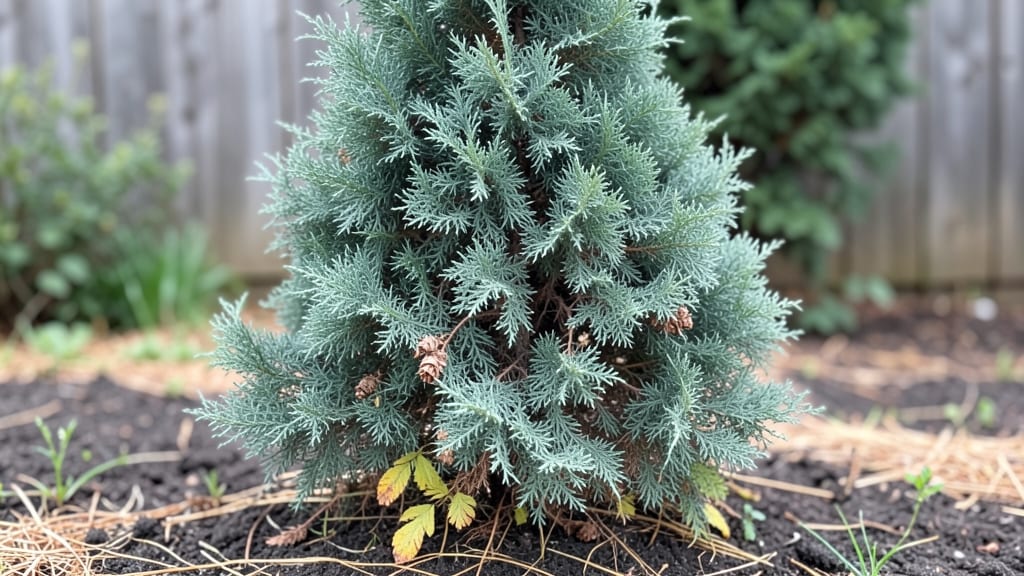
Leyland cypress trees are the Pacific Northwest's secret weapon for instant, lush privacy. 🌲 Their towering evergreen foliage blocks nosy neighbors and winter winds while adding year-round structure to any landscape—whether you prefer a sleek hedge or a bold focal point.
What makes them perfect for the region? They thrive in the damp, mild winters and handle coastal salt spray better than many alternatives. Plus, their rapid growth—up to 3 feet per year—means you won’t wait decades for privacy.
The dense, feathery branches create a natural screen that’s both functional and elegant, fitting seamlessly into formal gardens or rustic backyard retreats.
Imagine a neatly trimmed hedge framing your patio or a single specimen anchoring a garden corner, its vibrant green needles contrasting beautifully with flowering shrubs like rhododendrons or hydrangeas. With minimal pruning, they’ll stay full and vibrant, offering a low-maintenance solution that outperforms many slower-growing options.
Best of all, they adapt to various soil types—even the heavy, acidic soils common in the PNW—so you can plant them almost anywhere. Whether you’re masking an ugly fence or creating a serene backyard oasis, these trees deliver both beauty and utility without the fuss.
📚 In This Guide
- What you need
- Instructions
- Tips and common mistakes
- Wrapping up and next steps
What you need
- ● Leyland cypress trees: 3–5 balled-and-burlapped (B&B) saplings (1–3 ft tall) or container-grown plants, depending on desired height and spacing (aim for 10–15 ft apart for mature trees).
- ● Shovel or spade: Heavy-duty, 12–18" wide for digging holes.
- ● Wheelbarrow or bucket: For mixing soil amendments (5–10 gallon capacity).
- ● Garden hose with nozzle: For watering (or a watering can for smaller plants).
- ● Mulch: 2–3 inches of pine bark, wood chips, or cedar mulch (avoid dyed mulch).
- ● Pruning shears: Bypass pruners (for shaping and maintenance).
- ○ Stakes & twine (optional but helpful): 4–6 ft stakes and soft twine for young trees in windy areas.
- ● Soil amendments: Compost, peat moss, or sulfur (if your soil is too alkaline for Leylands).
- ● Fertilizer: Slow-release 10-10-10 or acid-loving plant fertilizer (apply in early spring).
- ● Tree guard or protective wrap: For young trees vulnerable to deer or sun scorch.
- ● Garden gloves: To protect your hands from thorns and rough bark.
- ● Soil pH test kit: To ensure your soil is acidic (pH 5.5–6.5), ideal for Leylands.
How to plant Leyland cypress trees for a Pacific Northwest privacy screen
Here's my battle-tested method for establishing fast-growing, wind-resistant screens that stay lush year-round.
🪴 Step 1: Choose Planting Sites and Prepare the Soil
Select locations with 6+ hours of sunlight daily—Leyland cypress tolerate partial shade but grow most vigorously in full sun. Space plants 8-12 feet apart for a dense screen, with 12-15 feet between rows if planting multiple layers. In the Pacific Northwest's wet climate, ensure sites have good drainage to prevent root rot.
Test soil pH—Leyland cypress prefer 5.0-7.0. Amend heavy clay with 2-3 inches of compost mixed into the top 12 inches of soil. Avoid fresh mulch directly against the trunk; keep a 3-inch gap to prevent moisture buildup. I always dig holes twice as wide as the root ball but only as deep—planting too deep suffocates roots.
🌱 Step 2: Plant Bare-Root or Balled-and-Burlapped Trees
For bare-root trees, soak roots in water for 1-2 hours before planting to revive dormant roots. Handle balled-and-burlapped trees gently—never remove the wire basket or burlap until the tree is in the hole. Position the root flare (where roots meet trunk) 1-2 inches above ground level to prevent settling issues later.
Backfill with native soil mixed with compost at a 3:1 ratio. Tamp soil gently in layers to eliminate air pockets without compacting roots. Water immediately after planting to settle soil around roots. You'll see soil settle 1-2 inches—this confirms proper root placement.
💧 Step 3: Water Deeply and Establish a Mulch Ring
Water newly planted trees every 2-3 days for the first 2 weeks until soil is 6-8 inches deep and moist. In the Pacific Northwest's damp climate, reduce to once weekly after establishment, but increase during summer droughts. Use a soaker hose to deliver water slowly at the base—avoid overhead sprinklers that promote fungal diseases.
Create a 3-foot diameter mulch ring using 3-4 inches of wood chips or bark mulch. Keep mulch 6 inches away from the trunk to prevent rot. This mulch ring retains moisture, regulates soil temperature, and suppresses weeds—critical in the Pacific Northwest's wet winters and dry summers. Check mulch depth annually and replenish as it decomposes.
☀️ Step 4: Provide Wind Protection and Prune for Structure
Young Leyland cypress need protection from strong coastal winds. Install temporary windbreaks using burlap or plastic mesh on the windward side for the first growing season. Prune only to remove dead, damaged, or crossing branches—never shear for shape in the first year. This encourages natural growth patterns and prevents disease entry points.
After the first growing season, you can lightly shape the tree by trimming 10-15% of new growth in late spring. Use sharp, clean pruners to make cuts just above a leaf node. Avoid heavy pruning—Leyland cypress respond poorly to aggressive shaping. You'll notice new growth fill in within 4-6 weeks after proper pruning.
⏰ Step 5: Monitor for Pacific Northwest-Specific Pests and Diseases
Watch for aphids and spider mites, which thrive in the region's humid summers. Treat infestations with neem oil or insecticidal soap applied in early morning or evening to avoid harming beneficial insects. Leyland cypress are also susceptible to canker diseases—prune infected branches immediately and sterilize tools with 70% rubbing alcohol between cuts.
In the Pacific Northwest's wet climate, fungal issues like root rot can develop if drainage is poor. If leaves yellow and wilt despite proper watering, check for soggy soil conditions. Adjust planting sites or improve drainage with sand amendments if needed. Healthy trees should maintain deep green foliage year-round with only minor seasonal color shifts.
Tips & tricks for perfect Leyland cypress privacy screens
These battle-tested strategies will help you establish a thriving, wind-resistant screen that grows faster and stays healthier in Pacific Northwest conditions.
Root Revival Tip: That 1-2 hour soak for bare-root trees is non-negotiable—it revives dormant roots and gives them a head start. I've seen trees planted without this step struggle to establish for months. For balled-and-burlapped trees, gently remove any circling roots you find during planting—they'll strangle your tree if left unchecked.
Soil Preparation Secret: The 5.0-7.0 pH range is crucial, but don't stop at testing—actually amend your soil. In heavy clay soils common in the PNW, mix in 2-3 inches of compost down to 12 inches deep. This creates ideal conditions for root development. I've seen trees planted in unamended clay struggle with poor growth for years.
Watering Wisdom: That every 2-3 days for 2 weeks schedule might seem frequent, but it's critical for root establishment. Use a trowel to check moisture at 6-8 inches deep—if it's dry, water again. In our damp climate, we often forget how quickly soil can dry out during summer droughts. A soaker hose delivers water exactly where roots need it most.
Pruning Precision: When shaping your tree after the first growing season, focus on removing 10-15% of new growth—no more. Leyland cypress respond poorly to heavy pruning. Make cuts just above a leaf node to encourage proper regrowth. I always prune in late spring when new growth is just starting, and you'll see full regrowth within 4-6 weeks.
Pro Tips for Leyland Cypress Trees
- These battle-tested strategies will help you establish a thriving, wind-resistant screen that grows faster and stays healthier in Pacific Northwest conditions.
- Root Revival Tip: That 1-2 hour soak for bare-root trees is non-negotiable—it revives dormant roots and gives them a head start.
- Soil Preparation Secret: The 5.0-7.0 pH range is crucial, but don't stop at testing—actually amend your soil.
Frequently asked questions
Got questions about Leyland cypress trees? You’re not alone! Here are some of the most common concerns—plus straightforward answers to help you make the best decisions for your Pacific Northwest landscape.
How fast do Leyland cypress trees grow?
Leyland cypresses are fast growers—expect 3 to 4 feet per year under ideal conditions. In the PNW’s mild, moist climate, they can even reach 6+ feet annually when young. With proper care, a 6-foot tree can hit 20+ feet in just 5–7 years! Just be mindful of their rapid growth when planning spacing.
Are Leyland cypresses prone to diseases or pests?
Yes, they’re susceptible to a few issues, like canker disease (Seiridium) and bagworms. The PNW’s humidity can worsen fungal problems, but pruning for airflow and fungicide treatments (like copper-based sprays) help. Choose resistant cultivars (e.g., ‘Leighton Green’) if disease is a concern in your area.
How much space should I leave between Leyland cypress trees?
Plant them 6 to 10 feet apart for a dense, unbroken hedge. If you want faster privacy, go for 6 feet—but remember, they’ll need thinning or pruning every few years to prevent overcrowding. For a single specimen tree, aim for 15+ feet of clearance from structures or sidewalks.
Can Leyland cypresses handle the Pacific Northwest’s wind and rain?
Their tall, tapered shape and flexible branches make them wind-resistant, and their thick bark protects against wet, stormy conditions. However, young trees may need staking in exposed areas. Mulching also helps retain moisture during the PNW’s mild but damp winters.
What’s a good alternative if Leyland cypresses don’t suit my yard?
If you want a low-maintenance evergreen but prefer something disease-resistant, consider:
- Western red cedar – Slower growth, naturally rot-resistant, and thrives in shade.
- Thuja (Arborvitae) – Compact options like ‘Green Giant’ or ‘Emerald Green’ need less pruning.
- Port Orford cedar – Native to the PNW, drought-tolerant, and pest-resistant.
Wrapping up and next steps
Leyland cypress trees are the perfect evergreen solution for creating a lush, year-round privacy screen—especially in the Pacific Northwest’s mild yet damp climate. With their fast growth, low maintenance, and resilience, they’re a dream for homeowners looking to add greenery and seclusion without the hassle. 🌲
Ready to transform your outdoor space? Start by choosing the right location, gathering your tools, and planting with confidence. Whether you’re a seasoned gardener or a beginner, these trees offer beauty, function, and ease—so roll up your sleeves and get growing!