
Pruning
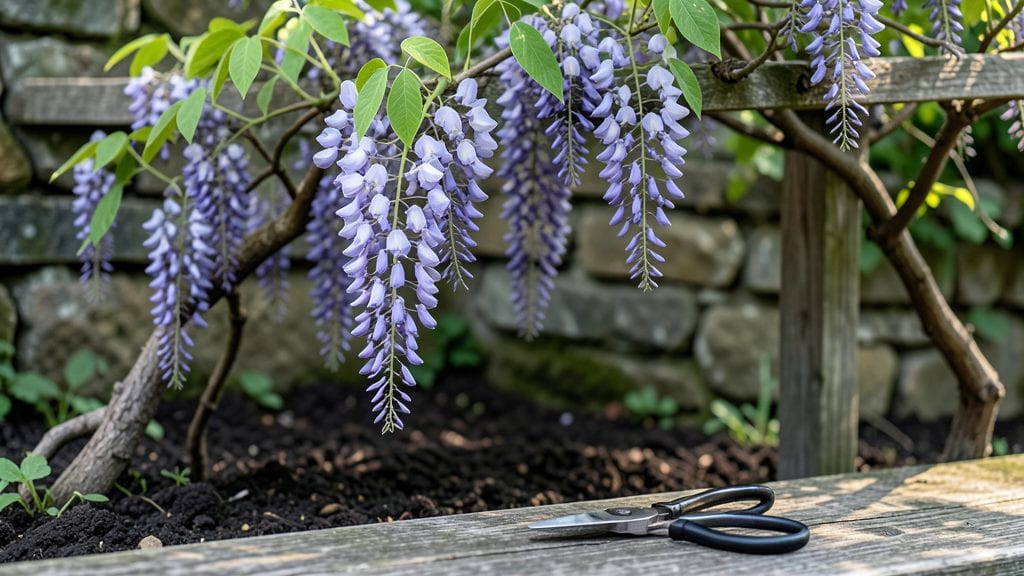
Proper wisteria tree care in the Pacific Northwest isn’t just about trimming vines—it’s about coaxing those breathtaking lavender cascades every spring. I’ve spent years wrestling with tangled vines, and the difference between a wild, unruly mess and a showstopping display comes down to timing and technique.
Most gardeners wait too long, but the secret is cutting back in late winter before new growth starts.
The right tools and a little patience make all the difference. You’ll need sharp pruning shears, gloves (those thorns are no joke), and a ladder if your wisteria climbs high.
The goal isn’t just to trim—it’s to shape the vine so air circulates, blooms multiply, and future pruning gets easier. My first attempt left me with a tangled nightmare, but after a few seasons, my wisteria now produces more flowers than I know what to do with.
By summer, you’ll see lush, vibrant blooms that attract hummingbirds and fill your yard with fragrance. The vines grow stronger each year, and with proper care, they’ll outlive you—literally. Wisteria can thrive for decades if you stay on top of pruning, so this isn’t just a one-time task.
Think of it as an investment in years of effortless beauty.
Whether you’re dealing with a young vine or an established giant, the principles stay the same. The Pacific Northwest’s mild winters give you a longer window to prune than other regions, but don’t let that lull you into complacency.
Skipping a season means fewer blooms next spring—and nobody wants that. Let’s get those shears ready.
📚 In This Guide
- What you need
- Instructions
- Tips and common mistakes
- Wrapping up and next steps
What you need
- ● Pruning shears: Sharp, bypass-style shears (20-24" blade length) for clean cuts on smaller branches.
- ● Loppers: Heavy-duty, ratcheting or bypass (30-36" blade length) for thicker branches (½"–1.5" diameter).
- ● Pruning saw: Curved-tooth saw for branches over 1.5" in diameter.
- ● Gloves: Thick, gardening gloves (leather or reinforced) to protect from thorns and sap.
- ● Disinfectant: 70% isopropyl alcohol or rubbing alcohol to sterilize tools between cuts (prevents disease spread).
- ● Tarp or drop cloth: To collect debris and protect your workspace.
- ○ Stakes & twine: For supporting heavy vines (optional but helpful for young or sprawling wisteria).
- ● Water & snacks: Hydration and energy are key—PNW pruning can be a long day! ☕
- ● Pole pruner: Extendable tool for high branches (10–15' reach).
- ● Hand pruners with extendable handles: For mid-height cuts without a ladder.
- ● Rope or zip ties: To secure branches during training or shaping.
- ● Plant food: Balanced fertilizer (10-10-10) for post-pruning recovery (spring application).
- ● Mulch: Organic mulch (wood chips or straw) to retain moisture and suppress weeds.
Step-by-step guide to pruning wisteria in the Pacific Northwest
Here's how I keep my wisteria thriving with PNW-specific pruning techniques.
Prune After Flowering in Late Summer
Wisteria blooms on old wood, so wait until 4-6 weeks after flowering—typically late July or August in the Pacific Northwest—to prune. This timing preserves next year's flowers while controlling growth. I always prune on a dry, sunny day to reduce disease risk from wet foliage.
Start by removing any dead, diseased, or crossing branches first. These compete with healthy growth and can trap moisture. Use clean, sharp pruners to make cuts at a 45-degree angle just above a leaf node or bud. This angle helps water run off and prevents rot.
Thin and Shape for Airflow and Light
Wisteria grows aggressively, so thinning is key. Focus on removing about one-third of the oldest wood each year to maintain vigor. Look for branches that are thicker than a pencil—these are the main culprits for dense, unmanageable growth. I aim to keep the center of the plant open to improve airflow and sunlight penetration.
Shape the plant by cutting back long, leggy branches to a strong lateral branch or bud. Avoid cutting into the main trunk or large limbs unless absolutely necessary, as wisteria heals slowly. If you're unsure which branches to keep, prioritize those with the most flower clusters from the previous year.
Lightly Prune New Growth in Early Spring
In early March, before new leaves emerge, give the wisteria a light trim to encourage bushier growth. Cut back the previous year's new growth by about one-third, focusing on the tips of branches. This step prevents the plant from becoming top-heavy and encourages more flowering later in the season.
Pay attention to how the branches are oriented. If some are growing inward or rubbing against each other, prune them out now to avoid damage. You’ll also notice small, swollen buds forming—these are next year’s flower clusters, so handle them gently to avoid breaking them off.
Maintain Year-Round with Minimal Trims
Throughout the growing season, keep an eye out for any suckers or unwanted shoots sprouting from the base or along the trunk. Remove these immediately to redirect the plant’s energy into the main structure. A quick trim with pruners or even your hands works—just be sure to pull or cut them off at the base.
In the Pacific Northwest’s mild, wet climate, wisteria can grow almost year-round. If you notice any branches that are damaged by wind, rain, or snow, prune them back as soon as you spot them. Always disinfect your pruners with rubbing alcohol between cuts to prevent the spread of disease, especially in our damp climate.
Fertilize and Mulch After Pruning
After your pruning session, feed the wisteria with a balanced, slow-release fertilizer (10-10-10) in early spring. This gives the plant the nutrients it needs to recover from pruning and support new growth. Spread a 2-3 inch layer of organic mulch around the base, keeping it a few inches away from the trunk to prevent rot.
Water deeply after fertilizing to help the nutrients soak into the soil. In the Pacific Northwest, our cool, wet winters mean wisteria often needs less water in winter, but spring and summer are critical for growth. Monitor the soil moisture—it should be damp but not soggy. If the leaves start to yellow or wilt, adjust your watering accordingly.
Tips & tricks for pruning wisteria in Pacific Northwest climates
Here's what I've learned from years of pruning wisteria in the PNW—these tricks will help you avoid common mistakes and keep your plant thriving.
Timing is Everything: The 4-6 week window after flowering is critical because wisteria blooms on old wood. In the Pacific Northwest, this typically means late July or August. If you prune too early, you risk cutting off next year's flower buds. I mark my calendar right after the last blooms fade to ensure I don't miss this window. Between us, I've seen people prune at the wrong time and end up with no flowers the following spring—don't make that mistake!
Branch Selection Matters: When thinning in Step 2, focus on branches thicker than a pencil—they're the main culprits for dense growth. Look for branches that are growing inward or rubbing against others; these should be the first to go. I always prioritize keeping branches with the most flower clusters from the previous year. Pro tip: If you're unsure which branches to keep, take a photo before you start—it helps you visualize the plant's structure and make better decisions.
PNW-Specific Disease Prevention: Our damp climate makes wisteria particularly susceptible to fungal diseases. Always disinfect your pruners with rubbing alcohol between cuts to prevent spreading disease. I also avoid pruning on rainy days because wet foliage creates the perfect conditions for fungal growth. If you must prune in damp conditions, do it during the driest part of the day and work quickly. Real talk: I've had to remove entire branches because I skipped this step—it's worth the extra minute to clean your tools!
Spring Pruning Strategy: The early March light pruning in Step 3 is your opportunity to shape the plant for the coming season. Cutting back one-third of the previous year's new growth encourages bushier growth and prevents a top-heavy plant. I look for branches that are growing too vertically—these are the ones that need trimming. This is also when you'll spot next year's flower buds (those swollen buds I mentioned earlier), so handle them with care to avoid accidental damage.
Pro Tips for Wisteria Tree Care
- Here's what I've learned from years of pruning wisteria in the PNW—these tricks will help you avoid common mistakes and keep your plant thriving.
- Timing is Everything: The 4-6 week window after flowering is critical because wisteria blooms on old wood.
- Branch Selection Matters: When thinning in Step 2, focus on branches thicker than a pencil—they're the main culprits for dense growth.
Frequently asked questions
When is the best time to prune wisteria in the PNW?
The ideal time is late winter or early spring (February–March), just before new growth begins. This helps shape the tree while avoiding frost damage. For light maintenance (like deadwood removal), you can prune anytime—but avoid heavy cuts in fall, as it can stimulate tender growth before winter.
How much can I cut back wisteria without killing it?
Wisteria is tough—you can safely remove up to 25–30% of the plant’s total growth per year. Focus on thinning crowded stems and cutting back last year’s growth to 2–3 buds from strong branches. Avoid over-pruning; wisteria blooms on old wood, so drastic cuts reduce flowers.
Why isn’t my wisteria blooming, even after pruning?
Lack of blooms often means too much shade, poor pruning, or over-fertilizing with nitrogen. Ensure your tree gets 6+ hours of sunlight and prune to encourage mature wood (3+ years old). Skip heavy nitrogen feeds—opt for phosphorus-rich fertilizer in early spring to boost flowers.
Can wisteria survive PNW’s wet winters?
Yes! Wisteria thrives in the PNW’s mild, wet climate, but poor drainage or soggy soil can cause root rot. Plant on a slight slope or raised bed to improve drainage. Mulch (2–3 inches) helps retain moisture, but keep it away from the trunk to prevent rot.
Are there low-maintenance alternatives to wisteria?
If wisteria’s vigorous growth feels overwhelming, try these PNW-friendly climbers with fewer pruning demands:
- Clematis: Blooms prolifically with minimal pruning (group by type: early, mid, or late bloomers).
- Honeysuckle (Lonicera): Fragrant, fast-growing, and drought-tolerant once established.
- Climbing Roses: Require annual pruning but offer stunning blooms with less aggressive spread.
- Virginia Creeper: Deciduous vine with vibrant fall color; zero pruning needed.
For a wisteria-like look with easier care, Japanese honeysuckle is a great substitute!
Wrapping up and next steps
Caring for your wisteria tree in the Pacific Northwest’s unique climate is all about timing, technique, and patience—and you’ve got the tools to make it thrive! 🌿 From mastering the right pruning season to tackling those unruly vines with confidence, every step brings you closer to a stunning, fragrant display.
Remember: consistency is key, and even the most seasoned gardeners started with their first snip.
Ready to transform your wisteria into a showstopper? Grab your pruners, mark your calendar, and start small—whether it’s a single branch or your entire trellis. Your future blooms will thank you! 🌸