
Pruning
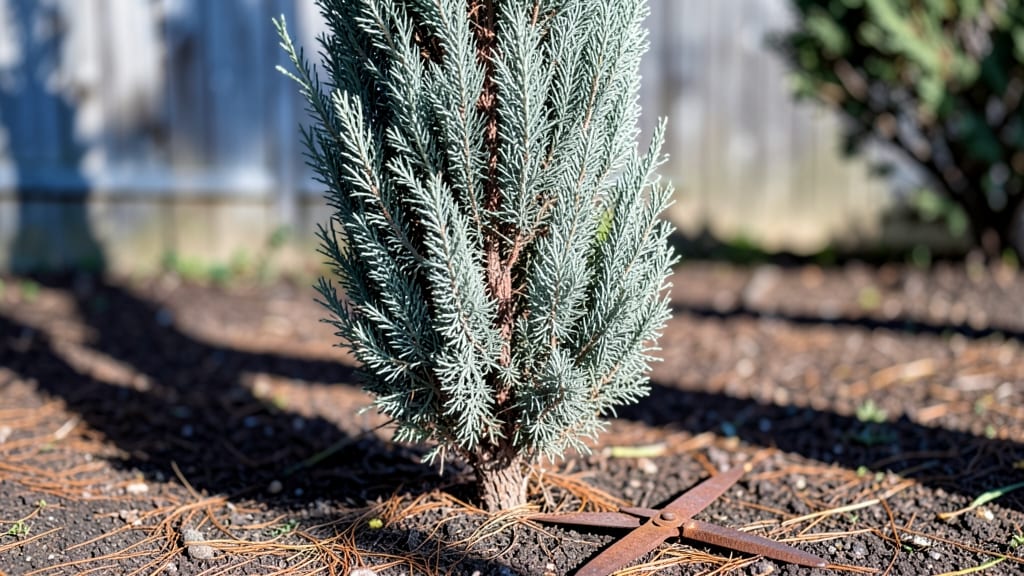
There’s nothing quite like the Pacific Northwest’s cypress tree foliage—soft, feathery, and impossibly lush—transforming a yard into a serene retreat. 🌿 The way it filters light through its branches creates dappled shadows that make any space feel like a hidden grove, while its evergreen presence provides year-round structure.
I’ve used it to frame entryways, soften fences, and even create living walls that neighbors envy.
The real magic happens when you pair it with complementary textures: the deep greens of rhododendrons, the silvery-blue of Oregon grape, or the bright blooms of camellias. A single cypress can anchor a themed garden—Japanese-inspired, cottage-core, or even modern minimalist—while its natural shape reduces the need for constant pruning.
For privacy screens, nothing beats the way its dense foliage blocks views without feeling heavy or artificial.
You’ll love how it stays vibrant through rain and wind, requiring only occasional trimming to maintain its shape. The foliage’s fine, needle-like texture also makes it a magnet for birds, adding another layer of life to your landscape.
Once established, it’s one of those plants that just works—minimal fuss, maximum impact.
Whether you’re designing a new space or refreshing an old one, cypress foliage brings that Pacific Northwest charm with effortless elegance. Let’s explore how to make the most of its natural beauty in your own yard.
📚 In This Guide
- What you need
- Instructions
- Tips and common mistakes
- Wrapping up and next steps
What you need
- ● Pruning shears – Bypass-style, sharp, and sanitized (for small branches)
- ● Loppers – 8- to 10-inch, with bypass blades (for medium branches up to 2 inches thick)
- ● Pruning saw – For branches 2+ inches in diameter (choose a curved-tooth saw for clean cuts)
- ● Extension pole pruners – For high branches (10-16 feet reach)
- ● Work gloves – Heavy-duty, cut-resistant (ANSI-rated) to protect your hands
- ● Safety glasses – Impact-resistant to shield against debris
- ● Ladder or extension ladder – Sturdy, rated for your height needs (24-32 feet for tall cypress)
- ○ Disposable pruning bags or tarp – For collecting debris (optional but helpful)
- ● Hand pruners sanitizer – Rubbing alcohol (70%+) or commercial sanitizer to prevent disease spread
- ● Rope or tarp – To secure branches or protect nearby plants
- ● Pole-mounted pruning saw – For hard-to-reach thick branches
- ● Tree wound dressing – (Avoid overuse; modern pruning often skips this)
- ● Spray bottle with water – To keep blades cool and prevent sap buildup
- ● First-aid kit – For minor scrapes or splinters
- ● Camera or phone – To document your progress or plan cuts
How to cultivate lush cypress tree foliage for Pacific Northwest privacy screens
This evergreen beauty thrives in the PNW’s damp climate—here’s how to coax its signature feathery growth.
🌱 Step 1: Select the Right Variety for Your Site
For Pacific Northwest conditions, I recommend Leyland cypress (× Cupressocyparis leylandii) for its rapid growth and dense foliage, or Hinoki cypress (Chamaecyparis obtusa) for its fragrant, soft needles. Both tolerate the region’s mild winters and high humidity, but Leyland handles wind better while Hinoki offers finer texture. Avoid Arizona cypress—it struggles with the wetter climate.
Check your site’s exposure: Leyland needs full sun (6+ hours daily) to maintain vibrant color, while Hinoki tolerates partial shade (3-4 hours sun). Measure spacing now—10-15 feet apart for mature height of 30-40 feet, or 6-8 feet for dwarf varieties like ‘Golden Ratio’. Plant too close and you’ll spend years pruning crowded branches.
☀️ Step 2: Prepare Soil and Plant for Optimal Growth
Cypresses hate soggy roots but thrive in well-draining, acidic soil (pH 5.5-7.0). Amend heavy clay with 2-3 inches of compost and 1 part perlite to 3 parts native soil to improve aeration. A 6-inch layer of bark mulch (but keep it 6 inches away from the trunk) retains moisture while preventing root rot—critical in the PNW’s rainy seasons.
Dig a hole twice as wide as the root ball but no deeper. Gently loosen roots if pot-bound, then place the tree so the root flare (where roots meet trunk) sits 1-2 inches above ground level. Backfill with native soil, tamp lightly, and water deeply until moisture reaches 12 inches down. The first year’s growth depends on this step—don’t rush it.
💧 Step 3: Water and Fertilize for Year-Round Foliage
Water deeply once weekly during the first growing season (spring through fall) until the soil 6 inches down feels moist. In winter, reduce to every 2-3 weeks unless we experience a dry spell. Overwatering causes yellowing needles—check soil moisture with your finger before watering. Drip irrigation works best to avoid wetting foliage, which invites fungal diseases like cypress canker.
Fertilize in early spring with a slow-release, balanced fertilizer (10-10-10) applied 6 inches from the trunk. Avoid high-nitrogen fertilizers—they promote weak, leggy growth. For established trees, a monthly liquid seaweed fertilizer (1-2-2 ratio) keeps foliage vibrant without stressing roots. You’ll notice new growth within 4-6 weeks if timing and application are right.
✂️ Step 4: Prune Strategically for Density and Shape
Prune Leyland cypress in late winter or early spring before new growth begins. Use clean, sharp bypass pruners to make cuts just above a healthy bud or branch collar. Remove no more than 25% of the foliage annually—cypresses are slow to recover from heavy pruning. Shape by trimming outer branches first, then inner ones to maintain an airy canopy that prevents disease.
For Hinoki cypress, prune lightly in summer to encourage dense, feathery growth. Avoid shearing—it creates a harsh, unnatural look. Instead, selectively trim overgrown branches to open the center for airflow. You’ll see fuller foliage within a season if you prune correctly. Always sterilize tools with 70% isopropyl alcohol between cuts to prevent spreading pathogens.
🌿 Step 5: Monitor and Protect Against PNW-Specific Threats
Watch for diplodia tip blight, common in wet PNW summers. It causes brown, dying tips—prune infected branches immediately and apply copper fungicide preventatively in late spring. Bagworms are another threat: handpick white silk bags in fall or treat with Bt (Bacillus thuringiensis) in early summer before larvae mature.
In coastal areas, salt spray can scorch foliage. If your tree faces the ocean, rinse needles with fresh water during dry spells. For urban sites, wash away dust annually with a hose attachment to prevent blockage of stomata. Healthy cypress foliage should be deep green, aromatic, and dense—if you see sparse, yellowing branches, it’s time to adjust care.
Tips & tricks for perfect cypress tree foliage
These pro tips will help you cultivate that signature feathery, lush foliage that makes cypress trees the PNW's privacy screen superstars.
Variety Selection Insight: Leyland cypress grows fastest—up to 3 feet per year—but Hinoki offers that signature fragrant aroma that's perfect for garden paths. For windy coastal sites, Leyland's natural conical shape handles gusts better, while Hinoki's finer needles create that soft, misty look in shaded areas. I always check local nurseries for PNW-grown stock—they're already acclimated to our climate.
Soil Prep Pro Tip: The 2-3 inches of compost and 1:3 perlite ratio in Step 2 is non-negotiable for PNW clay soils. I like to add a handful of sulfur granules to the mix when planting to help maintain that 5.5-7.0 pH range—cypresses absolutely hate alkaline soil. For container growing, use a mix of 50% peat moss, 30% pine bark fines, and 20% perlite to mimic their natural acidic forest floor habitat.
Watering Wisdom: That 6-inch soil moisture check in Step 3 is crucial—cypresses hate soggy roots but need consistent moisture. I've found that drip irrigation on a timer set for 15 minutes daily during summer prevents both underwatering and overwatering. For newly planted trees, I always water twice weekly for the first month to establish roots, then taper to the weekly schedule.
Pruning Precision: When trimming Leyland cypress in late winter, I focus on removing only the outermost branches first—this opens the canopy for airflow and prevents that dreaded "mushroom top" look. For Hinoki, I make a point to prune in summer afternoon heat when the tree is actively growing; the new growth that follows is always denser. Always sterilize your tools between cuts—70% isopropyl alcohol works perfectly, and it's cheaper than buying those fancy sterilizing sprays.
Pro Tips for Cypress Tree Foliage
- These pro tips will help you cultivate that signature feathery, lush foliage that makes cypress trees the PNW's privacy screen superstars.
- Variety Selection Insight: Leyland cypress grows fastest—up to 3 feet per year—but Hinoki offers that signature fragrant aroma that's perfect for garden paths.
- Soil Prep Pro Tip: The 2-3 inches of compost and 1:3 perlite ratio in Step 2 is non-negotiable for PNW clay soils.
Frequently asked questions
Got questions about maintaining that stunning cypress tree foliage in the Pacific Northwest? You’re not alone! Here are answers to the most common queries—from pruning tips to pest concerns—so you can keep your evergreen privacy screen looking lush and healthy year-round.
When is the best time to prune cypress tree foliage?
The ideal time to prune Cupressus or Chamaecyparis species is late winter or early spring (February–March in the PNW). This timing avoids stressing the tree during extreme heat or cold and allows new growth to flourish before summer. Never prune in fall—it can leave foliage vulnerable to winter dieback.
How do I fix brown or yellowing cypress foliage?
Brown or yellowing tips often signal overwatering, underwatering, or fungal issues. Check soil moisture (cypress prefers well-draining soil); adjust watering to 1–1.5 inches per week. If fungus is suspected (e.g., Seiridium canker), prune affected branches 12 inches below the damage and sterilize tools with 70% isopropyl alcohol. Pro tip: Mulch with cedar chips to deter fungal spores.
Why is my cypress tree shedding needles heavily?
Heavy needle drop can occur due to stress from transplant shock, drought, or pests. If it’s sudden and widespread, inspect for aphids, spider mites, or bagworms (common in PNW cypress). For mild shedding, focus on consistent moisture and avoid heavy pruning. Mature trees naturally shed older needles—this is normal if new growth appears.
Can I use cypress foliage for mulch or compost?
Yes! Dried cypress foliage makes excellent mulch—it’s slow to decompose, retains moisture, and deters weeds. For compost, chop it finely (needles break down slower than broadleaf debris) and mix with nitrogen-rich greens (like grass clippings). Avoid using diseased foliage in compost to prevent spreading pathogens.
What’s a good alternative to cypress for PNW privacy screens?
If cypress isn’t your style, consider these PNW-friendly evergreens:
- Thuja plicata (Western Red Cedar) – Fast-growing, deer-resistant, and drought-tolerant.
- Tsuga heterophylla (Western Hemlock) – Soft foliage, thrives in shade, and handles wet soils.
- Pseudotsuga menziesii (Douglas Fir) – Tall and dense, but needs space (avoid near structures).
- Ilex × ‘Sky Pencil’ (Holly) – Narrow, columnar, and great for tight spaces.
Hot tip: For year-round color, pair cypress with Rhododendron or Pieris for layered interest.
Wrapping up and next steps
The cypress tree foliage in the Pacific Northwest isn’t just a stunning privacy screen—it’s a low-maintenance, year-round investment in beauty and serenity. With the right tools and techniques, you can keep your cypress thriving while enjoying its lush, aromatic greenery for decades. 🌿
Ready to take the next step? Schedule a pruning session or research local arborists to maintain your tree’s health. Whether you’re a seasoned gardener or a first-time homeowner, your cypress will thank you with vibrant, resilient foliage!