
Trees
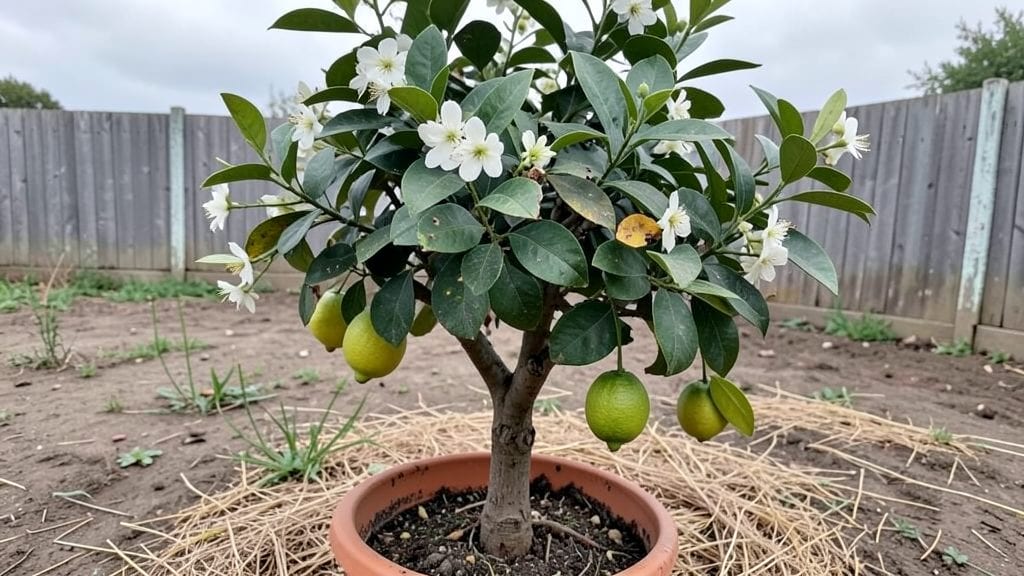
Growing lemon trees in North Carolina means choosing the right frost-resistant varieties that thrive in your mild winters and hot summers. 🌿 I’ve spent years testing different types, and the key is picking varieties like 'Meyer' or 'Eureka' that can handle brief cold snaps while still producing sweet, juicy fruit.
The secret isn’t just the tree—it’s the microclimate you create around it, whether that’s a sheltered spot in the ground or a large container you can move indoors.
North Carolina’s climate gives you a real advantage—with the right care, your lemon tree can bloom year-round, even in cooler months.
You’ll need well-draining soil (think sandy loam mixed with compost), full sun for at least 6 hours a day, and consistent watering that keeps the roots moist but never soggy. The biggest challenge? Frost.
Even cold-hardy varieties need protection when temperatures dip below 20°F, whether that’s a frost cloth, a greenhouse, or simply moving potted trees indoors.
By mid-summer, you’ll be harvesting bright yellow lemons that taste sweeter than anything from the store. The tree itself becomes a stunning focal point in your yard, with glossy green leaves and fragrant white blossoms that attract pollinators.
Plus, the fruit keeps producing for years—once established, a healthy lemon tree can give you 50-100 lemons per season if you prune it right and fertilize in spring.
Whether you’re growing in the ground or in containers, the same principles apply: protect from frost, feed regularly, and give it space to grow. Indoor growers can even extend the season with grow lights, though outdoor trees will always taste better.
The payoff? Fresh lemons for cooking, drinks, and even homemade lemon curd—all while adding a touch of Mediterranean charm to your North Carolina landscape.
📚 In This Guide
- What you need
- Instructions
- Tips and common mistakes
- Wrapping up and next steps
What you need
- ● Lemon tree variety: Choose a cold-hardy type like Meyer lemon (USDA Zones 7-10) or Ponderosa lemon (Zones 8-11). Buy a 1- to 3-gallon potted sapling from a local nursery.
- ● Container (if growing in pots): A 5-gallon or larger pot with drainage holes (e.g., fabric grow bags or ceramic pots). For in-ground planting, ensure well-draining soil.
- ● High-quality potting mix: A blend of 60% peat moss or coconut coir, 30% perlite or pumice, and 10% compost (or a pre-mixed citrus mix).
- ● Slow-release fertilizer: A citrus-specific fertilizer (e.g., 6-6-6 NPK ratio) or organic options like fish emulsion or seaweed extract.
- ● Mulch: 3–4 inches of organic mulch (e.g., pine straw or shredded bark) to insulate roots in winter.
- ● Drip irrigation or hose: For consistent moisture—lemon trees hate soggy roots but need steady water.
- ● Pruning shears: Sharp, sterilized shears for shaping and removing dead branches.
- ● Frost protection (for Zones 7-8): Burlap wraps or frost cloth (rated for 20–25°F protection).
- ● String lights or space heaters (safely placed away from foliage).
- ● Grow lights: LED full-spectrum lights for indoor seedlings or winter supplementation.
- ● Soil moisture meter: To avoid over/under-watering (lemon trees prefer consistently moist but not waterlogged soil).
- ● Epsom salt: 1 tablespoon per gallon of water monthly for magnesium boosts (prevents yellowing leaves).
- ● Citrus food: Liquid feed like Citrus-tone for a mid-season nutrient kick.
- ● Bird netting: If bees or birds are a nuisance near your blooms!
Step-by-step guide to growing frost-resistant lemon trees in NC
Here’s how to cultivate hardy citrus that thrives in North Carolina’s climate—with minimal winter stress.
🌱 Step 1: Select the Right Variety for NC’s Climate
Skip standard lemon trees—they’ll freeze in NC’s winters. Instead, choose ‘Meyer lemon’ or ‘Improved Meyer lemon’, the most cold-hardy varieties available. These tolerate brief dips to 20°F and recover well, though prolonged frost will still damage them. Buy a 3-4 year old container-grown tree from a reputable nursery for faster, more resilient growth.
Check the rootstock too. Trees grafted onto trifoliate orange rootstock handle NC’s winters better than those on standard sour orange. Avoid bare-root trees—they struggle to establish in our humid summers. Look for a well-branched, bushy tree with no signs of pests or root rot.
☀️ Step 2: Plant in the Warmest, Sheltered Spot
Lemon trees need full sun—at least 8 hours daily—but NC’s summers can be brutal. Plant in a location with afternoon shade (like near a west-facing wall or under a patio cover) to protect from 90°F+ heat. The ground should stay slightly moist but well-drained—citrus hates soggy roots.
Dig a hole twice as wide as the root ball but no deeper. Mix the removed soil with 2-3 inches of compost and a handful of slow-release citrus fertilizer (like Osmocote). This gives your tree a nutrient boost right away. Place the tree so the root flare (where roots meet trunk) sits 1 inch above soil level—burying it too deep suffocates roots.
💧 Step 3: Water Deeply and Mulch for Winter Protection
Water deeply once a week during the first growing season, soaking the soil 12 inches down. Lemon trees in NC need consistent moisture but hate wet feet. Check soil moisture by sticking your finger in—if it’s dry past 2 inches, it’s time to water. Avoid overhead sprinklers; they spread fungal diseases like citrus greening.
In late fall, mulch heavily with 3-4 inches of pine straw or wood chips, keeping it 6 inches away from the trunk. This insulates roots from freezing temps and retains moisture. Wrap the trunk in burlap or frost cloth once temps drop below 35°F, securing it loosely to allow airflow. Remove the wrap in early spring before new growth starts.
✂️ Step 4: Prune and Fertilize for Year-Round Health
Prune in late winter or early spring (after frost risk passes) to remove dead, crossing, or crowded branches. Cut just above a leaf node (the bump where leaves grow) to encourage new growth. Avoid heavy pruning—lemon trees fruit best when slightly dense. Sterilize pruners with rubbing alcohol between cuts to prevent disease spread.
Fertilize every 6-8 weeks from spring to fall with a balanced citrus fertilizer (like 6-6-6 or 8-3-9). In winter, switch to a low-nitrogen, high-potassium formula (like 3-1-5) to harden the tree for cold. Never fertilize in summer heat—it burns roots. Flush the soil with water after each feeding to prevent salt buildup.
⏰ Step 5: Protect from Frost and Pests Year-Round
Monitor the National Weather Service for frost warnings. If a light freeze (28-32°F) is forecast, cover the tree with a large cardboard box or frost blanket secured with bricks. For hard freezes below 28°F, wrap the tree and string lights around it to add 5-10°F of warmth. Remove covers immediately when temps rise above freezing to avoid moisture buildup.
Watch for citrus pests like aphids, scale, and spider mites—common in NC’s humid summers. Spray with neem oil (mixed 1 tbsp per gallon of water) every 2 weeks during growing season. Avoid chemical pesticides; they harm beneficial insects and leave residues on fruit. If you see yellowing leaves, it could signal citrus greening—remove infected branches immediately and report to your local extension office.
Tips & tricks for perfect frost-resistant lemon trees in NC
A few key tricks will help your lemon trees survive NC's winters and thrive year-round. Here's what I've learned from growing citrus in our challenging climate.
Variety Selection Matters: The 20°F tolerance of Meyer lemons is their secret weapon for NC winters. I've seen standard lemons die after just one hard freeze, while my Meyer trees bounce back beautifully. When choosing a tree, look for the rootstock label—trifoliate orange rootstock is the gold standard for cold resistance. Don't be tempted by cheaper bare-root options; they struggle with our humid summers and aren't worth the risk.
Planting Location Strategy: That 8 hours of full sun is non-negotiable, but afternoon shade becomes critical when NC summers hit 90°F+. I plant my trees near my west-facing garage wall where they get morning sun but afternoon relief. The root flare sitting 1 inch above soil level is crucial too—burying it deeper suffocates the roots, making the tree more vulnerable to winter stress. Think of it as giving your tree's neckroom to breathe.
Winter Protection Hacks: The 35°F threshold for wrapping your tree is your first warning. I use frost cloth instead of plastic—it breathes better and prevents moisture buildup that can rot branches. For hard freezes below 28°F, string lights add that extra 5-10°F of warmth without overdoing it. Pro tip: Keep a weather radio nearby so you can act fast when forecasts change unexpectedly.
Pest Prevention: That 2-week neem oil schedule during growing season saves me from endless battles with aphids and spider mites. I mix it in a spray bottle and apply it in the early morning when bees aren't active. The key is consistency—missing even one treatment can let pests take hold. For yellowing leaves, act fast: citrus greening spreads quickly, so remove infected branches immediately and report suspicious cases to your local extension office.
Pro Tips for Lemon Trees In Nc
- A few key tricks will help your lemon trees survive NC's winters and thrive year-round.
- Variety Selection Matters: The 20°F tolerance of Meyer lemons is their secret weapon for NC winters.
- Planting Location Strategy: That 8 hours of full sun is non-negotiable, but afternoon shade becomes critical when NC summers hit 90°F+.
Frequently asked questions
Got questions about growing lemon trees in North Carolina’s climate?
You’re not alone! Here are answers to the most common concerns—from frost survival to harvest timing—so you can grow thriving citrus even in the Tar Heel State.
Can lemon trees survive North Carolina winters?
Most standard lemon trees (Citrus × limon) are tropical and won’t survive NC’s frosts (Zone 7-9). However, frost-resistant varieties like Meyer lemon or Ponkan lemon can tolerate brief dips to 15–20°F with proper care. Plant in containers for mobility or near south-facing walls to trap heat. Mulch heavily and wrap trunks in burlap for extra protection during cold snaps.
How do I protect my lemon tree from frost in NC?
Use a multi-layered approach:
- Move containers to a garage or covered patio before temps drop below 32°F.
- Cover the tree with frost cloth or a blanket (secure loosely to avoid damage).
- Water deeply the night before frost to insulate roots.
- Use Christmas lights around the base to add gentle warmth.
- Prune lightly in late winter to remove frost-damaged branches.
Pro tip: Avoid heavy pruning in fall—new growth is more vulnerable to cold.
When is the best time to plant lemon trees in NC?
Plant container-grown lemon trees in late spring (after last frost, ~April–May) or early fall (September–October) for optimal root establishment. Avoid planting in summer heat or winter frost. If starting from seed, germinate indoors in warmth (70–80°F) and transplant seedlings after the soil warms to 60°F+.
Are there alternatives to lemon trees for NC’s climate?
Yes! If lemons are too finicky, try these frost-tolerant citrus relatives:
- Trifoliate orange (Zone 5–9): Hardy, great for rootstock or edible fruit.
- Kumquat (Zone 7–10): Sweet-tart fruit, tolerates light frost.
- Calamondin orange (Zone 9–11): Small, ornamental, and cold-hardy.
- Satsuma mandarin (Zone 7–9): One of the few true citrus trees that thrive in NC winters!
Bonus: Grow lemon verbena (a fragrant herb) for a lemony scent without the frost risk!
Why are my lemon tree leaves yellowing or dropping?
Yellow leaves are usually a sign of:
- Overwatering: Check soil moisture—citrus hates soggy roots. Let soil dry 2–3 inches deep between waterings.
- Underwatering: Drooping leaves or crispy edges mean it’s thirsty. Water deeply until it drains from the bottom.
- Nutrient deficiency: Yellowing between veins? Feed with a citrus-specific fertilizer (high in nitrogen, zinc, and iron) in spring.
- Frost damage: Brown, mushy leaves after cold snaps? Prune affected areas and protect the tree next time.
Quick fix: Flush the soil with water to prevent salt buildup from fertilizers.
Wrapping up and next steps
Growing lemon trees in NC is absolutely doable—even in cooler climates! 🌿 With the right frost-resistant varieties like Meyer or Eureka, you can enjoy year-round blooms and zesty harvests.
Whether you’re a seasoned gardener or just starting, the key is patience, proper care, and a little creativity (like overwintering indoors).
Ready to take the next step? Start small—plant a single tree in a sunny spot, experiment with containers, or even share tips with fellow NC gardeners. Your lemon tree adventure begins today! 🍋✨