
Pruning
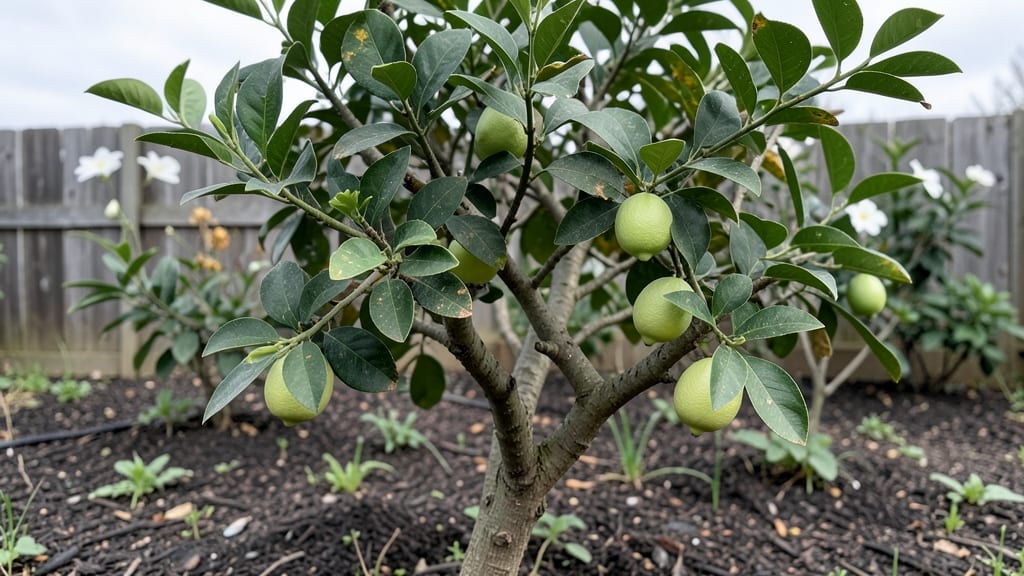
Growing a lemon tree in Michigan isn’t just possible—it’s a rewarding challenge that turns your kitchen into a sun-drenched Mediterranean escape. 🌿 I’ve watched my Meyer lemon tree thrive through Michigan winters by mastering frost-resistant pruning, and the secret lies in timing, technique, and a little seasonal strategy.
The first year, I nearly gave up when the leaves blackened after our first hard freeze, but adjusting my approach changed everything.
You’ll need a cold-hardy variety like Meyer lemon, a large container (at least 15-gallon) for mobility, and a sunny spot that gets 6+ hours of light daily.
The real work happens in late fall and early spring: pruning to remove weak growth, wrapping the trunk for insulation, and moving the tree indoors before temperatures drop below 20°F.
With these steps, you’ll protect your tree from frost damage and keep it producing fragrant blooms and tart lemons year after year.
By summer’s end, you’ll be harvesting lemons that taste sweeter than anything from the store, and your tree will look lush and healthy despite Michigan’s harsh winters. The key is consistency—pruning at the right time, monitoring soil moisture, and giving it the protection it needs when temperatures plunge.
Trust me, the first time you sip fresh lemonade from your own tree in January, you’ll wonder why you ever doubted it.
This method works for both outdoor-in-ground plantings (with extra winter protection) and container-grown trees, making it adaptable to your space. Whether you’re a first-time gardener or a seasoned grower, these frost-resistant techniques will keep your lemon tree alive and thriving—no matter what Michigan throws at it.
📚 In This Guide
- What you need
- Instructions
- Tips and common mistakes
- Wrapping up and next steps
What you need
- ● Pruning shears – Sharp, bypass-style (not anvil) for clean cuts (1 pair).
- ● Loppers – For thicker branches (3–5 inches thick) (1 pair).
- ● Hand pruners – For delicate trimming (1 pair).
- ● Disinfectant (70% isopropyl alcohol or bleach solution) – To sterilize tools between cuts (small bottle).
- ● Garden gloves – Heavy-duty, chemical-resistant (1 pair).
- ● Pruning saw – For thick, woody branches (if needed) (1).
- ● Plastic wrap or tree wrap – To protect trunk from frost cracks (1 roll).
- ● Frost cloth or burlap – Lightweight, breathable cover for young trees (5–10 ft. length).
- ● Mulch (straw, pine needles, or wood chips) – 2–3 inches deep around the base (5–10 gallons).
- ● Citrus-specific fertilizer – High in nitrogen, potassium, and micronutrients (1 bag).
- ○ Heating mat or bulb – For container-grown trees in extreme cold (optional).
- ● Tree guard or frost blanket – Extra insulation for heavy frost zones.
- ● Hose or spray bottle – For post-pruning hydration (if not watering immediately).
- ● Labeling tags – To track pruning dates and varieties.
Step-by-Step pruning for Michigan lemon trees
Here’s how I protect my lemon trees through Michigan’s brutal winters—without losing them to frost.
🪴 Step 1: Identify Frost-Sensitive Growth
Lemon trees are tropical at heart, so their new spring growth and flower buds are the first casualties of Michigan’s cold snaps. I prune in early spring (March-April) before buds swell, focusing on removing any thin, leggy branches that won’t survive sub-20°F temperatures. These are the weakest parts of the tree and will die back first if left unchecked.
Use sharp pruning shears to cut just above a leaf node (the bump where leaves grow) at a 45-degree angle. This encourages new growth from a stronger, more established part of the tree. Avoid cutting into old wood—it’s already hardened and less likely to regrow. If you’re unsure, err on the side of caution and leave it; you can always prune more later.
✂️ Step 2: Shape for Airflow and Sun Exposure
The key to frost resistance is circulation—cold air pools around dense foliage, freezing branches from the inside out. I thin out the canopy by removing 20-30% of the smallest branches, starting from the inside of the tree and working outward. This creates an open, airy structure that lets sunlight penetrate deeper, warming the center.
Look for branches growing inward or crossing each other—these compete for sunlight and create shaded spots where frost lingers. Cut these back to the nearest outward-facing bud. If a branch is thicker than your thumb, use a pruning saw instead of shears to avoid tearing the bark. Smooth cuts heal faster, so take your time to make clean slices rather than jagged tears.
☀️ Step 3: Prepare for Late-Spring Frost
Michigan’s late spring frost (April-May) is the real villain for lemon trees. By now, your tree is pushing new growth, and a sudden cold snap can kill tender leaves overnight. I protect my trees by pruning any flower buds that appear before the last frost date—typically May 15 in most of Michigan. Yes, it’s heartbreaking to remove potential fruit, but a dead tree is worse.
Use a magnifying glass to spot tiny buds hidden in the foliage. Snip them off with clean shears, and dispose of them in the trash (not compost—they might sprout and freeze). This might seem counterintuitive, but it redirects the tree’s energy into strengthening its structure for next year’s harvest. After pruning, give the tree a light feeding with balanced fertilizer (10-10-10) to support recovery.
🌿 Step 4: Winter Hardening Before Cold Sets In
By late summer (August-September), I shift focus to hardening the tree for winter. Reduce watering gradually to encourage root growth deeper into the soil, where temperatures are more stable. Stop fertilizing entirely—new growth this late in the season won’t harden in time for frost. Instead, focus on pruning any suckers (shoots growing from the base) and water sprouts (vertical shoots), as these are the first to freeze.
Apply a 2-3 inch layer of mulch around the base of the tree (but not touching the trunk) to insulate roots. I use straw because it breaks down slowly and adds organic matter to the soil. Wrap the trunk of younger trees (3 years old or less) with burlap or frost cloth, securing it loosely to allow for some expansion. Older trees with thick bark can handle Michigan winters without extra wrapping, but a layer of mulch around the root zone makes a huge difference.
⏰ Step 5: Post-Frost Recovery and Adjustments
After the last frost (mid-May), inspect your lemon tree for damage. Any branches that look blackened, mushy, or hollow are dead and should be pruned back to healthy wood. Healthy growth will be firm, green, and slightly flexible. If you’re unsure, wait a week—sometimes frost-damaged branches recover if the rest of the tree stays healthy.
If your tree lost most of its leaves, don’t panic. Lemon trees are resilient and will regrow if the roots and trunk are intact. Give it a light application of nitrogen-rich fertilizer to support new growth. Monitor for signs of stress, like yellowing leaves or wilting, and adjust watering accordingly. Michigan’s soil can be heavy and compacted, so if the tree isn’t recovering well, consider amending the soil with compost or peat moss to improve drainage and aeration.
Tips & tricks for perfect Michigan lemon tree pruning
Here’s how to avoid the most common pruning mistakes and keep your lemon tree thriving through Michigan’s harsh winters.
Timing is Everything: The early spring pruning window in March-April is critical—don’t wait until buds swell or you’ll risk removing growth that could have survived. I’ve learned the hard way that waiting too long means sacrificing potential fruit production. In Step 1, focus on those thin, leggy branches first—they’re the weakest links when temperatures drop below 20°F.
Precision Cuts Matter: When pruning in Step 2, always cut at a 45-degree angle just above a leaf node. This isn’t just about aesthetics—it’s about directing new growth from stronger parts of the tree. I’ve seen too many amateur cuts tear bark or leave stubs that invite disease. For branches thicker than your thumb, use a pruning saw to avoid jagged edges that slow healing.
Late-Spring Frost Protection: The May 15 deadline for removing flower buds might seem harsh, but it’s non-negotiable in Michigan’s climate. I use a magnifying glass to spot hidden buds—those tiny buds can easily be missed but will freeze overnight. After pruning, that 10-10-10 fertilizer application gives the tree the energy boost it needs to recover and redirect its resources toward structural strength.
Winter Hardening Secrets: The 2-3 inch mulch layer in Step 4 isn’t just about insulation—it’s about creating a stable microclimate for roots. I’ve found straw works best because it breaks down slowly, adding organic matter while protecting against temperature swings. For younger trees, that burlap wrap around the trunk can make all the difference between survival and loss during our brutal winters.
Pro Tips for Lemon Tree In Michigan
- Here’s how to avoid the most common pruning mistakes and keep your lemon tree thriving through Michigan’s harsh winters.
- Timing is Everything: The early spring pruning window in March-April is critical—don’t wait until buds swell or you’ll risk removing growth that could have survived.
- Precision Cuts Matter: When pruning in Step 2, always cut at a 45-degree angle just above a leaf node.
Frequently asked questions
Got questions about growing a lemon tree in Michigan’s chilly climate? You’re not alone! Here are answers to the most common concerns—from frost survival to pruning hacks—so you can keep your citrus thriving year-round.
Can lemon trees survive Michigan winters without special care?
Most standard lemon trees (Citrus × limon) are not frost-tolerant and will die in Michigan’s winters (Zone 5-6) unless you take action. However, hardy citrus varieties (like ‘Meyer’ or ‘Improved Meyer’) or container-grown trees with winter protection can survive with proper pruning, mulching, and indoor sheltering during extreme cold (below 20°F/-7°C).
When should I prune my lemon tree for winter in Michigan?
Prune your lemon tree in early spring (March–April), just before new growth begins. This timing helps the tree recover before summer heat and prepares it for winter dormancy. Avoid heavy pruning in fall—it stresses the tree before it’s ready for cold. Focus on:
- Removing dead/diseased branches
- Thinning out crowded growth for airflow
- Shaping to fit winter protection (e.g., row covers or containers)
How do I protect my lemon tree from Michigan frost?
Use a multi-layered approach:
- Containers: Move potted trees indoors (garage, basement) when temps drop below 30°F/-1°C.
- Mulch: Apply 4–6 inches of straw or wood chips around the base to insulate roots.
- Row covers: Use frost cloth over outdoor trees (secure with stakes).
- Heat sources: Place a safe heat lamp near containers (never leave unattended).
Can I grow a lemon tree in Michigan’s ground year-round?
Not reliably. Michigan’s Zone 5-6 winters are too harsh for most citrus, even with pruning. Your best bets:
- Container gardening: Move trees indoors in winter (they’ll need a sunny window or grow lights).
- Greenhouse/hoop house: Extend the season with a heated structure (aim for 40°F+/4°C+ nights).
- Microclimates: Plant near south-facing walls or in raised beds with extra mulch—but expect some winter damage.
Why are my lemon tree’s leaves yellowing or dropping after pruning?
Yellow leaves (chlorosis) or excessive dropping are often caused by:
- Over-pruning: Cutting too much in one session stresses the tree. Stick to no more than 25% of foliage per pruning.
- Nutrient deficiency: Citrus needs iron, zinc, and nitrogen. Amend soil with compost or use a citrus-specific fertilizer.
- Transplant shock: If recently potted, roots may need time to adjust. Keep soil moist but not soggy.
- Fungal issues: Wet leaves + cold = root rot. Ensure proper drainage and avoid overhead watering.
Wrapping up and next steps
Growing a lemon tree in Michigan is absolutely doable with the right frost-resistant pruning techniques! By understanding your climate, timing cuts strategically, and protecting tender growth, you can enjoy year-round lemons—even in colder seasons. Don’t let frost hold you back—your citrus dreams are within reach!
Ready to take the next step? Start small—plant a dwarf variety in a pot for easy winter relocation, or experiment with a single branch grafted onto a hardy rootstock. Try one technique this season and watch your lemon tree thrive!