
Pruning
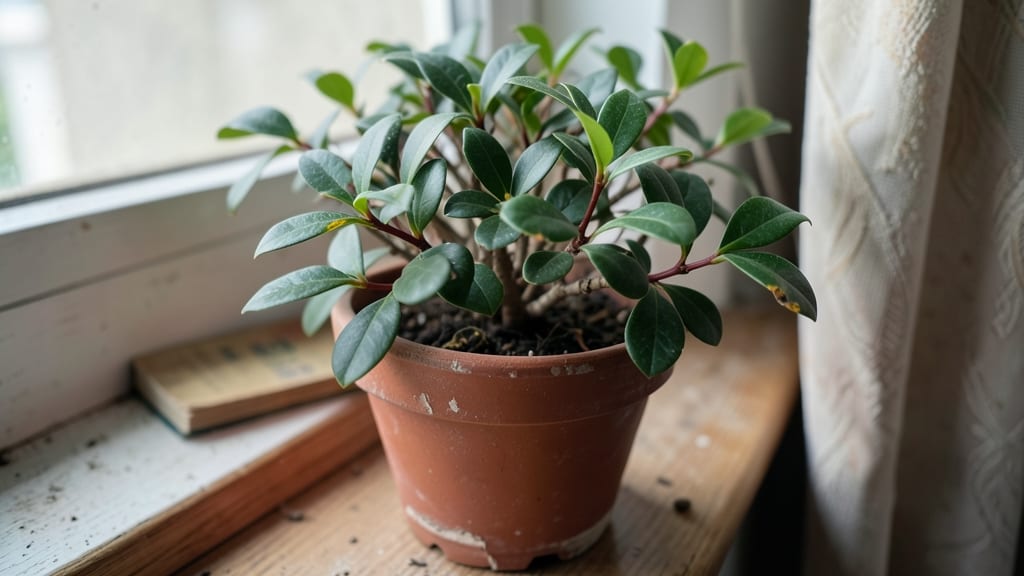
Growing a cinnamon tree indoors means fresh spice right in your kitchen—no grocery store needed. 🌿 I’ve had mine for three years, and the smell alone makes it worth the effort.
The key is mimicking its tropical home with bright light, warm air, and just enough water to keep it happy without drowning it.
You’ll need a 6-inch pot with drainage, well-draining soil, and a sunny spot near a south-facing window. Humidity is the secret weapon—mist the leaves weekly or use a pebble tray to keep it thriving.
Prune lightly after harvest to encourage bushier growth, and you’ll have fresh cinnamon sticks within 2-3 years.
By winter, your tree will smell like a holiday spice cabinet, and you’ll never buy cinnamon again. The leaves stay fragrant, the bark thickens, and with proper care, it grows 3-6 feet tall indoors. Just watch for spider mites—dust the leaves regularly to prevent them.
Perfect for small spaces or cozy kitchens, this tree adapts to apartments and greenhouses alike. Here’s how to keep it thriving year-round without the guesswork.
📚 In This Guide
- What you need
- Instructions
- Tips and common mistakes
- Wrapping up and next steps
What you need
- ● Cinnamon tree plant: Start with a Cinnamomum verum (true cinnamon) or Cinnamomum burmannii sapling (available at specialty nurseries or online). (1 plant)
- ● Pot: A 12–16-inch diameter container with drainage holes (terracotta or ceramic preferred). (1 pot)
- ● Well-draining potting mix: Combine 50% peat moss or coconut coir, 30% perlite or pumice, and 20% compost for aeration. (1 bag or DIY mix)
- ● Pruning tools: Sharp bypass pruners (for clean cuts)
- ● Sterilized scissors (for fine trimming)
- ○ Support stake: A 3–4 ft tall bamboo or metal stake (optional but helpful for young trees). (1 stake)
- ● Gloves: Heavy-duty gardening gloves (to protect from sap and thorns).
- ● Spray bottle: For misting leaves (especially in dry climates).
- ● pH testing kit: To monitor soil acidity (ideal range: 5.5–6.5).
- ● Fertilizer: Balanced liquid fertilizer (10-10-10) (diluted to half-strength)
- ● Organic options: Fish emulsion or worm castings (every 4–6 weeks).
- ● Mulch: Orchid bark or pine needles (to retain moisture and mimic tropical conditions).
- ○ Grow lights (optional): Full-spectrum LED lights (12–14 hours/day) if natural light is limited.
- ● Space: A sunny windowsill (south or west-facing) or a spot under grow lights.
- ● Temperature control: Keep indoors at 65–80°F (18–27°C)—avoid drafts or cold windows.
- ● Patience: Cinnamon trees take 3–5 years to produce harvestable bark, but pruning starts now!
Step-by-Step guide to growing a thriving cinnamon tree indoors
Here's how to cultivate a fragrant, productive cinnamon tree that rewards you with fresh bark and leaves year-round.
🌱 Step 1: Select and Prepare Your Cinnamon Tree Starter
Choose a healthy 3-4 inch cutting from a mature cinnamon tree—look for stems with 3-4 nodes and a few leaves. The best time to take cuttings is in late spring or early summer when the plant is actively growing. Dip the cut end in rooting hormone powder to encourage root development, then plant it in a 4-inch pot filled with a well-draining mix of 50% perlite and 50% peat moss.
Gently firm the mix around the cutting to eliminate air pockets, but don't compact it too tightly. Water lightly until moisture reaches the bottom of the pot, then place the pot in a clear plastic bag to create a humid environment. This mimics the tropical conditions cinnamon trees thrive in. Keep the bagged cutting in bright, indirect light (no direct sun) and maintain a temperature of 70-75°F.
☀️ Step 2: Establish Light and Watering Routines
Once roots form in 4-6 weeks, you'll notice new growth emerging from the nodes. This is your cue to transition the cutting to a 6-inch pot with a standard potting mix that includes 20% sand for drainage. Place the pot in a location with bright, indirect light—east or west-facing windows work best. If natural light is insufficient, supplement with a grow light positioned 12-18 inches away for 12-14 hours daily.
Water your cinnamon tree when the top inch of soil feels dry. Overwatering is the fastest way to kill this tropical plant, so always check moisture levels with your finger before watering. During winter, reduce watering frequency as the plant enters a slower growth phase. Yellowing leaves often signal overwatering, while crispy edges indicate underwatering—both are easily corrected by adjusting your routine.
✂️ Step 4: Prune for Shape and Spice Production
Pruning isn't just about aesthetics—it encourages thicker bark and more abundant spice production. Use clean, sharp pruning shears to trim back leggy growth in early spring, cutting just above a leaf node. This redirects energy toward bushier growth and thicker stems. For the first year, focus on shaping the tree to encourage a sturdy structure, then transition to selective pruning to harvest branches for cinnamon bark.
Harvest branches in late fall or early winter when the plant is dormant. Choose stems that are ¼ to ½ inch in diameter—thicker branches yield the best-quality bark. Peel the outer layer carefully to expose the fragrant inner bark, then dry it in a 100-110°F dehydrator or oven for 2-3 hours until brittle. Store the dried bark in an airtight container away from moisture to preserve its flavor and aroma.
🪴 Step 5: Repot and Fertilize for Long-Term Growth
Repot your cinnamon tree every 2-3 years in spring, moving it up to a pot 2-3 inches larger in diameter. This gradual increase prevents root shock and encourages steady growth. Choose a pot with drainage holes and fresh potting mix to refresh the root environment. After repotting, hold off on fertilizing for 4-6 weeks to allow the roots to establish in their new space.
Feed your cinnamon tree with a balanced liquid fertilizer (10-10-10 or 20-20-20) diluted to half-strength every 4-6 weeks during the growing season (spring and summer). In fall and winter, reduce fertilization to once every 8-10 weeks as the plant's growth slows. Always water the tree thoroughly before applying fertilizer to prevent root burn—a common issue with tropical plants.
Tips & tricks for perfect cinnamon tree cultivation indoors
Growing a thriving cinnamon tree indoors takes patience and attention to detail—here's how to avoid common pitfalls and maximize your harvest.
Rooting Environment: The 4-6 week rooting period in Step 1 requires consistent humidity. I've found that placing a small tray of water near the bagged cutting (but not touching it) creates extra moisture without overwatering. Also, avoid direct sunlight during this stage—bright, indirect light is key to preventing leaf scorch while roots establish.
Lighting Strategy: For the 12-14 hours of daily light in Step 2, I recommend using a full-spectrum grow light rather than standard LED bulbs. Cinnamon trees need that specific light spectrum to produce the aromatic compounds we love. Position it 12-18 inches away and adjust as your tree grows—closer for winter when natural light is weaker.
Pruning Precision: When harvesting branches in Step 4, focus on stems between ¼ to ½ inch in diameter—they'll yield the thickest, most flavorful bark. I always make cuts just above a leaf node using sharp pruners to prevent tearing. After harvesting, store the bark in an airtight container with a silica gel packet to absorb any moisture and preserve that fresh cinnamon aroma.
Temperature Management: Maintaining the 70-75°F range mentioned in Step 1 and the 100-110°F drying temperature in Step 4 is crucial. For drying bark, I use my oven's lowest setting (often around 100°F) with the door slightly open to allow moisture to escape. Too high a temperature will burn the bark, while too low won't dry it properly—aim for that crisp, brittle texture that's ready to grind.
Pro Tips for Cinnamon Tree Indoors
- Growing a thriving cinnamon tree indoors takes patience and attention to detail—here's how to avoid common pitfalls and maximize your harvest.
- Rooting Environment: The 4-6 week rooting period in Step 1 requires consistent humidity.
- Lighting Strategy: For the 12-14 hours of daily light in Step 2, I recommend using a full-spectrum grow light rather than standard LED bulbs.
Frequently asked questions
Got questions about growing a cinnamon tree indoors? You’re not alone! Here are some of the most common queries—plus quick, actionable answers to keep your spice harvest thriving.
Can a cinnamon tree (Cinnamomum verum) survive indoors long-term?
A true Cinnamomum verum (Ceylon cinnamon) is tricky indoors—it’s a tropical tree that needs bright, indirect light (like a south-facing window) and high humidity (60%+). Most indoor growers opt for the hardier Cinnamomum camphora (camphor tree), which tolerates lower light and cooler temps. If you’re set on real cinnamon, start with a small cutting and be patient—growth is slow!
How long does it take for an indoor cinnamon tree to produce bark?
Don’t rush—real cinnamon bark takes 3–5 years to mature indoors! The tree needs to reach 6–10 feet tall (or at least 2–3 inches in trunk diameter) for harvestable bark. Prune strategically to encourage trunk thickness, but avoid over-trimming—you’ll need that girth! Pro tip: Use a grafted cinnamon tree (like Cinnamomum burmannii) for faster results.
Why are my cinnamon tree’s leaves turning yellow or dropping?
Yellow leaves usually signal overwatering or low humidity. Let the top 2–3 inches of soil dry out between waterings, and mist leaves daily (or use a pebble tray). Brown edges? Too dry or cold drafts—move your tree away from AC/heaters. Pests (like spider mites) can also cause leaf drop. Check undersides and treat with neem oil if needed.
What’s the easiest alternative to a cinnamon tree for indoor spice growing?
If cinnamon feels too finicky, try these low-maintenance spice plants:
- Stevia (Stevia rebaudiana) – Sweetener leaves, thrives in pots.
- Lemongrass (Cymbopogon citratus) – Hardy, loves humidity, and multiplies fast.
- Basil (Ocimum basilicum) – Classic herb with minimal care.
- Mint (Mentha spp.) – Grows aggressively (contain it in a pot!).
For cinnamon flavor, try Cinnamomum loureirii (Saigon cinnamon)—it’s more forgiving than true cinnamon but still needs bright light.
How often should I prune my indoor cinnamon tree for bark harvest?
Prune lightly 2–3 times a year to shape the tree and encourage trunk growth:
- Spring: Trim leggy branches to redirect energy to the trunk.
- Summer: Pinch back new growth to promote bushiness.
- Fall/Winter: Light pruning to remove dead wood (avoid heavy cuts—this stresses the tree).
Key rule: Never remove more than 20% of the foliage at once. The goal is a thick, sturdy trunk—patience pays off!
Wrapping up and next steps
Growing a cinnamon tree indoors isn’t just a rewarding hobby—it’s a delicious way to enjoy fresh cinnamon year-round! 🌿 With the right pruning techniques, you’ll keep your tree thriving, boost spice production, and even propagate new plants.
Whether you’re a beginner or a seasoned gardener, the key is patience and consistency.
Ready to take the next step? Start by observing your tree’s growth and adjusting your pruning schedule as needed. Share your progress with fellow plant lovers—you’ll inspire others to grow their own spice garden! 🌱