
Pruning
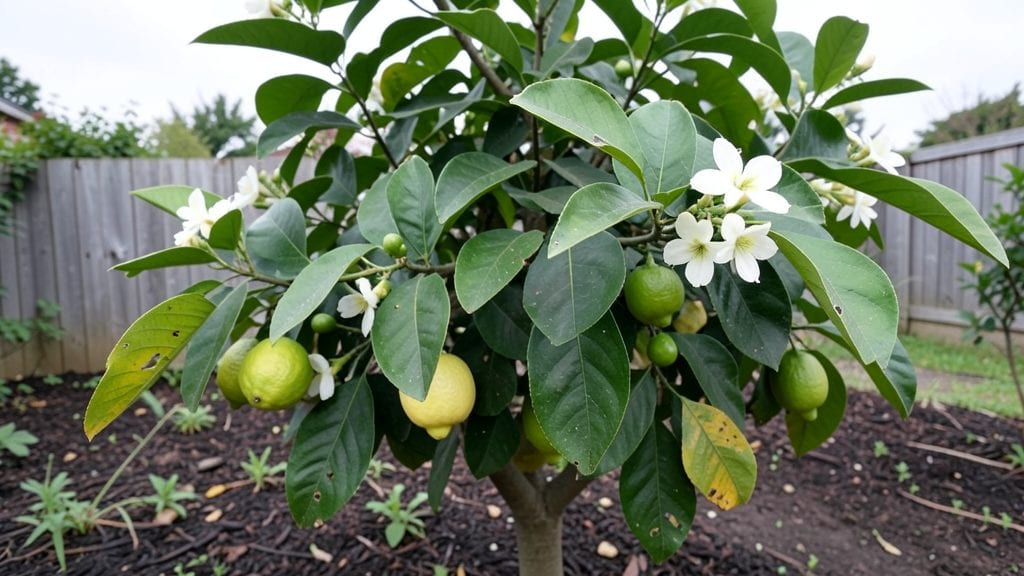
Those tiny green nubs on your lemon tree are the future of your harvest—lemon tree fruit buds hold the key to next year’s bounty, and pruning them right now determines whether you’ll have a handful of lemons or a bushel.
I’ve spent years watching these buds transform from fuzzy specks into heavy, fragrant fruit, and the difference between a sparse harvest and a lush one comes down to timing, cuts, and care.
The secret isn’t aggressive trimming—it’s strategic. Focus on shaping the tree to let sunlight reach the center where buds form, and remove only the dead or crossing branches.
A sharp pruner and a clear day are all you need, plus a little patience to spot the buds hiding among new growth. These buds need good air circulation to thrive, so thin out crowded areas while you’re at it.
By winter, you’ll see those buds plump up into tiny flowers, then fruit. A balanced citrus fertilizer in early spring keeps them strong, and consistent watering prevents stress that can drop buds prematurely.
The payoff? A tree loaded with lemons by next summer, each one sweeter because you nurtured its start.
Works for Meyer lemons, Eureka varieties, and even dwarf trees—just adjust the scale. The same principles apply whether your tree is in a pot or planted in the ground. Let’s get those buds ready for their big year.
📚 In This Guide
- What you need
- Instructions
- Tips and common mistakes
- Wrapping up and next steps
What you need
- ● Pruning shears: Bypass pruners (sharp, clean, and sterilized with rubbing alcohol). Specs: 6–8" blades for precision cuts.
- ● Loppers: For thicker branches (½"–1.5" diameter). Specs: 20–24" long handles for leverage.
- ● Garden gloves: Heavy-duty, cut-resistant (e.g., Felco or Fiskars brands).
- ● Disinfectant: 70% isopropyl alcohol or bleach solution (1 part bleach : 9 parts water).
- ○ Pruning sealant: Optional but helpful (e.g., Tanglefoot Tree Wound Pruning Sealer).
- ● Bucket or bag: For collecting clippings (1–2 gallon size).
- ● Ladder: Extendable (12–16 ft) if your tree is tall.
- ● Timing: Prune in late winter or early spring (just before buds swell). Avoid pruning after harvest.
- ● Weather: Choose a dry, overcast day to reduce stress on the tree.
- ● Tools check: Sharpen blades and sterilize tools to prevent disease spread.
- ● Safety gear: Safety glasses (if dealing with large branches).
- ● Hand saw: For stubborn, thick branches (8–10" curved blade).
- ● Tree paint: Pruning sealant for large cuts (e.g., Ortho brand).
- ● Notepad & pen: To mark branches for removal (if you’re overthinking it!).
- ● Compost bin: For repurposing healthy clippings.
Instructions for pruning lemon trees to encourage fruit buds
Here's how I turn my lemon tree's energy into next year's harvest—simple cuts now mean bountiful fruit later.
Time Your Pruning for Optimal Growth
Prune your lemon tree in late winter or early spring, just as new growth begins but before buds swell. This timing ensures the tree directs energy toward fruit bud formation rather than leaf production. Avoid pruning during summer heat or winter dormancy—those are the worst times to stress the tree.
Look for dormant branches with no leaves or flowers. These are your candidates for removal. Healthy branches will have a green hue under the bark when scratched lightly with your fingernail. If the bark is brown or dry, that branch is dead and should come off immediately.
Remove Dead, Diseased, or Crossing Branches First
Start by cutting out any dead, diseased, or damaged branches—these sap energy from the tree. Use clean, sharp pruning shears to make cuts at a 45-degree angle, about ¼ inch above a bud or outward-facing growth point. This encourages healthy regrowth and prevents water from pooling on the cut.
Next, remove branches that cross or rub against each other. Friction weakens the tree and creates entry points for pests. If two branches grow parallel, keep the stronger one (usually the one with more leaves or thicker trunk) and cut the other back to its origin. You'll see the tree’s structure open up immediately—this is how light and air reach the center.
Thin Out Overly Dense Growth
Focus on the interior of the tree, where branches crowd together. Thin out 20-30% of the foliage to improve airflow and sunlight penetration. Aim to remove smaller branches first, as they compete with fruit-bearing wood for resources. Cut just above a leaf node or outward-facing bud to maintain the tree’s natural shape.
Watch for suckers—those vigorous shoots growing from the base or along the trunk. These divert energy from fruit production. Snip them off at the base with shears or your fingers if they’re small. The tree will redirect that energy to existing branches, where fruit buds form.
Shape the Tree for Balance and Light
Step back and assess the tree’s shape. Lemon trees thrive with an open, vase-like structure that allows sunlight to reach all branches. Prune to create a central leader (main upward-growing branch) and scaffold branches (larger limbs) that spread outward. Cut back any branches growing inward or downward—they’ll never get enough light to produce fruit.
For established trees, limit cuts to no more than 25% of the canopy in a single session. Over-pruning stresses the tree and reduces next year’s yield. If you’re unsure, err on the side of caution—you can always prune more later, but you can’t undo aggressive cuts.
Clean Up and Monitor for New Growth
After pruning, sterilize your tools with rubbing alcohol to prevent disease spread. Collect and dispose of all clippings—don’t leave them under the tree, as they can harbor pests. Water the tree deeply to help it recover, but avoid overwatering, which can stress the roots.
Within 4-6 weeks, you’ll see new growth emerging from the pruned areas. These are your fruit bud precursors—watch for small, rounded swellings along the branches. If you see pale green or pinkish buds, you’re on the right track. These will develop into next year’s flowers and fruit with proper care.
Tips & tricks for pruning lemon trees to encourage fruit buds
Here's what I've learned after years of pruning my lemon trees—these tricks will help you maximize next year's harvest without stressing your plant.
Timing is Everything: The late winter to early spring window is critical because this is when your lemon tree naturally prepares for new growth. If you prune too early in winter, you're cutting back when the tree is dormant and won't benefit from the energy redirection. Conversely, pruning too late in spring can remove potential fruit buds that have already formed. I always check for those tiny swellings along the branches—if they're starting to form, it's time to hold off on heavy pruning.
Visual Cues for Healthy Cuts: When making your 45-degree cuts in Step 2, look for the green layer just under the bark—this indicates healthy, living wood. If you see brown or dry bark, that branch is dead wood that needs immediate removal. I also watch for the direction of the branch growth: always cut back to an outward-facing bud or leaf node. This ensures new growth will continue outward, maintaining that open vase shape that lemon trees love. Think of it like drawing a line from the cut to where you want the new branch to grow.
The 20-30% Rule: In Step 3, when thinning out dense growth, remember that 20-30% is your target range for foliage removal. This might seem like a lot, but trust me—it's better to remove too little than too much. I've learned this the hard way: one year I was too aggressive and ended up with almost no fruit the following season. The key is to focus on the interior first, where branches are competing for sunlight and air circulation. You'll know you've done enough when you can see light reaching the center of the tree.
Tool Maintenance Matters: After pruning, always sterilize your tools with rubbing alcohol between cuts, especially if you've removed any diseased branches. I keep a small bottle of 70% isopropyl alcohol in my gardening toolkit for this purpose. Clean tools prevent disease spread, which can be devastating to your lemon tree's health. Also, make sure your pruning shears are sharp—dull blades can crush branches instead of making clean cuts, which can lead to infection and poor healing.
Pro Tips for Lemon Tree Fruit Buds
- Here's what I've learned after years of pruning my lemon trees—these tricks will help you maximize next year's harvest without stressing your plant.
- Timing is Everything: The late winter to early spring window is critical because this is when your lemon tree naturally prepares for new growth.
- Visual Cues for Healthy Cuts: When making your 45-degree cuts in Step 2, look for the green layer just under the bark—this indicates healthy, living wood.
Frequently asked questions
Got questions about lemon tree fruit buds?
Here are some of the most common concerns—plus quick answers to help you prune like a pro and boost next year’s harvest!
When should I prune lemon tree fruit buds for better yield?
Prune after harvest (late winter or early spring) to avoid removing next year’s buds. Focus on shaping and thinning in summer or fall—just leave 3-5 buds per branch to encourage strong growth. Avoid heavy pruning when buds are forming (fall/winter) to prevent stunted fruit production.
How do I tell the difference between flower buds and fruit buds?
Flower buds are small, round, and green (they’ll bloom into flowers). Fruit buds are slightly larger, cone-shaped, and woody—they form after pollination. If a bud has a tiny bump (early fruit), it’s a keeper! Thin out weak or overlapping buds to redirect energy to stronger ones.
What if I accidentally prune too many fruit buds?
Don’t panic! Lemon trees are resilient. If you’ve over-pruned, water deeply and fertilize with citrus-specific nutrients (high in nitrogen) to encourage regrowth. Next year, focus on light pruning—just shape the canopy and remove dead wood. Over time, your tree will rebound with a fuller bud set.
Can I prune lemon tree buds if I don’t have sharp tools?
Absolutely not! Dull tools crush branches and invite disease. Use sterilized, sharp pruners (or a clean saw for thicker branches). If you’re in a pinch, hand-twist small buds (but avoid this for large branches). Invest in a bypass pruner—it’s a game-changer for clean cuts!
Will pruning fruit buds reduce my lemon harvest this year?
Nope! Pruning buds now boosts next year’s yield by improving air circulation and sunlight. However, if you prune heavily in fall/winter, you might see fewer lemons this season. Balance is key: Thin 20-30% of buds to keep the tree healthy without sacrificing current fruit.
Pro Tip:
Label branches! Use twist ties or paint to mark branches you’ve pruned—this helps track growth and avoid over-pruning in future seasons.
Wrapping up and next steps
Cultivating lemon tree fruit buds is all about patience, precision, and a little love for your citrus companion! 🌱 By mastering the art of pruning—timing, technique, and tool selection—you’re setting the stage for a bountiful harvest next season.
Remember, healthy buds mean more lemons, and every snip is a step toward a thriving tree.
Ready to put your new skills into action? Grab your pruners and schedule that pruning session before the next full moon—your future lemons will thank you! 🍋✨ (And don’t forget to share your progress with fellow citrus enthusiasts!)