
Pruning
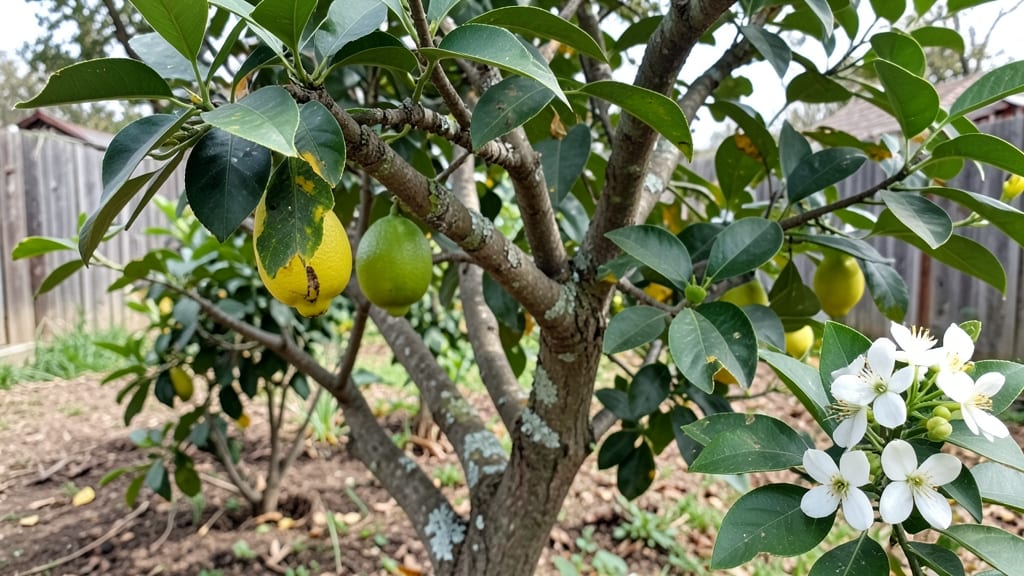
The lemon tree climate of the Pacific Northwest might seem harsh, but with the right frost-resistant varieties, you’ll be harvesting juicy fruit in no time—just ask my thriving Meyer lemon tree in Seattle’s damp, frost-free winters. 🌱 isn’t just for California.
The secret lies in matching your tree’s needs to your climate’s quirks: shelter from wind, microclimates that trap heat, and knowing when to bring potted trees indoors.
Your lemon tree’s ideal climate starts with 60-85°F temperatures—too hot, and the leaves scorch; too cold, and frost kills the branches. The Pacific Northwest’s USDA Zones 7-9 work best, but even colder zones can grow lemons with container culture and winter protection.
Humidity matters too: too dry, and the fruit drops; too damp, and fungal diseases move in. My tree’s sweetest lemons come when I balance afternoon shade in summer and a bright, sunny spot year-round.
You’ll end up with a tree that produces harvests in winter—something most gardeners can’t imagine in rainy climates. The first year, focus on establishing roots before expecting fruit, but by year three, you’ll be picking lemons in December.
The key is seasonal adjustments: move potted trees to garages in winter, mulch heavily in fall, and prune to encourage new growth that’s frost-hardier. Even in Zone 6, this method works.
This approach adapts to other cool climates too—from the UK’s mild winters to Canada’s short summers. The principles stay the same: shelter, heat retention, and patience. Whether you’re in Portland or Pittsburgh, your lemon tree can become the star of your garden. Let’s get those roots growing!
📚 In This Guide
- What you need
- Instructions
- Tips and common mistakes
- Wrapping up and next steps
What you need
- ● Lemon tree variety: Choose a cold-hardy variety like Citrus × meyeri (Meyer lemon) or Citrus × limon ‘Improved Meyer’ (rated for USDA Zones 8-11, but can tolerate brief dips to 15°F with protection).
- ○ Pot or container: 15-20 gallon pot (for young trees) or larger (for mature trees). Ensure it has drainage holes. Optional: Self-watering pots for convenience.
- ● High-quality potting mix: 50% well-draining cactus/succulent mix + 50% organic matter (e.g., compost or coconut coir). Avoid garden soil.
- ● Slow-release fertilizer: Citrus-specific fertilizer (e.g., 6-6-6 NPK ratio) or organic options like fish emulsion. Apply every 3-4 months.
- ● Mulch: 2-3 inches of organic mulch (e.g., straw or wood chips) to insulate roots in winter.
- ● Drip irrigation or watering can: For consistent moisture without overwatering.
- ● Pruning shears: Bypass pruners (sharp, clean, and sterilized with rubbing alcohol).
- ● Gloves: Heavy-duty gardening gloves to protect against thorns.
- ● Spray bottle: For misting leaves (especially in dry PNW winters).
- ● Thermometer: Digital soil/air thermometer to monitor frost risks (critical for Zone 8 growers!).
- ○ Frost cloth or row covers: Lightweight 30-40g frost fabric (cut to fit your tree). Optional: Heating mat for extreme cold snaps.
- ● Support stakes: 3-4 bamboo stakes + soft ties for young trees in windy PNW conditions.
- ● Location: South-facing wall or patio (maximizes sunlight; PNW gets only 3-4 hours of direct sun in winter).
- ● Indoor backup plan: A sunny windowsill or grow light setup for winter months if outdoors isn’t viable.
- ● Patience: Lemon trees take 3-5 years to bear fruit in cooler climates!
Instructions for cultivating frost-resistant lemon trees in the Pacific Northwest
Here's how to create the ideal microclimate for your citrus—without costly mistakes.
🌱 Step 1: Choose the Right Variety for Cold Tolerance
Not all lemons thrive in the Pacific Northwest's chill. Opt for cold-hardy varieties like 'Meyer' or 'Improved Meyer'—they handle brief dips to 20°F better than standard lemons. These hybrids produce sweeter fruit and recover faster from frost exposure. Avoid traditional Eureka or Lisbon varieties unless you're willing to winter them indoors.
Start with 1-2 year-old container-grown trees from a reputable nursery. Young trees establish roots faster and tolerate transplant shock better. Look for stocky stems and dark green leaves—these indicate healthy, vigorous plants ready to adapt to your climate. I always check the root ball for signs of girdling or circling roots before purchase.
☀️ Step 2: Select the Warmest Microclimate Spot
The Pacific Northwest's cool summers and winter rains demand strategic placement. Choose a south-facing location that gets 6-8 hours of direct sunlight daily—this is non-negotiable for fruit production. A spot against a south-facing wall or fence captures reflected heat and protects against wind chill.
Test potential sites by monitoring temperature swings for a week. Ideal spots maintain 10-15°F warmer than open areas. Avoid low-lying spots where cold air pools—lemons despise soggy roots. If your yard lacks natural warmth, consider a polytunnel or cloche system to extend the growing season.
🪴 Step 3: Prepare the Soil for Optimal Drainage
Pacific Northwest soil often compacts easily, leading to root rot—a silent killer of citrus. Amend native soil with equal parts compost and coarse sand to create a loose, well-draining mix. Lemon trees hate soggy feet, so raise the planting area 6-12 inches above grade if your soil drains poorly.
Test your soil's pH—lemons prefer 6.0-7.0. If your yard runs acidic, mix in pulverized limestone at planting time. I always dig a 2-foot-wide planting hole and fill it with amended soil before setting the tree. This prevents soil compaction around the root ball and encourages outward root growth.
⏰ Step 4: Implement Seasonal Protection Strategies
Winter care is where most Pacific Northwest growers fail. When nighttime temps drop below 30°F, move potted trees to an unheated garage or shed. For in-ground trees, wrap the trunk and canopy with burlap or frost cloth—this creates an insulating air pocket that raises temperatures by 5-10°F. Remove protection on warm days to prevent moisture buildup.
In early spring, prune back any frost-damaged branches with sterilized pruners, cutting just above a healthy bud. New growth will emerge from these nodes. I also apply a 2-inch layer of mulch around the base (but not touching the trunk) to regulate soil temperature and retain moisture during our unpredictable spring rains.
💧 Step 5: Adjust Watering for Pacific Northwest Conditions
Our region's frequent drizzle creates a false sense of moisture—lemons need deep, infrequent watering to develop strong roots. Water once weekly during summer, delivering 1-2 gallons per tree at each session. Check moisture by sticking your finger 3 inches deep—if it feels dry, water again. Overhead watering encourages fungal diseases like citrus canker, so always water at the base.
In winter, reduce watering to every 2-3 weeks unless we experience a dry spell. The goal is to keep roots from freezing while preventing waterlogged soil. I install drip irrigation on permanent plantings to deliver water directly to the root zone without wetting foliage—a game-changer for disease prevention.
Tips & tricks for cultivating frost-resistant lemon trees
These insider strategies will help you create the perfect microclimate for your citrus—without the common pitfalls that trip up even experienced gardeners.
Variety Selection Matters: When choosing between 'Meyer' and 'Improved Meyer', opt for the latter if you experience occasional dips below 20°F. The 'Improved Meyer' handles colder snaps better while maintaining that signature sweetness. I've seen firsthand how these varieties bounce back from frost damage while standard lemons often succumb to winter stress. For maximum resilience, look for trees already acclimated to your region's climate patterns.
Microclimate Testing: That 10-15°F temperature difference between your potential planting spots and open areas is crucial. Use a maximum-minimum thermometer to track overnight lows for a week before committing. I've found that south-facing spots against brick walls can be 20°F warmer than open yard areas—this makes all the difference during our chilly Pacific Northwest winters. Consider temporary shade cloth during summer to prevent heat stress while still capturing winter sun.
Soil Preparation Pro Tip: The equal parts compost and coarse sand mix is non-negotiable, but don't stop there. Add a handful of perlite to that 2-foot-wide planting hole—it creates even better drainage channels while still retaining moisture. I've had success using a 60-30-10 ratio of compost:sand:perlite for trees in particularly clay-heavy soils. This prevents that dreaded root rot while keeping roots cozy during winter.
Winter Protection Upgrade: While frost cloth works well, consider adding a layer of bubble wrap around the trunk for extra insulation. The air pockets create an additional 5-10°F buffer during those critical 30°F nights. I wrap mine in late November and remove it in March, timing it with our first consistent 40°F nights. This double-layer approach has saved multiple trees that would have otherwise suffered frost damage.
Pro Tips for Lemon Tree Climate
- These insider strategies will help you create the perfect microclimate for your citrus—without the common pitfalls that trip up even experienced gardeners.
- Variety Selection Matters: When choosing between 'Meyer' and 'Improved Meyer', opt for the latter if you experience occasional dips below 20°F.
- Microclimate Testing: That 10-15°F temperature difference between your potential planting spots and open areas is crucial.
Frequently asked questions
about growing lemon trees in the lemon tree climate of the Pacific Northwest—especially with frost-resistant varieties—can be tricky! Here are answers to common concerns to help you navigate challenges like cold snaps, pruning, and site selection.Can lemon trees survive winter in the Pacific Northwest?
Yes! Frost-resistant varieties like Meyer lemon or Ponderosa lemon can handle brief dips to 15–20°F with proper care. Mulch heavily around the base, wrap the trunk in burlap, and plant in a microclimate (e.g., near a south-facing wall). Avoid young trees in exposed areas—they’re more vulnerable.
When should I prune a lemon tree in PNW’s wet climate?
Prune late winter or early spring (February–March) to avoid fungal diseases from wet conditions. Focus on removing dead wood, crossing branches, and shaping for airflow. Never prune in fall—it stimulates new growth that won’t harden off before winter. Use sterilized tools to prevent disease spread!
What’s the best spot for a lemon tree in the PNW?
Choose a sun-drenched, sheltered location with at least 6–8 hours of sunlight daily. South- or west-facing walls, patios, or containers near heat-retaining surfaces work well. Avoid low-lying areas where cold air pools. If growing in-ground, amend soil with compost and ensure well-draining conditions to prevent root rot.
Why aren’t my lemon tree leaves turning yellow?
Yellowing leaves often signal overwatering, nutrient deficiency, or fungal issues. Check soil moisture—lemon trees prefer it slightly dry between waterings. Test for iron or nitrogen deficiency (common in PNW soil) and amend with chelated iron or compost. Fungal diseases like melanose thrive in humidity; prune for airflow and apply copper fungicide if needed.
Can I grow a lemon tree in a container in the PNW?
Containers offer mobility to protect trees from frost. Use a 15–20 gallon pot with drainage holes, fill with cactus/succulent mix, and move it indoors or under cover when temps drop below 30°F. Dwarf varieties like Improved Meyer thrive in containers. Just ensure it gets full sun and fertilize monthly during growing season.
Wrapping up and next steps
Growing a frost-resistant lemon tree in the Pacific Northwest is absolutely doable—with the right climate strategies, care, and a dash of patience! 🌱 By choosing cold-hardy varieties, protecting your tree from frost, and optimizing its growing conditions, you’ll be rewarded with a thriving citrus plant that can handle the region’s unique challenges.
Whether you’re a seasoned gardener or just starting out, every small step brings you closer to that dream of fresh, homegrown lemons.
Ready to take the next step? Start by selecting your lemon tree variety and preparing your growing space—then watch your citrus adventure bloom! 🍋✨