Pruning
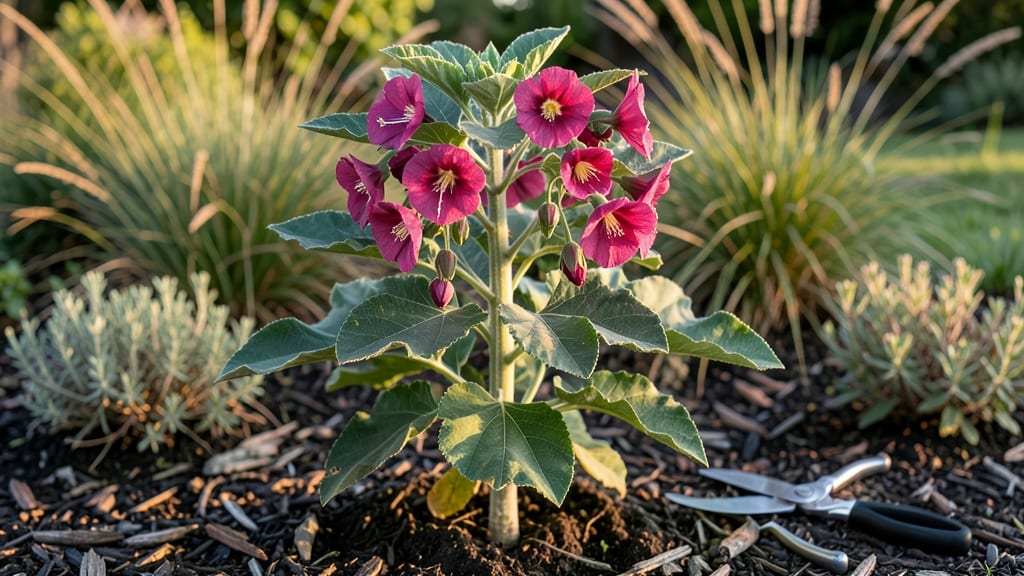
Planting lavatera tree mallow in your Pacific Northwest garden unlocks a frost-resistant superstar that thrives where many perennials fail. 🌿 I’ve watched mine bounce back from winter’s chill with bold, papery blooms that last from early summer until frost—no fuss, no drama.
The secret lies in its adaptability: it handles our region’s damp winters, acidic soils, and even that pesky coastal fog better than most perennials.
This isn’t your grandmother’s annual—tree mallow grows 3-5 feet tall in a single season, with flowers the size of dinner plates in shades of pink, purple, and white. The catch?
It demands full sun to part shade and well-draining soil (amend heavy clay with compost), but once established, it’s drought-tolerant and nearly pest-free.
My first year, I nearly gave up after a slug attack, but now I prune it back in early spring and watch it explode with growth by June.
You’ll love how it transforms bare corners into romantic, cottage-garden drama with minimal effort. The blooms attract bees and butterflies, while the large leaves add lush texture. Prune spent flowers in summer to encourage more blooms, and cut it back by one-third in late winter—that’s it.
No deadheading, no fussing, just reliable, show-stopping color that outlasts most perennials.
Perfect for mixed borders, cottage gardens, or even container growing in smaller spaces. Whether you’re a Pacific Northwest native or just love low-maintenance plants, tree mallow delivers big rewards with almost no effort. Let’s get yours planted before next summer’s color rush!
📚 In This Guide
- What you need
- Instructions
- Tips and common mistakes
- Wrapping up and next steps
What you need
- ● Pruning shears: Bypass pruners (sharp, 6–8" blades) for clean cuts on smaller stems.
- ● Loppers: 10–12" bypass loppers for thicker branches (up to 2" diameter).
- ○ Pruning saw: Optional but handy for stubborn, woody stems (8–10" curved blade).
- ● Disinfectant: 70% isopropyl alcohol or bleach solution (1 part bleach to 9 parts water) to sterilize tools between cuts.
- ● Garden gloves: Heavy-duty, cut-resistant gloves (e.g., Felco or Fiskars brand).
- ○ Pruning sealant: Optional but recommended for large cuts (e.g., Tanglefoot Pruning Sealer to prevent disease).
- ● Heavy-duty trash bags: 30–50 gallon size for debris cleanup.
- ● Ladder or step stool: If your tree exceeds 6 feet tall (extendable 8–10' ladder preferred).
- ● Hand pruners: Compact shears for precision trimming of delicate new growth.
- ● Rubbing alcohol wipes: Quick tool disinfection on the go.
- ● Marking spray: Fluorescent paint to tag branches for removal (if planning a major reshaping).
- ● Compost bin: For repurposing pruned branches as mulch.
- ● Safety glasses: Protect your eyes from debris (especially when using a saw!).
Step-by-Step guide to planting and cultivating Lavatera tree mallow
Here’s how I’ve successfully grown this hardy perennial in the Pacific Northwest’s cooler climate.
🌱 Step 1: Choose the Right Location and Prepare the Soil
Lavatera thrives in full sun to partial shade, but in the PNW, I’ve found it performs best with at least 6 hours of direct sunlight daily. Pick a spot with well-draining soil—this plant hates soggy roots. Amend heavy or clay soil with 2-3 inches of compost to improve aeration and fertility.
Test your soil’s pH before planting. Lavatera prefers a slightly alkaline to neutral range (6.5-7.5). If your soil leans acidic, mix in dolomitic lime at planting time. I like to dig a hole twice as wide as the root ball but only as deep—planting too deep can suffocate the roots.
🌿 Step 2: Plant Bare-Root or Container-Grown Lavatera
If starting with bare-root plants, soak the roots in lukewarm water for 15-20 minutes before planting to rehydrate them. For container-grown plants, gently remove the root ball and tease apart any circling roots. Place the plant in the hole so the top of the root ball sits 1 inch below soil level—this prevents stem rot.
Backfill with native soil mixed with 1 cup of balanced 10-10-10 fertilizer per plant. Water deeply right after planting to settle the soil and eliminate air pockets. Mulch with 2-3 inches of shredded bark to retain moisture and suppress weeds. Avoid piling mulch against the stem—keep it 2 inches away to prevent rot.
☀️ Step 3: Water and Fertilize for Strong Growth
Water deeply once a week during the first growing season, ensuring the soil is moist 6 inches down. Lavatera’s deep taproot means it’s drought-tolerant once established, but young plants need consistent moisture. You’ll know it’s time to water when the top 1-2 inches of soil feel dry to the touch.
Feed lightly in early spring with a slow-release granular fertilizer (5-10-5 ratio) to encourage lush foliage and vibrant blooms. Avoid high-nitrogen fertilizers—they promote leafy growth at the expense of flowers. Prune back dead or leggy stems in late winter to shape the plant and encourage new growth.
✂️ Step 4: Prune and Deadhead for Continuous Blooms
Deadhead spent blooms regularly throughout the season to prolong flowering. I snip back stems to just above a set of healthy leaves using clean, sharp pruners. This encourages the plant to produce more buds rather than setting seed. In early fall, cut back one-third of the plant’s height to tidy it up and prepare for dormancy.
Lavatera is remarkably frost-hardy, but in harsh winters, I add a 2-3 inch layer of mulch around the base for extra protection. The plant’s woody stems can handle freezing temperatures, but young growth benefits from a little insulation. Avoid heavy pruning in late fall—wait until early spring to shape the plant for the new season.
🪴 Step 5: Divide and Propagate Every 3-4 Years
Lavatera spreads slowly but can become overcrowded over time. In early spring, dig up the plant and separate the root ball into smaller sections, ensuring each has 3-5 stems and a good root system. Replant the divisions immediately, water deeply, and mulch to reduce stress. This rejuvenates the plant and gives you extra specimens for sharing or expanding your garden.
You can also propagate from softwood cuttings in early summer. Take 4-6 inch cuttings just below a leaf node, strip the lower leaves, and dip in rooting hormone. Plant in a pot with sandy potting mix and keep moist under bright, indirect light until roots form in 4-6 weeks. Transplant outdoors once established.
Tips & tricks for perfect Lavatera tree mallow cultivation
These practical insights will help you coax the most vibrant blooms from your Lavatera in the Pacific Northwest's unique climate.
Soil Preparation Secret: In Step 1, when amending your soil with 2-3 inches of compost, I recommend mixing in a handful of perlite or coarse sand for clay-heavy soils. This creates tiny air pockets that improve drainage—the Lavatera's Achilles' heel. The key is getting that soil structure just right so water drains freely but nutrients stay accessible.
Planting Depth Matters: The instructions mention planting with the root ball just 1 inch below soil level, but here's the thing: if your soil is particularly dense, you might need to dig the hole slightly deeper—up to 2 inches—to prevent the roots from being compressed. Think of it like creating a cozy nest where the roots can spread naturally without feeling cramped.
Watering Wisdom: While the once-weekly deep watering in Step 3 works well, I've found that in the PNW's cooler, cloudy periods, you might need to adjust. Check that top 1-2 inches of soil more frequently—every 3-4 days—during extended periods of rain or overcast skies. The goal is consistent moisture without waterlogged conditions that can suffocate those deep taproots.
Pruning Precision: When deadheading in Step 4, look for the first set of healthy leaves below the spent bloom—this is your pruning target. Cutting just above this point encourages new growth from a strong node. For the fall one-third height reduction, I recommend using clean, sharp pruners and making cuts at a 45-degree angle to prevent water from pooling on the stem.
Pro Tips for Lavatera Tree Mallow
- These practical insights will help you coax the most vibrant blooms from your Lavatera in the Pacific Northwest's unique climate.
- Soil Preparation Secret: In Step 1, when amending your soil with 2-3 inches of compost, I recommend mixing in a handful of perlite or coarse sand for clay-heavy soils.
- Think of it like creating a cozy nest where the roots can spread naturally without feeling cramped.
Frequently asked questions
Got questions about growing and caring for Lavatera tree mallow in the Pacific Northwest? You’re not alone!
Here are answers to the most common queries—whether you’re a first-time gardener or a seasoned green thumb looking to troubleshoot.
Is Lavatera tree mallow truly frost-resistant?
Lavatera is one of the hardiest mallows, surviving temperatures as low as -15°F (-26°C) once established. Young plants may need winter protection (like mulch or burlap wraps), but mature specimens thrive in PNW winters. Pro tip: Plant in well-draining soil to prevent root rot from winter moisture.
When’s the best time to prune Lavatera for bigger blooms?
Prune after flowering (late summer to early fall) to encourage bushier growth and more blooms next season. Lightly trim leggy stems in early spring to shape the plant. Avoid heavy pruning in winter—it stresses the plant before it’s ready to rebound.
Can I grow Lavatera in containers? If so, what size pot?
Yes! Choose a large container (at least 18–24 inches wide) with drainage holes to accommodate its deep root system. Use well-draining potting mix and place it in full sun. Warning: Container-grown mallows may need more frequent watering and winter protection in exposed areas.
Why are my Lavatera leaves turning yellow or dropping?
Yellowing leaves often signal overwatering or poor drainage. Check soil moisture—Lavatera prefers dry spells between waterings. Pests like aphids can also cause stress; hose them off or use neem oil if needed. Fix it: Amend soil with compost and ensure pots/containers drain well.
Are there drought-tolerant alternatives to Lavatera?
If you need low-maintenance, drought-resistant plants with similar charm, try:
- Russian sage (Perovskia atriplicifolia) – Silvery foliage, purple spikes, thrives in dry soil.
- Butterfly bush (Buddleia) – Fast-growing, attracts pollinators, handles heat.
- Lavender (Lavandula) – Fragrant, evergreen, and extremely drought-tolerant.
Wrapping up and next steps
The Lavatera tree mallow is a stunning, low-maintenance addition to your Pacific Northwest garden—its frost resistance and vibrant blooms make it a standout choice for any season! With the right pruning techniques, you’ll keep it thriving for years, ensuring lush growth and continuous color. 🌸
Ready to transform your outdoor space? Start by gathering your tools and scheduling your first pruning session—your garden (and future visitors!) will thank you. Happy gardening! 🌿