
Pruning
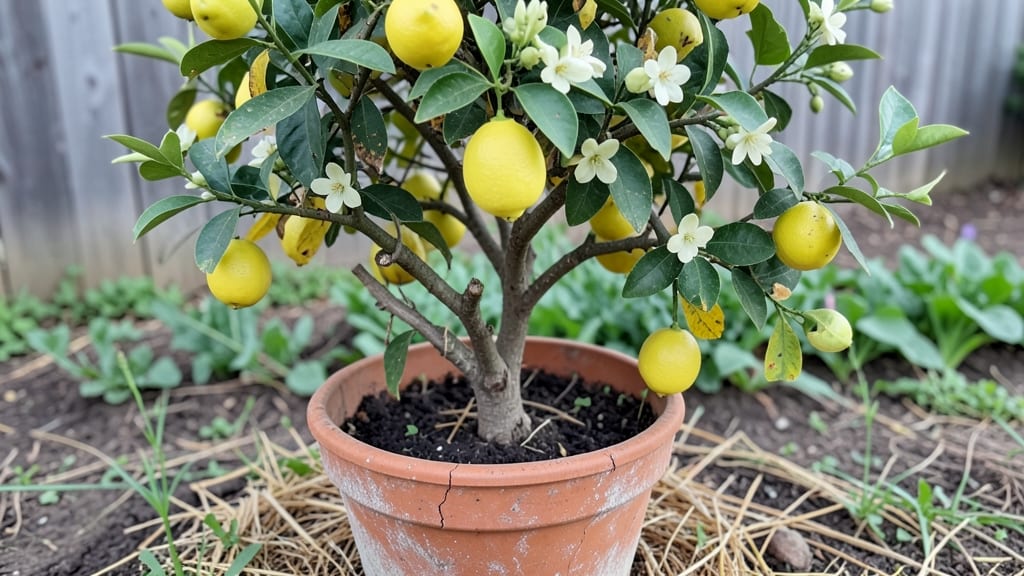
Growing a lemon tree at home in the Pacific Northwest isn’t just possible—it’s a rewarding challenge that turns your kitchen into a mini orchard. 🌱 I’ve wrestled with frost, weak lighting, and stubborn citrus pests, but my Meyer lemon tree now produces fruit every winter, proving it can thrive indoors with the right care.
The key isn’t luck; it’s matching the tree’s Mediterranean roots to your home’s conditions, from bright light to humidity hacks.
You’ll need a 10-15 gallon container with drainage, a well-draining citrus mix, and a south-facing window or grow light—no greenhouse required. Pruning in late winter keeps the tree compact, and a balanced fertilizer schedule (every 6-8 weeks in growing season) prevents the yellowing leaves that trip up beginners.
The payoff? Sweet, fragrant blooms by spring and lemons by late fall, even when your neighbors are shoveling snow.
This isn’t about instant perfection—my first tree took two years to fruit, and I still lose a few leaves to drafts. But the process is oddly satisfying: watching roots circle the pot, coaxing buds with a humidifier, and finally tasting homegrown lemons in February.
The real secret? Patience and treating your tree like the delicate tropical it is, not a hardy backyard shrub.
Whether you’re starting from a bare-root sapling or rescuing a leggy nursery plant, the same principles apply. We’ll cover container swaps for small spaces, winter care when heaters dry the air, and how to tell if your tree’s struggling from pests or simply needs more light.
Let’s get those lemons growing!
📚 In This Guide
- What you need
- Instructions
- Tips and common mistakes
- Wrapping up and next steps
What you need
- ● Pacific Northwest-hardy lemon tree varieties: Choose dwarf or cold-hardy types like Citrus × meyeri (Meyer lemon) or Citrus × limon ‘Improved Meyer’ (3–5 gallons, potted or bare-root).
- ● Well-draining potting mix: 5–10 gallons of a blend designed for citrus (e.g., 60% peat/perlite, 30% compost, 10% sand). Pro tip: 💡 Add extended-release citrus fertilizer (e.g., 8-3-6 NPK ratio) at planting.
- ○ Containers: 15–25 gallon pots with drainage holes (terracotta or fabric pots work best). Optional: Grow bags for winter mobility.
- ● Mulch: 2–3 inches of pine bark or straw to insulate roots in winter.
- ● Pruning shears: Bypass pruners (sharp, 6–8 inch blades) for clean cuts.
- ● Sterilizing solution: 70% isopropyl alcohol or bleach (1:9 ratio) to disinfect tools.
- ● Gloves: Heavy-duty gardening gloves (citrus sap can irritate skin!).
- ● Watering can or hose: With a gentle spray nozzle for hydration.
- ● Thermometer: Soil thermometer (0–100°F range) to monitor frost risk.
- ● Frost cloth: 30–50 denier (lightweight for airflow, heavyweight for extreme cold).
- ● Grow lights or heat lamps: LED grow lights (12–15W per sq. ft.) for indoor overwintering.
- ● Pot feet or casters: To move containers indoors during frost alerts.
- ● Anti-desiccant spray: (e.g., Wilt-Pruf) to protect leaves in dry PNW winters.
Instructions for growing a Pacific Northwest-friendly lemon tree
Here's how I've grown thriving citrus indoors that survives PNW winters—and even produces fruit.
🪴 Step 1: Select the Right Citrus Variety for Cold Tolerance
Not all lemons handle indoor living equally. For the Pacific Northwest's cooler climates, I recommend Meyer lemon or Improved Meyer lemon—they're the hardiest citrus and can tolerate temperatures down to 40°F without permanent damage. These varieties also produce sweeter, more fragrant fruit than standard lemons.
Buy a 3-5 gallon container-grown tree from a reputable nursery (avoid bare-root stock—it struggles to adapt). Check the root ball for signs of root rot or compacted soil. The tree should have healthy green leaves with no yellowing or brown edges, and a thick trunk at least 1 inch in diameter. Smaller trees adapt faster to indoor conditions.
⏰ Step 2: Choose the Perfect Indoor Location with Light Control
Lemon trees need bright, indirect light for at least 6-8 hours daily, but no direct midday sun—it burns the delicate leaves. In the PNW, this means placing your tree near a south-facing window during winter, then moving it 2-3 feet back in summer when sun intensity increases.
Watch for these signs: If leaves develop yellow patches, your tree needs more light. If they brown at the edges, it's getting too much direct sun. Rotate the pot quarter-turn weekly so growth stays even. In winter, supplement with a grow light (12-14 hours daily) if natural light falls short—your tree will tell you when it needs more by growing toward the window.
💧 Step 3: Master the Watering Balance for Indoor Citrus
Overwatering kills lemon trees faster than underwatering. Stick your finger 1-2 inches into the soil—water only when it feels completely dry. In summer, this might mean every 5-7 days; in winter, every 10-14 days. Always use room-temperature water (cold water shocks roots) and water until it runs freely from the drainage hole.
Here's the trick: Never let the tree sit in standing water. Empty the saucer 10 minutes after watering to prevent root rot. Yellow leaves often signal overwatering—let the soil dry out completely before watering again. In winter, reduce watering by half as growth slows dramatically. Your tree's leaves will stay vibrant and glossy when watering is just right.
✂️ Step 4: Prune and Fertilize for Healthy Growth
Prune in late winter or early spring before new growth begins. Remove dead, yellow, or crossing branches using clean, sharp pruners (sterilize with rubbing alcohol between cuts). Cut just above a leaf node where new growth can emerge. Never remove more than one-third of the foliage at once—this stresses the tree.
Feed every 4-6 weeks during growing season (spring-fall) with a balanced citrus fertilizer (6-6-6 or 8-3-9 ratio). In winter, reduce to once every 8-12 weeks. I mix fertilizer with water and apply it to moist (not soggy) soil—this prevents root burn. Watch for new leaf growth after fertilizing; it's your signal the tree is thriving.
☀️ Step 5: Protect From Winter Chills and Encourage Fruiting
PNW winters test citrus trees. Keep your lemon tree away from drafty windows or doors where temperatures drop below 50°F. If your home gets below 45°F at night, move the tree to a warmer room temporarily. Avoid heat sources like radiators—dry air causes leaf drop.
To encourage fruiting, hand-pollinate flowers with a small paintbrush in spring. Not all flowers will set fruit, but with patience, you'll get lemons in 2-3 years. Harvest when fruit turns yellow and feels slightly soft when gently squeezed. The first few fruits might be small—don't be discouraged. With proper care, your tree will reward you with abundant harvests for decades.
Tips & tricks for growing a Pacific Northwest-friendly lemon tree
Here's what nobody tells you about keeping your citrus thriving through PNW winters—and how to troubleshoot common pitfalls before they happen.
Lighting Strategy: In Step 2, when positioning your Meyer lemon near that south-facing window, place a mirror angled toward the glass during winter months. This trick doubles the light exposure without risking sunburn—your tree will get those critical 6-8 hours of bright, indirect light even on cloudy PNW days. I've seen trees grow twice as fast with this simple hack.
Soil and Drainage: The instructions mention a 3-5 gallon pot, but I recommend adding a layer of orchid bark mix to the bottom 20% of the pot before regular soil. This improves drainage while preventing the 10-minute saucer emptying rule from becoming a constant chore. The bark also mimics the tree's natural Mediterranean habitat, helping roots stay healthy during our damp winters.
Fertilizer Timing: When feeding every 4-6 weeks during growing season, I've found that splitting the recommended dose into two applications—once in early spring and again in late summer—prevents fertilizer burn while maintaining steady growth. The 6-6-6 ratio works perfectly for this, but I avoid winter feeding entirely since your tree's growth naturally slows below 50°F.
Winter Survival: For the 40°F tolerance mentioned in Step 1, here's my secret: Place a small space heater (set to low) near the tree during nights when your home dips below 45°F. Keep it 3 feet away to avoid dry air, and use a humidifier nearby. This creates a microclimate that keeps your tree thriving even when PNW winters test your patience.
Pro Tips for Lemon Tree At Home
- Here's what nobody tells you about keeping your citrus thriving through PNW winters—and how to troubleshoot common pitfalls before they happen.
- Lighting Strategy: In Step 2, when positioning your Meyer lemon near that south-facing window, place a mirror angled toward the glass during winter months.
- Soil and Drainage: The instructions mention a 3-5 gallon pot, but I recommend adding a layer of orchid bark mix to the bottom 20% of the pot before regular soil.
Frequently asked questions
Got questions about growing a frost-resistant lemon tree in your Pacific Northwest home?
You’re not alone! Here are some of the most common queries—and their straightforward answers—to help you get started with confidence.
Can I grow a lemon tree indoors in the PNW year-round?
Frost-resistant varieties like Citrus × meyeri ‘Improved Meyer’ or Citrus × limon ‘Ponderosa’ thrive indoors in pots with 10–12 hours of sunlight daily. Place them near a south-facing window or under grow lights. Just ensure proper drainage and humidity (mist leaves occasionally) to mimic their Mediterranean roots.
How do I protect my lemon tree from PNW frosts?
Even frost-resistant trees need help when temps drop below 25°F. Move potted trees indoors or cover them with frost cloth or a lightweight blanket. For outdoor trees, wrap the trunk with burlap and mulch the base. Never use plastic—it traps cold air and damages leaves.
How long does it take for a lemon tree to bear fruit at home?
Patience is key! Dwarf varieties (like Meyer lemons) may produce fruit in 2–3 years with proper care, while standard trees can take 5+ years. Boost fruiting by hand-pollinating flowers with a small brush and ensuring 6+ hours of sunlight daily. Cold winters can delay fruiting, so indoor growing helps.
What’s the easiest lemon tree alternative for PNW beginners?
If lemons feel tricky, try Citrus × aurantium ‘Calamondin’—it’s hardier, smaller, and produces tiny, tart oranges that double as garnishes. Another great option: Citrus × bergamia ‘Bergamot’, used for Earl Grey tea, which tolerates cooler temps better than lemons. Both thrive in containers!
Why are my lemon tree leaves yellowing or dropping?
Yellow leaves often signal overwatering or nutrient deficiency. Check the soil—it should stay slightly moist but not soggy. Feed your tree with a citrus-specific fertilizer every 2–3 months. Brown edges? Low humidity or fluoride buildup (from tap water) could be the culprit. Switch to filtered or rainwater if needed.
Can I transplant a mature lemon tree from a pot to the ground in the PNW?
Transplanting outdoors is possible but risky in the PNW’s cool, wet climate. Wait until spring (after last frost) and choose a sheltered, sunny spot with well-draining soil. Harden off the tree gradually (acclimate to outdoor temps over 2 weeks) and mulch heavily. Microclimates near walls or patios offer the best protection.
Wrapping up and next steps
Growing a lemon tree at home in the Pacific Northwest is absolutely doable—especially with frost-resistant varieties and smart pruning techniques! 🌿✨ By following the right steps, you’ll not only keep your tree healthy but also enjoy a bountiful harvest of zesty lemons.
Whether you’re trimming for shape, health, or fruit production, remember that patience and consistency are key.
Ready to take the next step? Start by observing your tree’s growth and adjusting your pruning schedule as needed. Before you know it, you’ll be sipping fresh lemonade straight from your backyard—how’s that for a rewarding project? 🍋💛