
Pruning
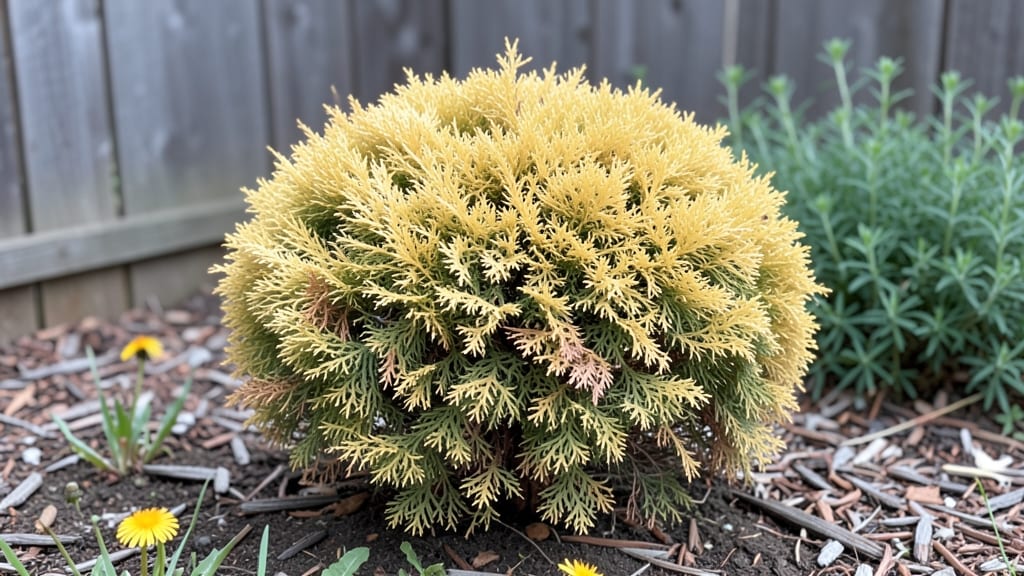
That lemon cypress 'Grinch' tree in your Pacific Northwest garden isn’t just a holiday decoration—it’s a year-round evergreen star that thrives with the right pruning routine. I’ve learned the hard way that skipping this step turns its signature gold-tipped branches into a messy, overgrown tangle.
The key? Pruning twice a year to keep its signature conical shape and bright foliage.
This tree loves the PNW’s mild winters and coastal climate, but it needs well-draining soil and morning sun to avoid those dreaded brown tips. Once established, it’s surprisingly drought-tolerant, though I still water mine deeply once a week during dry summers.
The real magic happens when you shape it—think of it like sculpting a living Christmas tree, but with year-round color.
After just a few pruning sessions, you’ll notice denser growth at the base and those golden tips staying crisp all winter. The branches hold their form better, and the tree becomes the focal point of your garden—whether it’s framing a patio or anchoring a mixed border.
It’s the kind of plant that makes neighbors ask, “What is that?” and then want one for themselves.
Works equally well in containers for patios or planted in the ground as a statement piece. The secret to long-term success? Consistency—prune lightly in spring, then again in late summer to encourage fresh growth before winter.
Your Grinch tree will thank you with vibrant color and perfect proportions for years to come.
📚 In This Guide
- What you need
- Instructions
- Tips and common mistakes
- Wrapping up and next steps
What you need
- ● Lemon Cypress Tree (Cupressus × leylandii ‘Lemon Cypress’) – Mature or semi-mature (6–12 ft tall, depending on desired size).
- ● Pruning Shears – Bypass pruners (sharp, 6–8" blades) for clean cuts on small branches.
- ● Loppers – Bypass or anvil type (for thicker branches up to 1.5" diameter).
- ● Hand Pruners – Ratchet-style (for stubborn, thick growth).
- ● Pruning Saw – Folding or curved-blade (for branches >1.5" thick).
- ● Ladder – Extension ladder (16–24 ft), sturdy and rated for your height needs.
- ● Gloves – Heavy-duty, cut-resistant (to protect from sap and sharp branches).
- ● Disinfectant – 70% isopropyl alcohol or pruning sealant (to sterilize tools between cuts).
- ● Heavy-Duty Trash Bags – 2–3 large bags (for debris cleanup).
- ○ Twine or Zip Ties – Optional but helpful (to secure branches during shaping).
- ● Grinch Tree Template – Printed or stenciled outline (for precision shaping).
- ● String or Garden Twine – To mark pruning lines before cutting.
- ● Safety Glasses – ANSI-rated (to shield from debris).
- ● Work Gloves with Grip – For extra comfort during long sessions.
- ● Post-Pruning Fertilizer – Slow-release, nitrogen-rich (to encourage healthy regrowth).
How to prune your Lemon Cypress 'Grinch' tree for year-round shape
This Pacific Northwest favorite thrives with regular shaping—here’s how to keep it lush and compact while preventing those dreaded bare spots.
Time Your Pruning for Best Results
Prune your Lemon Cypress 'Grinch' tree in early spring (March–April) when new growth begins, and again in late summer (August–September) to encourage fresh foliage before winter. Avoid heavy pruning in fall—this evergreen needs time to harden off before cold snaps. I like to make light trims in winter (January–February) to remove any dead or damaged branches that froze, but never more than 10% of the plant at once.
Watch for the first flush of bright green growth in spring—that’s your cue the tree is waking up and ready for shaping. In the Pacific Northwest’s mild winters, you might spot new growth as early as February, but wait until you see at least 2–3 inches of fresh shoots before cutting. This timing ensures you’re not pruning last year’s growth too aggressively.
Use the Right Tools and Technique
Grab your sharp, clean pruning shears (bypass pruners work best for tender evergreens) and sterilize them with rubbing alcohol before each use. Lemon Cypress has soft, aromatic foliage that can harbor fungal spores if tools aren’t clean. I also keep a small hand saw on hand for any thicker stems over ½ inch in diameter—never prune these with shears, or you’ll crush the growth tissue.
Make cuts just above a leaf node (the tiny bump where branches meet the stem) at a 45-degree angle. This encourages new growth to sprout from the right spot. Avoid leaving stubs—cut back to the node cleanly, and you’ll get denser, bushier regrowth. If you’re shaping for a classic "Grinch" look, step back often to check symmetry from all sides.
Shape for Density and Airflow
Start by removing any dead, diseased, or crossing branches—these compete for energy and can invite pests. Lemon Cypress grows best when it gets good airflow, so thin out the center slightly to let light penetrate. I like to prune the outer branches first, then work inward, using my fingers to gently pull and assess which branches need shortening.
For a full, rounded shape, cut back the longest branches by about ⅓ to encourage bushier growth. Focus on the top third of the tree first, then taper down to the lower branches. Avoid shearing (cutting off large sections of foliage at once)—this creates a "bald" look and weakens the tree. Instead, make selective cuts to maintain a natural, layered appearance.
Maintain Year-Round with Light Trims
After the main pruning seasons, do a quick inspection every 6–8 weeks. Remove any brown or yellowing tips with clean cuts to keep the tree looking vibrant. In the Pacific Northwest’s damp climate, watch for mushy or discolored branches—these are signs of fungal issues, and you’ll need to prune them out immediately and dispose of them in the trash (not your compost).
If your tree starts to look too leggy between pruning seasons, give it a light haircut—just a few strategic cuts to encourage branching. Lemon Cypress responds well to frequent, light pruning, so don’t wait until it’s overgrown. A well-maintained 'Grinch' tree will stay compact, colorful, and full of life year-round, even in the PNW’s cooler months.
Feed and Water for Recovery
After pruning, give your Lemon Cypress a slow-release fertilizer (like a 10-10-10 blend) in early spring to support new growth. Water deeply once a week for the first month after pruning, keeping the soil evenly moist but not soggy. In the Pacific Northwest’s rainy winters, you might not need to water at all, but check the soil—if it’s dry 2 inches down, give it a drink.
Mulch around the base with 2–3 inches of wood chips to retain moisture and regulate soil temperature. Avoid piling mulch against the trunk—keep it 3–4 inches away to prevent rot. With proper care, your 'Grinch' tree will bounce back quickly, and you’ll see fresh, bright green growth within 4–6 weeks of pruning.
Tips & tricks for perfect Lemon Cypress 'Grinch' tree pruning
Mastering the art of pruning your Lemon Cypress 'Grinch' tree transforms it from a scraggly shrub into a lush, year-round showpiece. Here are the secrets that make all the difference.
Timing is Everything: The early spring (March-April) and late summer (August-September) pruning windows are non-negotiable for Pacific Northwest gardens. This timing aligns with the tree's natural growth cycles, ensuring you're always working with fresh, vigorous growth rather than dormant wood. I've learned the hard way that pruning in fall can stress the tree before winter, leaving it vulnerable to cold damage. The 6-8 week inspections between seasons keep your tree looking its best without overworking it.
Tool Prep Prevents Problems: Sterilizing your pruning shears with rubbing alcohol between cuts is more important than you might think. Lemon Cypress's soft foliage is particularly susceptible to fungal spores, and I've seen otherwise healthy trees develop brown patches from contaminated tools. For thicker branches over ½ inch, always reach for your hand saw—shears will crush the growth tissue, stunting future development. The 45-degree angle cut above the leaf node isn't just a technique; it's what encourages that bushier regrowth we all want.
Shape Strategically: When working on that classic "Grinch" look, focus on the top third first, then taper down. This creates the natural layered appearance that makes the tree look fuller. I always step back every few minutes to check symmetry—it's amazing how quickly our eyes miss imbalances when we're up close. The key is selective cuts rather than shearing large sections, which can leave unsightly bald patches. Remember, you're sculpting, not hacking.
Recovery Care Makes the Difference: That slow-release fertilizer in early spring isn't just about immediate results—it's setting up your tree for consistent growth all season. The once-weekly watering for the first month after pruning (keeping soil evenly moist but not soggy) is crucial, especially in our region's variable rainfall. I've seen trees bounce back beautifully within 4-6 weeks when given this proper recovery care, with vibrant new growth that makes all the effort worthwhile.
Pro Tips for Lemon Cypress Grinch Tree
- Mastering the art of pruning your Lemon Cypress 'Grinch' tree transforms it from a scraggly shrub into a lush, year-round showpiece.
- Timing is Everything: The early spring (March-April) and late summer (August-September) pruning windows are non-negotiable for Pacific Northwest gardens.
- Tool Prep Prevents Problems: Sterilizing your pruning shears with rubbing alcohol between cuts is more important than you might think.
Frequently asked questions
Got questions about keeping your Lemon Cypress "Grinch Tree" looking its best year-round in the Pacific Northwest? You’re not alone! Here are answers to the most common queries from gardeners just like you.
When is the best time to prune my Lemon Cypress "Grinch Tree" for year-round color?
The ideal time to prune is late winter to early spring (February–March), just before new growth begins. This timing ensures vibrant golden foliage returns promptly. For light shaping, you can also prune in late summer (August–September) to avoid stressing the tree before winter. Avoid heavy pruning in fall—it can leave branches vulnerable to cold.
How often should I prune my Lemon Cypress "Grinch Tree"?
For maintenance pruning, aim for once a year (spring) to remove dead or overgrown branches and encourage dense growth. If your tree gets leggy or unruly, a light trim every 6–8 months can help. Over-pruning isn’t necessary—these trees thrive with minimal intervention! Focus on selective shaping to maintain their iconic "Grinch" silhouette.
Will my Lemon Cypress "Grinch Tree" survive Pacific Northwest winters without extra protection?
Yes! This variety is hardy to USDA Zone 6–9, making it well-suited for PNW winters. However, young trees or those in exposed, windy areas may benefit from a light burlap wrap or mulch around the base. Avoid heavy snow loads by pruning lower branches to prevent breakage. If your tree is established (3+ years old), it’ll likely handle frost and rain with ease!
What if my Lemon Cypress turns brown or loses color after pruning?
Brown tips or faded color usually mean over-pruning or stress. To fix it:
- Reduce pruning intensity—stick to removing only 10–20% of the foliage per session.
- Water deeply after pruning to help recovery.
- Fertilize lightly with a balanced evergreen fertilizer in spring.
Are there alternatives to Lemon Cypress for year-round color in the PNW?
If you love the Grinch Tree’s look but want options, consider:
- ‘Golden Mop’ Cypress – Compact, golden foliage with similar care needs.
- ‘Lemon Slice’ Arborvitae – Hardy, drought-tolerant, and bright yellow-green.
- ‘Sunburst’ False Cypress – Striking variegated foliage (gold/white) that thrives in shade.
Wrapping up and next steps
The lemon cypress Grinch tree is a stunning, low-maintenance evergreen that thrives in the Pacific Northwest’s unique climate—when pruned correctly! By mastering the art of year-round shaping, you’ll enjoy its vibrant foliage, compact growth, and even a whimsical Grinch-inspired silhouette.
Remember, consistency and patience are key, whether you’re refining its natural form or sculpting it into holiday cheer.
Ready to transform your garden? Grab your tools, schedule a quick trim session this weekend, and watch your lemon cypress shine year after year! 🌿✨