
Container Gardens
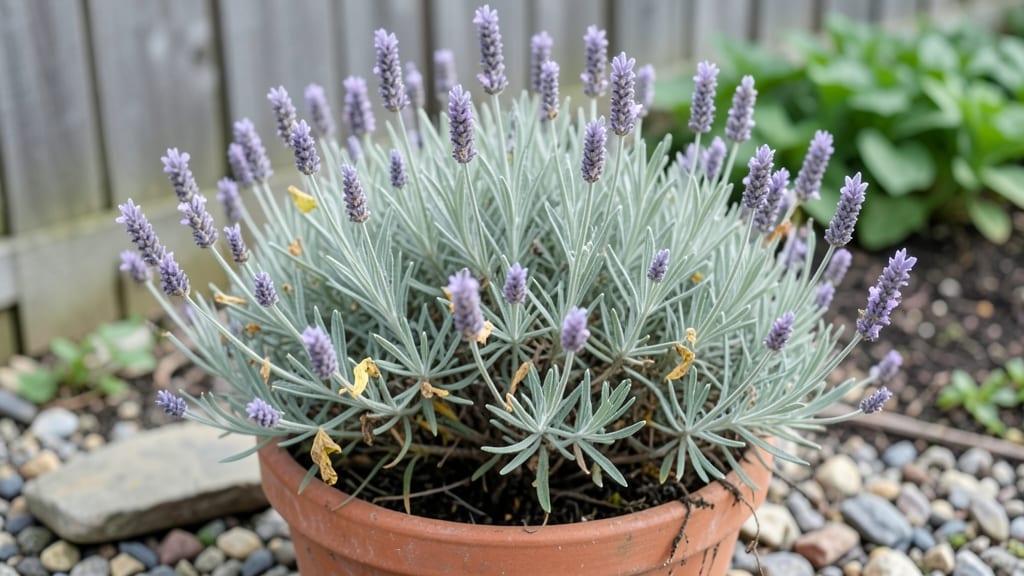
A potted lavender tree thrives in Pacific Northwest winters—its silvery foliage and intoxicating scent make it a standout container plant. 🌿 I learned the hard way that standard lavender care won’t cut it here; these trees need special soil, shelter, and watering to survive our damp, chilly climate.
The right setup transforms a frost-prone shrub into a year-round fragrance machine that outlasts annuals.
Start with a well-draining pot at least 18 inches wide, filled with a mix of cactus soil and perlite—lavender hates soggy roots. Place it where it gets full sun (6+ hours daily) and protect it from heavy rain with a simple plastic cover during winter storms.
Overwatering is the #1 killer, so let the soil dry completely between waterings, even in summer.
By late spring, you’ll notice new growth with deep purple blooms that attract bees and repel mosquitoes. Prune lightly after flowering to maintain shape, and fertilize sparingly—too much feed makes lavender leggy.
The key to PNW success? Shelter from wind and elevated pots to prevent root rot in our wet winters.
This isn’t just a pretty plant—it’s a low-maintenance, frost-hardy addition that keeps giving. Once established, your potted lavender will reward you with fragrance from spring through fall, and with the right care, it’ll survive winters that would kill most container plants. Ready to make yours thrive?
📚 In This Guide
- What you need
- Instructions
- Tips and common mistakes
- Wrapping up and next steps
What you need
- ● Lavender Tree (Lavandula spp.) – Choose a frost-hardy variety like Lavandula × intermedia 'Grosso' or 'Providence' (zones 5-9). Buy a 1- to 3-gallon potted plant from a nursery for best results.
- ● Container – A large, well-draining pot (18-24" in diameter) with drainage holes. Terra cotta or fabric pots work best to prevent root rot.
- ● High-Quality Potting Mix – A 50/50 blend of cactus/succulent mix and perlite or pumice (lavender hates soggy roots!). Avoid garden soil.
- ● Gravel or Pebbles – 2-3 inches for the pot’s drainage layer.
- ● Garden Gloves – To protect your hands from sharp edges.
- ● Trowel or Spade – For planting and mixing soil.
- ● Watering Can with Narrow Spout – Lavender needs deep but infrequent watering.
- ○ Slow-Release Fertilizer (Optional) – A balanced 10-10-10 or low-nitrogen formula (like Osmoote) to feed your tree once in early spring.
- ○ Mulch (Optional) – 1-2 inches of pebbles or coarse sand on top of soil to retain heat and prevent weeds.
- ○ Plant Support (Optional) – A small stake or trellis if your lavender grows tall and leggy.
How to grow a frost-resistant potted lavender tree in the Pacific Northwest
This method ensures your lavender thrives through PNW winters—no murky soil or guesswork involved.
🌱 Step 1: Select a Cold-Hardy Lavender Cultivar and Container
Choose Lavandula × intermedia or Lavandula angustifolia varieties like 'Grosso' or 'Hidcote'—they handle 20-25°F without fuss. Avoid Spanish lavender (Lavandula stoechas), which bolts in cold snaps. Pick a wide, shallow pot (at least 12 inches in diameter) with drainage holes—lavender roots spread horizontally, not deep.
I use unglazed terra cotta because it wicks moisture away, preventing root rot. If your container lacks drainage, drill holes yourself—lavender hates soggy feet. Line the bottom with 1 inch of gravel to create an air pocket; this keeps roots oxygenated and prevents compaction. Fill the pot with fast-draining cactus/succulent mix (never garden soil—it retains too much moisture).
☀️ Step 2: Plant and Position for Maximum Sunlight
Dig a hole twice as wide as the root ball but only as deep—lavender roots need room to breathe but won’t tolerate being buried too deep. Gently loosen the roots if they’re circling, then place the plant so the top of the root ball sits ½ inch below the rim. Fill gaps with more mix, pressing lightly to eliminate air pockets.
Position your pot in full sun (6+ hours daily) with afternoon shade if your PNW summers hit 85°F+. Lavender thrives in heat but wilts if roots bake. I place mine on a galvanized metal stand to elevate it slightly—this improves airflow and prevents fungal issues. Water deeply immediately after planting to settle the soil, then let it dry completely before watering again.
💧 Step 3: Water and Feed for Drought Tolerance
Water only when the top 2 inches of soil feel bone-dry—lavender stores water in its woody stems and despises soggy conditions. I use the "finger test" daily in summer: stick your index finger in the soil. If it comes out clean, water; if damp, wait. Overwatering is the #1 killer—yellowing leaves or mushy stems mean you’re drowning the roots.
Fertilize once in early spring with a low-nitrogen, high-phosphorus formula (like 5-10-10). Too much nitrogen makes lavender leggy and less fragrant. I skip summer feeding entirely—lavender grows best when slightly stressed. Mulch with ½ inch of gravel around the base to deter weeds and retain heat in winter.
⏰ Step 4: Winterize for Pacific Northwest Freezes
When nighttime temps drop below 30°F, move your pot to a sheltered, south-facing spot (like a porch or against a brick wall). Lavender tolerates frost but not prolonged cold or wet soil. Wrap the pot in burlap or frost cloth to insulate roots—this mimics the dry, sunny microclimates it prefers.
Reduce watering to once every 3-4 weeks in winter. The goal is to keep the plant slightly dormant but alive. If snow falls, brush it off gently—wet foliage encourages rot. Prune dead stems in early spring (before new growth) to encourage bushiness. Avoid heavy pruning in fall, as it stresses the plant before winter.
🌿 Step 5: Prune and Harvest for Long-Term Health
Prune right after flowering in late summer to shape the tree and encourage next year’s blooms. Use clean, sharp shears to trim back ⅓ of the previous year’s growth, cutting just above a leaf node. Never cut into bare wood—this kills the stem. I also remove any woody, unproductive branches at the base to redirect energy upward.
Harvest spent flowers for drying or sachets, but never cut more than ⅓ of the plant at once. Over-harvesting weakens the tree and reduces next year’s blooms. Bundle stems and hang upside down in a dark, dry place for 2-3 weeks. Store dried lavender in airtight containers away from light to preserve its fragrance for up to a year.
Tips & tricks for perfect potted lavender in the Pacific Northwest
Here's what nobody tells you about keeping your lavender lush and frost-hardy through PNW winters.
Container Selection: Unglazed terra cotta isn't just my preference—it's a game-changer for PNW growing. The porous material wicks moisture away naturally, preventing the root rot that claims so many potted lavenders. If you're stuck with a glazed pot, drill extra drainage holes (more than just the bottom) to mimic terra cotta's breathability. I've lost count of how many plants I've saved by upgrading their drainage after their first winter.
Winter Protection: That 30°F threshold in Step 4 isn't arbitrary—it's when lavender's cold tolerance hits its limit. For extra insurance, I double-wrap my pots: first with burlap for insulation, then with frost cloth for wind protection. This two-layer system has kept my lavenders thriving through Seattle winters that dip into the 20s. The key is maintaining that dry, sunny microclimate lavender craves even in winter.
Pruning Precision: When you're trimming back that ⅓ of growth in Step 5, focus on cutting just above a leaf node—this is where new growth will emerge. I always make my cuts at a 45-degree angle to prevent water from pooling on the stem, which can lead to rot. And here's a pro move: use clean, sharp shears every time. Dull blades crush stems instead of cutting cleanly, inviting disease.
Soil Science: That fast-draining cactus/succulent mix isn't just about drainage—it's about mimicking lavender's natural Mediterranean habitat. If you're mixing your own, combine equal parts potting soil, perlite, and coarse sand. The goal is a soil that looks dry on the surface but still holds enough moisture for those deep roots. I've seen lavenders struggle in "fluffy" mixes that look perfect but don't provide structural support for the woody stems.
Pro Tips for Lavender Tree Potted
- Here's what nobody tells you about keeping your lavender lush and frost-hardy through PNW winters.
- Container Selection: Unglazed terra cotta isn't just my preference—it's a game-changer for PNW growing.
- Winter Protection: That 30°F threshold in Step 4 isn't arbitrary—it's when lavender's cold tolerance hits its limit.
Frequently asked questions
Got questions about growing a lavender tree in a pot? You’re not alone! Here are answers to the most common concerns—especially for Pacific Northwest gardeners dealing with frost and container gardening challenges.
What’s the best potted lavender tree variety for cold climates like the PNW?
Opt for Lavandula × intermedia (like ‘Grosso’ or ‘Provence’) or Lavandula angustifolia (English lavender). These hybrids handle cooler temps better than Mediterranean natives. Look for frost-hardy labels (Zone 5+), and always choose dwarf or compact varieties for pots.
How do I protect my potted lavender from PNW frost?
Move pots to a sheltered spot (e.g., against a south-facing wall) before temps drop below 28°F (-2°C). Wrap the pot in bubble wrap or use a frost cloth to insulate. In extreme cold, lift pots onto wooden boards or straw to prevent freezing roots.
How often should I water my potted lavender tree?
Water only when the top inch of soil is dry—lavender hates soggy roots! In summer, this might be every 5–7 days; in winter, reduce to once a month. Use a pot with drainage holes and a well-draining soil mix (50% potting soil, 30% perlite, 20% sand).
Can I grow lavender in a pot year-round in the PNW?
Yes, but overwintering is key! Keep pots in bright, sheltered spots (like a garage or porch) and prune lightly in early spring. Avoid fertilizing in winter—lavender needs a dormant period. If you’re unsure, treat it as an annual and replant fresh each spring.
Why is my potted lavender turning brown or leggy?
Brown tips? Overwatering or salt buildup (from tap water). Leggy growth? Not enough light—lavender needs 6+ hours of sun daily. Fix it by moving to a sunnier spot, trimming back overgrowth, and using rainwater or distilled water to flush salts.
What can I plant with lavender in a pot for a PNW-friendly combo?
Pair it with drought-tolerant companions like sedum, thyme, or ornamental grasses (e.g., Carex varieties). Avoid heavy feeders like petunias—they’ll compete for nutrients. For a fragrant PNW trio, try lavender + rosemary + Russian sage.
Wrapping up and next steps
Growing a potted lavender tree in the Pacific Northwest is not only achievable but also incredibly rewarding—whether you crave its soothing fragrance, drought-resistant charm, or stunning purple blooms.
With the right frost-resistant variety, well-draining soil, and a sunny spot, you’ll enjoy a thriving plant that brings both beauty and tranquility to your space. 🌿✨
Ready to transform your patio or balcony? Start small—pick your favorite variety, gather your supplies, and plant with confidence! Before you know it, you’ll be harvesting fragrant stems or sharing tips with fellow gardeners. Happy growing!