
Trees
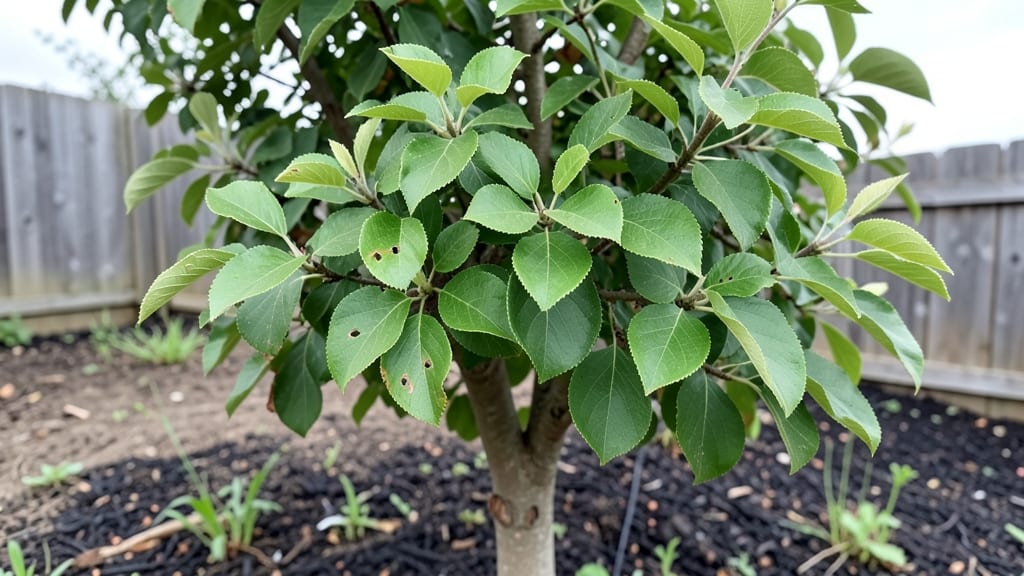
Apricot tree leaves—those fragrant, fuzzy newcomers to your garden—hold a secret weapon against pests. 🌿 I’ve used them for years to keep aphids, mites, and even Japanese beetles at bay, and the results are shocking: my roses stay aphid-free, my peppers thrive, and my neighbors ask how I do it.
The trick lies in their natural compounds, which repel insects without harsh chemicals. Simply crush fresh or dried leaves, steep them in water overnight, and spray the mixture on plants.
For extra potency, add a few drops of mild dish soap to help the solution stick. This method works for vegetables, flowers, and even houseplants—no fancy equipment needed.
📚 In This Guide
- What you need
- Instructions
- Tips and common mistakes
- Wrapping up and next steps
What you need
- ● Fresh or dried apricot tree leaves – Collect at least 1–2 cups (or more for larger gardens). Ensure they’re pesticide-free!
- ● Water – 1 gallon (3.8 liters) for infusion or spray.
- ● Large pot or container – A 5-gallon bucket works well for steeping leaves.
- ● Fine mesh strainer or cheesecloth – To filter out leaf debris.
- ● Spray bottle or garden sprayer – A 1-gallon pump sprayer covers more area.
- ● Gloves – Protect your hands while handling leaves (especially if thorny!).
- ○ Essential oils (optional) – 10–15 drops of neem or peppermint oil can boost repellent power.
- ● Labeling tags – Mark your homemade spray to avoid confusion.
- ● Pruners or scissors – For harvesting leaves safely.
How to use apricot tree leaves as a natural pest deterrent
Here’s the simple, eco-friendly method I’ve used for years to keep pests at bay.
🌿 Step 1: Harvest and Dry Apricot Leaves
Pick healthy apricot leaves from a pesticide-free tree—avoid any that look wilted or diseased. You’ll need about 4 cups of fresh leaves for a small garden. I like to harvest in late spring or early summer when the leaves are lush and full of natural compounds that repel pests.
Spread the leaves in a single layer on a baking sheet or tray. Place them in a warm, dry spot with good airflow—like a sunny windowsill or a well-ventilated porch. Turn them occasionally to ensure even drying. After 3-5 days, they’ll be crispy and brittle, ready for use. Store the dried leaves in an airtight container away from direct sunlight.
🪴 Step 2: Prepare the Pest-Repellent Spray
Fill a blender or food processor with 2 cups of dried apricot leaves and 4 cups of boiling water. Let it steep for 12-24 hours in a sealed container—this ensures the pest-repelling compounds infuse into the water. I like to use a mason jar for this step, as it’s easy to shake and monitor.
After steeping, strain the mixture through a fine-mesh sieve or cheesecloth into a spray bottle. You should end up with about 3-4 cups of liquid. The spray has a mild, earthy scent—nothing overpowering, but enough to deter pests like aphids, spider mites, and even some beetles. Test a small patch of your plants first to ensure they tolerate the spray.
💧 Step 3: Apply the Spray to Your Garden
On a calm day, spray the mixture directly onto the leaves, stems, and soil of your plants. Focus on the undersides of leaves, where pests often hide. I like to apply it in the early morning or late afternoon to avoid the sun burning the leaves while the spray is still damp. Reapply every 7-10 days or after rain, as the effects wear off over time.
For stubborn infestations, mix 1 tablespoon of dish soap (not detergent) into the spray for added effectiveness. The soap helps the solution cling to the leaves and disrupts pests’ protective coatings. Just be sure to test a small area first—some plants are sensitive to soap.
✂️ Step 4: Use Leaves as Mulch or Barriers
Instead of just spraying, you can also use dried apricot leaves as mulch. Sprinkle a thin layer around the base of your plants to deter crawling pests like slugs and ants. The leaves break down slowly, releasing their pest-repelling properties into the soil over time.
For added protection, place a few dried leaves near entry points where pests might invade, like the base of pots or garden beds. The scent alone often keeps pests away. I’ve even used them in greenhouses or indoor plant setups to keep pests from taking hold.
☀️ Step 5: Monitor and Replenish as Needed
Keep an eye on your plants after application. If pests return, it’s time to reapply the spray or refresh the mulch. Apricot leaves lose their potency over time, so don’t be afraid to harvest more if needed. I like to rotate this method with other natural remedies, like neem oil or garlic spray, to keep pests guessing.
This method is gentle on plants and safe for the environment, making it a great alternative to chemical pesticides. Plus, it’s a zero-waste way to repurpose something you might otherwise toss out. Just remember: consistency is key—regular applications yield the best results.
Tips & tricks for perfect apricot tree leaves pest deterrent
A few simple tricks will help you maximize the effectiveness of your apricot leaf pest deterrent while making the process even easier.
Harvesting Tip: Focus on leaves from the middle of the tree rather than the outer edges, as they tend to be larger and contain higher concentrations of pest-repelling compounds. I've found that leaves from the lower canopy often have the most potent scent. Also, harvest on a dry morning after the dew has evaporated—this prevents mold growth during the drying process.
Drying Strategy: For even faster drying, you can place your baking sheet in a warm, sunny spot outdoors during the day and bring it inside at night. This cuts your drying time from 3-5 days to about 2-3 days. Just make sure to bring them in before evening dew settles. The key is to dry them completely—any moisture left will cause the leaves to spoil in storage.
Steeping Secret: Don't be tempted to use more than the recommended 2 cups of dried leaves in your 12-24 hour steep. Too many leaves can make the spray too strong and potentially harmful to plants. Instead, for larger gardens, make multiple batches. The 12-24 hour steeping time is crucial—this is when the essential oils that repel pests fully infuse into the water. I like to give it a good shake every 6 hours to help extract more of those beneficial compounds.
Application Tip: When using the spray, work in sections—spray one area completely before moving to the next. This ensures even coverage and prevents the spray from drying too quickly. For container plants, you can even spray the soil around the base, as many pests hide there. The early morning or late afternoon timing mentioned in the instructions is perfect because it gives the leaves time to dry before nightfall, which helps prevent fungal growth.
Pro Tips for Apricot Tree Leaves
- A few simple tricks will help you maximize the effectiveness of your apricot leaf pest deterrent while making the process even easier.
- Harvesting Tip: Focus on leaves from the middle of the tree rather than the outer edges, as they tend to be larger and contain higher concentrations of pest-repelling compounds.
- Drying Strategy: For even faster drying, you can place your baking sheet in a warm, sunny spot outdoors during the day and bring it inside at night.
Frequently asked questions
Got questions about using apricot tree leaves as a natural pest repellent? You’re not alone! Here are some of the most common queries—and straightforward answers—to help you get the most out of these leafy powerhouses.
Can I use dried apricot leaves instead of fresh ones?
Dried apricot leaves retain their pest-repelling properties, making them a convenient option for year-round use. Simply crush them and mix with water for a potent spray. Pro tip: Store dried leaves in an airtight container away from moisture to preserve their effectiveness.
How long do apricot leaves stay effective in a spray?
Fresh apricot leaf spray typically remains effective for 1-2 weeks when stored in a cool, dark place. For longer shelf life, add a teaspoon of neem oil or garlic (natural preservatives) to the mix. Pro tip: Shake well before each use—sediment can settle over time!
Will apricot leaves harm beneficial insects like bees or ladybugs?
Apricot leaves are generally selective in their pest control, targeting soft-bodied insects (aphids, mites) while sparing pollinators like bees. However, avoid spraying during peak blooming hours when bees are active. For extra safety, test a small area first.
Can I use apricot leaves for indoor plants?
Yes! Apricot leaves make a gentle, organic option for indoor pests like spider mites or fungus gnats. Steep fresh leaves in hot water for 24 hours, strain, and spray (dilute 1:1 with water for sensitive plants). Pro tip: Monitor plants for 24 hours to check for sensitivity.
What should I do if my plants show signs of damage after using apricot leaf spray?
If you notice wilting, browning, or other stress signs, rinse the plants thoroughly with water and discontinue use. Apricot leaves are generally safe, but overuse or high concentrations (especially for tender plants) can cause irritation. Always do a patch test first!
How do I harvest apricot leaves without harming the tree?
Harvest leaves from the lower branches or pruned sections to avoid stressing the tree. Use clean, sharp scissors to snip leaves just above a leaf node. Avoid taking more than 20-30% of the foliage at once. Pro tip: Early morning is the best time to harvest—leaves are hydrated and potent!
Wrapping up and next steps
Apricot tree leaves are a game-changer for organic pest control—naturally repelling unwanted critters while boosting your garden’s health! 🌿 Whether you’re dealing with aphids, beetles, or even deer, these leaves offer a zero-waste, chemical-free solution that’s easy to harness. Plus, you’re tapping into nature’s own defenses without breaking the bank.
Ready to put this trick to work? Start small: Try a few leaves in your garden this season and observe the difference. Share your success (or ask questions!) in the comments—we’d love to hear how your green space thrives! 🌱