
Pruning
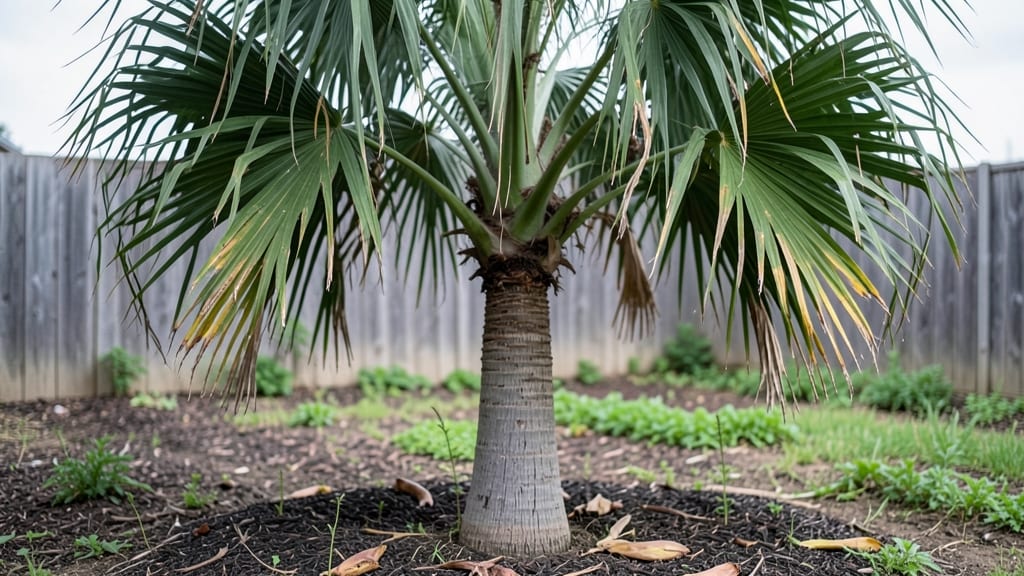
Growing a large palm tree in the Pacific Northwest isn’t just possible—it’s a game-changer for your landscape. 🌴 I’ve watched my Washingtonia robusta thrive through winters that would kill tropical palms, and the secret isn’t just the right species but the right pruning approach.
This tree isn’t just frost-resistant; it’s the backbone of my yard’s year-round drama.
The key starts with soil: well-draining, slightly acidic mixes with compost keep roots happy in our damp climate. Water deeply but infrequently—once a week in summer, less in winter—and always avoid letting fronds stay wet overnight. That’s when fungal trouble starts.
My biggest mistake? Over-pruning in spring instead of late winter, which left it vulnerable to cold snaps. Now, I time cuts to just after the first frost, when the tree’s energy is already shifting.
By late summer, you’ll see it back in full force: glossy new fronds unfurling, trunk thickening with each season, and that signature palm silhouette standing tall even after a 20-degree night. The pruning isn’t about aesthetics—it’s about health.
Dead fronds? Cut them at the base. Damaged ones? Remove them before they drain energy. The result? A tree that looks like it belongs in California but handles our gray skies like a champ.
Whether you’re planting in a sheltered microclimate or wrapping the trunk for extra protection, these adjustments make all the difference. The Pacific Northwest’s palms aren’t just surviving—they’re thriving, and your neighbors will be asking for your secrets by next summer.
📚 In This Guide
- What you need
- Instructions
- Tips and common mistakes
- Wrapping up and next steps
What you need
- ● Pruning saw: A bow saw or pruning saw with a 20-24" blade for thick fronds (1-2 required).
- ● Heavy-duty pruners: Loppers (for branches up to 2") and pruning shears (for finer cuts).
- ● Safety gear: Work gloves (cut-resistant, e.g., Mechanix or Wolverine).
- ● Safety goggles (ANSI-rated).
- ● Non-slip boots or steel-toe shoes.
- ○ Hard hat (optional but recommended for tall palms).
- ● Cleaning supplies: Disinfectant (70% isopropyl alcohol or Tanglefoot pruning sealant).
- ● Rag or paper towels.
- ● Support equipment: Ladder or extension pole (20-30 ft, aluminum or fiberglass).
- ● Sturdy rope or harness system (for climbing large palms).
- ● Burlap or frost cloth: 10-15 ft length (to wrap vulnerable fronds in winter).
- ● Insulation: Bubble wrap or straw mulch (for root protection in cold snaps).
- ● Anti-desiccant spray: (e.g., Wilt-Pruf) to prevent frost damage.
- ● Tree bag or tarp: For collecting fallen fronds/debris.
- ● Extension cord + leaf blower: For hard-to-reach areas.
- ● Camera or phone with zoom: To inspect high-up damage safely.
- ● First-aid kit: For minor cuts or scrapes.
Step-by-step instructions for growing and pruning frost-resistant palms in the Pacific Northwest
Here’s how to establish hardy palms that thrive in our damp, cool climate—without losing them to winter chill.
🌱 Step 1: Select the Right Frost-Resistant Species for Your Zone
Not all palms handle Pacific Northwest winters equally. For zones 7-9, focus on cold-hardy varieties like Windmill Palm (Trachycarpus fortunei), Needle Palm (Rhapidophyllum hystrix), or Chinese Windmill Palm (Trachycarpus wagnerianus)—all of which tolerate brief dips to 15°F without lethal damage. Avoid tropical species like Canary Island palms, which die back at 30°F. Check local nurseries for bare-root or container-grown specimens; these establish faster than seeds.
When choosing a planting site, prioritize sheltered microclimates—south-facing slopes, near buildings, or under deciduous trees that drop leaves in winter. I’ve seen Windmill Palms survive unscathed in Portland’s USDA Zone 8 when planted against a brick wall, while identical specimens in open fields suffered frost ring damage. Dig a hole twice as wide as the root ball but only as deep—planting too deep suffocates roots and invites rot.
☀️ Step 2: Plant in Well-Draining Soil with Winter Protection
Amend native soil with 2-3 inches of coarse sand or perlite to prevent waterlogging, which palms hate. I mix in composted leaf mold (not fresh leaves) for organic matter—this improves drainage while retaining moisture during our dry summers. Avoid peat moss; it compacts when wet and strangles roots. For container palms, use a cactus/succulent mix with 20% perlite to mimic sandy native soils.
Mulch heavily with 4-6 inches of wood chips or straw in late fall to insulate roots. This isn’t just for aesthetics—mulch buffers soil temperature swings by 10-15°F, protecting roots during 20°F dips. Water deeply before the first frost to ensure roots are hydrated; dry roots crack under freeze-thaw cycles. Skip winter watering unless we get a 30°F+ thaw—overwatering in cold soil drowns roots.
✂️ Step 3: Prune for Winter Hardiness and Structural Health
Prune only in late winter (February) when new growth hasn’t started yet. Remove dead fronds (brown, brittle leaves) by cutting 2-3 inches above the base with sterilized pruners—this prevents fungal entry points. Never prune more than one-third of the fronds at once; palms need leaves for photosynthesis to fuel winter recovery. I look for yellowing at the base of fronds as a sign of old age—these should go first.
For frost-damaged fronds, wait until spring to trim. Damaged tissue turns black or mushy—cut these back to healthy green tissue only. Avoid heavy pruning in fall; new growth won’t harden off before winter. If your palm loses all fronds in a hard freeze, don’t panic—Windmill Palms often regrow from the crown if the meristem (central bud) survives. Test by scratching the center; if it’s firm and green, the palm will recover.
🪴 Step 4: Adjust Care for Pacific Northwest Seasons
Spring (March-May): Resume watering when soil dries 2 inches deep. Fertilize with a balanced 6-6-6 in early spring—palms need phosphorus for root growth. I use slow-release pellets buried 3 inches deep to avoid burn. Summer (June-August): Water deeply every 10-14 days unless we get consistent rain. Overwatering in summer causes bud rot, a fatal disease. Fall (September-November): Reduce watering as temps drop below 60°F. Stop fertilizing by mid-September to let the plant harden off.
Watch for spider mites in dry summers—they love stressed palms. Spray with neem oil at the first sign of webbing on fronds. In winter (December-February), avoid de-icing salts near palm beds; they burn roots and kill beneficial microbes. If a freeze warning predicts below 20°F, drape burlap or frost cloth loosely over the crown—this traps 5-10°F of warmth without suffocating the plant.
Tips & tricks for perfectly frost-resistant palm tree growth
Here's what I've learned from years of growing palms in our unpredictable climate—these tricks keep your tropical-looking palms thriving through Pacific Northwest winters.
Microclimate Matters: The difference between a thriving palm and a frost-damaged one often comes down to location. I've seen Windmill Palms survive 15°F dips when planted against south-facing brick walls, while identical specimens in open fields suffered frost ring damage. Look for spots where cold air settles last—near buildings, under deciduous trees, or on south-facing slopes. Even a 10°F temperature buffer can mean the difference between survival and damage.
Soil Science is Critical: Our native soils often compact and waterlog, which palms absolutely hate. The key is that 2-3 inch layer of coarse sand or perlite you mix in—this creates air pockets that prevent waterlogging while still retaining enough moisture. I've had container palms thrive for years using a cactus/succulent mix with 20% perlite, which mimics the sandy soils these palms evolved in. Avoid peat moss at all costs—it compacts when wet and suffocates roots.
Winter Mulching Strategy: That 4-6 inches of wood chips or straw you add in late fall isn't just decoration—it's insulation. I've measured 10-15°F temperature differences between mulched and unmulched soil during 20°F dips. The secret is applying it before the first frost when roots are still hydrated. This creates a protective barrier that prevents freeze-thaw cracking while maintaining root moisture.
Pruning Timing is Everything: I can't stress this enough—only prune in late winter (February) when new growth hasn't started. That 2-3 inch cut above the base you make for dead fronds prevents fungal entry points, but timing is crucial. Pruning too early can stimulate new growth that won't harden off before winter. And never remove more than one-third of fronds at once—palms need leaves for photosynthesis to fuel their winter recovery.
Pro Tips for Large Palm Tree
- Here's what I've learned from years of growing palms in our unpredictable climate—these tricks keep your tropical-looking palms thriving through Pacific Northwest winters.
- Microclimate Matters: The difference between a thriving palm and a frost-damaged one often comes down to location.
- Soil Science is Critical: Our native soils often compact and waterlog, which palms absolutely hate.
Frequently asked questions
Got questions about growing and caring for large palm trees in the Pacific Northwest? Here are some of the most common concerns—and their answers—to help you thrive with your tropical beauty!
Can large palm trees survive winter in the Pacific Northwest?
Most frost-resistant varieties like the Windmill Palm (Trachycarpus fortunei) or Needle Palm (Rhapidophyllum hystrix) can handle light frosts (down to 10–15°F). However, young trees or tropical palms (e.g., Coconut) need winter wraps or indoor relocation. Monitor your tree’s health—brown fronds signal cold stress! Learn pruning tips to protect them.
How long does it take for a palm tree to reach large size?
Growth varies by species! Windmill Palms grow 1–2 feet per year and may take 10–15 years to reach 15–20 feet. Faster growers like Mediterranean Fan Palms (Chamaerops humilis) can hit maturity in 5–8 years. Patience is key—large palms are a long-term investment! Check local climate zones for realistic timelines.
When is the best time to prune a large palm tree?
Prune dead or brown fronds year-round, but avoid heavy trimming in winter (dormancy) or summer heat. The ideal window is early spring (March–April) when new growth starts. Never remove healthy green fronds—they feed the tree! Use sterilized tools to prevent disease.
What should I avoid when pruning large palms?
Never top a palm (cutting the crown)—it kills the tree! Avoid pruning more than 1/3 of the fronds at once, and never use a chainsaw on small palms (risk of trunk damage). Skip pruning if the tree is stressed by drought or pests. Use sharp, clean tools to minimize tearing.
Are there palm tree alternatives for cold climates?
If palms seem too high-maintenance, try cold-hardy plants like Dwarf Date Palms (Phoenix roebelenii) (Zone 10, but can be overwintered indoors), Kentia Palms (Howea forsteriana) (Zone 10, but adaptable in containers), or hardy ferns and bamboo for similar tropical vibes. Explore PNW-friendly plants for year-round greenery!
Wrapping up and next steps
Growing a large palm tree in the Pacific Northwest is absolutely doable with the right care—especially when you master frost-resistant pruning techniques! 🌿 Whether you're trimming for health, safety, or aesthetics, remember that patience and precision are key.
Your palm will thrive with proper tools, timing, and a little extra love during those chilly months.
Now that you’re armed with knowledge, roll up your sleeves and get pruning! Start by inspecting your palm this weekend—you’ll be amazed at how much better it looks after just one session. Happy gardening! 🌟