
Pruning
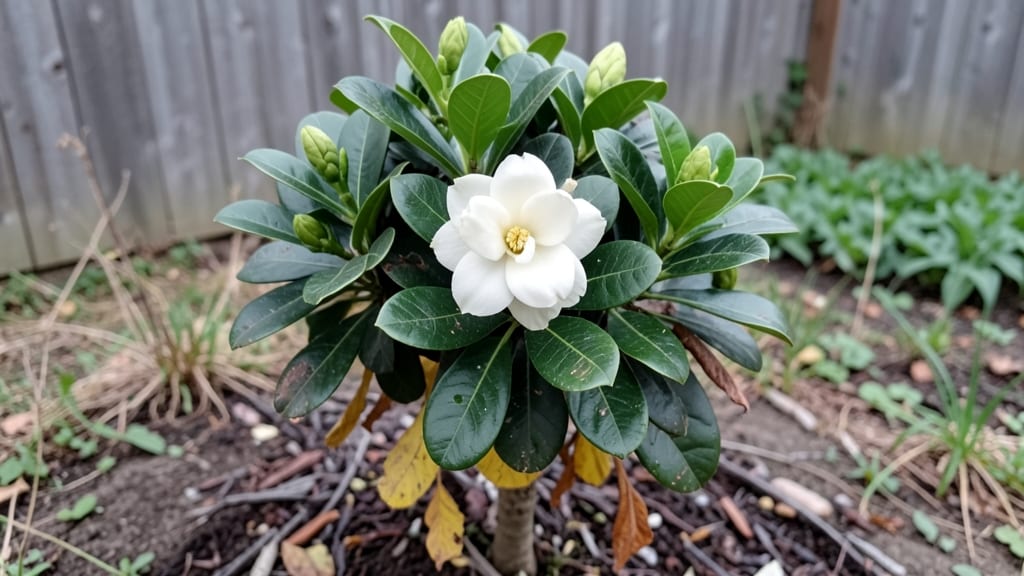
That first whiff of gardenia blooms in spring is worth every careful cut you make now. 🌿 Pruning a large gardenia tree isn’t about hacking away—it’s about unlocking more fragrant blooms by encouraging healthy growth where it matters most.
The secret lies in timing, technique, and knowing exactly where to guide those lush branches.
You’ll need sharp pruners, a ladder for higher branches, and a clear day to avoid stressing the plant. The best time to prune is right after blooming, but light maintenance cuts can happen year-round if done correctly.
I’ve pruned mine for five years now, and the difference between a neglected bush and a blooming powerhouse is those intentional cuts.
What you’ll end up with is a gardenia tree that bursts with snow-white, velvety blooms from spring through fall—if you time it right, even into winter. The fragrance alone makes it worth the effort, but the lush, glossy foliage adds year-round beauty. Just remember: less is more with gardenias.
This method works for both container-grown and in-ground gardenias, whether you’re dealing with a mature 10-foot tree or a younger specimen. The principles stay the same—only the scale changes. Let’s get those blooms coming back thicker than ever.
📚 In This Guide
- What you need
- Instructions
- Tips and common mistakes
- Wrapping up and next steps
What you need
- ● Pruning shears: Bypass pruners (sharp, 6–8" blades) for clean cuts on smaller branches.
- ● Loppers: 18–24" bypass loppers for thicker branches (up to 2" diameter).
- ● Pruning saw: A bow saw or pruning saw for branches over 2" thick (avoid chainsaws—they cause damage!).
- ● Disinfectant: 70% isopropyl alcohol or a pruning sealant (like Tanglefoot Pruning Seal) to prevent disease spread.
- ● Garden gloves: Heavy-duty, cut-resistant gloves (gardenias have thorns!).
- ○ Extension pole: Optional but handy—an 8–10' pruning pole with a saw attachment for high branches.
- ● Bucket or tarp: A 5-gallon bucket or large tarp to collect clippings (gardenias can be composted after drying).
- ● Weather check: Prune on a dry, overcast day (avoid midday heat or rain—wet branches invite fungal issues).
- ● Safety glasses: Protect your eyes from debris (especially when using a saw).
- ● Long sleeves/pants: Wear protective clothing to avoid scratches from thorns.
- ● Ladder (if needed): A sturdy, extension ladder (rated for your height + 3' extra) with a spotter if working alone.
- ● First-aid kit: Just in case—gardenias can be prickly!
- ● Sterilize tools: Wipe blades with rubbing alcohol before and after each cut to avoid spreading disease. 🌡️
- ● Sharp is key: Dull tools crush branches, inviting infections—sharpen blades regularly.
- ● Mark your cuts: Use chalk or tape to outline cuts on larger branches to avoid over-pruning.
How to prune a large gardenia tree for continuous blooms
Here's the method I've used to keep my mature gardenia trees flowering nonstop—no dead wood, no overcrowding, just lush growth.
✂️ Step 1: Time Your Pruning for Maximum Bloom Stimulation
Prune your gardenia tree right after it finishes blooming in late spring or early summer. This timing ensures you're cutting back spent flowers while the plant still has energy reserves for new growth. Never prune in fall or winter—you'll remove next year's flower buds before they form.
Watch for clusters of faded blooms to identify the best moment. When about 70% of the flowers have dropped naturally, that's your cue. I mark the calendar because gardenias bloom in cycles, and missing this window means fewer flowers next season.
✂️ Step 2: Remove Dead, Diseased, or Crossing Branches First
Start by eliminating any branches that are dead, diseased, or rubbing against other branches. These are your priority cuts—they prevent future problems and improve air circulation. Use sharp, clean pruning shears to make cuts at a 45-degree angle just above an outward-facing bud.
Look for branches with no leaves, brown stems, or signs of fungal spots. Crossing branches create weak points where bark can split. You'll know you've done this right when the canopy opens up and sunlight reaches the inner growth.
✂️ Step 3: Thin Out Overcrowded Areas for Better Airflow
Selectively remove about 20-30% of the oldest, thickest branches to open up the center of the tree. Gardenias need good airflow to prevent fungal diseases like powdery mildew. Focus on branches growing inward or downward—they create dense shade where moisture lingers.
Make your cuts just outside the branch collar where it meets the trunk. Avoid leaving stubs—they invite rot. After thinning, step back and visualize sunlight reaching all parts of the canopy. You want a vase-like shape with branches spreading outward.
✂️ Step 4: Shape the Tree for Optimal Flower Display
Lightly shape the outer branches to encourage a balanced, rounded form. Gardenias naturally grow bushy, but strategic cuts create a more dramatic display. Shorten some of the longest branches by about one-third to promote bushier growth at the tips.
Never remove more than one-third of the tree's total foliage in a single pruning. You'll see new shoots forming within 4-6 weeks—these are your plant's way of telling you it's happy with the cuts. Avoid heavy pruning in one season; spread it over 2-3 years for gradual, healthy growth.
💧 Step 5: Post-Pruning Care for Strong Recovery
Water deeply right after pruning to help the tree recover. Gardenias are sensitive to drought stress, so keep the soil consistently moist but not soggy for the first 2 weeks. Apply a balanced fertilizer (like 10-10-10) to support new growth.
Monitor the pruned areas for signs of stress like yellowing leaves or wilting. If you see any, reduce watering slightly—overwatering after pruning can cause root rot. Within 6-8 weeks, you should notice fresh, dark green leaves emerging from the cuts you made.
Tips & tricks for perfect large gardenia tree pruning
Pruning a mature gardenia tree can feel intimidating, but these key strategies will help you achieve that perfect balance of shape and bloom without stressing the plant.
Timing is Everything: The late spring/early summer window after 70% of flowers have faded is critical—this gives your gardenia time to recover before winter. I always mark my calendar when the first flowers start dropping because missing this window means fewer blooms next season. If you accidentally prune at the wrong time, don't panic—just wait until next year's blooming cycle to try again.
Tool Preparation Matters: Before you start, sharpen your pruning shears and disinfect them with rubbing alcohol. Dull tools crush stems instead of making clean cuts, which stresses the tree. I also keep a small bucket of water nearby to wipe down tools between cuts—this prevents spreading disease from infected branches to healthy ones.
Visualize the Canopy: After removing dead branches in Step 2, step back and visualize sunlight reaching all parts of the tree. Gardenias need good airflow to prevent fungal diseases, so aim for a vase-like shape with branches spreading outward. Think of it like opening a curtain—you want sunlight and air to flow through the center. This is where most people make mistakes by over-pruning one side.
Post-Pruning Recovery Watch: The first 2 weeks after pruning are critical for recovery. I set a reminder to check the pruned areas daily for signs of stress like yellowing leaves or wilting. If you see these signs, reduce watering slightly—overwatering after pruning can actually cause root rot. Within 6-8 weeks, you should see fresh, dark green leaves emerging from your cuts as a sign the tree is happy with the changes.
Pro Tips for Large Gardenia Tree
- Pruning a mature gardenia tree can feel intimidating, but these key strategies will help you achieve that perfect balance of shape and bloom without stressing the plant.
- Timing is Everything: The late spring/early summer window after 70% of flowers have faded is critical—this gives your gardenia time to recover before winter.
- Tool Preparation Matters: Before you start, sharpen your pruning shears and disinfect them with rubbing alcohol.
Frequently asked questions
Got questions about nurturing your large gardenia tree to keep it blooming beautifully? Here are some of the most common queries—and their answers—to help you prune with confidence!
When is the best time to prune a large gardenia tree?
The ideal time to prune is right after flowering (late spring to early summer). This encourages new growth and prepares the tree for the next blooming season. Avoid heavy pruning in fall or winter, as gardenias are sensitive to cold and may struggle to recover.
How much can I trim back a large gardenia tree?
Never remove more than 1/3 of the tree’s foliage in a single pruning session. Gardenias are sensitive to over-pruning, which can stress the plant and reduce blooms. Focus on shaping, removing dead wood, and thinning out crowded branches for better airflow.
Why isn’t my gardenia tree blooming after pruning?
If your gardenia isn’t blooming post-pruning, check these factors:
- Light: Ensure it gets 6+ hours of sunlight daily—partial shade is ideal, but too much shade can stunt flowers.
- Soil: Gardenias thrive in acidic, well-draining soil (pH 5.0–6.5). Test your soil and amend with peat moss or sulfur if needed.
- Watering: Overwatering or underwatering can stress the tree. Keep soil consistently moist but not soggy.
- Fertilizer: Use a balanced, acidic fertilizer (like 8-3-9) in early spring and mid-summer.
Can I grow a large gardenia tree from a small cutting?
Yes! Take 4–6 inch cuttings from healthy, non-flowering stems in late spring or early summer. Dip the cut end in rooting hormone, plant in moist perlite or sand, and cover with a plastic bag to retain humidity. Keep in bright, indirect light and mist regularly. Roots typically form in 4–8 weeks.
What pests or diseases should I watch for in a gardenia tree?
Gardenias are prone to:
- Scale insects (sticky residue on leaves) – Treat with horticultural oil or insecticidal soap.
- Whiteflies (tiny white bugs) – Use yellow sticky traps or neem oil.
- Fungal diseases (like powdery mildew) – Improve airflow, avoid overhead watering, and apply fungicide if needed.
- Root rot – Caused by overwatering; ensure pots have drainage holes and soil dries slightly between waterings.
Inspect leaves and stems regularly for early signs of trouble!
Wrapping up and next steps
Growing a thriving large gardenia tree with year-round blooms is all about balance—pruning at the right time, using the right tools, and giving your tree the care it deserves. 🌸 With patience and precision, you’ll reward yourself with fragrant, lush foliage that brightens any landscape.
Ready to take the next step?
🌱 Your Action Plan:
- Mark your calendar for your next pruning session—whether it’s a light trim in early spring or a deeper cut in late winter.
- Keep an eye on your tree’s health and adjust your approach based on its growth and bloom patterns.
- Share your progress! Snap a photo of your gardenia’s stunning blooms and tag us—we’d love to see your hard work pay off!