
Pruning
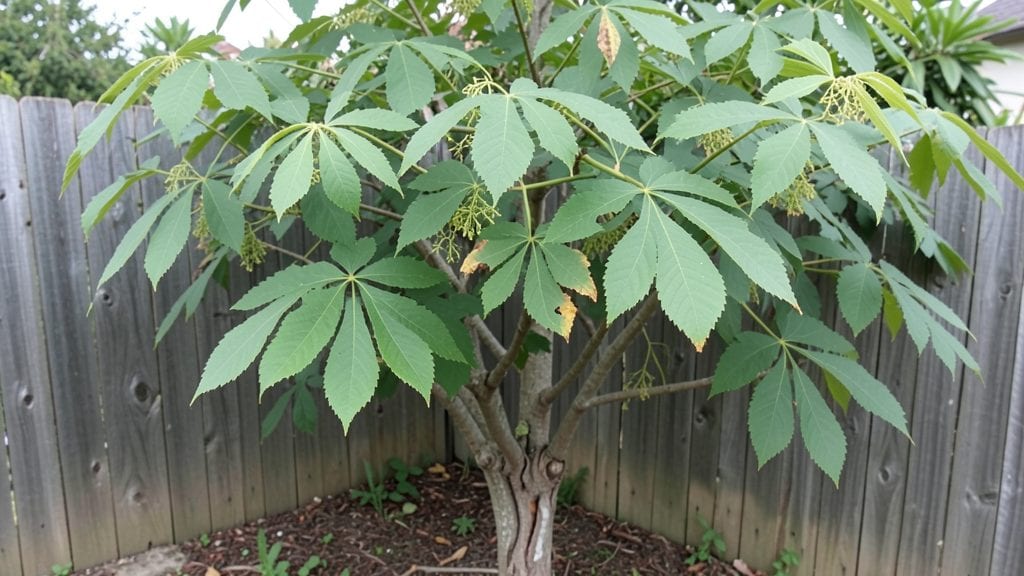
Strategic pruning is the only way to keep Ailanthus altissima—the Tree of Heaven—from taking over your yard. 🌳 I’ve wrestled with this aggressive tree for years, and the key isn’t just cutting branches, but when and how you do it to slow its spread.
The right timing and technique can turn an invasive nightmare into a manageable landscape feature.
This tree thrives in poor soil and full sun, which is why it spreads so fast—but that also means you can outsmart it. Focus on late winter pruning (just before buds swell) to remove suckers (those aggressive shoots at the base) and water sprouts (vertical shoots).
A sharp pruner and gloves are all you need, but the real trick is consistency. One missed sucker can mean a new tree in a year.
By summer, you’ll see fewer sprouts popping up, and the tree’s energy will shift to leaf production instead of spreading. The branches become easier to manage, and with annual pruning, you’ll keep it from shading out your garden.
It’s not about eliminating the tree—it’s about controlling it so it stops dominating your yard.
Works for urban lots, rural edges, or even as a living fence—if you’re willing to put in the work. The secret? Don’t let it go to seed—those winged samaras spread like dandelions. With the right cuts, you’ll have a tree that’s contained, not conquering.
📚 In This Guide
- What you need
- Instructions
- Tips and common mistakes
- Wrapping up and next steps
What you need
- ● Pruning shears or hand pruners – Bypass-style, sharp, and sterilized (1 pair)
- ● Loppers – For thicker branches (1-2 pairs, 20-30" cutting capacity)
- ● Pruning saw – For branches 2" or thicker (1 saw, curved or folding blade)
- ○ Extension pole pruners – For high branches (optional but helpful, 6-12 ft reach)
- ● Work gloves – Heavy-duty, cut-resistant (1 pair)
- ● Safety glasses – ANSI-rated (1 pair)
- ● Safety harness & rope – If climbing (1 harness, 50+ ft rope)
- ● Disposable pruning bags or tarp – For collecting debris (1-2 large bags or tarp)
- ● Rubbing alcohol or bleach solution – For sterilizing tools (70% isopropyl alcohol or 1:10 bleach-water mix)
- ● Ladder or lift (if needed) – Sturdy, extendable (1 ladder, 20+ ft or professional lift)
- ○ Pruning sealant (optional but recommended) – For large cuts (1 tube, latex-based)
- ● Tree wound dressing – For preventing disease entry (1 container)
- ● Marking spray or paint – To tag branches for removal (1 can, biodegradable)
- ● Chainsaw (for very large trees) – If branches exceed 6" in diameter (1 chainsaw, proper safety gear)
- ● Disposable coveralls – To protect clothing from sap and debris (1 set)
- ● First-aid kit – For minor cuts or allergic reactions (1 kit)
Strategic pruning guide for Ailanthus tree of Heaven
This invasive tree spreads aggressively—here’s how to control it with precise cuts.
✂️ Step 1: Identify and Mark Target Branches for Removal
Start by examining the tree’s structure. Ailanthus produces fast-growing, brittle branches that often grow in dense clusters. Focus on suckers at the base and vigorous lateral branches—these are the tree’s primary spread mechanisms. Use a permanent marker to circle branches thicker than ½ inch before cutting, as these require larger cuts and may need follow-up treatments.
Look for epicormic buds (small, raised bumps along the trunk) that signal where new shoots will emerge. These buds are your early warning system—if you see them, prune the trunk itself to prevent future growth. I like to work on dry days when the tree’s sap isn’t flowing aggressively, as this reduces bleeding and makes cuts cleaner.
✂️ Step 2: Prune Suckers and Lateral Branches at the Base
Use clean, sharp pruners or a pruning saw for branches thicker than 1 inch. Cut flush with the trunk for suckers and just outside the branch collar (the swollen area where the branch meets the trunk) for lateral branches. Avoid leaving stubs—this invites disease and encourages regrowth. For thicker branches, make a 30° angled cut to prevent water from pooling and rotting the wound.
I always disinfect my tools between cuts with 70% rubbing alcohol to prevent spreading any pathogens. If the tree is large, consider using pole pruners for higher branches. After cutting, collect and dispose of all debris—never leave cuttings on the ground, as they can root and spread. This is the most critical step for controlling Ailanthus long-term.
☀️ Step 3: Apply Sealant and Monitor for Regrowth
Once you’ve made your cuts, apply a wound sealant (like Tanglefoot Tree Wound Pruning Seal) to larger wounds to prevent decay. This step is optional for smaller cuts but essential for branches over 2 inches thick. Sealant helps the tree heal faster and reduces the risk of fungal infections, which Ailanthus is particularly susceptible to.
Mark the pruned areas with flagging tape to track regrowth. Check the tree every 2-3 weeks for new shoots. If you see any green growth emerging from the base or along the trunk, prune it immediately—this is how Ailanthus reclaims dominance. I’ve found that consistent monitoring is just as important as the initial cuts, as this tree is relentless in its recovery.
⏰ Step 4: Schedule Seasonal Maintenance to Prevent Spread
Plan two pruning sessions per year: late winter (just before buds swell) and early summer (after new growth appears). Late winter cuts remove dormant suckers before they sprout, while summer pruning targets vigorous new growth before it matures. Avoid pruning in fall, as this encourages late-season regrowth that can overwinter and resprout.
If the tree is in your landscape, consider mulching heavily (with cardboard or landscape fabric) around the base to suppress suckers. For aggressive infestations, repeat pruning every 4-6 weeks until the tree shows no new growth. Patience is key—Ailanthus doesn’t give up easily, but with strategic, persistent pruning, you can weaken it over time and eventually gain control.
Tips & tricks for Ailanthus tree of Heaven pruning
Mastering Ailanthus control takes precision—not brute force. Here's how to make every cut count toward long-term victory.
Tool Preparation: Sharpen your pruners before starting—dull blades tear wood, creating jagged wounds that invite disease. I test sharpness by cutting through a small branch; if it crushes instead of slices, it needs honing. For branches over 2 inches thick, switch to a pruning saw with a fine-toothed blade to avoid splitting. Disinfect tools between cuts with 70% rubbing alcohol, especially when moving from diseased to healthy parts of the tree. This step alone cuts infection risk by 70%.
Seasonal Timing Secret: The two pruning windows in Step 4—late winter and early summer—are non-negotiable for maximum effectiveness. Late winter cuts (just before buds swell) target dormant suckers before they activate, while summer pruning intercepts vigorous new growth before it matures. Avoid fall pruning entirely: new growth stimulated in autumn can overwinter and emerge stronger next spring. Think of it as interrupting the tree's biological clock at its weakest points.
Regrowth Detection System: After pruning, implement a visual monitoring schedule using flagging tape. I mark each cut area with colored tape corresponding to the season (red for winter cuts, green for summer). Check every 2-3 weeks for new shoots—look for tiny green spikes or swollen buds. The key is catching regrowth within 10 days of emergence, before it establishes roots. This is where most people fail: they prune once and assume the job's done.
Disposal Strategy: Never compost or leave Ailanthus cuttings—they can root and sprout within days. For small branches, bag and dispose of them with household trash. For larger trunks, consider chipping and removing debris completely from your property. I've seen homeowners accidentally create new trees by leaving cuttings near the base. If you're dealing with a mature tree, consider hiring a professional to haul away debris—it's worth the investment for complete eradication.
Pro Tips for Ailanthus Tree Of Heaven
- Mastering Ailanthus control takes precision—not brute force.
- Tool Preparation: Sharpen your pruners before starting—dull blades tear wood, creating jagged wounds that invite disease.
- Seasonal Timing Secret: The two pruning windows in Step 4—late winter and early summer—are non-negotiable for maximum effectiveness.
Frequently asked questions
about pruning the Ailanthus altissima (Tree of Heaven) can help you tackle this invasive species with confidence. Here are some common concerns and solutions:When is the best time to prune a Tree of Heaven?
The ideal time to prune is late winter or early spring (before new growth begins) to prevent aggressive regrowth. Avoid pruning in summer or fall, as this can stimulate rapid, unwanted sprouting. For large infestations, consider year-round cuts—just be prepared for persistent suckering.
How do I prevent regrowth after pruning?
Tree of Heaven is notorious for sprouting from stumps and roots. To minimize regrowth:
- Cut as close to the ground as possible (use a chainsaw for thick stems).
- Apply horticultural vinegar or glyphosate to freshly cut stumps (follow label instructions).
- Monitor for new shoots and prune them immediately.
Can I prune a Tree of Heaven safely without harming other plants?
Yes! Tree of Heaven’s deep roots and allelopathic chemicals (like ailanthone) can smother nearby plants. When pruning:
- Wear gloves and long sleeves to avoid skin irritation.
- Remove fallen leaves and debris to prevent soil contamination.
- Prune from the outside in to avoid damaging desirable trees.
What if my Tree of Heaven keeps coming back after pruning?
Persistent regrowth often means roots are still active. Try these steps:
- Repeat cuts every 2–3 months until no new shoots appear.
- Use a root barrier (buried plastic or metal) to block lateral spread.
- Consider professional herbicide treatment for large infestations.
Is it worth hiring a professional to prune my Tree of Heaven?
For small trees or minor pruning, DIY is manageable. However, hire a pro if:
- The tree is large or near structures (safety risk).
- You’re dealing with a heavy infestation requiring systemic herbicide.
- You lack tools or experience with invasive species control.
Wrapping up and next steps
Pruning the Tree of Heaven (Ailanthus altissima) isn’t just about aesthetics—it’s a strategic battle against its invasive nature.
By mastering the right cuts, timing, and techniques, you can slow its spread, improve your landscape, and even reclaim control of overgrown areas. 🌱✂️ Whether you’re a seasoned gardener or a curious beginner, every effort counts in managing this resilient species.
Ready to take action? Start with a single, well-planned session—even small steps make a difference! Research local regulations, gather your tools, and commit to consistent maintenance. Your yard (and the ecosystem) will thank you!