
Pruning
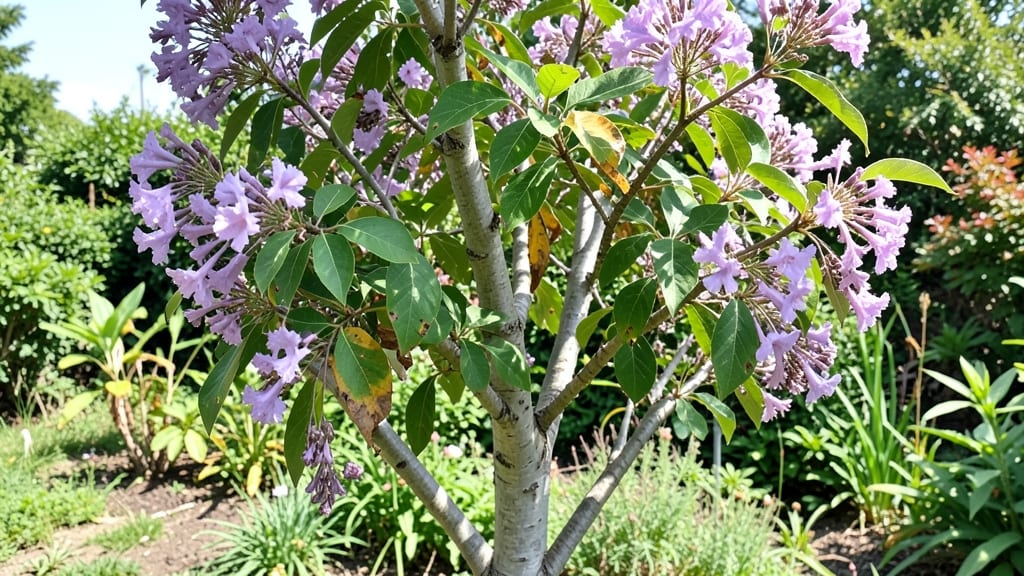
The lagerstroemia indica tree—better known as crape myrtle—transforms a boring summer landscape into a riot of color that lasts from June through frost. 🌸 I’ve watched mine go from a scraggly sapling to a showstopper in just five years, and the secret isn’t in fancy fertilizers but in four simple pruning cuts that keep it healthy, blooming, and structurally sound year after year.
Here’s the thing—most people prune crape myrtles wrong, leaving them with weak branches or no flowers. The magic happens in late winter when you remove dead wood first, then shape the tree by cutting back last year’s blooms to encourage new growth.
It’s not about getting it perfect; it’s about understanding why each cut matters. My tree now blooms earlier and more abundantly than any neighbor’s, and the foliage stays vibrant even in drought.
You’ll end up with a tree that’s disease-resistant, drought-tolerant, and covered in flowers from top to bottom. The bark peels in stunning shades of cinnamon and tan by fall, and even the winter silhouette has character.
Best of all? This approach works for both landscape plantings and large containers—no special tools or skills required.
Fair warning: If you’ve ever seen a crape myrtle turned into a "crape murder" (over-pruned into a stump), this method will save it. We’ll cover how to revive neglected trees too—because even the most abused plants can bounce back with the right cuts. Let’s get started.
📚 In This Guide
- What you need
- Instructions
- Tips and common mistakes
- Wrapping up and next steps
What you need
- ● Pruning shears: Bypass pruners (sharp, 6-8" blades) for clean cuts on small branches.
- ● Loppers: 1 pair (18-24" handles) for thicker branches (1–2" diameter).
- ● Pruning saw: 1 handheld saw (8-10" blade) for stubborn, larger limbs (2"+ diameter).
- ● Disinfectant: 70% isopropyl alcohol or a 10% bleach solution (1 part bleach to 9 parts water) to sterilize tools between cuts.
- ● Gloves: Heavy-duty work gloves (cut-resistant) to protect hands from thorns and sap.
- ○ Extension pole: Optional but handy (10–12 ft) for high branches.
- ● Heavy-duty trash bags: 3–5 bags (13-gallon size) for debris cleanup.
- ● Tree paint: Pruning sealant (latex-based) to cover large cuts (>2" diameter) and prevent disease.
- ● Marking spray: Fluorescent paint or chalk to tag branches for removal (if planning a multi-step prune).
- ● Safety goggles: For dust/debris protection when sawing.
- ● Step stool: Sturdy, non-slip stool (if tree is <10 ft tall).
- ● Notebook/pencil: To sketch a quick pruning map before starting.
- ● Timing: Know your Lagerstroemia indica’s growth cycle—prune after flowering (late summer/early fall) for summer-blooming varieties, or before buds swell (late winter) for dormant pruning.
- ● Weather: Choose a dry, calm day (no rain forecast for 24 hours) to avoid sap runoff or fungal risks.
- ● Safety: Wear long sleeves/pants to avoid thorns and check for power lines near tall trees!
- ● Research: Review your tree’s age and health—young trees (<3 years) need minimal pruning, while mature trees may require rejuvenation cuts.
How to prune a Lagerstroemia indica tree for year-round beauty
This tree delivers stunning blooms and vibrant foliage—but only with the right seasonal cuts.
✂️ Step 1: Late Winter Cleanup (Before Bud Break)
Start your pruning in late winter (just before buds swell) when the tree is still dormant. This is the most critical cut of the year—it sets up the entire season’s growth. Remove any dead, diseased, or crossing branches first, cutting back to the main trunk or a healthy lateral branch. I like to make my cuts at a 45-degree angle just above an outward-facing bud to encourage proper regrowth.
Look for branches that are thinner than a pencil—these are often weak and won’t support heavy blooms. Thin out about 20-30% of the canopy to improve airflow, which reduces fungal diseases like powdery mildew. If you see any sucker growth (shoots sprouting from the base or trunk), remove them completely—they drain energy from the main tree.
✂️ Step 2: Post-Bloom Shaping (Early Summer)
After the tree finishes flowering (usually late June or early July), it’s time for the second prune. This isn’t about removing growth—it’s about shaping and encouraging next year’s blooms. Lagerstroemia flowers on new wood, so you can be bold with your cuts without sacrificing this year’s display.
Focus on lightening the canopy by trimming back some of the longest branches by one-third. This prevents the tree from becoming top-heavy and improves sunlight penetration to the lower branches. Use clean, sharp pruners to make cuts just above a leaf node or bud. Avoid leaving stubs—this invites disease and weakens the branch.
✂️ Step 3: Mid-Summer Maintenance (July-August)
This isn’t a major pruning session—think of it as corrective maintenance. In mid-summer, check for any shoots growing straight up (called "water sprouts") or branches that are rubbing against each other. These should be pruned back immediately to prevent damage and disease.
If you notice any yellowing leaves or leaf spots, prune those branches back to a healthy section. Lagerstroemia is tough, but it rewards proactive care. Water the base of the tree deeply after pruning to help it recover. This is also the time to shape the tree’s silhouette—whether you prefer a natural look or a more formal structure.
✂️ Step 4: Fall Refining (Late Autumn)
The final prune of the year happens in late autumn, just before the first frost. This is your chance to remove any remaining deadwood, weak branches, or growth that didn’t thrive during the season. Focus on balancing the tree’s shape—Lagerstroemia’s layered branches create drama, so avoid over-trimming.
If you’re in a colder climate, wait until after the first hard frost to prune. This helps you identify any branches that were damaged by cold or disease. Seal any large cuts (over ½ inch in diameter) with pruning sealant to prevent moisture loss and infection. Mulch around the base with 2-3 inches of organic mulch to protect roots over winter.
Tips & tricks for perfect Lagerstroemia indica pruning
A few well-timed techniques can transform your Lagerstroemia from ordinary to extraordinary. Here's what I've learned after years of working with these stunning trees.
The 45-Degree Cut: When making cuts in Step 1, the 45-degree angle isn't just aesthetic—it's functional. This angle helps water run off the cut, preventing rot. Also, always cut just above an outward-facing bud to direct growth where you want it. I've seen too many pruning jobs where cuts were made at the wrong angle, leading to weak regrowth or even branch dieback.
Seasonal Timing Matters: The timing in each step is crucial. In Step 1, wait until after the last hard frost but before buds swell—this window is typically February-March in most climates. For Step 2, don't prune until after flowering (late June/early July) because Lagerstroemia sets next year's blooms on new wood. I've made the mistake of pruning too early and ended up with fewer flowers the following season.
Thinning vs. Topping: In Step 1 and Step 2, focus on thinning rather than topping. Removing entire branches (thinning) improves airflow and light penetration, while cutting back to stubs (topping) creates dense, weak growth. Aim to remove about 20-30% of the canopy in Step 1, and in Step 2, trim back only the longest branches by one-third. This balanced approach keeps your tree healthy and flowering beautifully.
Equipment Essentials: Your pruning tools make all the difference. Use bypass pruners for clean cuts on branches smaller than pencil thickness, and loppers for branches up to 1.5 inches thick. For anything larger, a pruning saw is essential. I always sterilize my tools with rubbing alcohol between cuts to prevent spreading disease. In Step 4, have pruning sealant ready for any cuts larger than ½ inch—this prevents moisture loss and infection in larger wounds.
Pro Tips for Lagerstroemia Indica Tree
- A few well-timed techniques can transform your Lagerstroemia from ordinary to extraordinary.
- The 45-Degree Cut: When making cuts in Step 1, the 45-degree angle isn't just aesthetic—it's functional.
- Seasonal Timing Matters: The timing in each step is crucial.
Frequently asked questions
about pruning your Lagerstroemia indica tree (crape myrtle) to keep it stunning year-round:When is the best time to prune my crape myrtle?
The golden window for pruning is late winter or early spring (just before buds swell) to avoid removing next year’s blooms. Never prune in fall or winter—this encourages weak growth and disease. For shaping cuts, summer (after flowering) is ideal to maintain form without sacrificing flowers.
How much can I trim back my Lagerstroemia indica safely?
You can heavily prune (up to 50% of the canopy) if needed, but avoid cutting into old, woody stems—this removes next year’s blooms. Focus on selective cuts: remove dead wood, suckers, and crossing branches. Pro tip: Never "top" the tree (cutting the top flat)—it creates weak regrowth and an unsightly shape.
Why are my leaves turning brown after pruning?
Brown leaves post-pruning are usually normal if cuts are made cleanly and the tree isn’t stressed. Check for:
- Disease signs (black spots, powdery mildew)—prune in dry weather to prevent fungal spread.
- Over-pruning—if you removed too many leaves, the tree may struggle to photosynthesize. Limit cuts to one-third of the foliage at a time.
- Water stress—deep water the tree before and after pruning to aid recovery.
Can I prune my crape myrtle into a hedge or topiary shape?
Yes! Crape myrtles are highly adaptable to formal pruning. For hedges, prune lightly in spring and shape in summer after flowering. Use hand pruners for clean cuts and avoid shearing (it damages the bark). For topiary, start with a strong central leader and prune new growth to encourage bushiness.
What’s the difference between “structural pruning” and “maintenance pruning”?
| Structural Pruning | Maintenance Pruning |
|---|---|
| When: Late winter/early spring (dormant season). | When: Summer (after blooms) or year-round for minor adjustments. |
| Goal: Remove dead wood, weak branches, and crossing limbs to build a strong framework. | Goal: Shape the tree, thin out interior branches, and remove suckers/water sprouts. |
| Tools: Loppers, pruning saw, gloves. | Tools: Hand pruners, hedge shears (sparingly). |
Key rule: Never skip structural pruning—it’s the foundation for a healthy, long-lived tree!
Wrapping up and next steps
The Lagerstroemia indica (crape myrtle) isn’t just a tree—it’s a year-round star that thrives with the right pruning touch! By mastering its four seasonal cuts, you’ll unlock vibrant blooms, strong structure, and effortless maintenance.
Whether you’re trimming for shape, health, or that wow factor, these strategies make the process simple and rewarding.
Ready to transform your yard? Grab your tools and give your crape myrtle the care it deserves—your future pink-and-purple paradise starts with one confident cut! 🌸✂️