
Pruning
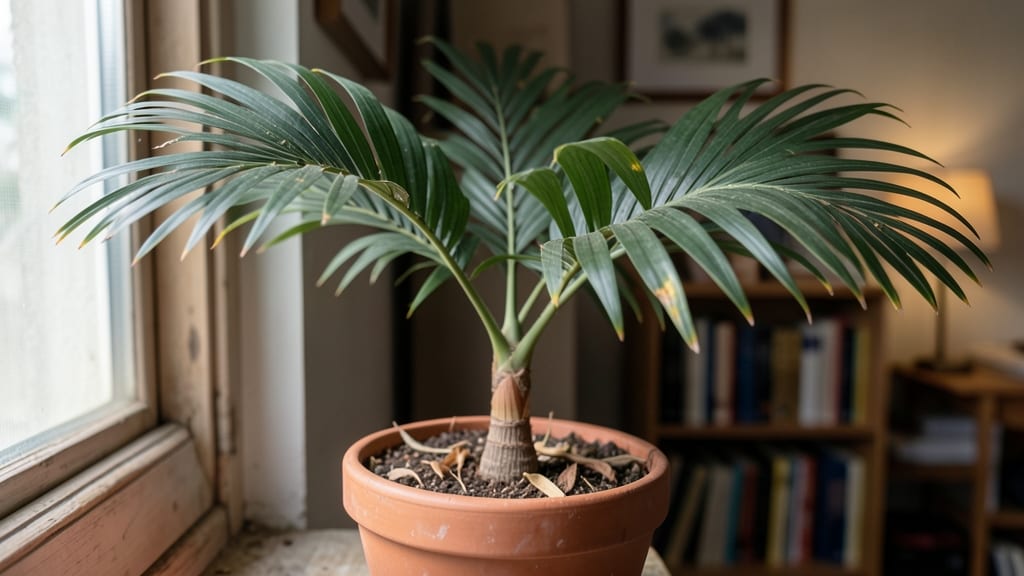
The indoor Christmas palm tree thrives when you prune it correctly—this is how to keep it lush year-round without sacrificing its signature tropical look. 🌿 I’ve pruned mine every winter for five years, and the difference in growth is shocking: fewer brown fronds, more vibrant new leaves, and a bushier shape that fills out bare spots instantly.
The key is timing and technique: trim only the brown or yellow fronds at the base where they meet the stem, using clean pruners. Avoid cutting healthy green leaves—this stresses the plant and triggers more browning.
Most people over-prune, so start small: remove just 2-3 fronds at a time, and you’ll see fresh growth within 4-6 weeks.
What you’ll end up with is a taller, fuller palm that looks like it belongs in a greenhouse, not a living room. The secret? Pruning encourages new fronds to unfurl from the top, creating that cascading effect that makes this plant so popular.
Plus, it’s the perfect way to refresh a palm that’s been looking tired after the holidays.
This method works for any indoor palm—even in low-light spaces—because it focuses on health, not aesthetics. Just avoid pruning in fall or during temperature swings, and you’ll keep your plant thriving through every season. Ready to give it a try?
📚 In This Guide
- What you need
- Instructions
- Tips and common mistakes
- Wrapping up and next steps
What you need
- ● Pruning shears or bypass pruners: Sharp, clean tools (avoid dull blades to prevent tearing). Size: 6–8 inches, with comfortable grips.
- ● Sterilizing solution: 70% isopropyl alcohol or a 10% bleach-water mix (1 part bleach to 9 parts water) to disinfect tools.
- ● Gloves: Heavy-duty gardening gloves (palm fronds can be spiky!).
- ○ Pruning saw (optional): For thicker stems or stubborn branches. Size: 8–10 inches.
- ● Disposable pruning bags or bucket: To collect debris (1–2 gallon size).
- ● Rubbing alcohol wipes: For quick tool cleanups between cuts.
- ● Good lighting: Natural or bright artificial light (6+ hours/day) to support recovery.
- ● Watering can or spray bottle: For post-pruning hydration (avoid overwatering!).
- ○ Houseplant fertilizer (optional): Balanced liquid fertilizer (10-10-10 ratio) to boost growth after pruning.
- ○ Decorative elements (optional): Mini fairy lights or LED strings for a festive touch.
- ● Ornamental ribbons or bows to style pruned fronds.
Step-by-step guide to pruning your indoor Christmas palm tree
Here's how to keep your palm looking vibrant all year—no green thumb required.
✂️ Step 1: Identify and Remove Dead or Yellowed Fronds
Start by examining your palm from top to bottom. Look for fronds that are completely brown and crispy, or those with yellowing that won't fade. These are dead and only take energy from your plant. Use clean, sharp pruning shears to cut these at the base where the frond meets the trunk.
I always prune in the morning when the plant is hydrated. Cut cleanly at a 45-degree angle about ¼ inch above the trunk—this prevents water from pooling and causing rot. Never yank or tear fronds; this damages the plant and leaves ugly stubs. If a frond is only partially brown, leave it—it’s still contributing to photosynthesis.
✂️ Step 2: Prune Leggy or Overgrown Fronds for Shape
Next, focus on fronds that are too long or growing unevenly. Leggy fronds (those stretching toward a window) need trimming to encourage bushier growth. Use your shears to cut back the longest fronds by one-third to half their length. This mimics natural pruning and signals the plant to grow fuller.
For shape, I like to trim fronds that are growing too close to the center of the plant. These can block light and air circulation. Cut just above a leaf joint or natural break point. Avoid cutting healthy green fronds unless they’re truly overcrowding—your palm will thank you with new growth in about 6-8 weeks.
🌿 Step 3: Clean Up and Stimulate New Growth
After pruning, wipe down the fronds with a damp cloth to remove dust and debris. This helps the plant absorb light more efficiently. Now’s also the time to fertilize lightly with a balanced liquid fertilizer (like 10-10-10) diluted to half strength. This gives your palm the nutrients it needs to recover and grow new fronds.
Place your palm in bright, indirect light for a few days post-pruning. Avoid direct sunlight, which can stress newly trimmed fronds. You’ll see new growth emerging from the top of the trunk in 4-6 weeks. If you notice yellowing after pruning, it’s normal—just reduce watering slightly until new fronds appear.
⏰ Step 4: Maintain Year-Round Care After Pruning
Water your palm once a week (or when the top 2 inches of soil feel dry). Overwatering is the #1 killer of indoor palms—always check moisture levels before watering. Use room-temperature water and avoid letting the plant sit in standing water, which causes root rot.
Rotate your palm quarter-turn weekly so all sides get even light. This prevents lopsided growth and keeps your palm looking full and symmetrical. With consistent care, your Christmas palm will reward you with lush, new fronds and a bushier shape in just a few months.
Tips & tricks for pruning your indoor Christmas palm tree
A few simple tricks will help you prune with confidence and keep your palm thriving for years.
The Timing Secret: Morning is the best time to prune because the plant is fully hydrated from overnight watering. This makes the fronds easier to cut cleanly and reduces stress on the plant. I've learned this the hard way—pruning in the afternoon can leave your palm feeling wilted and stressed, especially in dry indoor air.
Cutting Technique: Always make your cuts at a 45-degree angle about ¼ inch above the trunk. This little detail prevents water from pooling against the trunk, which can cause unsightly rot over time. I use a sharp pair of pruning shears—dull blades crush the fibers and damage the plant, making it more vulnerable to disease.
Visual Cues for Pruning: When deciding which fronds to trim, look for these signs: completely brown fronds are dead and should be removed, while fronds with yellowing that won't fade are also ready to go. Healthy green fronds with just a few brown tips are still contributing to photosynthesis, so leave them alone. This visual guide helps me avoid over-pruning, which can shock the plant.
Post-Pruning Care: After you've finished pruning, give your palm a good wipe-down with a damp cloth to remove dust. This simple step helps the plant absorb more light efficiently. I also recommend placing your palm in bright, indirect light for a few days after pruning—direct sunlight can stress newly trimmed fronds and slow down new growth.
Pro Tips for Indoor Christmas Palm Tree
- A few simple tricks will help you prune with confidence and keep your palm thriving for years.
- The Timing Secret: Morning is the best time to prune because the plant is fully hydrated from overnight watering.
- Cutting Technique: Always make your cuts at a 45-degree angle about ¼ inch above the trunk.
Frequently asked questions
Got questions about keeping your indoor Christmas palm tree thriving year-round? You’re not alone! Here are answers to the most common concerns—from pruning tips to troubleshooting—so you can enjoy a lush, festive green centerpiece all season long.
How often should I prune my Christmas palm tree?
Prune your palm lightly every 4–6 weeks to encourage new growth and maintain its shape. Focus on removing yellow or brown fronds first—they drain energy. Avoid over-pruning; aim to trim no more than 1/3 of the fronds at a time to prevent stress. Think of it like giving your palm a haircut—keep it neat, not drastic!
When is the best time to prune for holiday decorating?
The ideal time to prune is before the holidays (late summer/early fall) to let it recover and grow fresh fronds by December. If you’re prepping for Christmas decor, do a light trim in October to remove dead fronds and shape it. Just avoid heavy pruning—your palm needs energy to stay vibrant for your festive displays!
Can I use Christmas lights or ornaments on my palm tree?
Your palm can handle lightweight decorations like fairy lights or small ornaments, but avoid anything heavy that could break fronds or strain branches. For extra safety, use battery-operated lights to prevent overheating. Pro tip: Wrap lights gently around the trunk or drape them between fronds—never pull tightly!
Why are my palm’s fronds turning yellow or brown?
Yellow/brown fronds are usually a sign of overwatering, underwatering, or poor drainage. Check the soil—it should be slightly moist but not soggy. If the roots smell rotten, you’re overwatering; if the soil is bone-dry, it’s thirsty. Adjust your watering schedule and ensure the pot has drainage holes. A light prune of dead fronds will help too!
What’s a good alternative if my palm isn’t recovering after pruning?
If your palm struggles post-pruning (or looks chronically unhealthy), consider these alternatives:
- Areca Palm – Hardy and fast-growing, great for low light.
- Parlor Palm – Compact and adaptable to indoor conditions.
- Kentia Palm – Elegant fronds, thrives in consistent humidity.
Before replacing it, though, check light, water, and humidity—your Christmas palm might just need a cozier spot!
Wrapping up and next steps
Transforming your indoor Christmas palm tree into a year-round beauty is simpler than you think! With the right tools, timing, and care, you can prune it to perfection while keeping it lush and vibrant.
Remember, patience and consistency are key—your palm will thank you with stunning new growth and a festive glow all season long.
Ready to take the next step? Grab your pruning shears and start with just one small branch—you’ve got this! 🌿 For extra confidence, revisit our FAQs or share your progress with fellow plant lovers. Happy pruning!