
Flowers
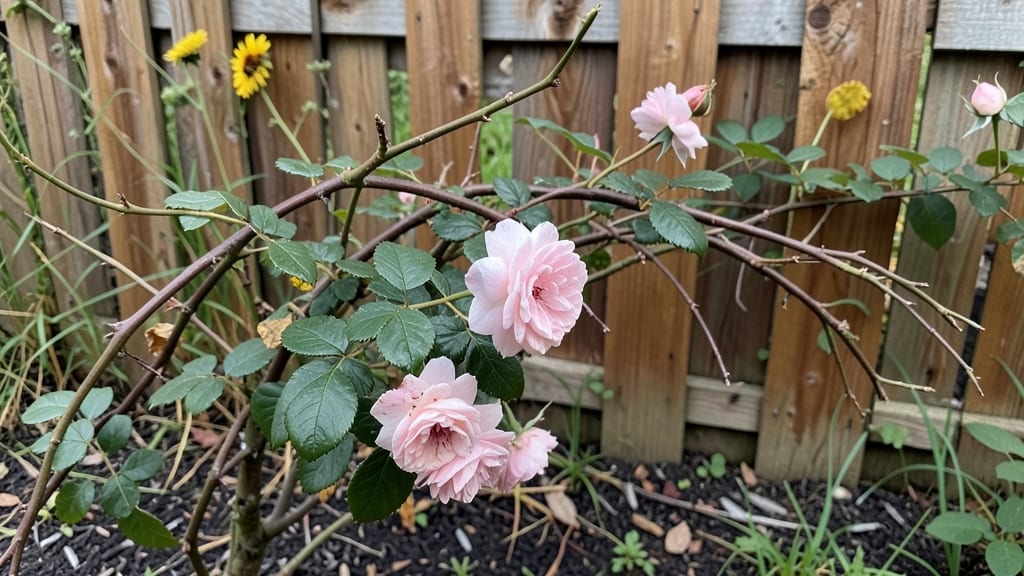
The Maurice Utrillo rose tree brings Art Deco drama to your garden with its velvety, deep pink blooms that spill like watercolors across the branches. 🌸 I first spotted one in a Parisian courtyard, and its cascading habit instantly made it the star of the space—just like it will in yours.
Unlike traditional roses, this variety thrives as a small tree, offering year-round interest with its glossy foliage and delicate, repeat blooms.
This rose isn’t just pretty—it’s a design chameleon. Plant it as a solitary focal point near patios, where its graceful, weeping branches create shade and romance. Or line a border with several for a soft, floral hedge that never goes out of style.
The deep pink blooms pair beautifully with silver foliage plants like lamb’s ear or dusty miller, while its dark green leaves contrast sharply against lighter garden beds.
For maximum impact, group it with companion plants that echo its elegance: white hydrangeas for a dreamy contrast, or lavender for a fragrant, textured backdrop.
In winter, its bare branches still hold charm—prune lightly to maintain its natural shape, and the new growth in spring will reward you with even more drama. The key is letting its natural form shine without overpowering it with too many neighbors.
Perfect for urban gardens, small courtyards, or even large containers on patios, this rose proves you don’t need a sprawling landscape to make a statement. Once established, it’s low-maintenance yet high-impact, turning heads every season. Let’s make your garden the talk of the neighborhood!
📚 In This Guide
- What you need
- Instructions
- Tips and common mistakes
- Wrapping up and next steps
What you need
- ● Rose Tree Variety: Choose a compact, thornless rose like Rosa ‘Knock Out’ or Rosa ‘The Fairy’ (both stay manageable and bloom year-round with care).
- ● Container or Garden Space: For Potted Roses: A 12–18-inch diameter ceramic or terracotta pot (drainage holes required!)
- ● For Ground Planting: Well-draining soil with 6+ hours of sunlight daily.
- ● Potting Mix: 1 part high-quality potting soil + 1 part perlite or sand (for drainage).
- ● Fertilizer: Slow-release rose fertilizer (follow package instructions for application).
- ● Pruning Tools: Bypass pruners (clean and sharp!)
- ● Hand pruners (for smaller trims)
- ○ Support Structure (Optional but Recommended): Decorative wrought-iron trellis (Art Deco style!) or a small obelisk.
- ● Soft ties (for guiding vines—no wire!)
- ● Miniature Roses: Dwarf rose bushes (Rosa ‘Fairy Tale’ or Rosa ‘Bonica’ work well).
- ● Paint or Stain: Acrylic paint (for DIY "stained glass" effect) or wood stain (if using a painted trellis).
- ● Glass or Plastic Ornaments: Small rose-shaped cutouts or stained-glass beads (to mimic Utrillo’s signature style).
- ○ LED Lights (Optional): Battery-operated fairy lights for an enchanting evening glow.
- ● 🌡️ Climate Check: If planting outdoors, verify your USDA Hardiness Zone (most roses thrive in Zones 5–10).
- ● ✨ Year-Round Blooms: Deadhead spent flowers weekly and fertilize every 6–8 weeks.
- ● 🔥 Art Deco Flair: Pair with black or gold accents for a true Utrillo-inspired look!
Instructions for cultivating a Maurice Utrillo rose tree
This stunning Art Deco rose thrives with the right care—here’s how to coax its year-round blooms.
🌱 Step 1: Select the Perfect Planting Site
The Maurice Utrillo rose demands full sun—at least 6-8 hours daily—to produce its signature velvety blooms. I always choose a location with morning sun and afternoon shade in hot climates, as the delicate petals can scorch under relentless midday rays. The soil should drain quickly but retain moisture; amending heavy clay with 3-4 inches of compost ensures roots stay happy without waterlogging.
Test your spot by digging a 12-inch deep hole. If water pools after 30 minutes, amend the soil further with sand or perlite to improve drainage. This rose’s French heritage means it prefers slightly acidic to neutral soil (pH 6.5-7.0), so a soil test kit is worth the investment if your area’s soil leans alkaline.
🪴 Step 2: Plant with Precision for Strong Growth
Dig a hole twice as wide as the root ball but no deeper—planting too low invites rot. Gently loosen the roots if they’re circling and position the graft union (visible bump near the base) 2-3 inches above soil level. This ensures the rose’s vigor stays concentrated in the top growth, not buried stems.
Backfill with native soil mixed with organic matter, tamping lightly to eliminate air pockets. Water deeply until the soil settles, then create a 2-inch high berm around the base to direct water away from the stem. Mulch with 2-3 inches of organic mulch (like shredded bark) to suppress weeds and retain moisture—just keep it 4 inches away from the trunk to prevent rot.
☀️ Step 3: Feed and Prune for Continuous Blooms
Feed the Maurice Utrillo rose monthly during bloom season (spring through fall) with a balanced, water-soluble fertilizer (10-10-10) diluted to half strength. Overfeeding leads to lush foliage but fewer blooms—this rose rewards precision. In late winter, switch to a high-phosphorus formula (5-10-5) to encourage spring flushes.
Prune immediately after flowering to shape the tree and promote new growth. Cut back one-third of the oldest canes to the ground and thin crowded branches to improve airflow. Watch for suckers (shoots growing below the graft) and remove them promptly—they drain energy from the desired blooms. Deadhead spent flowers regularly to redirect the plant’s energy into fresh blooms.
💧 Step 4: Master Watering for Year-Round Health
Water deeply twice weekly in dry spells, aiming for 1-1.5 inches of moisture per week. The key is consistency—let the top 2 inches of soil dry between waterings to prevent fungal diseases like black spot. In winter, reduce watering to once every 10-14 days unless temperatures drop below 20°F, when you’ll need to protect the tree with burlap or frost cloth.
Mulch annually in early spring to replenish organic matter, and avoid overhead watering once blooms appear. Wet foliage invites pests and diseases, so water at the base early in the morning. If you notice yellowing leaves, it’s often a sign of overwatering—adjust your schedule and improve drainage immediately.
✂️ Step 5: Protect and Prepare for Winter Dormancy
As temperatures dip toward 30°F, wrap the rose tree in burlap or frost cloth and secure it with twine. Avoid plastic wraps—they trap moisture and cause rot. In colder zones (below Zone 6), mound 4-6 inches of soil or mulch around the base for insulation. Prune lightly in late winter (just remove dead wood) to avoid stimulating new growth too early.
Resume regular care in early spring when buds swell. This is the moment to fertilize lightly and monitor for aphids or spider mites, which love the new growth. A strong blast of water or neem oil spray keeps pests at bay without harming the delicate blooms. With consistent care, your Maurice Utrillo will reward you with year-round blooms—a true Art Deco statement in your garden.
Tips & tricks for cultivating a Maurice Utrillo rose tree
Here’s what I’ve learned after nurturing these elegant roses to perfection—tricks that’ll help you avoid common pitfalls and coax out those velvety Art Deco blooms.
The Sunlight Secret: In Step 1, when selecting your planting site, pay special attention to the 6-8 hours of full sun requirement. I’ve seen these roses struggle when planted in partial shade—even just an hour less sunlight can reduce bloom quality. If your garden has limited sun, consider a south-facing location or use reflective surfaces like light-colored walls to maximize exposure. The delicate petals need that consistent light to develop their signature velvety texture.
Soil Test Savvy: Before planting, invest in a soil test kit to check your pH—this rose’s French heritage means it prefers 6.5-7.0. I’ve seen many gardeners overlook this step, only to have their roses develop yellow leaves from iron deficiency. If your soil tests alkaline, amend with sulfur or peat moss to lower the pH gradually. The 3-4 inches of compost mentioned in Step 1 will help, but it’s not enough for severely alkaline soils.
Pruning Precision: In Step 3, when you’re pruning to shape the tree, focus on cutting at a 45-degree angle just above an outward-facing bud. This encourages new growth in the right direction and prevents unsightly stubs. I always prune immediately after flowering to maintain that elegant Art Deco silhouette. Remember to remove those suckers—they’re the plant’s way of trying to grow a new rose from the base, but they’ll steal energy from your prized blooms.
Winter Protection: For Step 5’s winter care, don’t wait until the last minute to wrap your rose. When temperatures approach 30°F, it’s time to act. I’ve learned the hard way that waiting until after the first frost can leave your rose vulnerable. Use burlap or frost cloth—never plastic—and secure it tightly with twine. The goal is to create a microclimate that protects without trapping moisture. In Zone 6 or colder, that extra 4-6 inches of mulch around the base can make all the difference between a frost-bitten rose and one that blooms beautifully next spring.
Pro Tips for Maurice Utrillo Rose Tree
- Here’s what I’ve learned after nurturing these elegant roses to perfection—tricks that’ll help you avoid common pitfalls and coax out those velvety Art Deco blooms.
- The Sunlight Secret: In Step 1, when selecting your planting site, pay special attention to the 6-8 hours of full sun requirement.
- Soil Test Savvy: Before planting, invest in a soil test kit to check your pH—this rose’s French heritage means it prefers 6.5-7.0.
Frequently asked questions
What makes the Maurice Utrillo Rose Tree so special?
The Maurice Utrillo Rose Tree is a hybrid tea rose grafted onto a Pyracantha (firethorn) rootstock, creating a stunning, thornless shrub that blooms year-round in mild climates. Its delicate, cabbage-rose-style flowers in soft pinks and creamy whites, paired with glossy green foliage, make it a standout in Art Deco-inspired gardens. Plus, it’s thornless, making it safer for families and pets!
How long does it take for the Maurice Utrillo Rose Tree to bloom?
Once planted, expect the first flush of blooms within 6–12 months, depending on growing conditions. Young plants may take a little longer to establish, but with proper care—like regular watering, well-draining soil, and full sun—you’ll see continuous blooms by late spring. Pro tip: Prune lightly after the first bloom cycle to encourage bushier growth!
Can the Maurice Utrillo Rose Tree survive in cold climates?
While it thrives in USDA Zones 6–10, this rose tree is semi-hardy and may need winter protection in colder regions. How to help it survive:
- Mulch the base with 3–4 inches of organic mulch (like wood chips or straw) before frost.
- Wrap the shrub in burlap or frost cloth for extra insulation.
- Avoid pruning in late fall—wait until early spring to trim dead wood.
Does the Maurice Utrillo Rose Tree need special soil?
This rose tree prefers well-draining, slightly acidic soil (pH 6.0–6.5), rich in organic matter. If your soil is heavy clay or sandy, amend it with:
- Compost or aged manure (1/3 of the planting hole mix).
- Perlite or coarse sand to improve drainage.
- A slow-release rose fertilizer at planting and again in early spring.
How do I prune the Maurice Utrillo Rose Tree for maximum blooms?
Prune in early spring (before new growth) and again after the first bloom cycle to shape the shrub and encourage more flowers. Here’s how:
- Deadhead spent blooms regularly to prevent seed formation.
- Trim back overcrowded branches to improve airflow.
- Avoid heavy pruning—this rose tree blooms on old and new wood.
Are there any pests or diseases I should watch for?
The Maurice Utrillo is generally disease-resistant, but keep an eye out for:
- Spider mites (tiny webs on leaves—treat with water spray or neem oil).
- Powdery mildew (white fungus—improve airflow and avoid overhead watering).
- Aphids (sucking insects—blast off with water or use insecticidal soap).
Wrapping up and next steps
Maurice Utrillo’s Rose Tree isn’t just a stunning Art Deco-inspired plant—it’s a celebration of timeless beauty and resilience. With its year-round blooms and low-maintenance charm, this rose variety brings elegance to any garden or patio while proving that great art and nature can thrive together.
Whether you’re a seasoned gardener or a beginner, this rose is a joy to grow and admire.
Ready to bring a touch of Utrillo’s magic to your space? Start by choosing your favorite rose color and gathering your supplies—then get planting! 🌹✨ Your garden (and future admirers) will thank you.