Trees
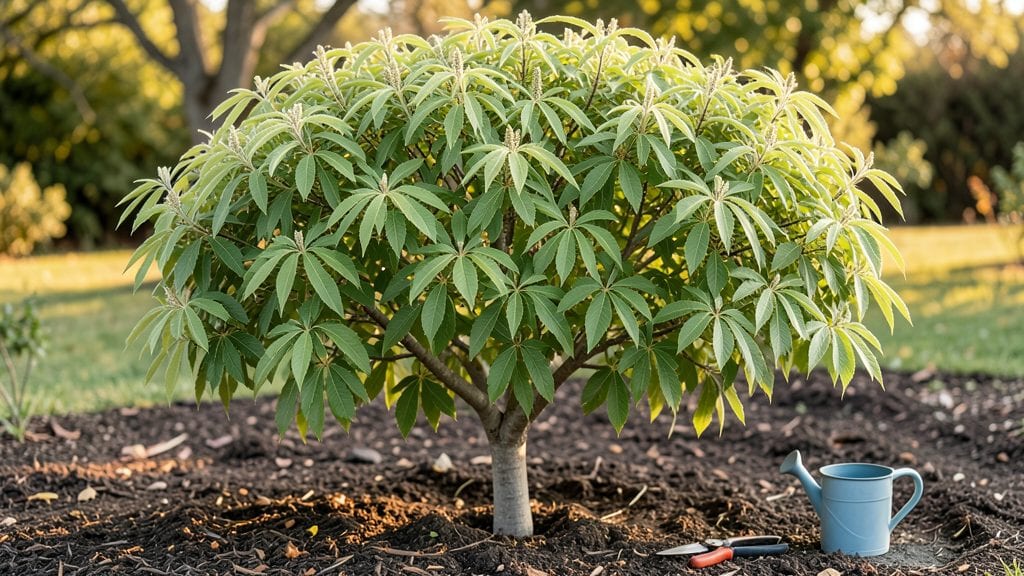
Spring is when pecan trees wake up with frost-resistant blooms that turn into next year’s harvest. 🌱 I’ve watched mine go from bare branches to lush canopies in just a few weeks, and the key is acting at the right moment—before pests or late frosts strike.
The first flush of leaves signals it’s time to prune, fertilize, and scout for early signs of trouble like aphids or fungal spores hiding in the bark crevices.
Your tools should include sharp pruners, copper fungicide (just in case), and a soil test kit if you haven’t done one recently. Pecans thrive when the soil pH is between 6.0 and 7.0, and a light application of nitrogen now gives roots a growth boost for the season ahead.
Don’t skip checking for winter damage—peeling back bark on small branches reveals if the tree survived the cold or needs extra care.
What you’ll notice first is the velvety new growth at the tips of branches, followed by those delicate catkins that will turn into nuts by fall.
A healthy tree will put on 6–12 inches of growth this season if conditions are right, and the leaves should be a deep, glossy green without yellowing or curling. That’s your cue everything’s on track.
Regional tweaks matter: Southern gardeners should watch for late frosts after pruning, while Northern growers might delay heavy fertilization until after the last frost date. Either way, keeping an eye on the tree’s water needs—deep soakings every 10–14 days—prevents stress that invites pests.
Spring is all about setting the stage for a bountiful harvest.
📚 In This Guide
- What you need
- Instructions
- Tips and common mistakes
- Wrapping up and next steps
What you need
- ● Pecan tree sapling or bare-root tree: 1–2 trees (for optimal pollination, choose male and female cultivars if not self-pollinating, like 'Wichita' or 'Pawnee').
- ● Age: 1–3 years old (younger trees adapt faster).
- ● Soil amendments: 5–10 lbs of compost or well-rotted manure (per tree).
- ● 1–2 lbs of balanced fertilizer (10-10-10 or 8-3-9, low in nitrogen to avoid frost sensitivity).
- ● 1 lb of lime (if soil pH is below 6.0; test kit recommended).
- ● Planting tools: 1 shovel (for digging).
- ● 1 garden trowel (for precision).
- ● 1 pruning shears (sterilized, for trimming dead branches).
- ● Mulch: 2–3 inches of organic mulch (pine straw, wood chips, or shredded leaves).
- ● Watering supplies: 1 hose with adjustable nozzle or drip irrigation system (for deep watering).
- ● 5–10 gallons of water (for initial planting).
- ● 1 soil moisture meter (to monitor root zone hydration).
- ● 1 tree guard or frost cloth (for young trees in late-spring frosts).
- ● 1 pH test kit (to check soil acidity before planting).
- ● Epsom salt (1 tbsp per tree, for magnesium if leaves show yellowing).
- ● 1 tree staking kit (only if planting in windy areas; use loose ties!).
Spring care routine for pecan trees
Here’s how to give your pecan trees the best start for strong blooms and healthy nuts.
☀️ Step 1: Prune for Airflow and Sunlight
Start by removing any dead, diseased, or crossing branches with clean, sharp pruning shears. I always prune in late winter or early spring before buds swell—this prevents stress on new growth. Focus on opening the canopy to let sunlight reach the center of the tree, where nuts form. Aim to remove no more than 25% of the tree’s foliage at once.
Look for branches growing inward or rubbing against others—these compete for sunlight and nutrients. Cut back to a healthy outward-facing bud or lateral branch. Thin out dense areas to improve airflow, which reduces fungal diseases like pecan scab. After pruning, sterilize your tools with rubbing alcohol to prevent spreading pathogens.
💧 Step 2: Water Deeply After Dormancy
Once buds begin to swell, water the tree deeply to 12-18 inches down using a soaker hose or drip irrigation. Pecan trees need consistent moisture, especially in their first few years. I test soil moisture by sticking my finger 3-4 inches deep—if it feels dry, water again. Avoid overhead watering, which can spread fungal spores onto leaves and flowers.
Mulch around the base with 2-3 inches of organic mulch (like wood chips) to retain moisture and regulate soil temperature. Keep mulch 6 inches away from the trunk to prevent rot. This is also a good time to check your irrigation system if you have one—spring is the perfect opportunity to repair or adjust watering zones.
✂️ Step 3: Fertilize for Blooms and Nut Development
Apply a balanced 10-10-10 or 8-8-8 fertilizer in early spring when new leaves emerge. Spread the granules evenly under the dripline (the outer edge of the tree’s branches) and water them in well. Pecan trees are heavy feeders, so I split the fertilizer into two applications: half in early spring and the rest after the first flush of new growth.
Watch for signs of deficiency—yellowing leaves often mean nitrogen is low, while purple stems signal phosphorus needs. If your tree looks stressed, a soil test can pinpoint exactly what it needs. Avoid over-fertilizing, which can lead to excessive vegetative growth at the expense of nut production.
🌱 Step 4: Monitor for Pests and Early Blooms
Inspect the tree regularly for signs of pecan weevils, aphids, or scale insects, which love new spring growth. I use a hose with a strong spray to knock off soft-bodied pests like aphids before they establish. For stubborn infestations, neem oil or horticultural oil applied in early spring can be effective—just follow label instructions carefully.
Once flowers appear, protect them from late frosts. Pecan blooms are frost-sensitive, and even a light freeze can damage them. If frost is forecasted, cover the tree with frost cloth or use a sprinkler system to create a protective ice layer around the buds. This is also the time to thin out excessive water sprouts (suckers) that steal energy from nut production.
Tips & tricks for perfect pecan tree spring care
Spring is the perfect time to give your pecan tree the attention it needs for a bountiful harvest. Here are my go-to tips to help you avoid common mistakes and maximize your tree's potential.
Pruning Precision: When you're pruning in Step 1, focus on making clean cuts just outside the branch collar—the swollen area where the branch meets the trunk. This ensures proper healing and prevents disease entry. I always use sharp pruning shears and make cuts at a slight angle to encourage water runoff. Remember, you're not just shaping the tree—you're creating an environment where sunlight can reach all the way to the center, which is where those delicious nuts form.
Watering Wisdom: In Step 2, when watering deeply to 12-18 inches, consider using a moisture meter to check soil moisture levels. I've found that pecan trees often need more water than they show on the surface. Early spring is particularly critical because the tree is breaking dormancy and needs consistent moisture to support new growth. Watering in the early morning allows foliage to dry completely, reducing the risk of fungal diseases.
Fertilizer Strategy: For Step 3, I recommend doing a soil test before applying fertilizer, especially if your tree shows signs of deficiency. The results will tell you exactly what nutrients your tree needs, so you're not just guessing with a 10-10-10 blend. Also, consider using a slow-release fertilizer to provide consistent nutrition throughout the growing season. And remember, less is often more—pecan trees are heavy feeders but can easily become over-fertilized.
Pest Prevention: When monitoring for pests in Step 4, don't wait until you see visible damage to act. Regular inspections every 7-10 days are key, especially when buds begin to swell. I've caught early infestations by simply shaking branches over a white sheet—pests like aphids and scale insects become clearly visible. Early intervention is much easier than dealing with a full-blown infestation later in the season.
Pro Tips for Pecan Tree In Spring
- Spring is the perfect time to give your pecan tree the attention it needs for a bountiful harvest.
- Pruning Precision: When you're pruning in Step 1, focus on making clean cuts just outside the branch collar—the swollen area where the branch meets the trunk.
- Watering Wisdom: In Step 2, when watering deeply to 12-18 inches, consider using a moisture meter to check soil moisture levels.
Frequently asked questions
Got questions about your pecan tree’s springtime magic? You’re not alone!
Here are answers to the most common queries—from frost worries to pruning puzzles—so you can help your tree thrive.
When do pecan trees bloom in spring?
Pecan trees typically bloom in late March to early May, depending on your climate zone. The male catkins (flowers) appear first, followed by female flowers. In colder regions, blooms may wait until after the last frost—patience is key! Monitor local weather forecasts to time care like pruning or fertilization.
Are pecan trees frost-resistant? What should I do if frost hits?
Young pecan trees (under 5 years) are frost-sensitive, while mature trees handle light frosts better. If frost threatens during bloom, cover the tree with frost cloth or use a sprinkler system to create ice crystals (which release heat). Avoid overhead watering before frost—it can damage buds. Prune damaged branches in late winter to encourage new growth.
When is the best time to prune a pecan tree in spring?
Prune after blooming (May–June) to avoid removing next year’s nut-producing flowers. Focus on:
- Removing dead, diseased, or crossing branches (use clean, sharp tools).
- Thinning the canopy to improve airflow and sunlight.
- Avoid heavy pruning—pecan trees produce best with 30–50% of their branches intact.
Can I plant a pecan tree in spring? What’s the ideal timing?
Spring is perfect for planting pecan trees—aim for March–April in warm climates or April–May in cooler zones. Choose a well-draining location with full sun (6+ hours/day). Bare-root trees plant best in spring, while container-grown trees can go in year-round. Water deeply after planting and mulch to retain moisture.
Why aren’t my pecan tree’s flowers turning into nuts?
Missing nuts? Common culprits include:
- Pollination issues: Pecans need cross-pollination (plant two trees of different varieties). Bees do the work—avoid pesticides during bloom.
- Late frost: Damages flowers before they set fruit. Choose late-blooming cultivars (e.g., ‘Desirable’ or ‘Cape Fear’) for frost-prone areas.
- Immaturity: Trees under 5–7 years may bloom but not bear nuts. Be patient!
- Nutrient deficiencies: Test soil and amend with zinc or potassium if leaves show yellowing or poor growth.
How do I protect my pecan tree from pests in spring?
Spring pests like aphids, pecan weevils, or borers can stress young trees. Start with preventive care:
For severe infestations, consult a local arborist.
Wrapping up and next steps
Spring is the perfect time to embrace the beauty and potential of your pecan tree—whether you're admiring its frost-resistant blooms or dreaming of future harvests! 🌸 From preparing the soil to protecting young trees from late frosts, every step you take now sets the stage for a thriving, nut-filled future.
The key is patience and care, as pecans reward dedication with stunning foliage and delicious rewards.
Ready to take action? Start small:
- Plant a new sapling or tend to your existing tree this season.
- Join local gardening groups for tips on pecan care in your climate.
- Mark your calendar for next spring—because great trees (and snacks!) take time.