
Flowers
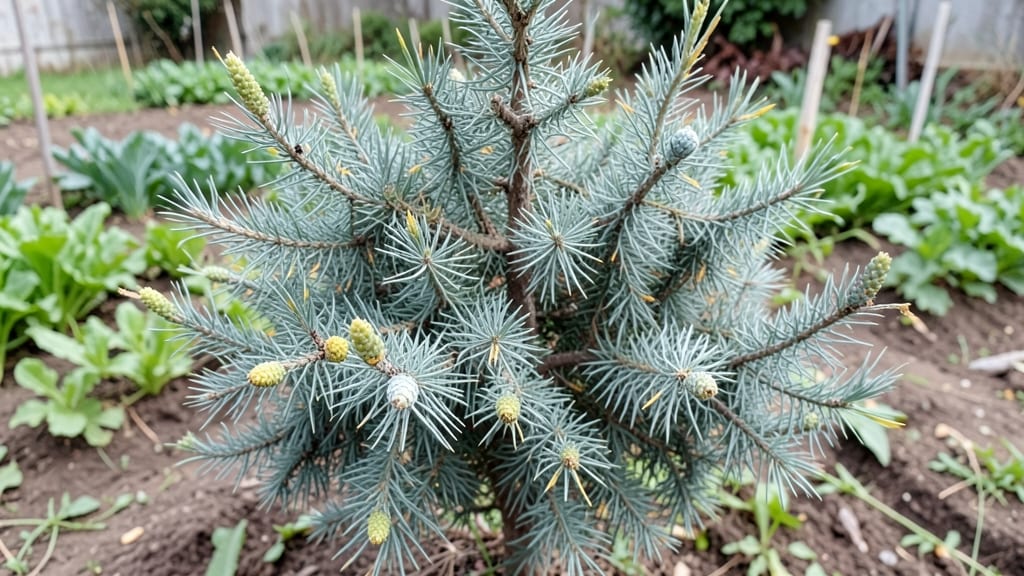
Juniper tree flowers might look like tiny cones, but they’re the secret behind your garden’s hummingbird traffic. 🌿 These evergreens have separate male and female flowers—tiny yellow-green clusters on males and tiny red berries on females—each playing a role in reproduction.
The key to coaxing them into action? Understanding their needs and timing.
Most gardeners overlook juniper flowers because they’re subtle, but they’re vital for wildlife. Male flowers release pollen that feeds pollinators, while female cones mature into berries that birds and small mammals adore.
Varieties like Juniperus virginiana (eastern redcedar) and J. communis (common juniper) thrive in the Pacific Northwest’s climate, needing full sun and well-drained soil to flower reliably.
You’ll see male flowers first in early spring, followed by female cones that turn from green to blue-black by fall. Hummingbirds and bees will visit, and your garden will buzz with activity.
The berries aren’t edible for humans, but they’re a wildlife magnet—plant one juniper, and you’ll attract a whole ecosystem.
Whether you’re pruning for shape or waiting for cones, timing matters. Prune after flowering in late winter, and avoid overwatering—juniper roots need to breathe. With the right care, your juniper will reward you with years of fragrant foliage, striking berries, and a hummingbird hotspot.
📚 In This Guide
- What you need
- Instructions
- Tips and common mistakes
- Wrapping up and next steps
What you need
- ● Juniper seeds or saplings: Choose Juniperus spp. (e.g., Western Red Cedar-adjacent varieties like Juniperus communis or Juniperus scopulorum). Pro tip: Seeds need stratification (4–6 weeks in a damp paper towel in the fridge) for best germination! 🌡️
- ● Well-draining soil: Mix 60% native soil with 30% coarse sand and 10% compost. Juniper roots hate soggy feet!
- ● Organic mulch: 2–3 inches of cedar chips or pine needles to retain moisture and deter weeds.
- ● Watering can or hose: With a gentle spray nozzle for seedlings.
- ● Garden trowel or transplanting spade (for digging holes 2–3x wider than the root ball).
- ● Pruning shears (sterilized with rubbing alcohol for clean cuts).
- ● Garden gloves (to protect from prickly branches).
- ● Sunlight access: Full sun (6+ hours/day) or partial shade in hotter PNW summers.
- ○ Optional but helpful: Slow-release fertilizer (e.g., 10-10-10, applied lightly in spring).
- ● Bird netting (to protect young flowers from hungry hummingbirds!).
- ● pH test kit (ideal soil pH: 5.0–7.0).
Step-by-step guide to cultivating juniper tree flowers
Aromatic, berry-like cones and delicate flowers attract hummingbirds to your Pacific Northwest garden.
🌱 Step 1: Select the Right Juniper Species and Planting Site
Choose a Pacific Northwest native juniper like Juniperus scopulorum or Juniperus communis for reliable blooms. These species thrive in USDA zones 5-8, matching the region's climate perfectly. Plant in full sun—at least 6 hours of direct sunlight daily—to ensure robust flowering. The soil should be well-draining, as junipers despise soggy roots.
Here's the thing—junipers grow best in slightly acidic to neutral soil (pH 6.0-7.0). Test your soil before planting; amend with sand or grit if it’s heavy clay. I always dig a hole twice as wide as the root ball but only as deep—planting too deep suffocates the roots. Water deeply after planting to settle the soil around the roots.
☀️ Step 2: Provide Optimal Growing Conditions for Flowering
Junipers flower best when they’re stressed just enough—not too wet, not too dry. Water deeply once a week in summer, letting the soil dry out 2-3 inches below the surface between waterings. Overwatering is the fastest way to kill a juniper—roots rot silently, and the plant declines without obvious signs.
In the Pacific Northwest’s mild, wet winters, junipers need minimal care. A 2-3 inch layer of mulch (like pine straw or gravel) keeps roots insulated and prevents moisture loss. Fertilize lightly in early spring with a balanced, slow-release fertilizer (10-10-10). Too much nitrogen promotes leafy growth at the expense of flowers.
⏰ Step 3: Time Pruning and Encourage Healthy Flower Production
Prune junipers right after flowering (late spring to early summer) to shape the plant and encourage next year’s blooms. Use clean, sharp pruners to make 45-degree cuts just above a healthy bud. Avoid heavy pruning—junipers grow slowly, and aggressive cuts stress the plant, reducing flower production.
Watch for brown, woody cones forming in late summer—these are the female flowers. Male flowers appear as small, yellowish-green catkins in early spring. If you see few or no flowers, your juniper may need more sun or better drainage. I’ve found that young junipers (under 5 years old) often flower poorly—patience is key.
🌿 Step 4: Attract Hummingbirds with Strategic Plant Placement
Position junipers near hummingbird-friendly perennials like penstemon or salvia to create a pollinator magnet. Hummingbirds adore juniper flowers for their high nectar content, especially in early spring when other blooms are scarce. Plant junipers 3-5 feet apart in groups for a natural, wind-resistant look.
Real talk: junipers don’t flower as heavily as some plants, but their long bloom season (spring to early summer) makes them a reliable hummingbird food source. If you’re in the Pacific Northwest, pair junipers with native shrubs like Oregon grape or red-flowering currant for a year-round pollinator buffet. Avoid pesticides—hummingbirds are sensitive to chemical drift.
Tips & tricks for cultivating juniper tree flowers
Here's what nobody tells you about getting those fragrant juniper blooms thriving in your Pacific Northwest garden.
Species Selection Matters: While Juniperus scopulorum and Juniperus communis are excellent choices, don't overlook Juniperus horizontalis for ground cover options that still produce attractive flowers. The key is choosing species native to your specific microclimate within the Pacific Northwest—local nurseries often carry regional varieties that adapt better to your particular soil conditions.
Soil Preparation is Non-Negotiable: That pH 6.0-7.0 range is critical—test your soil before planting! If your garden soil is heavy clay, mix in 25% sand or grit by volume to improve drainage. I've seen junipers struggle in compacted soil even with proper watering, so don't skip this step. The hole should be twice as wide but only as deep as the root ball—this prevents root suffocation while allowing proper expansion.
Watering Strategy Makes All the Difference: The "deeply once a week" rule applies only to summer months. In spring and fall, reduce to every 10-14 days, letting the soil dry completely between waterings. Junipers in the Pacific Northwest actually prefer slightly drier conditions than most gardeners realize—this mimics their natural habitat where winter rains provide most of their moisture needs. Use a moisture meter to check that 2-3 inch depth before watering.
Pruning Timing is Everything: That late spring to early summer window for pruning right after flowering is your best bet for encouraging next year's blooms. Make those 45-degree cuts just above healthy buds to promote new growth while maintaining the plant's natural shape. I've found that pruning in late summer or fall can actually reduce flowering potential—timing matters more than most gardeners realize with junipers.
Pro Tips for Juniper Tree Flowers
- Here's what nobody tells you about getting those fragrant juniper blooms thriving in your Pacific Northwest garden.
- Species Selection Matters: While Juniperus scopulorum and Juniperus communis are excellent choices, don't overlook Juniperus horizontalis for ground cover options that still produce attractive flowers.
- Soil Preparation is Non-Negotiable: That pH 6.0-7.0 range is critical—test your soil before planting!
Frequently asked questions
Got questions about juniper tree flowers? You’re not alone—these fragrant blooms (and their berries!) spark curiosity. Here are answers to the most common queries from gardeners and nature lovers alike.
Do juniper trees actually have flowers?
Yes! While junipers are famous for their blue-green berries, they produce tiny, yellow-green flowers (male cones) and small, reddish-brown female cones that develop into berries. The male flowers are especially fragrant and attract pollinators like bees and hummingbirds—especially in the Pacific Northwest!
When is the best time to see juniper flowers?
Timing depends on the species, but most junipers bloom in early spring (March–May). Male flowers appear first, followed by female cones. In the PNW, Juniperus communis (common juniper) and Juniperus scopulorum (Rocky Mountain juniper) are prime candidates. Check for fresh pollen or tiny flower clusters at the branch tips!
Can I grow juniper flowers in my garden?
Junipers thrive in well-draining soil and full sun. Plant Juniperus horizontalis (creeping juniper) for ground cover or Juniperus virginiana (eastern redcedar) for height. They’re drought-tolerant but appreciate occasional watering. Pro tip: Use male and female plants together to ensure berry production!
Why aren’t hummingbirds visiting my juniper?
Hummingbirds love juniper flowers for their nectar-rich pollen, but a few issues might deter them:
- Lack of male flowers: Plant a mix of male and female junipers.
- Pesticides: Avoid chemicals—opt for organic solutions.
- Location: Ensure your juniper is in a sunny, sheltered spot.
- Timing: Hummingbirds arrive in April–May in the PNW.
What can I use if I don’t have juniper flowers?
If you’re craving hummingbird-friendly blooms, try these PNW-native alternatives:
- Red columbine (Aquilegia formosa) – Vibrant red flowers, loved by pollinators.
- Ocean spray (Holodiscus discolor) – Fragrant white blooms in spring.
- Salal (Gaultheria shallon) – Evergreen shrub with pink flowers.
- Currants/Gooseberries – Early spring blooms + berries for birds.
Wrapping up and next steps
Growing juniper tree flowers in the Pacific Northwest isn’t just about nurturing a stunning evergreen—it’s about creating a haven for hummingbirds and adding timeless beauty to your landscape. 🌿 From selecting the right variety to mastering pruning and pest control, every step brings you closer to a thriving, fragrant garden. Now that you’re equipped with the know-how, why not take the next step? Start small with a single juniper sapling or expand your garden with a mix of varieties—your outdoor space (and local pollinators) will thank you!
Ready to dive in? Pick your favorite juniper type, grab your tools, and let nature’s charm unfold—one fragrant bloom at a time!