
Flowers
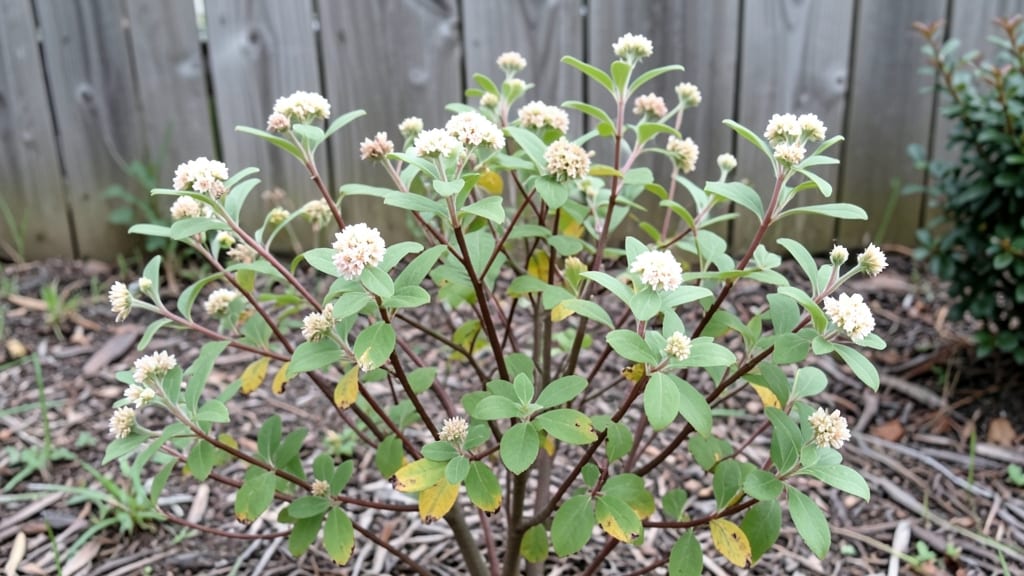
When you spot a tree with red leaves and pink flowers, you’ve found the Pacific Northwest’s secret weapon for year-round drama. 🌸 These showstopping plants—like the fiery red Dogwood or the delicate pink blooms of the Western Redbud—transform any garden from ordinary to extraordinary, especially when placed as focal points or along borders.
They’re the kind of plants that make neighbors pause and ask, "What is that?" The magic lies in their layered appeal: bold foliage that burns red in autumn, pink blossoms that greet spring, and even winter interest with peeling bark or persistent berries.
I’ve used them to frame entryways, soften fences, and create seasonal "wow" moments in shady corners where most plants struggle. The key? Pairing them with evergreens for contrast or perennials that echo their pink tones.
What you’ll end up with is a garden that feels alive in every season—vibrant in spring, lush in summer, fiery in fall, and textured in winter. The best part?
These trees thrive in the PNW’s mild climate, needing minimal fuss beyond proper spacing and occasional pruning. Let’s design your color showcase.
📚 In This Guide
- What you need
- Instructions
- Tips and common mistakes
- Wrapping up and next steps
What you need
- ● Tree saplings or seeds: 1–3 Cornus sericea (Red Osier Dogwood) or Cornus stolonifera (Red Twig Dogwood) saplings (native to PNW and perfect for red stems/leaves).
- ● OR 5–10 seeds of Physocarpus capitatus (Pacific Ninebark) for pink flowers and burgundy foliage.
- ● Well-draining soil: Mix 2 parts native PNW soil with 1 part compost or peat moss.
- ● Mulch: 2–3 inches of wood chips or pine bark to retain moisture and suppress weeds.
- ● Trowel or hand shovel (for planting seeds/saplings).
- ● Garden gloves (to protect hands from thorns or rough bark).
- ● Watering can or hose with a gentle spray nozzle.
- ○ Optional: Pruning shears (for shaping mature trees) or a soil pH tester (ideal pH: 6.0–7.0).
- ● Sunlight: Full sun to partial shade (6+ hours/day for optimal pink blooms and red foliage).
- ● Water: 1–2 gallons per week during dry spells (PNW’s rainy climate helps, but drought-tolerant varieties like Ninebark thrive with consistency).
- ● Spacer: Plant saplings 6–10 feet apart to allow airflow and growth.
How to select and plant trees for year-round color in the Pacific Northwest
Here’s how to create a stunning four-season display with trees that deliver bold red foliage and vibrant pink blooms.
🌱 Step 1: Choose the Right Tree Species for Your Climate
The Pacific Northwest’s mild, wet winters and warm, dry summers demand trees that thrive in USDA Zones 7-9 while delivering year-round interest. For red leaves, focus on varieties like Japanese maple (Acer palmatum) or red oak (Quercus rubra), which turn fiery hues in fall and retain winter color. For pink flowers, ornamental cherry (Prunus serrulata) or dogwood (Cornus florida) provide spring blooms that contrast beautifully with emerging foliage.
I always check a tree’s mature size before planting—20-30 feet is ideal for most yards, but dwarf varieties like ‘Bloodgood’ Japanese maple stay under 15 feet. Avoid planting near power lines or foundations; give large trees at least 20 feet of clearance. Research each species’ water needs—some, like dogwoods, prefer well-drained soil, while others, like red oaks, tolerate moisture-retentive conditions.
🪴 Step 2: Prepare the Planting Site for Long-Term Success
Dig a hole twice as wide as the tree’s root ball but no deeper—planting too deep suffocates roots and causes stress. Amend the native soil with compost if it’s heavy clay (common in the PNW), but avoid over-amending—native microbes break down organic matter faster in cool, wet climates. I like to loosen the sides of the hole with a shovel to encourage root expansion into surrounding soil.
Place the tree so its root flare (where roots meet trunk) sits 1-2 inches above ground level. This prevents soil from smothering the trunk and reduces rot risk. For four-season color, position trees where they’ll get at least 6 hours of sunlight daily, even in winter—south- or west-facing spots work best. If planting multiple trees, space them 15-25 feet apart to allow airflow and prevent disease.
☀️ Step 3: Plant and Mulch for Winter Hardiness
Backfill the hole with the native soil (no need for extra fertilizer at planting—roots will establish better without competition). Gently tamp down the soil in layers to eliminate air pockets, then water deeply to settle everything. Stake only if the tree is taller than 6 feet or in a windy location—use soft ties to avoid girdling the trunk as it grows.
Apply 3 inches of mulch (wood chips or bark) in a 3-foot-wide ring around the base, keeping it 6 inches away from the trunk to prevent rot. Mulch insulates roots in winter and retains moisture in summer’s dry spells. In the PNW, evergreen trees (like pine or spruce) can block too much light, so avoid planting them directly north of your color trees. Instead, use deciduous companions like viburnum or serviceberry for layered interest.
✂️ Step 4: Prune for Structure and Seasonal Impact
Prune newly planted trees lightly—just remove any dead, crossing, or rubbing branches. Wait until late winter or early spring (just before buds swell) to do major shaping. For Japanese maples, I prune sparingly—these trees develop beautiful weeping branches that shouldn’t be trimmed back heavily. For ornamental cherries, prune after flowering to avoid removing next year’s blooms.
Watch for pest signs like aphids on new leaves (common on dogwoods) or cankers on oaks—treat early with neem oil or horticultural soap to avoid chemical damage. In fall, rake up fallen leaves from susceptible trees (like oaks) to prevent leaf blight over winter. A light layer of mulch (renewed annually) keeps roots warm and reduces weeds that compete for nutrients.
Tips & tricks for perfect year-round tree color in the Pacific Northwest
Creating a vibrant four-season garden with red foliage and pink blooms takes thoughtful planning—here are the insider tips that'll make all the difference.
Species Pairing Strategy: In Step 1, when selecting trees, pair your Japanese maple or red oak with a dogwood or ornamental cherry for perfect color sequencing. The dogwood's spring pink blooms will contrast beautifully with the emerging red foliage of your maple, while the oak's fiery fall colors will complement the cherry's late-season interest. This layered approach ensures visual appeal throughout all seasons.
Root Zone Preparation: For Step 2, don't just dig a hole—create a root-friendly environment by loosening the sides of the planting hole with a shovel. This encourages roots to spread outward rather than circling, which is especially important for trees that'll provide year-round color. The 1-2 inch root flare above ground level is critical; it prevents soil from smothering the trunk and reduces rot risk in our wet PNW climate.
Sunlight Optimization: When positioning trees in Step 2, prioritize south- or west-facing spots to maximize winter sunlight exposure. The 6 hours of daily sun requirement is non-negotiable for maintaining vibrant foliage colors, especially during our shorter winter days. Consider using a solar path calculator to map sunlight patterns in your yard before planting.
Seasonal Pruning Calendar: Create a pruning schedule that aligns with each tree's natural cycle. For Japanese maples, minimal pruning in late winter preserves their delicate weeping branches. Ornamental cherries should be pruned immediately after flowering to maintain next year's blooms. Mark these dates on your calendar now—seasonal timing is everything for maintaining that perfect four-season display.
Pro Tips for Tree Red Leaves Pink Flowers
- Creating a vibrant four-season garden with red foliage and pink blooms takes thoughtful planning—here are the insider tips that'll make all the difference.
- Species Pairing Strategy: In Step 1, when selecting trees, pair your Japanese maple or red oak with a dogwood or ornamental cherry for perfect color sequencing.
- Root Zone Preparation: For Step 2, don't just dig a hole—create a root-friendly environment by loosening the sides of the planting hole with a shovel.
Frequently asked questions
Got questions about nurturing trees with stunning red leaves and pink flowers in the Pacific Northwest? You’re not alone! Here are some of the most common queries—and their answers—to help you grow a showstopping specimen with ease.
What’s the best time to plant a tree with red leaves and pink flowers?
Plant in early spring or fall (March-April or September-October) for ideal root establishment. Avoid summer heat or winter frosts—both can stress young trees. Pacific Northwest’s mild climate makes fall a top pick!
How do I encourage more pink flowers on my tree?
Prioritize full sun (6+ hours/day) and well-draining soil. Prune lightly after flowering (late winter) to remove dead branches. Fertilize lightly in early spring with acidic, organic matter (like compost) to boost blooms. Over-fertilizing can reduce flowers!
Why are my tree’s leaves turning brown instead of vibrant red?
Brown leaves often signal stress from overwatering, underwatering, or pests. Check soil moisture (top 2 inches should be dry) and inspect for spider mites or aphids. Adjust care and apply neem oil if pests are the culprit.
Are there low-maintenance alternatives to high-profile trees like Dogwood?
Yes! Try Pacific Ninebark (bright pink flowers, drought-tolerant) or Oregon Grape (yellow flowers, red berries, shade-loving). Both thrive in PNW conditions with minimal fuss. Check local nurseries for native options!
How cold-hardy are these trees for the Pacific Northwest?
Most red-leaved, pink-flowering trees (like Cornus sericea or Physocarpus) handle PNW winters well (USDA Zones 5-9). Mulch heavily in late fall to protect roots. Avoid planting in frost pockets—low areas can trap cold air.
Pro Tip: Mulch with cedar chips to retain moisture and deter weeds—plus, it adds a natural PNW aesthetic!
Wrapping up and next steps
The Pacific Northwest’s breathtaking red leaves and pink flowers aren’t just a seasonal spectacle—they’re a celebration of nature’s artistry. From the fiery hues of fall to the delicate blooms of spring, these landscapes remind us to pause and appreciate the beauty around us. 🌸🍂
Now that you’ve learned how to spot, care for, or even grow these stunning plants, why not embrace the journey? Visit a local botanical garden, plant a native tree in your yard, or simply take a mindful walk to soak in the colors.
Every season offers a new masterpiece—go see it for yourself!