
Pruning
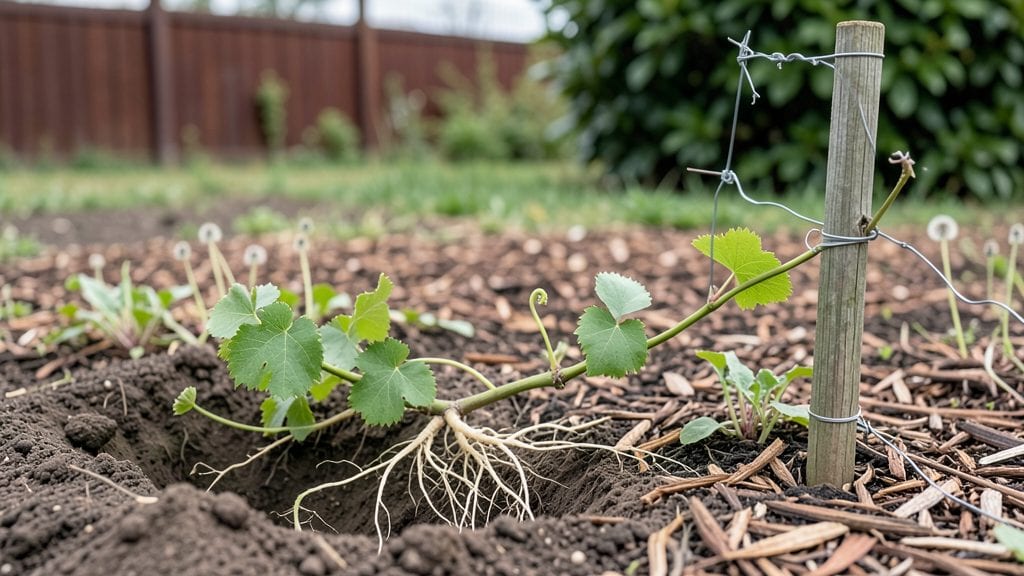
Creating a grapevine tree turns your Pacific Northwest yard into a frost-resistant living sculpture that produces fruit too. 🌿 I’ve trained vines into tree shapes for years—starting with cold-hardy varieties like 'Concord' or 'Champagne' that thrive in our damp, chilly summers.
The key is choosing a dwarf rootstock or grafting onto a hardy understock, then pruning aggressively to shape the trunk and branches like a bonsai.
You’ll need basic tools—a sharp pruner, sturdy trellis or cordon wires, and a strong support post to anchor the vine’s weight. Start with a young vine in early spring, staking it vertically while training the main trunk upward.
Within 2-3 years, you’ll have a sturdy, multi-branched vine that looks like an ornamental tree but still bears clusters of grapes. The best part? These vines handle our region’s late frosts better than traditional bush varieties.
By midsummer, your grapevine tree will burst with deep purple or golden foliage, and by fall, you’ll harvest sweet, juicy grapes straight from your living art piece. The pruning schedule keeps it manageable—just a few cuts each dormant season to maintain shape and encourage fruit production.
Even in rainy PNW winters, the thick bark and layered branches protect the vine from cold snaps.
This method works for small yards, patios, or even container growing—just scale the support structure. Whether you’re a beginner or a seasoned gardener, the satisfaction of shaping a vine into a fruit-bearing tree is unmatched. Ready to turn vines into vertical masterpieces?
📚 In This Guide
- What you need
- Instructions
- Tips and common mistakes
- Wrapping up and next steps
What you need
- ● Grapevine cuttings (1-year-old): 4–6 healthy, disease-free canes (12–18 inches long, pencil-thick). Pro tip: Harvest in late winter or early spring!
- ● Rooting hormone: 1 small bottle (e.g., Dip ‘N Grow or Clonex). 💡 Speeds up root development by 30–50%!
- ● Well-draining potting mix: 5–10 gallons (combine perlite, peat moss, and compost in a 1:1:1 ratio).
- ● Grafting tape or rubber bands: 1 roll (for securing cuttings to trellis supports).
- ● Trellis system: Main support: 1 sturdy 8–10 ft wooden post (4x4 inch) or metal T-post.
- ● Horizontal wires: 3–4 galvanized wires (16–18 gauge), spaced 12–18 inches apart.
- ● Stakes: 6–8 wooden or metal stakes (6–12 inches tall) for temporary support.
- ● Mulch: 2–3 bags of straw or wood chips (to retain moisture and insulate roots).
- ● Pruning shears: 1 pair (bypass-type, sharp and clean).
- ● Hand pruners: 1 pair (for smaller cuts).
- ● Trowel or spade: 1 medium-sized (for planting).
- ● Measuring tape: 1 (to ensure proper wire spacing).
- ● Drill/driver: 1 (for securing trellis wires to posts).
- ● Gloves: 1 pair (heavy-duty for protection).
- ● Watering can or hose: 1 (with a gentle spray nozzle).
- ● Frost cloth: 1–2 rolls (for young vines in early spring/fall).
- ● Drip irrigation kit: 1 (automates watering—lazy gardener’s dream!).
- ● Epsom salt: Small bag (boosts magnesium for lush foliage).
- ● Vine training clips: 10–20 (alternative to tape for securing canes).
- ● Soil moisture meter: 1 (prevents over/under-watering).
Step-by-Step instructions for crafting a frost-resistant grapevine tree
Here's how to transform a grapevine into a sturdy, shade-providing tree perfect for Pacific Northwest winters.
🌱 Step 1: Select and Prepare the Grapevine Base
Choose a frost-hardy vine like Concord or Thompson Seedless, which thrive in zones 5-9. Start with a 4-5 foot long dormant vine—longer sections develop stronger structural roots. I always inspect for healthy buds along the entire length, avoiding any withered or discolored areas that could spread disease.
Dig a hole 12-18 inches deep and 18 inches wide in well-draining soil. Mix in 2-3 inches of compost to improve fertility without overwhelming the vine. The hole should be deep enough to bury about 1/3 of the vine's length while leaving the top third exposed for future pruning.
🪴 Step 2: Bury the Vine and Create Structural Support
Bend the vine into a U-shape, burying the bottom 1/3 of the vine horizontally in the hole. Space the buried section 6-8 inches below the soil surface—this encourages strong root development while keeping the main trunk elevated. Secure the buried section with 3-4 U-shaped metal stakes driven into the soil around the vine.
Fill the hole with soil, pressing gently to eliminate air pockets. Leave the top 1/3 of the vine exposed—this will become your trunk. Water deeply until the soil 12 inches down feels saturated. The stakes create a natural scaffold, preventing the vine from shifting as roots establish.
✂️ Step 3: Train the Trunk and First Branches
Select the strongest bud near the soil line to become your main trunk. Remove all other buds within 6-12 inches of the ground to prevent competing growth. Use a soft cloth tie to attach a 4-foot wooden stake to the chosen trunk, keeping it straight and upright.
Once the trunk reaches 3-4 feet tall (usually by late summer), choose 3-4 evenly spaced buds near the top to develop into primary branches. Gently bend these buds outward at 45-degree angles and secure them with cloth ties. This creates a natural canopy shape while distributing weight evenly.
☀️ Step 4: Winterize and Maintain Structural Integrity
Before the first frost, mound 6-8 inches of mulch around the base, leaving 3 inches of space around the trunk to prevent rot. In zones 5-6, wrap the trunk with burlap or frost cloth for added protection. I've found that late winter pruning (just before buds swell) prevents frost damage while encouraging vigorous spring growth.
Every 2-3 years, check the stakes and adjust ties as the vine thickens. Remove any branches growing inward or crossing others—these compete for sunlight and weaken the structure. A mature grapevine tree should have a 10-12 foot spread with a 6-8 foot height, providing ample shade while resisting Pacific Northwest winds.
Tips & tricks for perfect grapevine tree crafting
Transforming grapevines into sturdy trees takes patience and precision—here's what I've learned after years of trial and error in the Pacific Northwest.
Vine Selection is Everything: Beyond frost-hardy varieties like Concord or Thompson Seedless, look for vines with thick, flexible canes—these bend better when creating your U-shape in Step 2. I've found that vines with multiple healthy buds per foot develop more robust branches later. Avoid vines with any signs of disease or insect damage, even if they look otherwise healthy.
Soil Preparation Secret: The 12-18 inch hole depth in Step 1 isn't just about space—it's about creating the perfect root environment. Amend your native soil with 2-3 inches of compost mixed into the bottom third of the hole, then backfill with native soil. This creates a nutrient-rich zone where roots will establish first. For clay-heavy soils common in PNW, add sand or perlite to improve drainage.
Staking Strategy: Those 3-4 U-shaped metal stakes in Step 2 serve a dual purpose: they stabilize the buried vine AND create a natural trellis system. Drive stakes at 45-degree angles from the vine, not straight up—this distributes weight better. I've seen vines collapse when stakes were vertical because they couldn't handle lateral pressure from wind or growth. For extra security, add a fifth stake at the top of your U-shape to prevent the vine from popping out of the ground as roots develop.
Winter Pruning Timing: The late winter pruning mentioned in Step 4 is critical for PNW winters. Prune just as buds begin to swell but before new growth emerges—this is typically 4-6 weeks before your last frost date. This timing prevents frost damage to fresh cuts while encouraging vigorous spring growth. I mark my calendar for mid-February in western Oregon, but adjust based on your microclimate.
Pro Tips for Make A Grapevine Tree
- Transforming grapevines into sturdy trees takes patience and precision—here's what I've learned after years of trial and error in the Pacific Northwest.
- Vine Selection is Everything: Beyond frost-hardy varieties like Concord or Thompson Seedless, look for vines with thick, flexible canes—these bend better when creating your U-shape in Step 2.
- Soil Preparation Secret: The 12-18 inch hole depth in Step 1 isn't just about space—it's about creating the perfect root environment.
Frequently asked questions
about crafting your own grapevine tree—especially in the Pacific Northwest—can help clarify the process before you get started. Here are answers to the most common queries:How do I know if my grapevine will survive PNW winters?
Choose frost-resistant varieties like Concord, Thompson Seedless, or Marquette. These thrive in zones 5-9. Mulch heavily in fall, prune aggressively in late winter (before buds swell), and avoid late-season fertilizing. Cold hardiness depends on root strength—established vines handle frost better than young ones!
How long does it take for a grapevine tree to produce fruit?
Patience is key! Most grapevines take 2–3 years to bear fruit after planting. Dwarf varieties may fruit sooner, but full-size trees can take up to 5 years. Focus on training and pruning in the first year to encourage faster growth.
Can I prune my grapevine tree at any time of year?
No—timing matters! Prune late winter (dormant season) for best results. Avoid pruning in fall (risk of frost damage) or spring (encourages new growth too late for winter). Summer trimming is for shaping, but never remove more than 25% of the vine at once.
What if my grapevine leaves turn yellow or wilt?
Yellow leaves often signal overwatering or nutrient deficiency (like potassium or magnesium). Wilted vines may need more water (check soil moisture) or protection from wind. Test soil pH (ideal: 6.0–6.5) and adjust with lime or sulfur if needed. Fungal issues? Prune affected areas and apply copper spray.
Is a grapevine tree different from a traditional grapevine?
Yes! A grapevine tree is a dwarf or semi-dwarf grapevine grafted onto a hardy rootstock (like Riparia or Rupestris), trained to grow as a small tree (3–6 ft tall). Traditional vines sprawl; trees save space and are easier to manage in small yards. They still need trellising for support!
Wrapping up and next steps
Growing a frost-resistant grapevine tree in the Pacific Northwest is a rewarding project that combines beauty, utility, and resilience! 🌱 With the right cultivar selection, proper pruning techniques, and a little patience, you’ll create a stunning canopy that thrives even in cooler climates.
Remember, consistency in care—like winter protection and seasonal trimming—is key to long-term success.
Now that you’re armed with the know-how, roll up your sleeves and get planting! Start small with a single vine, experiment with trellis styles, and soon you’ll be harvesting grapes or enjoying the lush shade your grapevine tree provides. Happy growing—your future canopy awaits! 🍇✨