
Pruning
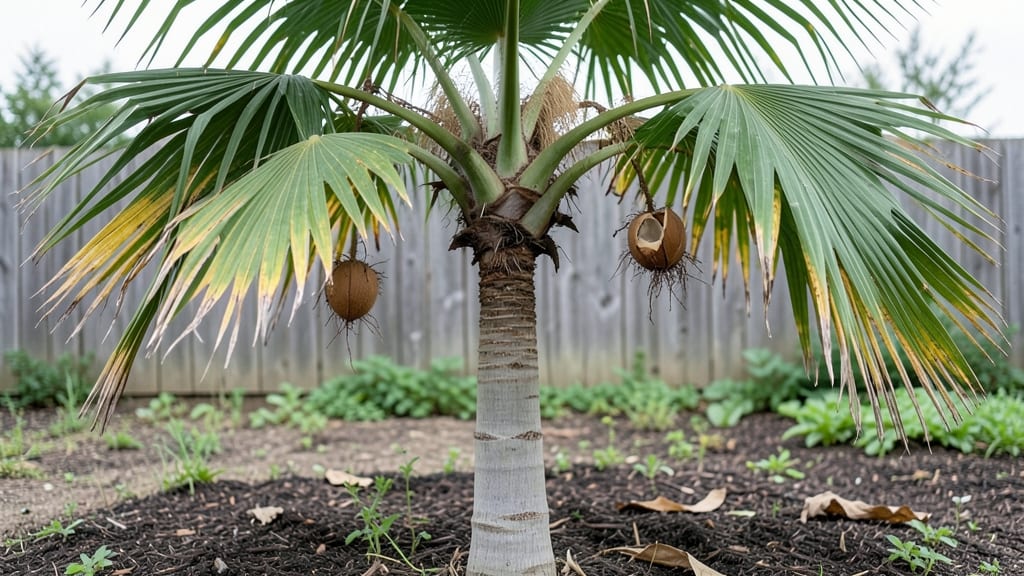
The space under a palm tree isn’t just empty air—it’s prime real estate for a lush, tropical privacy screen that transforms your Pacific Northwest garden into a hidden oasis. 🌿 I’ve turned my own shady corner into a thriving understory, where ferns unfurl like green curtains and flowering shrubs add bursts of color without competing for sunlight.
Start with shade-tolerant plants like elephant ears (for bold foliage) and calathea (for velvety textures), then layer in impatiens or begonias for cascading blooms. The key is mixing heights—tall dracaena in the back, mid-height hostas in the middle, and trailing sweet potato vine along the edges to soften the look.
This combo blocks views while keeping the air fresh and the vibe effortlessly coastal.
By summer’s end, you’ll have a year-round green wall that thrives in dappled light and damp Pacific Northwest air. The best part? It’s low-maintenance once established—just water deeply once a week and trim back leggy growth in early spring.
Think of it as your garden’s secret handshake: a lush, living barrier that says, “This space is mine.”
Works for urban backyards, rural edges, or even container setups near patios. The same principles apply whether you’re filling a 6-foot gap or a 20-foot stretch—just scale the plant sizes. Ready to claim that shady corner?
📚 In This Guide
- What you need
- Instructions
- Tips and common mistakes
- Wrapping up and next steps
What you need
- ● Palm Trees: 3–5 mature Washingtonia robusta or Trachycarpus fortunei (choose based on climate hardiness; Trachycarpus is more PNW-friendly).
- ● Fast-Growing Privacy Plants: 5–10 Bamboo (e.g., Fargesia) – non-invasive varieties for a tropical feel.
- ● 3–5 Ornamental Grasses (e.g., Miscanthus or Pennisetum) – add texture and movement.
- ● 2–3 Hibiscus or Plumeria – flowering shrubs for color and fragrance.
- ● Soil Amendments: 50 lbs Peat moss or coconut coir – improves drainage.
- ● 20 lbs Compost or aged manure – boosts nutrient levels.
- ● 10 lbs Slow-release fertilizer (10-10-10) – supports growth.
- ● Mulch: 2–3 bags of wood chips or pine bark (3–4 inches deep) to retain moisture.
- ● Pruning Tools: 1 Bypass pruners (for clean cuts).
- ● 1 Loppers (for thicker branches).
- ● 1 Pruning saw (for heavy trimming).
- ● Planting Supplies: 5-gallon containers or nursery pots (for young plants).
- ● 1 Shovel or spade (for digging).
- ● 1 Garden hose or watering can (with a spray nozzle).
- ● Safety Gear: 1 pair Gloves (cut-resistant for pruning).
- ● 1 Safety glasses (to protect from debris).
- ● 1 Hedge trimmer – for shaping bamboo or grasses.
- ● 2–3 Trellis panels or lattice – for climbing vines (e.g., Passiflora or Clematis).
- ● 1 Soil pH tester – ensures optimal growing conditions (aim for 6.0–7.0).
- ● Decorative rocks or pebbles – for a polished, tropical look around the base.
Step-by-Step instructions for creating a tropical privacy screen
Here's how to craft a lush, Pacific Northwest-friendly tropical oasis under your palm tree.
🌿 Step 1: Select the Right Tropical Plants for Your Climate
Choose hardy tropical plants that thrive in the Pacific Northwest's mild summers and cool winters. I recommend starting with 4-6 plants per screen, including elephant ears (Colocasia), banana trees (Musa basjoo), ginger (Hedychium), and tropical hibiscus (Hibiscus rosa-sinensis). These varieties handle USDA Zone 8-10 conditions and provide year-round foliage.
Look for established 3-4 gallon plants at local nurseries—they'll establish faster than seedlings. Place them in a staggered formation, with taller plants like banana trees at the back and shorter, bushier varieties like hibiscus in front. This creates natural layers and depth, blocking views effectively while maintaining airflow.
🪴 Step 2: Prepare the Planting Area
Clear the area under your palm tree of weeds and debris, then loosen the soil to a depth of 12 inches using a garden fork. Amend the native soil with 3-4 inches of compost and 1 part perlite to improve drainage—tropical plants hate soggy roots. I like to spread a 2-inch layer of pine bark fines over the amended soil to mimic their natural forest floor habitat.
Dig planting holes twice as wide as the root ball but only as deep as the container. This prevents settling issues later. Water each hole thoroughly before planting, allowing the soil to absorb moisture completely. If your soil drains poorly, consider installing a French drain around the perimeter to prevent waterlogging.
☀️ Step 3: Plant and Stagger for Maximum Privacy
Remove each plant from its container and gently loosen the roots if they're circling. Place the plant in its hole so the top of the root ball sits 1 inch below soil level—this ensures stability and prevents crown rot. Backfill with native soil mixed with compost, tamping lightly as you go to eliminate air pockets.
Arrange plants in a curved line, spacing them 3-5 feet apart depending on their mature size. For a 6-foot-tall screen, I plant a banana tree at each end, with elephant ears and hibiscus filling the middle. This staggered formation creates a natural, wind-resistant barrier while allowing light to filter through for your palm tree's health.
💧 Step 4: Establish a Watering Routine
Water deeply every 2-3 days for the first 2 weeks, then taper to weekly deep waterings once established. Tropical plants need consistent moisture but hate soggy soil. I check moisture by sticking my finger 2 inches into the soil—if it feels dry, it's time to water. Mulch heavily with 3-4 inches of wood chips to retain moisture and suppress weeds.
During the first growing season, fertilize monthly with a balanced 10-10-10 fertilizer diluted to half strength. Avoid high-nitrogen fertilizers—they promote leafy growth at the expense of root development. Once plants are established (after 6-8 weeks), switch to a low-nitrogen, high-potassium formula to encourage flowering and disease resistance.
✂️ Step 5: Maintain and Prune for Long-Term Health
Prune leggy growth and dead leaves in early spring before new growth begins. I use sharp, sterilized pruners to make clean cuts just above a leaf node or branch junction. Remove any yellowing or damaged foliage immediately—this prevents disease spread and keeps your screen looking tidy. For banana trees, cut back old fronds at the base when they turn brown.
Monitor for pests like aphids or spider mites, which thrive in tropical conditions. Treat infestations immediately with neem oil or insecticidal soap. In winter, protect tender plants with burlap wraps if temperatures dip below 30°F. With proper care, your tropical privacy screen will thrive year-round, providing lush greenery and a true Pacific Northwest tropical retreat.
Tips & tricks for perfect tropical privacy screens
Creating a stunning tropical privacy screen under your palm tree takes thoughtful planning—here are the secrets to making it thrive in Pacific Northwest conditions.
Plant Selection Strategy: Don't just grab any tropical plants! Look for established 3-4 gallon plants with healthy root systems—they'll establish faster than seedlings and handle our cooler winters better. I always check for firm, white roots rather than brown or mushy ones, which indicate stress or disease. For extra resilience, choose varieties with thick stems like banana trees or elephant ears—they bounce back better from winter chills.
Soil Preparation Secret: The 3-4 inches of compost and 1 part perlite mix in Step 2 is non-negotiable for Pacific Northwest gardens. Our native soil often compacts easily, so I recommend adding an extra 1 inch of coconut coir to the mix for better moisture retention without suffocating roots. Test your drainage by digging a hole, filling it with water, and checking how long it takes to drain—if it takes more than 30 minutes, you definitely need that French drain.
Pruning Pro Tip: When pruning in early spring, focus on removing dead leaves and leggy growth rather than just trimming for shape. I use sterilized pruners and make clean cuts just above a leaf node—this encourages bushier growth. For banana trees, never cut back more than one-third of the fronds at a time, or you'll shock the plant. Store pruned material in a brown paper bag in your freezer for 24 hours before composting to prevent disease spread.
Winter Protection Hack: That 30°F threshold isn't just a random number—it's when tropical plants start getting stressed. I wrap tender plants with burlap wraps and add a 2-inch layer of straw mulch around the base for extra insulation. For extra cold snaps, set up a mini greenhouse frame with clear plastic sheeting over the most sensitive plants. This creates a microclimate that can raise temperatures by 5-10°F during cold nights.
Pro Tips for Under A Palm Tree
- Creating a stunning tropical privacy screen under your palm tree takes thoughtful planning—here are the secrets to making it thrive in Pacific Northwest conditions.
- Plant Selection Strategy: Don't just grab any tropical plants!
- Soil Preparation Secret: The 3-4 inches of compost and 1 part perlite mix in Step 2 is non-negotiable for Pacific Northwest gardens.
Frequently asked questions
Got questions about creating your own tropical oasis in the Pacific Northwest?
Here’s what you need to know to make your palm tree privacy screen a success—without the guesswork!
Can I grow palm trees in the Pacific Northwest’s rainy climate?
While palms thrive in warm climates, hardy varieties like Windmill Palm (Trachycarpus fortunei) or Needle Palm (Rhapidophyllum hystrix) tolerate PNW’s cooler temps and moisture. Just ensure they’re planted in well-draining soil and mulched to protect roots from soggy conditions. Pro tip: Group them with other tropical plants to mimic their natural habitat!
How long does it take for palm trees to grow into a privacy screen?
Patience pays off! Most palms grow 1–3 feet per year, so a 10-foot-tall screen could take 3–5 years for slower growers (like Needle Palm) or 5–7 years for faster ones (like Mediterranean Fan Palm). For quicker results, plant saplings (3–5 feet tall) or combine palms with fast-growing shrubs like Arbutus or Holly.
Will palm trees survive PNW winters without extra protection?
Most PNW-friendly palms handle light frosts (down to 10–15°F), but young trees or tender species may need winter care. Wrap the trunk with burlap or mulch heavily around the base. Avoid heavy snow loads by pruning lower fronds before winter. Pro tip: Choose evergreen palms like Dwarf Palmetto—they shed less debris and stay lush year-round!
What’s a good alternative if palm trees aren’t feasible?
No palm? No problem! Try these tropical-looking PNW natives for privacy:
- Arbutus ‘Marina’ (Madrona): Glossy leaves, peeling bark, and red berries.
- Holly (Ilex): Dense, spiky, and evergreen—great for year-round screening.
- Camellia: Lush foliage with winter blooms for color.
- Bamboo (non-invasive varieties): Fast-growing but needs containment.
How do I keep palm trees from looking messy or overgrown?
Regular pruning is key! Remove dead fronds (they turn brown) and yellowing leaves to keep the tree healthy. For safety, prune lower fronds to prevent tripping hazards. Never top palm trees—it stresses them and creates weak growth. Pro tip: Use sterilized pruners to avoid fungal infections, and prune in late winter or early spring for best results.
Wrapping up and next steps
Transforming your Pacific Northwest garden into a serene tropical oasis under a palm tree isn’t just about aesthetics—it’s about creating a private, lush retreat that feels like a vacation year-round. 🌴 With the right palm varieties, pruning know-how, and a touch of creativity, you can craft a space that thrives in cooler climates while offering that dreamy, sun-drenched escape.
The key? Start small, stay consistent, and let nature do the rest.
Ready to take the next step? Pick one palm to plant this weekend—whether it’s a hardy Windmill Palm or a striking California Fan Palm—and watch your garden bloom into a tranquil haven. Your future self (and curious neighbors!) will thank you. 🌿✨