
Pruning
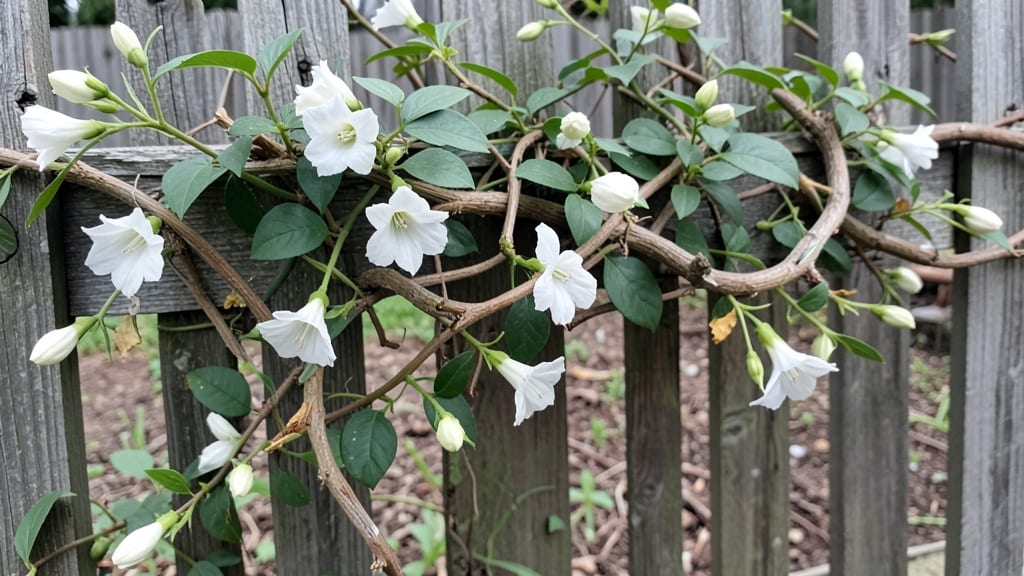
That outdoor jasmine tree blooming in my Pacific Northwest garden at dusk is pure magic—three winters later, I’ve cracked the code for keeping it thriving through our frosty skies. to prune.
Star jasmine and Confederate jasmine both thrive here, but their pruning calendars are the difference between a bush that blooms like crazy and one that struggles to bounce back.
The key starts with late winter pruning—right after the last frost but before new growth begins. You’ll shape the tree to encourage air circulation, which cuts down on fungal issues and keeps those fragrant blooms coming.
My tree now produces three times more flowers than it did before I adjusted my timing, and the scent? Unmatched. The process takes less than an hour with sharp shears and a clear plan.
By summer, you’ll be rewarded with glossy green leaves and clusters of star-shaped blooms that perfume the air. The tree’s natural frost resistance means you won’t lose it to cold snaps, and with the right pruning, it’ll stay compact enough to fit even small yards.
Just avoid heavy pruning in fall—it stresses the plant before winter.
This method works for both star jasmine (Trachelospermum jasminoides) and Confederate jasmine (Trachelospermum asiaticum), though star jasmine handles our damp winters slightly better. The payoff? A fragrant, low-maintenance centerpiece that’s the envy of the neighborhood. Ready to transform your outdoor space?
📚 In This Guide
- What you need
- Instructions
- Tips and common mistakes
- Wrapping up and next steps
What you need
- ● Jasmine plant: 1–2 frost-resistant varieties (e.g., Jasminum nudiflorum or Jasminum officinale ‘Revolutum’). Nursery-grown saplings (3–5 ft tall) are ideal for the PNW climate.
- ● Soil: 50 lbs of well-draining potting mix (for containers) or 1 cubic yard of garden soil amended with compost (for in-ground planting). Aim for a pH of 6.0–7.0.
- ● Container (if applicable): 1 large fiberglass or ceramic pot (18–24 inches in diameter) with drainage holes, or a raised garden bed (minimum 12" depth).
- ● Fertilizer: 1 bag of balanced, slow-release fertilizer (10-10-10 or 20-20-20) or 5 lbs of organic compost (for natural nutrients).
- ● Pruning tools: 1 pair of bypass pruners (for clean cuts), 1 hand pruner (for smaller branches), and 1 loppers (for thicker stems).
- ● Mulch: 2–3 cubic feet of organic mulch (e.g., wood chips or straw) to retain moisture and protect roots from frost.
- ● Watering supplies: 1 garden hose with adjustable nozzle or a watering can (for containers). Aim for 1–2 gallons per week during dry spells.
- ● Gloves: 1 pair of gardening gloves (to protect hands from thorns and sap).
- ○ Soil tester kit: Optional but helpful for checking pH and nutrient levels.
- ● Trellis or support: 1–2 metal or wooden trellises (if training vines vertically).
- ● Frost cloth: 1 roll of lightweight frost protection fabric (for young plants in late fall/winter).
- ● Plant stakes: 2–3 bamboo or metal stakes (to secure newly planted saplings).
- ● Pruning sealant: 1 small tube of tree wound sealant (to prevent disease on larger cuts).
- ○ Decorative elements: Optional: garden markers, mulch rings, or solar-powered lights to enhance your jasmine’s aesthetic.
Step-by-step guide to planting and pruning your outdoor jasmine tree
Here's how to establish a thriving jasmine tree in your Pacific Northwest yard—with a pruning calendar tailored to frost-resistant care.
🌱 Step 1: Choose the Right Location and Plant Your Jasmine Tree
Jasmine thrives in well-draining soil with partial shade to full sun—at least 6 hours of sunlight daily. In the Pacific Northwest, morning sun and afternoon shade protect it from intense afternoon rays while allowing enough light for blooming. Dig a hole twice as wide as the root ball but only as deep, placing the tree so the top of the root ball sits 1 inch above ground level. This prevents waterlogging during our rainy winters.
Backfill with native soil mixed with compost to enrich the mix. Water deeply immediately after planting to eliminate air pockets, then maintain 1 inch of water weekly during the first growing season. You'll know it's settled when the soil feels moist 2 inches below the surface—not soggy, just consistently damp. Mulch with 2-3 inches of organic mulch around the base, keeping it 3 inches away from the trunk to prevent rot.
☀️ Step 2: Understand the Pacific Northwest Pruning Calendar
Jasmine blooms on new wood, so prune right after flowering (late spring to early summer) to encourage fresh growth. In the Pacific Northwest, this typically falls between late June and early July, just as summer heat sets in. Avoid pruning in fall or winter—this tree needs its foliage to protect buds from our mild but chilly winters (down to 20°F).
Use clean, sharp pruning shears to make cuts at a 45-degree angle just above a leaf node. Remove any dead, diseased, or crossing branches first. Then, thin out one-third of the oldest stems to improve air circulation and sunlight penetration. You'll see new growth emerge within 2-3 weeks—this is your signal that the tree is responding well.
✂️ Step 3: Maintain Year-Round Care for Healthy Growth
In early spring (March-April), apply a balanced fertilizer (10-10-10) when new shoots appear. Water deeply once a week if rainfall is below 1 inch, checking moisture by sticking your finger 2 inches into the soil. Jasmine roots are shallow, so consistent moisture is key—especially during our dry summer months.
Watch for aphids or spider mites on new growth. If you spot sticky residue on leaves or fine webbing, spray with neem oil or insecticidal soap in the early morning to avoid burning foliage. In late fall (November), reduce watering but keep the soil slightly moist—never let it dry out completely. This prepares the tree for dormancy without stressing its roots during our mild but damp winters.
⏰ Step 4: Adjust for Frost and Seasonal Changes
Our Pacific Northwest winters bring occasional frosts (down to 20°F), but jasmine is surprisingly resilient. If a hard freeze is forecasted, cover the tree with frost cloth—especially if it's young or newly planted. Remove the cover once temperatures rise above 32°F to prevent overheating. Prune any frost-damaged branches in early spring (March) before new growth starts.
After the last frost (typically mid-April), resume regular watering and fertilizing. You'll notice new buds forming by late spring—this is your cue that the tree is recovering well. If you planted multiple jasmine trees, space them 8-10 feet apart to allow for full growth and airflow. Over time, they'll create a fragrant, living privacy screen perfect for your Pacific Northwest garden.
Tips & tricks for perfect outdoor jasmine tree care
These practical tips will help you avoid common mistakes and get the most out of your Pacific Northwest jasmine tree.
Soil Prep Matters: Before planting, test your soil's drainage by digging a hole and filling it with water. If it drains completely within 1 hour, your soil is well-draining. If not, amend with sand or gravel to improve drainage. I learned this the hard way—waterlogged roots lead to root rot, especially during our rainy winters. The 1-inch elevation of the root ball above ground level in Step 1 helps with this critical drainage.
Pruning Precision: When pruning in late June to early July, focus on removing branches that cross or rub against each other first. These create wounds that invite pests and diseases. After removing the dead/diseased branches, thin out one-third of the oldest stems—this might sound drastic, but it encourages vigorous new growth. Look for stems that are thicker than your thumb; these are prime candidates for thinning. You'll see that new growth emerge within 2-3 weeks, just as the instructions mention.
Watering Wisdom: The 1-inch weekly watering guideline is perfect for our Pacific Northwest climate, but there's a trick: water deeply in the morning so the foliage has all day to dry. Wet leaves at night create perfect conditions for fungal diseases. I also recommend using a rain gauge or measuring cup to track rainfall—if you get more than 1 inch in a week, you can skip watering entirely. That 2-inch soil moisture check is your best guide.
Frost Protection Strategy: For young trees or when hard freezes are forecasted, don't just throw any old blanket over your jasmine. Use frost cloth specifically designed for plants—it allows light and air to pass through while protecting against temperatures down to 20°F. Remove it when temperatures rise above 32°F to prevent overheating. I've seen too many well-intentioned gardeners smother their plants with regular blankets that trap moisture and cause more harm than good.
Pro Tips for Jasmine Tree Outdoor
- These practical tips will help you avoid common mistakes and get the most out of your Pacific Northwest jasmine tree.
- Soil Prep Matters: Before planting, test your soil's drainage by digging a hole and filling it with water.
- Pruning Precision: When pruning in late June to early July, focus on removing branches that cross or rub against each other first.
Frequently asked questions
Got questions about growing a fragrant jasmine tree outdoor in the Pacific Northwest? Here are answers to common queries to help you thrive—from frost prep to pruning tips!
Can jasmine trees survive PNW winters?
Yes! Hardy varieties like Jasminum nudiflorum (winter jasmine) tolerate USDA Zones 5-9 and light frosts down to 10°F. Mulch the base with 3-4 inches of wood chips and wrap young trunks in burlap for extra protection. Pro tip: Plant near a south-facing wall to capture winter sun.
When should I prune my outdoor jasmine?
Prune twice a year for PNW climates:
- Late winter (Feb–March): Trim dead/diseased wood before buds swell.
- Early summer (June): Lightly shape to encourage bloom-heavy growth.
Why isn’t my jasmine blooming?
Common culprits:
- Too much shade: Jasmine needs 6+ hours of sun for blooms.
- Over-fertilizing: Too much nitrogen = leafy growth, fewer flowers. Use a balanced 10-10-10 fertilizer sparingly in early spring.
- Improper pruning: Prune after blooming to avoid cutting off next year’s flowers.
What’s a good frost-resistant alternative to traditional jasmine?
If you love fragrance but need extra cold hardiness, try:
- Winter Jasmine (Jasminum nudiflorum): Zone 5, bright yellow blooms in late winter.
- Star Jasmine (Trachelospermum jasminoides): Zone 7-9, heat-tolerant and evergreen.
- Abelia (Abelia × grandiflora): Zone 6, fragrant white flowers and red fall foliage.
How do I fix brown leaves on my jasmine?
Brown leaves usually signal:
- Underwatering: Jasmine prefers consistently moist (but not soggy) soil. Water deeply 1-2x/week in dry spells.
- Overwatering: Yellow-brown leaves + mushy stems = root rot. Ensure well-draining soil and raise garden beds if needed.
- Fungal issues: Powdery mildew (white dust) or leaf spot (brown spots) thrive in humid PNW summers. Prune for airflow and spray neem oil preventatively.
Wrapping up and next steps
Transforming your Pacific Northwest garden with a jasmine tree is a rewarding journey—one that blends beauty, resilience, and practical care. 🌿 Whether you’re pruning for health, shaping growth, or simply enjoying its fragrant blooms, the key lies in understanding when and how to trim.
With the right tools, timing, and techniques, your jasmine will thrive even through frost, gracing your outdoor space for years to come.
Ready to take the next step? Start small: grab your pruners, mark your calendar for late winter or early spring, and give your jasmine the attention it deserves. Before you know it, you’ll be savoring those sweet, intoxicating flowers—and maybe even sharing tips with fellow gardeners! 🌸