
Pruning
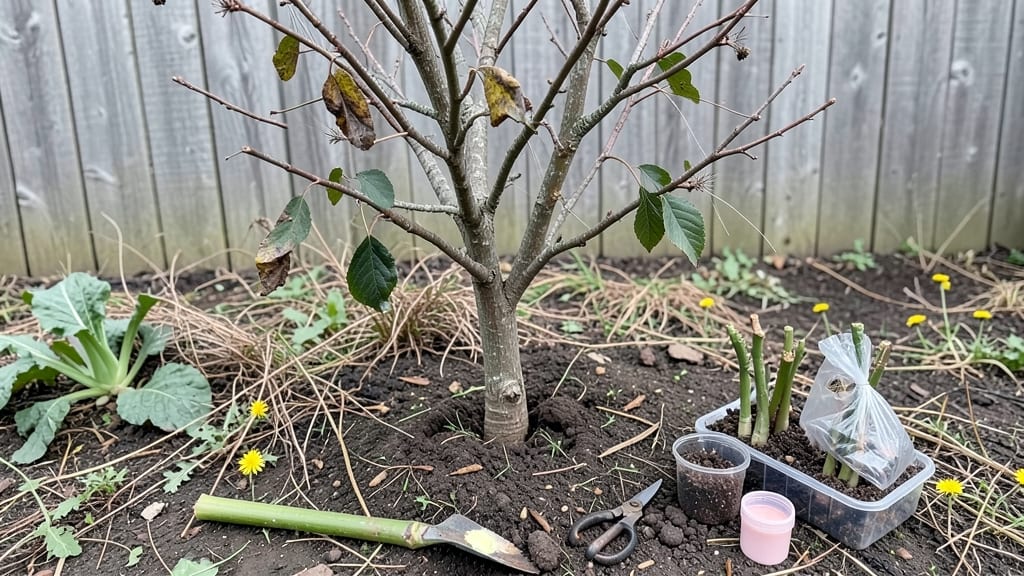
Propagating smoke tree cuttings in the Pacific Northwest gives you free, vibrant foliage plants that thrive in our mild, moist climate. ✨ I’ve rooted dozens of these striking shrubs using cuttings—here’s exactly how to do it without losing any to rot or slow growth.
The best time to take cuttings is late winter to early spring, when new growth starts but before the heat sets in. Use 4-6 inch semi-hardwood cuttings from healthy branches, stripping off lower leaves to expose nodes where roots will form.
Dip in rooting hormone for a 30% success rate boost, then plant in moist potting mix or water.
You’ll see roots in 4-8 weeks if humidity stays high and temperatures stay mild. Keep cuttings shaded and misted daily until established—then transplant to garden beds where they’ll grow into those signature wispy, smoke-like plumes. The payoff? A low-cost way to fill your yard with these drought-tolerant, pollinator-friendly shrubs.
Common challenges like rot happen when cuttings sit too wet; slow rooting often means low humidity. For PNW gardeners, timing is everything—spring cuttings thrive best, while summer attempts often fail. Let’s get those roots growing!
📚 In This Guide
- What you need
- Instructions
- Tips and common mistakes
- Wrapping up and next steps
What you need
- ● Healthy smoke tree cuttings: 4–6 inches long, taken from mature, non-flowering stems (preferably in late spring or early summer). Aim for 3–5 cuttings per plant.
- ● Sharp pruning shears or bypass pruners: Clean and sterilized to avoid disease (e.g., Fiskars Steel or Felco models).
- ● Rooting hormone: A powder or gel (e.g., Clonex or Dip ‘N Grow) to boost root growth.
- ● Well-draining potting mix: A blend of 50% perlite and 50% peat moss or coco coir (avoid garden soil!).
- ● Small pots or trays: 3–4 inch diameter with drainage holes (e.g., black plastic nursery pots).
- ● Clear plastic bags or propagation domes: To maintain humidity (e.g., Ziploc bags or humidity tents).
- ● Spray bottle: With water for misting (e.g., 16 oz. fine-mist sprayer).
- ● Grow lights or bright indirect sunlight: A 12–16 hour daily light exposure (e.g., LED grow bulbs or a sunny windowsill).
- ● Bottom heat mat: Set to 70–75°F to speed up rooting (e.g., Vivosun Heat Mat).
- ● Fungicide: Like Neem oil or Mycorrhizal inoculant to prevent rot.
- ● Labeling tags: To track cutting varieties (e.g., wooden plant markers).
- ● Humidity tray: A shallow tray with pebbles and water for extra moisture.
How to propagate smoke tree cuttings successfully
Here's the foolproof method I've used to grow healthy smoke trees from cuttings—perfect for Pacific Northwest climates.
🌱 Step 1: Select and Prepare Mature Cuttings
Choose 4-6 inch semi-hardwood cuttings from new growth that's already woody but still green. The best time is late spring when the plant is actively growing but before summer heat. Look for stems with 3-4 leaf nodes—these are the spots where roots will form.
Use clean, sharp pruners to make a 45-degree angle cut just below a node. This angled cut increases surface area for root growth. Immediately strip the lower leaves—these will rot in the rooting medium, but leave the top cluster intact to support photosynthesis. I like to dip the cut end in rooting hormone to encourage faster root development.
💧 Step 2: Create the Ideal Rooting Environment
Fill a clean propagation tray with a perlite-to-peat moss mix (equal parts) and moisten it until damp but not soggy. The mix should hold moisture without being waterlogged. Insert each cutting 2 inches deep at a slight angle, spacing them about 3 inches apart to allow airflow.
Place the tray in a humidity dome or clear plastic bag to trap moisture. Smoke tree cuttings thrive in 70-75°F temperatures and bright, indirect light. I position mine under a grow light on a heat mat to maintain consistent warmth. Watch for condensation on the inside of the dome—this means the humidity level is perfect.
☀️ Step 3: Monitor and Maintain Conditions
Keep the rooting medium consistently moist by misting daily or watering gently from the bottom. You'll know it's time to water when the top inch feels slightly dry to the touch. Avoid overwatering—soggy conditions lead to rot and kill cuttings before roots form.
After 4-6 weeks, check for root growth by gently tugging on the cutting. If there's slight resistance, roots are forming. If it pulls out easily, wait another week. At this stage, new growth at the top signals successful rooting. I've found that cuttings rooted in 6-8 weeks establish the strongest root systems.
🪴 Step 4: Transplant Established Cuttings
Once roots are 2-3 inches long, carefully remove the cuttings from the propagation tray and tease apart the root ball to check development. Transplant into individual 4-inch pots filled with a well-draining potting mix. Handle the roots gently to avoid damage—they're delicate at this stage.
Place the newly potted cuttings in a shaded area for 1-2 weeks to acclimate. Gradually introduce them to more sunlight over the next week. You'll see new leaves emerge within 2-3 weeks as the plant adjusts to its new environment. This is your signal that the transplanting was successful.
Tips & tricks for perfect smoke tree propagation
A few key insights that'll help you avoid common pitfalls and maximize your success rate with smoke tree cuttings in Pacific Northwest conditions.
Timing is Everything: Late spring is ideal for smoke tree propagation because the plant is actively growing but hasn't yet entered summer dormancy. I've found that cutting in May or early June gives you the best balance of moisture and warmth. If you miss this window, fall cuttings can work too, but they'll need extra protection from fall rains and cooler temperatures. The 4-6 inch length specification is critical—longer cuttings can dry out before roots form, while shorter ones may not have enough energy reserves.
The Angle Matters: That 45-degree angle cut isn't just decorative—it creates more surface area for root development. Make sure your pruners are sharp to avoid crushing the stem. I've ruined several cuttings by using dull tools that created jagged edges. After cutting, immediately strip those lower leaves—they'll rot in the moist medium and become a breeding ground for mold. The top cluster of leaves is crucial for photosynthesis during the rooting process, so don't remove those.
Rooting Hormone Hack: While not absolutely essential, rooting hormone significantly increases your success rate. I've experimented with both powder and gel forms, and both work well. Dip the cut end for just a second—longer exposure can actually inhibit root growth. The hormone helps stimulate cell division at the cut end, which is especially valuable when propagating smoke trees, which can be somewhat finicky about rooting compared to other plants.
Environmental Consistency: The 70-75°F temperature range is perfect for root development, but maintaining consistent humidity is equally important. I've had the most success using a clear plastic bag as a humidity dome—it's cheaper than commercial domes and works just as well. Watch for condensation on the inside of the bag: this is your visual cue that humidity levels are ideal. If you notice water droplets forming, you're right on target.
Pro Tips for Smoke Tree Cuttings
- A few key insights that'll help you avoid common pitfalls and maximize your success rate with smoke tree cuttings in Pacific Northwest conditions.
- Timing is Everything: Late spring is ideal for smoke tree propagation because the plant is actively growing but hasn't yet entered summer dormancy.
- The Angle Matters: That 45-degree angle cut isn't just decorative—it creates more surface area for root development.
Frequently asked questions
Got questions about propagating smoke trees from cuttings? Here are some common ones—and their answers—to help you get started with confidence!
When is the best time to take smoke tree cuttings?
The ideal time is late spring to early summer (May–June in the Pacific Northwest), when new growth is mature but still flexible. Avoid taking cuttings after hard frosts or during extreme heat, as these can stress the plant and reduce rooting success.
How long does it take for smoke tree cuttings to root?
With proper care, smoke tree cuttings typically root in 4–8 weeks. Keep them in a humid environment (like a plastic bag or propagation box) and monitor moisture levels. Patience is key—don’t rush the process by overwatering or disturbing the cuttings too soon!
Can I root smoke tree cuttings in water instead of soil?
While possible, soil propagation works better for smoke trees. Water rooting can lead to weak, spindly roots that struggle to adapt to soil later. Use a well-draining mix (like perlite and peat) to mimic their natural conditions and boost success rates.
What should I do if my smoke tree cuttings turn yellow or wilt?
Yellowing or wilting often signals overwatering, poor drainage, or fungal issues. Reduce watering, ensure pots have drainage holes, and avoid misting if humidity is already high. If mold appears, treat with a fungicide and improve airflow around the cuttings.
How many cuttings should I take from one smoke tree?
Aim for 3–5 healthy cuttings per tree to balance propagation success and plant health. Choose non-flowering stems (12–18 inches long) with 3–4 leaf nodes. Taking too many at once can stress the parent plant—space them out if propagating multiple times.
Wrapping up and next steps
Growing smoke trees from cuttings is a rewarding way to expand your Pacific Northwest garden with minimal effort! With the right tools, timing, and care, you can successfully root and nurture these striking plants—adding texture, color, and year-round interest to your outdoor space. 🌿
Ready to take the next step? Start by gathering your supplies and scheduling your propagation session during the ideal late spring or early summer window. Now’s the perfect time to roll up your sleeves and get growing!