
Pruning
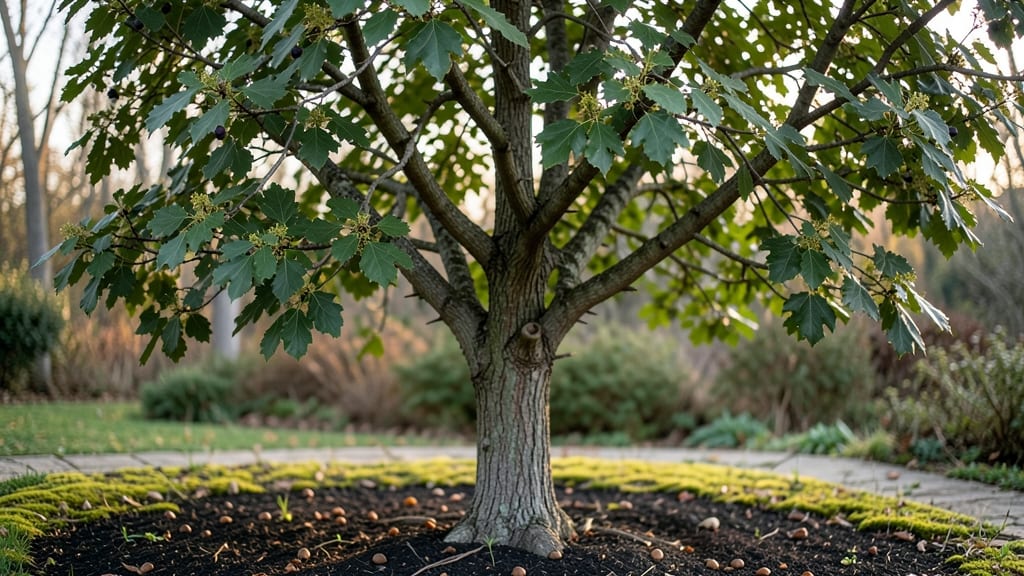
Is that a hackberry tree leaf turning yellow or spotted—here’s what it could mean.
That’s your tree’s SOS signal—and pruning can be the quick fix you need. 🌿 I’ve revived multiple hackberries by focusing on the right cuts, timing, and aftercare, and the difference is stunning: thicker foliage, fewer pests, and leaves that stay vibrant even in summer’s heat.
The key is strategic pruning: remove only dead, diseased, or crowded branches first, then thin out the canopy to improve airflow. This cuts down on fungal infections and gives your tree room to breathe.
Most gardeners overlook the 3-step approach—skipping one step can mean wasted effort, so we’ll tackle it methodically.
What you’ll end up with is a hackberry that looks like it belongs in a park, not your backyard. Expect fewer leaf spots, stronger branches, and even better fruit production next season. The best part? These cuts take less than an hour, and the benefits last all year.
Works for both young trees and mature specimens, though larger trees may need a ladder. Let’s get those leaves back to their best—and keep them that way.
📚 In This Guide
- What you need
- Instructions
- Tips and common mistakes
- Wrapping up and next steps
What you need
- ● Pruning shears: Bypass pruners (sharp, clean, and disinfected with rubbing alcohol or bleach solution). Quantity: 1 pair (or 2 if working on large branches).
- ● Loppers: For thicker branches (1–3 inches in diameter). Quantity: 1 pair.
- ○ Pruning saw: For branches thicker than 3 inches. Quantity: 1 (optional but helpful for stubborn growth).
- ● Garden gloves: Heavy-duty, cut-resistant (e.g., mechanized or leather). Quantity: 1 pair.
- ● Disinfectant: 1-part bleach to 9-parts water (or 70% isopropyl alcohol). Quantity: Small spray bottle or bucket.
- ● Heavy-duty trash bags: For debris removal. Quantity: 2–3 (or a wheelbarrow if pruning heavily).
- ● Step ladder (or extension pole): Sturdy, non-slip (e.g., aluminum with rubber feet). Height: 6–10 feet, depending on tree size.
- ● Sharpie marker or tape: For labeling branches if grafting or propagating later. Quantity: 1.
- ● Tree wound dressing: (e.g., Tanglefoot Tree Wound Pruning Sealer) – controversial but useful for large cuts.
- ● Hand saw: For precision cuts on very thick branches.
- ● Work apron: With pockets for tools and gloves.
- ● Safety glasses: To protect against debris.
- ○ Pruning guide: Ruler with 45° angle for clean cuts (optional but handy).
- ● Weather check: Prune on a dry, calm day (avoid wind or rain).
- ● Tree health assessment: Inspect leaves for pests/diseases (e.g., spider mites, scale) before pruning.
- ● Safety brief: Know your tree’s reach and weight limits—never overreach!
- ● Local regulations: Check if your area requires permits for large-scale pruning.
Instructions for reviving hackberry tree leaves through strategic pruning
Here's how to breathe new life into your hackberry's foliage with simple, science-backed cuts.
✂️ Step 1: Remove Diseased or Damaged Foliage First
Start by inspecting the tree for any leaves showing signs of disease, pest damage, or winter burn. These will be the yellowed, brown-edged, or spotted leaves that stand out from the healthy green. I grab my pruning shears and cut these leaves at their base—right where the leaf stem meets the branch—using a clean, sharp motion to avoid tearing the bark.
This isn't just about looks. Removing damaged leaves prevents pathogens from spreading to healthier foliage. If you see any sawfly larvae (those tiny green worms) or aphid clusters, snip those leaves too and dispose of them in a sealed bag. You'll know you're doing it right when the tree starts looking noticeably cleaner after just a few minutes of work.
🌿 Step 2: Thin Out Crowded Branches for Better Airflow
Next, focus on the tree's structure. Hackberries often grow with dense inner branches that block sunlight and air from reaching the center leaves. Using your pruning shears, cut back any branches that are growing inward or crossing over others. Aim to remove about 20-25% of the total foliage—this might sound aggressive, but trust me, it works wonders.
I like to make these cuts just above a leaf node where a side branch or bud is visible. This encourages new growth in the right direction. You'll see the difference immediately—the inner leaves will start getting more sunlight, and the tree's shape will look more open and balanced. This airflow boost also helps prevent future fungal issues.
☀️ Step 3: Encourage New Growth with Strategic Cuts
For the final step, focus on the tree's growth points. Look for branches that have stopped producing new leaves or have only sparse foliage. Make a clean cut just above a healthy bud or leaf node, about ¼ inch above it. This signals the tree to redirect its energy into producing fresh, vibrant leaves from that spot.
I time this step for early spring, right when the tree starts showing signs of new growth—usually when you see tiny green buds swelling along the branches. After pruning, give the tree a deep watering to help it recover. Within a few weeks, you'll see new leaves emerging from those freshly cut spots, and the tree will look fuller and more vibrant than before.
Tips & tricks for perfect hackberry tree leaf pruning
These simple yet effective strategies will help you transform your hackberry's appearance—and health—with minimal effort.
Timing is Everything: Early spring is the ideal time for pruning hackberry trees, right when you notice those tiny green buds swelling along the branches. This timing aligns perfectly with the tree's natural growth cycle, encouraging vibrant new foliage. If you miss this window, late winter or early summer can work too, but you might see slightly less dramatic results. I always prune on a dry, overcast day to reduce stress on the tree—sunny days can cause the cuts to dry out too quickly.
Equipment Matters: Invest in a good pair of pruning shears with sharp, bypass blades. Dull blades tear bark and create jagged cuts that invite disease. I also recommend sterilizing your tools with rubbing alcohol between cuts, especially when removing diseased leaves. For larger branches, a pruning saw comes in handy, but hackberries typically don't require heavy-duty tools for this type of pruning. Remember, clean cuts heal faster and look more professional.
Visual Cues for Pruning Success: When making your cuts in Step 2, look for branches that grow inward or cross over others. These are the ones causing crowding and poor airflow. A good rule of thumb is to remove branches that are thinner than a pencil—these won't contribute much to the tree's structure anyway. After pruning, step back and look at the tree's silhouette. You should see an open, balanced shape that lets sunlight reach all the leaves. This open structure also makes future pruning much easier.
Post-Pruning Care: After you've finished pruning, give your hackberry a deep watering to help it recover. The roots will need extra moisture to support all that new growth you've encouraged. I like to add a layer of mulch around the base (but not touching the trunk) to help retain moisture and regulate soil temperature. This simple step can make a big difference in how quickly your tree bounces back. Within a few weeks, you'll notice fresh, vibrant leaves emerging from those carefully placed cuts.
Pro Tips for Hackberry Tree Leaf
- These simple yet effective strategies will help you transform your hackberry's appearance—and health—with minimal effort.
- Timing is Everything: Early spring is the ideal time for pruning hackberry trees, right when you notice those tiny green buds swelling along the branches.
- Equipment Matters: Invest in a good pair of pruning shears with sharp, bypass blades.
Frequently asked questions
Got questions about pruning hackberry tree leaves? You’re not alone! Here are answers to the most common queries—whether you’re a beginner or a seasoned gardener looking to refine your technique.
When is the best time to prune hackberry tree leaves for optimal growth?
The ideal time to prune hackberry trees is late winter or early spring, just before new growth begins (around February–March in most regions). This timing minimizes stress on the tree and encourages vigorous spring regrowth. Avoid pruning in fall, as it can stimulate late-season growth that won’t harden off before winter.
How do I know if I’m pruning too much at once?
Never remove more than 25–30% of the tree’s canopy in a single session. If you’re unsure, focus on dead, diseased, or crossing branches first, then thin out excess foliage. Over-pruning can weaken the tree and attract pests. Pro tip: Take before-and-after photos to track progress!
Why are my hackberry leaves turning yellow or brown after pruning?
Yellowing or browning leaves post-pruning often signal stress from over-pruning, disease, or environmental factors like drought. If the issue is localized, check for pests (e.g., spider mites) or fungal infections. Water deeply after pruning and avoid heavy pruning during heatwaves. If the problem persists, consult a local arborist.
Can I prune hackberry leaves in summer without harming the tree?
Yes, but lightly! Summer pruning is best for removing only deadwood or water sprouts to maintain shape. Avoid heavy cuts, as they can stress the tree and attract borers. If you must prune for aesthetics, do so in early summer and keep tools sterilized to prevent disease spread.
What’s a good alternative if my hackberry tree isn’t responding to pruning?
If your tree remains stagnant despite proper pruning, consider soil testing (hackberries thrive in well-draining, slightly acidic soil) or fertilizing with a balanced, slow-release formula in early spring. Mulching around the base can also improve root health. For severe issues, a certified arborist can assess for root damage or nutrient deficiencies.
Wrapping up and next steps
Pruning your hackberry tree leaves doesn’t have to be a daunting task—with the right tools, timing, and techniques, you can revitalize its growth and keep it thriving year-round. 🌿 Whether you’re trimming for health, aesthetics, or fruit production, these three simple steps will set you on the path to success.
Now that you’re armed with knowledge, grab those pruners and give your tree the care it deserves!
Ready to take action? Start with a quick assessment of your tree’s current state—identify dead or overgrown branches, then follow the steps above. Your hackberry will thank you with lush foliage and bountiful harvests!