
Pruning
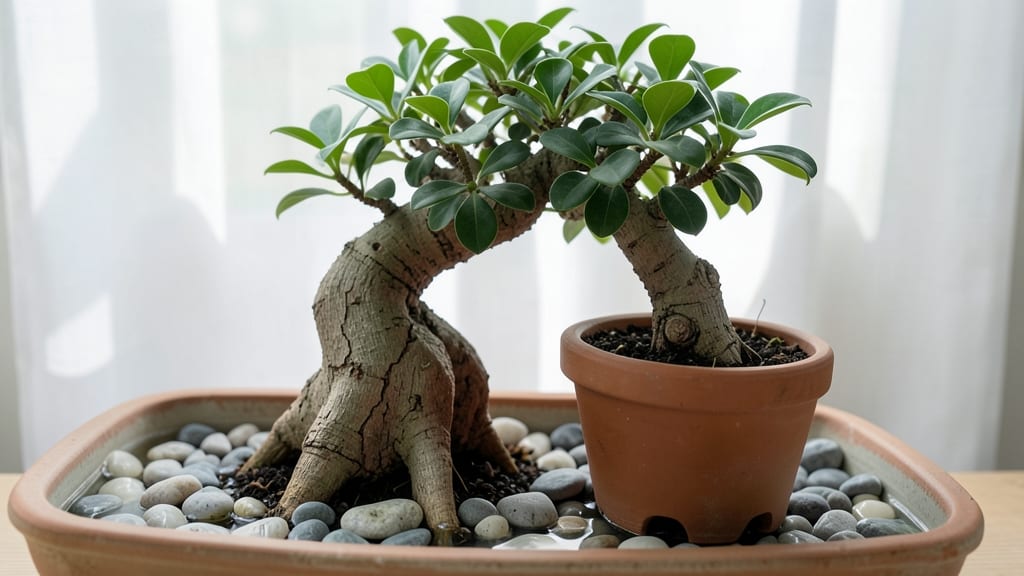
Growing a Japanese indoor tree like a Ficus retusa or Schefflera doesn’t require a sun-drenched windowsill—just the right balance of care. I’ve kept mine thriving in my dimly lit living room for years, and the secret isn’t complicated: it’s about mimicking their natural habitat indoors.
These trees adapt beautifully to lower light, but they still need a few key adjustments to stay lush and healthy.
Their needs are simpler than you’d think: bright, indirect light (not direct sun), well-draining soil, and occasional misting for humidity. Overwatering is the biggest mistake beginners make—let the top inch of soil dry out between waterings.
With the right setup, you’ll see new growth within weeks, and those glossy leaves will stay vibrant all year. The payoff? A tree that feels like a mini forest in your home, without the fuss.
Pruning is where the magic happens—snip back leggy stems in early spring to encourage bushier growth, and you’ll avoid that sad, sparse look. Even in low-light spots, these trees reward patience with sturdy branches and rich foliage.
The best part? They’re forgiving enough that even my first attempt (which I nearly killed) came back stronger. Let’s get yours growing like a pro.
Whether you’re dealing with brown tips from dry air or yellow leaves from overwatering, we’ll troubleshoot together. These trees thrive in apartments, offices, or any space with a little TLC. Ready to turn your indoor corner into a green sanctuary? Let’s make it happen.
📚 In This Guide
- What you need
- Instructions
- Tips and common mistakes
- Wrapping up and next steps
What you need
- ● Japanese indoor tree: Choose a species like Ficus retusa (Ginseng Ficus), Schefflera arboricola (Umbrella Tree), or Dracaena marginata (Dragon Tree). Start with a healthy, 1-2 foot tall plant from a nursery.
- ● Well-draining potting soil: 1 bag (5-10 quarts) of high-quality, airy mix (e.g., cactus/succulent blend or orchid bark mix). Avoid heavy garden soil!
- ● Pot with drainage holes: 1 ceramic or terracotta pot (1-2 sizes larger than the nursery pot). Diameter should match the tree’s height (e.g., 6-8 inches for a 2-foot tree).
- ● Pruning tools: 1 pair of bypass pruners (sharp, clean, and sterilized with rubbing alcohol).
- ● 1 small hand saw (for thicker stems, if needed).
- ○ Rooting hormone (optional but helpful): 1 small tube or powder to encourage healthy regrowth after pruning.
- ● Spray bottle: For misting leaves (especially for humidity-loving varieties like Schefflera).
- ● Houseplant fertilizer: 1 balanced liquid fertilizer (e.g., 10-10-10 or 20-20-20). Dilute to half-strength for feeding.
- ● Grow lights: 1-2 LED grow bulbs (full-spectrum, 6000K-6500K) for supplementing low-light areas.
- ● Peat moss or perlite: To amend soil for better aeration (mix 10-20% into your potting soil).
- ● Humidity tray: A shallow tray with pebbles and water to boost moisture levels.
- ● Pruning sealant: To coat cut stems and prevent sap loss (e.g., tree wound pruning paste).
- ● Plant supports: 1-2 small stakes or a moss pole for tall-growing varieties like Dracaena.
Step-by-Step instructions for cultivating a thriving Japanese indoor tree
Here's how I keep my Japanese indoor trees lush and healthy year-round, even in low-light spaces.
Select the Right Tree Variety for Your Light Conditions
Japanese indoor trees thrive indoors, but not all varieties adapt equally to low light. For bright spaces, Ficus retusa (Ginseng Ficus) or Schefflera arboricola (Umbrella Tree) are excellent choices. If your room gets minimal light, opt for Dracaena marginata (Dragon Tree) or Zamioculcas zamiifolia (ZZ Plant)—both tolerate dimmer conditions beautifully.
Check the plant label or research its mature height—most Japanese indoor trees reach 3-6 feet tall, so consider your ceiling height and space. I always pick a pot that's 2-3 inches wider than the root ball to allow room for growth without overwhelming the space immediately.
Prepare the Soil and Pot for Optimal Growth
Use a well-draining potting mix designed for indoor plants or create your own blend by mixing 2 parts peat moss, 1 part perlite, and 1 part orchid bark. This combination ensures proper aeration and drainage, which prevents root rot—a common issue with Japanese indoor trees.
Choose a pot with drainage holes to allow excess water to escape. If your tree is in a decorative pot without holes, place it inside a cache pot with drainage. Water the tree thoroughly before repotting, then slide it out of its current container and into the new one, filling gaps with fresh soil. Press gently around the edges to secure the plant.
Position Your Tree for Success
Japanese indoor trees prefer bright, indirect light but can adapt to lower light conditions over time. Place your tree near a north- or east-facing window for the best results. If your space is particularly dim, rotate the pot a quarter turn weekly to encourage even growth and prevent the tree from leaning toward the light source.
Watch for signs of insufficient light, such as elongated stems, sparse leaves, or pale foliage. If you notice these, move the tree closer to the light source or supplement with a grow light for 12-14 hours per day. Avoid direct sunlight, which can scorch the leaves and cause brown patches.
Water and Maintain Proper Humidity
Water your Japanese indoor tree when the top inch of soil feels dry to the touch. Stick your finger into the soil to check moisture levels—if it's dry, it's time to water. Overwatering is a common mistake that leads to root rot, so always ensure the pot has drainage and avoid letting the tree sit in standing water.
These trees appreciate higher humidity levels, especially if your home has dry air. Mist the leaves 2-3 times per week or place the pot on a tray filled with pebbles and water to increase humidity around the plant. Wipe the leaves occasionally with a damp cloth to remove dust, which helps the tree absorb more light and stay healthy.
Fertilize and Prune for Long-Term Health
Feed your tree with a balanced, water-soluble fertilizer diluted to half strength every 4-6 weeks during the growing season (spring and summer). Reduce fertilization in fall and winter, as the tree enters a dormant phase. Always water the tree before fertilizing to prevent root burn.
Prune your Japanese indoor tree as needed to maintain its shape and encourage bushier growth. Use clean, sharp pruning shears to trim back leggy stems or remove any yellow or brown leaves. You can also propagate cuttings in water or soil to grow new plants. Prune in early spring to give the tree time to recover before the growing season.
Tips & tricks for perfect Japanese indoor tree cultivation
Here's what nobody tells you about growing lush Japanese indoor trees that'll make all the difference in your low-light space.
Variety Selection Wisdom: When choosing between the four varieties mentioned, consider your space's specific conditions. The Ficus retusa and Schefflera arboricola are more forgiving with occasional neglect, while the Dracaena marginata and ZZ Plant are true survivors in dim corners. I've found that the ZZ Plant can handle nearly any lighting situation—it's my go-to for offices with fluorescent lighting. The key is matching the tree's natural light preferences with your home's actual light conditions.
Soil Mixing Secret: That 2:1:1 peat moss, perlite, and orchid bark ratio is crucial for preventing root rot while maintaining moisture. I always add a handful of activated charcoal to my mix—it helps prevent bacterial growth and keeps the soil fresh longer. If you're using store-bought potting mix, look for one labeled "well-draining" and mix in 20% perlite to improve aeration. The goal is to mimic the airy, slightly gritty soil these trees grow in naturally.
Light Rotation Strategy: The weekly quarter-turn rotation in Step 3 prevents that classic "leggy" growth pattern where trees stretch toward the light source. I've seen dramatic improvements in just a few weeks when I stick to this schedule. For trees in truly dark spaces, consider using a simple LED grow light on a timer for those 12-14 hours per day. Even a basic 6-inch grow bulb can make a noticeable difference in leaf health and color.
Watering Technique: The finger-check method for soil moisture is perfect, but I've learned to pay attention to the pot's weight too. A properly watered pot should feel noticeably lighter when it's time to water again. For the misting routine, I use a spray bottle with room-temperature water in the morning—this mimics natural dew and gives the leaves time to dry before nightfall, reducing fungal risks. During winter heating seasons, I increase my misting to daily to combat dry indoor air.
Pro Tips for Japanese Indoor Tree
- Here's what nobody tells you about growing lush Japanese indoor trees that'll make all the difference in your low-light space.
- Variety Selection Wisdom: When choosing between the four varieties mentioned, consider your space's specific conditions.
- Soil Mixing Secret: That 2:1:1 peat moss, perlite, and orchid bark ratio is crucial for preventing root rot while maintaining moisture.
Frequently asked questions
Got questions about keeping your Japanese indoor tree thriving?
Here are answers to the most common concerns—from sunlight struggles to pruning hacks—so you can enjoy lush greenery year-round without the guesswork.
What’s the easiest Japanese indoor tree for beginners?
Start with a Ficus retusa (Japanese fig) or Schefflera arboricola (umbrella tree)—both are hardy, low-maintenance, and tolerate indoor lighting well. Avoid delicate varieties like Clerodendrum trichotomum (Japanese bluebell) unless you’re ready for extra care.
How often should I prune my Japanese indoor tree?
Prune lightly every 3–6 months to shape growth and encourage fullness. Focus on removing yellowed leaves or leggy stems in spring or early summer (when new growth is active). Use clean, sharp scissors to avoid damaging the plant.
Can I revive a Japanese indoor tree with brown tips?
Brown tips usually mean low humidity or overwatering. Trim the dead tips with sterilized scissors, then adjust care: mist leaves daily, place a pebble tray nearby, or use a humidifier. Avoid soggy soil—let the top inch dry between waterings.
Do Japanese indoor trees need direct sunlight?
Most thrive in bright, indirect light (e.g., near east/west-facing windows). If leaves yellow or stretch (etiolation), rotate the pot weekly for even exposure. For low-light spots, opt for Zamioculcas zamiifolia (ZZ plant)—a tough alternative that mimics Japanese minimalist aesthetics.
How do I propagate my Japanese indoor tree?
Use stem cuttings in spring/summer: Snip a 4–6 inch section just below a leaf node, dip in rooting hormone, and place in moist perlite or water. Keep in warm, bright indirect light; roots form in 4–8 weeks. Popular picks: Schefflera or Ficus varieties.
What’s the best temperature range for these trees?
Keep your tree in 65–75°F (18–24°C) during the day and avoid drafts (like AC vents or cold windows). Most Japanese indoor trees hate sudden temperature drops—keep them away from doors/windows in winter. A heat mat can help if your home runs cool.
Wrapping up and next steps
Bringing a touch of Japan’s serene beauty indoors has never been easier! With the right Japanese indoor tree, you can enjoy lush greenery year-round—even in low-light spaces.
Whether you’re pruning for shape, health, or growth, remember to trim with care, use clean tools, and embrace the process as part of your plant’s journey.
Ready to elevate your space? Start by choosing your favorite variety—like the Ficus retusa or Schefflera arboricola—and give it the love it deserves. Your green oasis awaits! 🌿✨