
Container Gardens
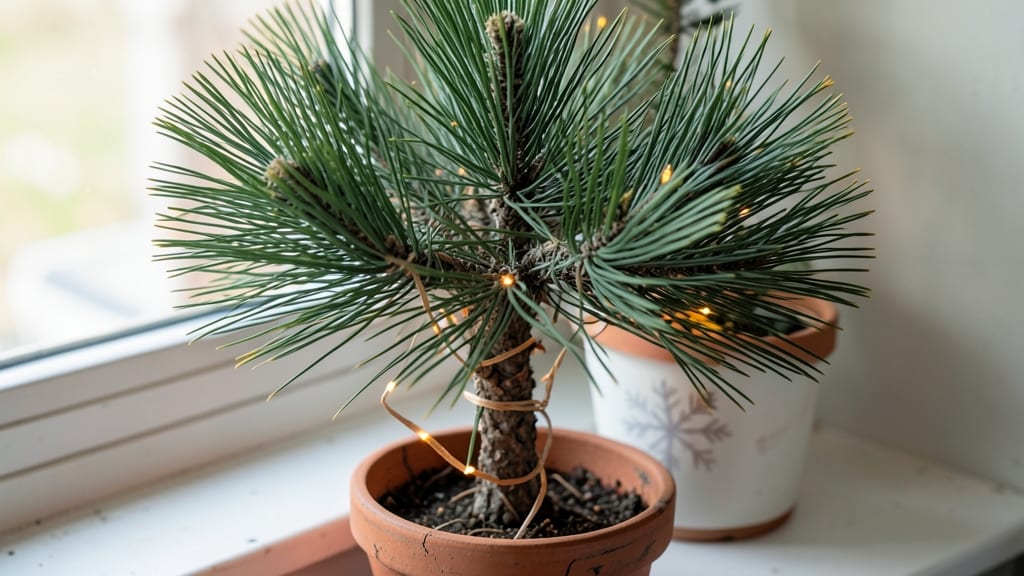
A live potted Christmas tree brings holiday magic year-round without the mess of needles everywhere. 🌲 I’ve kept mine thriving for three winters now, and the secret lies in treating it like a houseplant—not just a seasonal decoration.
The right species, like Fraser fir or Nordmann fir, stays green indoors, but even they need specific care to avoid the dreaded brown needles.
Start with a 5- to 7-gallon container and well-draining soil—these trees hate soggy roots. Place it near a bright window (but no direct sun) and water only when the top inch of soil feels dry.
Overwatering is the #1 killer, so let the soil dry slightly between drinks. A humidifier nearby helps too, since indoor air dries out the needles faster than you’d think.
With the right care, your tree will grow 3-6 inches per year, keeping its shape and staying lush well beyond December. Prune lightly in spring to encourage fullness, and fertilize every 6-8 weeks during growing season.
The payoff? A fragrant, evergreen centerpiece that doubles as a living heirloom—no more sad, discarded trees in January.
If your tree starts drooping, don’t panic—it’s often just thirsty or root-bound. Give it a good drink, then check the roots. If they’re circling the pot, it’s time to repot into a larger container with fresh soil.
With these simple tweaks, your tree will stay vibrant for years, proving that holiday cheer doesn’t have to end after the ball drops.
📚 In This Guide
- What you need
- Instructions
- Tips and common mistakes
- Wrapping up and next steps
What you need
- ● Tree: A container-grown Christmas tree (e.g., Norway spruce, Fraser fir, or Colorado blue spruce) in a pot (5–15 gallon size, depending on tree height).
- ● Container: A durable, drainage-friendly pot (1–2 inches larger in diameter than the tree’s root ball). Materials: clay, plastic, or fiberglass.
- ● Drainage layer: 2–3 inches of gravel, pebbles, or broken pottery (prevents root rot!).
- ● Soil: 1 part high-quality potting mix (lightweight, well-draining).
- ● 1 part peat moss or coconut coir (for moisture retention).
- ○ Optional boost: Mix in orchid bark or perlite (20%) for aeration.
- ● Tools: Trowel or garden spade (for planting).
- ● Watering can with a rose nozzle (gentle watering = happy roots!).
- ● Pruning shears (for shaping and trimming).
- ● Fertilizer: Slow-release balanced fertilizer (10-10-10) or organic options like fish emulsion (apply in early spring).
- ● Mulch: Pine bark or wood chips (keeps soil moist and looks festive!).
- ● Tree supports: Stakes or a tree collar (if your tree is tall or top-heavy).
- ● Decor: Fairy lights, ornaments, or a mini star topper (because why not? 🎄).
Step-by-Step guide to growing a live potted Christmas tree
Here's how to nurture a real Christmas tree that keeps its needles year after year.
🌱 Step 1: Choose the Right Tree Variety for Potted Life
Not all Christmas trees thrive in pots. Opt for dwarf varieties like Norway Spruce or Scots Pine, which handle confinement better than their giant forest cousins. I always pick a 5-gallon container size at the nursery—small enough to manage but with established roots.
Look for a tree with a straight trunk and full, symmetrical branches. Avoid trees with yellow needles or bare spots—they won’t recover well in a pot. The roots should be dense and white, not brown or mushy. If the tree’s been in the ground too long, it’s stressed and may not adapt.
🪴 Step 2: Select and Prepare the Container
Your pot needs drainage holes and should be at least 12 inches deep for a 5-foot tree. I use unglazed terra cotta because it breathes and prevents root rot. Add a 2-inch layer of gravel or broken pottery at the bottom to improve drainage—this keeps water from pooling and suffocating roots.
Fill the pot one-third full with a lightweight potting mix (never garden soil—it compacts too much). Mix in a slow-release fertilizer to give the tree nutrients over time. The soil should be moist but not soggy when you handle it. Press it down gently to remove air pockets.
💧 Step 3: Transplant and Water Thoroughly
Gently remove the tree from its nursery pot and loosen the root ball with your fingers. If the roots are circling tightly, trim them with clean shears to encourage outward growth. Place the tree in the center of your prepared pot and backfill with soil, pressing lightly to secure it.
Water deeply until it drains from the bottom holes. The soil should feel evenly damp 2 inches down. After watering, let it sit for 10-15 minutes to drain excess moisture. Overwatering now will drown the roots before they adjust to their new home.
☀️ Step 4: Position for Light and Care Through the Seasons
Place your tree in a spot with full sun (6+ hours daily)—a south or west-facing window or patio works best. In summer, move it outside for morning sun to avoid scorching. Rotate the pot a quarter turn weekly so the tree grows straight, not leaning toward the light.
Water when the top inch of soil feels dry—usually every 5-7 days in summer, less in winter. Fertilize every 6-8 weeks with a balanced, water-soluble fertilizer during the growing season (spring to fall). In winter, reduce watering and skip fertilizer entirely—your tree is dormant.
✂️ Step 5: Prune and Maintain for Long-Term Health
Prune in late winter or early spring before new growth starts. Remove dead or crossing branches with clean shears, cutting just above a healthy bud. Never prune more than one-third of the tree in a single season—this stresses the plant. Shape lightly to encourage fullness, but avoid heavy trimming.
Check for pests like spider mites or aphids on the undersides of needles. Spray with neem oil if you spot them—it’s gentle but effective. Every 2-3 years, repot into a larger container (just 1-2 sizes up) to give roots room to grow. This keeps your tree thriving for decades.
Tips & tricks for perfect live potted Christmas trees
These simple strategies will help your potted Christmas tree thrive for years to come—no needle drop in sight!
Tree Selection Tip: In Step 1, when choosing your tree, look for a root ball that's at least 3-4 inches in diameter for a 5-foot tree. Larger root balls establish faster in pots. I also check for firm, flexible needles—they should snap back when bent, not break. This tells me the tree is healthy and well-watered, giving it the best chance to adapt to its new home.
Container Prep Strategy: For Step 2, don't skip the gravel layer at the bottom—it's not just for drainage. This layer also creates air pockets that prevent soggy roots. I like to add a handful of perlite or orchid bark to the potting mix too—it improves aeration without changing the soil structure. Just mix it right into that one-third portion of lightweight potting mix we're using.
Watering Wisdom: After that 10-15 minute drainage time in Step 3, here's the thing: you want the water to flow freely for the full duration. If it stops draining after just a few minutes, your pot might be too small or the soil too compacted. This is especially important during the first two weeks after transplanting—consistent moisture helps the tree establish its root system in the new container.
Seasonal Care Hack: In Step 4, when you're rotating your tree weekly, use this as a chance to check the pot's position relative to light sources. If you notice one side getting more sun, rotate it so all sides get equal exposure. This prevents lopsided growth and keeps that beautiful symmetrical shape we all love in Christmas trees. Also, during winter, keep your tree away from heating vents—dry indoor air can make needles crisp and brittle.
Pro Tips for Live Potted Christmas Tree
- These simple strategies will help your potted Christmas tree thrive for years to come—no needle drop in sight!
- Tree Selection Tip: In Step 1, when choosing your tree, look for a root ball that's at least 3-4 inches in diameter for a 5-foot tree.
- Container Prep Strategy: For Step 2, don't skip the gravel layer at the bottom—it's not just for drainage.
Frequently asked questions
Got questions about keeping a live potted Christmas tree year-round? Here are answers to the most common ones—so you can enjoy your festive green beauty without the stress!
How long can a live potted Christmas tree live indoors?
A healthy live potted Christmas tree can thrive indoors for months, even through the holidays! With proper care—like bright, indirect light, consistent watering, and occasional pruning—many trees live 5–10 years or longer. Just avoid drafts or direct heat sources (like fireplaces) to keep it happy.
Can I keep my live tree outside after the holidays?
Most live potted Christmas trees (like Nordmann firs or Fraser firs) are hardy outdoors in USDA Zones 3–7. Acclimate it gradually by moving it to a shaded spot outside for a few hours a day before fully transitioning. In colder climates, mulch the pot and wrap it in burlap for winter protection.
Why are the needles turning brown or falling off?
Brown needles or shedding usually mean stress—common causes include:
- Underwatering: Stick your finger in the soil; if it’s dry 1–2 inches down, water thoroughly.
- Overwatering: Yellow needles or soggy soil? Let it dry out slightly between waterings.
- Low humidity: Mist the tree or place it on a tray with pebbles and water.
- Heat stress: Keep it away from vents or sunny windows.
What’s the best way to decorate a live tree without damaging it?
Skip the heavy ornaments, hooks, or lights that can puncture the bark. Instead, opt for:
- Lightweight, cloth or felt ornaments (attach with twist ties or ribbon).
- Skip tinsel—it can strangle branches.
- Use battery-operated LED lights (cool to the touch) instead of warm bulbs.
- Hang decorations on upper branches to avoid breaking lower limbs.
Can I grow a live Christmas tree from seed?
Technically yes, but it’s a slow process! Most Christmas trees (like firs or pines) are grown from cuttings or grafts for consistency. If you’re patient, collect seeds from cones (let them dry fully first), sow in fall, and keep seedlings in a cold frame for 2–3 years before transplanting. For faster results, buy a 1–2 year old potted sapling from a nursery.
Wrapping up and next steps
A live potted Christmas tree isn’t just a festive centerpiece—it’s a year-round gift that brings joy, sustainability, and natural beauty to your home.
Whether you’re drawn to the convenience of a pre-potted tree or the satisfaction of nurturing one yourself, these trees offer the perfect blend of holiday charm and long-term greenery. With the right care, your tree can thrive for decades, becoming a cherished family heirloom.
Ready to bring home your own? Start by choosing your tree—whether it’s a fragrant balsam fir, a sturdy Scotch pine, or a unique dwarf variety—and give your space a touch of nature that lasts beyond December. 🌲✨