
Pruning
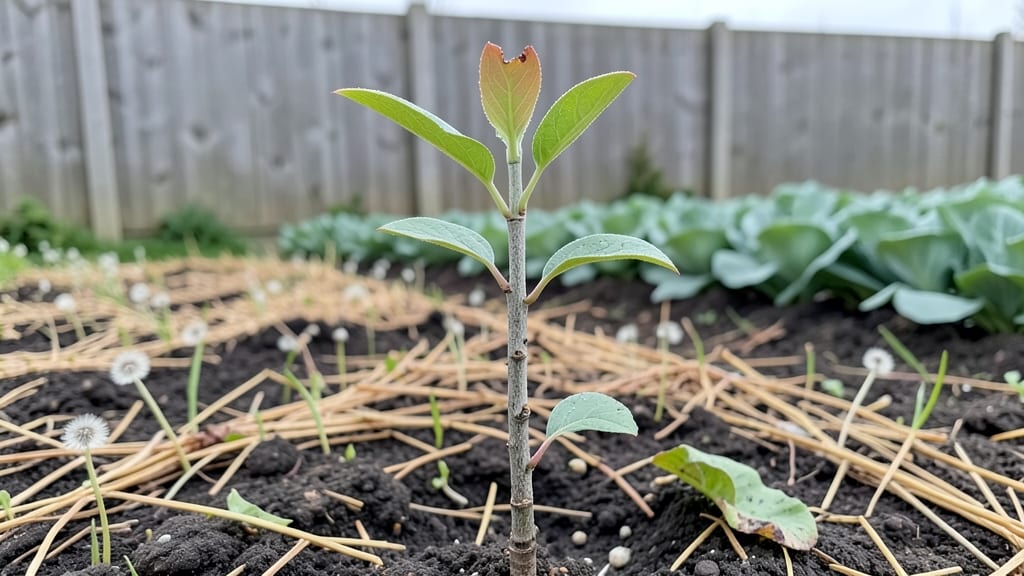
Growing a beech tree seedling from scratch feels like nurturing a tiny forest giant. 🌱 The Pacific Northwest’s damp climate actually works in your favor—these seedlings thrive where others struggle, but they need patience and the right conditions to survive their first few years.
I’ve watched my own seedlings go from fragile saplings to sturdy young trees by following a few key rules about soil, water, and light.
The secret starts with the soil: beech seedlings hate soggy roots but despise drought even more. Mix in 3 inches of compost at planting time to loosen heavy clay, and mulch with 2-3 inches of wood chips to keep moisture steady.
Water deeply once a week in summer, letting the top inch dry between soakings—this mimics the natural forest floor they’d grow in. And yes, they will grow slowly, but that’s part of their charm.
By year three, you’ll see a tree with glossy, dark-green leaves and a sturdy trunk, resistant to the wind and rain that knock down faster growers.
The real magic happens in winter: beech trees stay evergreen (or nearly so) and handle frost like pros, making them the perfect low-maintenance shade tree for PNW yards. Just watch for beech leaf disease—remove infected leaves immediately to protect your investment.
This method works for both American and European beech varieties, though the latter matures slightly faster. The first five years are critical—after that, they’re basically unkillable. Here’s how to get started without losing your seedling to common beginner mistakes.
📚 In This Guide
- What you need
- Instructions
- Tips and common mistakes
- Wrapping up and next steps
What you need
- ● Beech tree seedling (1-2, depending on spacing goals; Fagus sylvatica or native Fagus grandifolia for PNW climates)
- ● Well-draining soil mix (50% native PNW soil + 50% compost or peat moss; avoid clay-heavy soil)
- ● Organic mulch (3–4 inches of wood chips, pine straw, or shredded bark to retain moisture and suppress weeds)
- ● Slow-release fertilizer (balanced 10-10-10 or organic options like fish emulsion; 1 tbsp per seedling)
- ● Watering can or hose with a gentle spray nozzle (for deep, consistent hydration)
- ● Garden trowel or transplanting spade (for digging holes 2–3x wider than the seedling’s root ball)
- ● Gloves (gardening or work gloves to protect hands)
- ● Pruning shears (sterilized; for trimming damaged branches or roots if needed)
- ○ Staking system (optional) (3–4 ft bamboo stakes + soft tree ties if seedling is top-heavy or in windy areas)
- ○ pH testing kit (optional) (ideal soil pH for beech: 6.0–7.0; amend with lime if too acidic)
- ○ Shade cloth (optional) (30–50% coverage to protect seedlings from harsh PNW sun during establishment)
Step-by-Step instructions for planting and nurturing beech tree seedlings
Here's how to give your beech tree seedlings the best start in your Pacific Northwest garden.
🌱 Step 1: Choose the Right Planting Location
Beech trees thrive in partial shade to full sun, but in the Pacific Northwest's cooler climate, morning sun with afternoon shade works best. Avoid low spots where cold air settles—beech seedlings struggle with winter wetness. I always test the spot by checking how long it stays dry after rain; if water pools for more than 24 hours, move to higher ground.
Dig a hole twice as wide as the root ball but only as deep as the container's height. Loosen the sides of the hole with a shovel to encourage root spread. The reason we don't dig deeper is that beech roots are shallow and sensitive to disturbance. Tap the hole gently to settle the soil before planting.
💧 Step 2: Plant and Water Thoroughly
Remove the seedling from its container and gently loosen any circling roots with your fingers—this prevents "pot-bound" shock. Place it in the hole so the top of the root ball sits 1 inch above ground level. Beech trees hate having their trunk buried, which causes rot. Fill the hole with the native soil, pressing lightly to eliminate air pockets but not compacting too firmly.
Water immediately with 5 gallons of water to settle the soil and eliminate air gaps. You'll see the soil sink slightly—this is normal. After watering, add a 2-inch layer of mulch (like wood chips) around the base, keeping it 6 inches away from the trunk. This protects roots from temperature swings and retains moisture without smothering the tree.
☀️ Step 3: Provide Consistent Moisture and Protection
Beech seedlings need deep watering twice weekly during their first growing season, especially in the Pacific Northwest's dry summer months. Water slowly until the soil 6 inches down feels moist—use a trowel to check. Overwatering is just as harmful as underwatering; soggy soil leads to root rot, while dry soil causes wilting that beech trees can't bounce back from.
In winter, add 4-6 inches of mulch around the base to insulate roots from freezing. I always check mulch depth in late fall—if it's less than 3 inches, I top it up. Avoid piling mulch against the trunk; this creates a moist environment that invites disease. Young beech trees are particularly vulnerable to winter burn, so a thick mulch layer is your best defense.
✂️ Step 4: Prune and Monitor Growth
Wait until spring to prune your beech seedling—never cut in fall or winter. Remove only dead, broken, or crossing branches using clean, sharp shears. I make cuts just outside the branch collar (the swollen area where the branch meets the trunk) to encourage fast healing. Avoid heavy pruning; beech trees respond poorly to stress and may produce weak regrowth.
Watch for signs of stress like yellowing leaves or stunted growth. These often indicate overwatering, poor drainage, or pest issues. In the Pacific Northwest, Japanese beetles sometimes target beech trees—if you see skeletonized leaves, handpick adults or use neem oil as a preventative spray. A healthy seedling should show new growth by late spring, with leaves unfolding in a vibrant green color.
Tips & tricks for planting beech tree seedlings in the Pacific Northwest
Here's what I've learned from years of nurturing beech seedlings in our rainy climate—these tricks will help you avoid common pitfalls and give your tree the best possible start.
Site Selection Secret: In Step 1, when testing for water pooling, I go one step further—mark the spot with a stake and return after a week of rain to confirm drainage. Beech seedlings hate soggy feet, and even a slight depression can cause long-term issues. If you're unsure, dig a small test hole, fill it with water, and see how quickly it drains. Anything slower than 24 hours means relocate!
Root Care Technique: After loosening circling roots in Step 2, I make a small vertical cut (about 1/4 inch deep) along the bottom of the root ball with a clean knife. This encourages roots to grow outward rather than circling—something I learned after watching several seedlings struggle with pot-bound roots. Just be gentle to avoid damaging the main roots.
Mulching Strategy: For winter protection in Step 3, I use a mix of wood chips and straw for the 4-6 inch layer. The straw adds extra insulation while breaking down slowly, while the wood chips help regulate soil temperature. And here's a pro move: I create a small "mulch volcano" around the base, sloping away from the trunk to direct water runoff. This prevents rot while keeping roots cozy.
Watering Wisdom: When checking soil moisture in Step 3, I use a soil moisture meter instead of guessing. The 6-inch depth guideline is perfect, but our Pacific Northwest summers can be deceptive—what feels dry on top might still be damp below. I water slowly until the meter reads consistently moist. Overwatering is just as deadly as underwatering for beech seedlings!
Pro Tips for Beech Tree Seedling
- Here's what I've learned from years of nurturing beech seedlings in our rainy climate—these tricks will help you avoid common pitfalls and give your tree the best possible start.
- Site Selection Secret: In Step 1, when testing for water pooling, I go one step further—mark the spot with a stake and return after a week of rain to confirm drainage.
- Root Care Technique: After loosening circling roots in Step 2, I make a small vertical cut (about 1/4 inch deep) along the bottom of the root ball with a clean knife.
Frequently asked questions
Got questions about growing beech tree seedlings in the Pacific Northwest? You’re not alone! Here are answers to the most common concerns—from timing to troubleshooting—so you can nurture your seedlings like a pro.
When is the best time to plant a beech tree seedling in the PNW?
The ideal window is early spring (March–April) or early fall (September–October). Planting in spring lets roots establish before summer heat, while fall planting avoids drought stress. Avoid planting in late fall—seedlings may not harden off before winter. Pro tip: If planting in summer, water deeply 2–3 times weekly to prevent shock.
How cold-hardy are beech tree seedlings, and how do I protect them in PNW winters?
Beech seedlings (especially Fagus sylvatica) tolerate zones 4–8, but young trees need extra care. Mulch heavily (3–4 inches) with wood chips or straw to insulate roots. Wrap the trunk with tree guard to prevent rodent damage. In extreme winds, stake seedlings for stability. Fun fact: Beech leaves often stay green into winter—don’t prune until late winter/early spring!
What’s the fastest way to tell if my beech seedling is healthy?
Healthy seedlings have:
- Vibrant green leaves (no yellowing or browning).
- Firm, moist soil (not soggy or bone-dry).
- New growth in spring (2–3 inches of fresh leaves).
- No wilting even after watering.
Can I grow a beech tree from seed instead of buying a seedling?
Yes, but it’s slow (3–5 years to maturity) and less reliable. Beech seeds need stratification (cold treatment) for 6–12 months to germinate. Buy seedlings from a reputable PNW nursery (e.g., Fagus grandifolia for native varieties) for faster, hardier results. Pro tip: If sowing seeds, plant them 1/4 inch deep in moist soil and keep them cool.
Why are my beech seedling’s leaves curling or spotted?
Curling or spots usually signal pests or disease. Common culprits:
- Spider mites (tiny webs on undersides of leaves).
- Beech leaf disease (fungal; causes dark spots and curling).
- Overwatering (yellow spots = root rot risk).
Wrapping up and next steps
Growing a beech tree seedling in the Pacific Northwest is a rewarding journey—one that combines patience, care, and a deep connection to nature. 🌱 By following the right steps, from selecting the perfect site to mastering pruning techniques, you’re not just nurturing a tree; you’re shaping a future canopy for generations. Now’s your chance to take action! Start small, monitor your seedling’s progress, and watch it thrive into a majestic, cold-hardy beauty.
Ready to dive in? Grab your tools, roll up your sleeves, and give your beech tree seedling the love it deserves—your garden (and future shade!) will thank you. 🌿