
Pruning
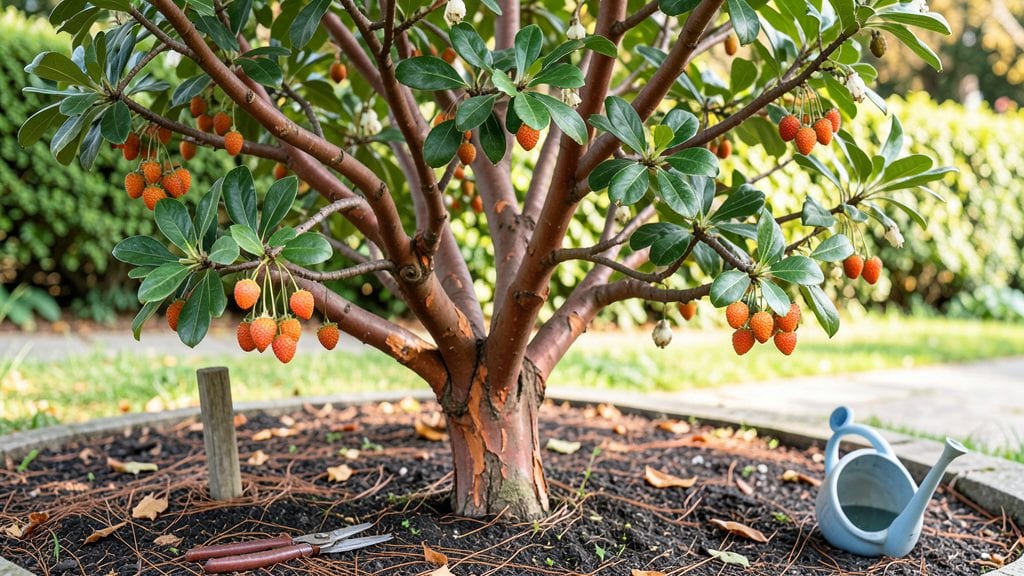
The Irish strawberry tree thrives in Pacific Northwest gardens where winter chill defines its character—its waxy leaves and peeling bark are nature’s built-in frost armor. 🌿 I’ve watched mine stand tall through snow-laden winters, only to burst into white blossoms by spring, proving it’s one of the toughest small trees for our climate.
This isn’t just an ornamental; its red berries taste like a cross between strawberry and apple, and birds adore them too.
Plant it where morning sun warms its roots but afternoon shade protects leaves from scorching—think dappled light under mature pines or along a north-facing fence. The soil needs good drainage, or those roots will rot; amend heavy clay with compost or gritty sand.
Water deeply once established, but never let it sit soggy—this tree’s Mediterranean roots hate wet feet.
Pruning is where the magic happens: shape it in late winter to encourage dense growth, and thin out crossing branches to let light and air circulate. You’ll reward yourself with a tree that stays compact yet sturdy, its peeling bark adding texture year-round.
The first harvestable fruit appears in its third year, but the show starts much earlier with those delicate white flowers.
Watch for scale insects on young shoots and spider mites in dry summers—neem oil or a strong spray of water usually clears them up. With proper care, your Irish strawberry tree will outlive you, its berries ripening later in the season when most fruit is long gone.
Here’s how to keep it thriving through every PNW season.
📚 In This Guide
- What you need
- Instructions
- Tips and common mistakes
- Wrapping up and next steps
What you need
- ● Pruning shears: Bypass pruners (sharp, clean, and sterilized to prevent disease). Example: Felco F-2 or Corona bypass pruners.
- ● Loppers: For thicker branches (up to 1.5 inches in diameter). Example: Fiskars X27 power grip loppers.
- ● Pruning saw: For branches over 1.5 inches. Example: Bahco ERGO pruning saw.
- ● Gloves: Heavy-duty gardening gloves (cut-resistant, like Felco or Workrite for protection).
- ● Disinfectant: 70% isopropyl alcohol or a pruning sealant (e.g., Tanglefoot Tree Wound Pruning Sealer).
- ○ Marking twine or flags: To tag branches for removal (optional but helpful for large trees).
- ● Wheelbarrow or bucket: For collecting pruned branches and debris.
- ● Water source: Hose or watering can for post-pruning hydration.
- ● Pruning paint: For sealing larger cuts (e.g., Dynamat Pruning Paint).
- ● Ladder or step stool: For reaching higher branches safely.
- ● Tree growth regulator: Like Seaweed extract or fish emulsion to boost recovery.
- ● Mulch: Organic mulch (e.g., wood chips) to retain moisture and protect roots.
Step-by-step guide to pruning your Irish strawberry tree in the Pacific Northwest
Here's the method I've used for years to keep my Irish strawberry tree thriving through our rainy winters and mild summers.
✂️ Step 1: Prune After Flowering in Early Summer
Wait until after all flowers have faded—usually around mid-June in the PNW—to begin your first pruning. This timing ensures you don’t cut off next year’s blooms. I like to prune on a dry, sunny morning when the plant is actively growing. Remove any dead, damaged, or crossing branches first using clean, sharp pruners. Make cuts just above a leaf node or outward-facing bud to encourage healthy growth.
Look for branches that grow inward or rub against others—these compete for sunlight and nutrients. Cut these back to the main stem or a strong side branch. You'll notice new growth starting within 2-3 weeks as the tree responds to the pruning. This is your signal that the tree is healing well and ready for more shaping.
✂️ Step 2: Light Summer Pruning for Airflow
About 6-8 weeks after the first pruning, do a lighter maintenance pass to improve airflow. Thin out any dense foliage that might trap moisture, which can lead to fungal issues in our damp climate. I focus on removing about 10-20% of the total foliage, prioritizing branches that are growing too close together or blocking sunlight from reaching the center of the tree.
This step is all about balance. You'll see the tree's structure become more open and inviting, which helps prevent pests and diseases. Avoid cutting more than ⅓ of the tree's foliage at once—this can stress the plant and reduce flowering. If you're unsure, err on the side of leaving more foliage than you think you need.
⏰ Step 3: Winter Pruning to Prepare for Frost
In late winter, just before new growth begins (around February or early March), do a final pruning to shape the tree and remove any dead or weak wood. The PNW's mild winters mean the Irish strawberry tree stays semi-dormant, so this is the perfect time to tidy up without risking frost damage. Cut back any branches that died over the winter—they’ll be easy to spot as they’re brown and brittle compared to the green, flexible new growth.
This is also when I do any major shaping to encourage a fuller tree. Make sure to step back occasionally and look at the tree as a whole—you want it to have a balanced, natural shape. Avoid heavy pruning in winter, as the tree is still recovering from the previous growing season. A light trim now will set it up for strong spring growth.
🌱 Step 4: Post-Pruning Care for Strong Recovery
After pruning, give your Irish strawberry tree a boost by applying a balanced, slow-release fertilizer in early spring. Water deeply to help the tree recover from any stress caused by pruning. In the PNW, where soil can stay damp for long periods, I avoid overwatering—just keep the soil evenly moist but never soggy. You'll see new leaves emerge within 3-4 weeks, signaling that the tree is thriving.
Keep an eye out for any signs of stress, like yellowing leaves or wilting branches. If you notice these, it might mean you pruned too aggressively or the tree needs more nutrients. A light application of organic mulch around the base of the tree helps retain moisture and protect roots from temperature swings, which is especially helpful in our unpredictable PNW weather.
Tips & tricks for pruning your Irish strawberry tree
A few smart strategies will help you master pruning your Irish strawberry tree—especially in our unpredictable PNW climate.
Timing is Everything: The 2-3 week window after pruning in Step 1 is your best indicator of success. If you don't see fresh growth emerging within this time, you may have pruned too aggressively. Look for tiny green buds along the branches—they're your sign that the tree is healing properly. In our damp summers, this growth phase is even more critical for preventing fungal issues.
Tool Prep Makes All the Difference: Before you start pruning, clean your pruners with rubbing alcohol to prevent spreading disease between cuts. I also like to sharpen them with a file—dull blades crush stems instead of making clean cuts, which stresses the tree. For larger branches, use loppers with bypass pruners to avoid tearing the bark. This level of preparation might seem excessive, but it pays off in healthier growth.
PNW-Specific Airflow Strategy: In Step 2, when thinning foliage for airflow, focus on the lower branches first. Our rainy summers create ideal conditions for fungal growth in dense areas, so prioritize removing branches that would trap moisture. You'll know you've done enough when you can see light filtering through the center of the tree—this open structure is key to preventing those pesky Pacific Northwest fungal problems.
Winter Pruning Insight: The February-March window in Step 3 is perfect for our mild PNW winters. If you notice any branches that look like they've suffered frost damage (they'll be brown and brittle), cut them back to healthy green wood. This is also when I do my major shaping—step back every few cuts to maintain that natural, balanced silhouette that Irish strawberry trees are known for.
Pro Tips for Irish Strawberry Tree
- A few smart strategies will help you master pruning your Irish strawberry tree—especially in our unpredictable PNW climate.
- Timing is Everything: The 2-3 week window after pruning in Step 1 is your best indicator of success.
- Tool Prep Makes All the Difference: Before you start pruning, clean your pruners with rubbing alcohol to prevent spreading disease between cuts.
Frequently asked questions
Got questions about growing and caring for your Irish strawberry tree (Arbutus unedo)? Here are some of the most common ones—plus practical tips to keep your tree thriving in the Pacific Northwest’s climate.
How cold-hardy is the Irish strawberry tree?
The Irish strawberry tree is surprisingly resilient, handling USDA zones 7–9. In the Pacific Northwest, it can tolerate brief dips to 10°F (-12°C), but young trees may need winter protection (like burlap wraps) in their first few years. Mulch heavily in late fall to shield roots from frost.
When should I prune my Irish strawberry tree?
Prune late winter to early spring (February–March) before new growth starts. This removes dead, crossing, or weak branches while avoiding the Arbutus’s late-winter flowering period. Never prune in fall—it can stimulate tender growth that won’t survive PNW winters!
Why isn’t my Irish strawberry tree producing fruit?
Patience is key—these trees can take 3–5 years to bear fruit! Ensure it gets full sun (6+ hours/day) and well-draining soil. Over-fertilizing (especially nitrogen) can delay fruiting. Male and female flowers are often on separate plants, so check if you need a second tree for pollination.
How do I protect it from Pacific Northwest rain?
While the tree tolerates moisture, waterlogged soil causes root rot. Plant on a slope or raised bed to improve drainage. Avoid overhead watering—use drip irrigation or soaker hoses. Mulch with wood chips to retain moisture without suffocating roots.
Can I shape it like a topiary?
The Irish strawberry tree responds well to light pruning for shape. Use clean, sharp shears to trim back 1/3 of new growth in spring. For formal topiary, prune twice a year (spring and summer) but avoid heavy cuts—this tree prefers a natural, slightly wild look.
Wrapping up and next steps
The Irish strawberry tree is a resilient, frost-hardy gem perfect for Pacific Northwest gardens—packed with fragrant blooms and edible fruit! 🌿 With the right pruning calendar and care, you’ll enjoy its beauty and bounty for years.
Whether you’re a beginner or seasoned gardener, this tree rewards patience with stunning foliage and low-maintenance charm.
Ready to transform your garden? Start by marking your 2025 pruning dates on your calendar, then share your progress with fellow PNW gardeners. Happy growing—your Irish strawberry tree is waiting for you! 🌱✨