Pruning
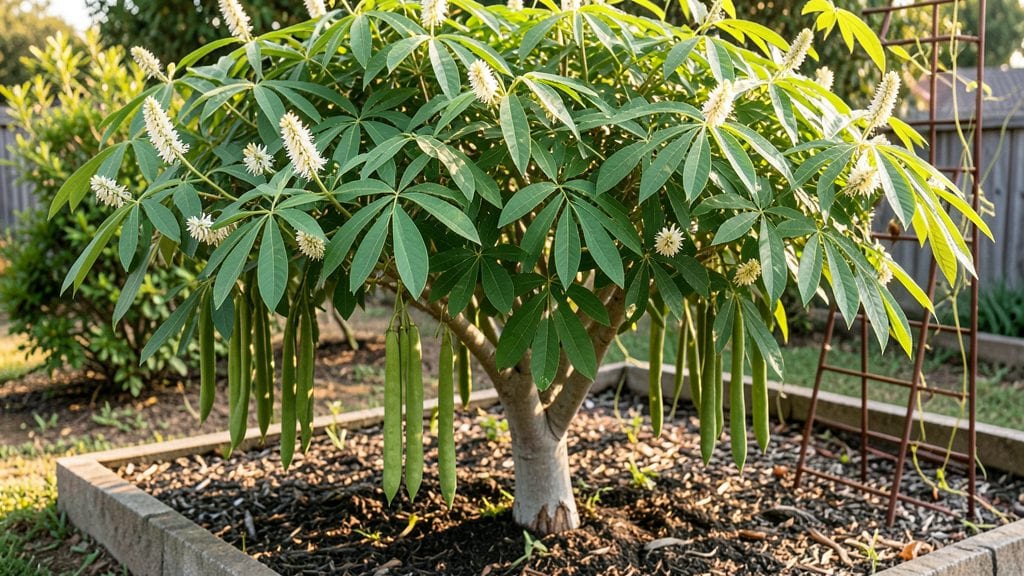
Growing an inga ice cream bean tree in the Pacific Northwest means adding a tropical touch that thrives with minimal fuss—just the right spot and a little patience. 🌿 I planted mine last spring, and within months, it became a buzzing hub for bees and butterflies while producing sweet, edible pods that taste like vanilla custard.
The tree’s glossy leaves and fragrant flowers make it a standout even when it’s not fruiting.
This tree loves partial shade to full sun and handles the Pacific Northwest’s mild winters better than most tropical plants. Well-draining, slightly acidic soil is key—think of it as a cross between a shrub and a small tree, so give it 6-8 feet of space to spread.
Watering is simple: keep the soil consistently moist but never soggy, especially during the first year while roots establish.
Pruning is where the magic happens—lightly shape it in early spring to encourage dense growth and remove any dead or crossing branches. The real reward? Those pink vanilla-scented flowers followed by pods packed with sweet, creamy pulp that’s perfect for desserts or snacking straight from the tree.
Even the bark has character, with a textured, almost sculptural quality that adds year-round interest.
Watch for aphids or scale insects, which can stress the tree, but a strong plant usually shrugs them off. If you’re in a cooler microclimate, a winter mulch helps protect the roots. Once established, this tree is nearly self-sufficient—just sit back and enjoy the show it brings to your garden.
📚 In This Guide
- What you need
- Instructions
- Tips and common mistakes
- Wrapping up and next steps
What you need
- ● Inga Ice Cream Bean Seeds or Saplings: Seeds: 5–10 (for better germination success)
- ● Saplings: 1–2 (for faster growth, 3–5 ft tall preferred)
- ● Well-Draining Soil Mix: 50% native soil (or potting mix for containers)
- ● 30% compost (organic matter for nutrients)
- ● 20% perlite or sand (for aeration)
- ● Container or Planting Site: For containers: 15–20 gallon pot with drainage holes (if growing indoors or in cooler climates)
- ● For outdoor planting: Sunny to partially shaded spot with 15+ ft of vertical space (trees can reach 30–50 ft!)
- ● Mulch: 2–3 inches of wood chips or straw (to retain moisture and suppress weeds)
- ● Watering Can or Hose: With a gentle spray nozzle (to avoid disturbing young seedlings)
- ● Pruning Shears: Sharp, bypass-style shears (for small branches, <1 inch thick)
- ● Loppers: 1 pair (for branches 1–3 inches thick)
- ● Pruning Saw: 1 (for thicker branches, 3+ inches)
- ○ Hand Pruners (optional): For precision trimming of small growth
- ● Gloves: Heavy-duty work gloves (to protect from thorns and sap)
- ● Disinfectant (70% isopropyl alcohol or bleach solution): To clean tools between cuts (prevents disease)
- ○ Tree Wrap or Pruning Sealant (optional): For larger cuts to prevent sap loss or pest entry
- ● Climate Suitability: USDA Zones 9–11 (or container-grown in cooler zones with winter protection)
- ● Time of Year: Planting: Early spring or fall (avoid frost)
- ● Pruning: Late winter/early spring (before new growth)
- ● Pollinator-Friendly Location: Nearby flowers or native plants to attract bees and butterflies
- ● Patience: Trees take 3–5 years to produce edible pods (but they’re worth the wait!)
How to plant and care for an Inga ice cream bean tree
This fast-growing, drought-resistant tree thrives in the Pacific Northwest's climate.
🌱 Step 1: Choose the Right Location for Planting
Pick a spot that gets at least 6 hours of sunlight daily, though this tree tolerates partial shade better than many others. The Pacific Northwest's mild summers make it ideal—just avoid frost pockets where temperatures dip below 20°F. I always check the microclimate first: if your yard has a hot, dry microclimate, plant near a water source or in dappled shade to prevent stress.
Dig a hole twice as wide as the root ball but no deeper. The tree's roots spread wide but not deep, so avoid compacting the soil at the bottom. Loosen the native soil around the edges with a shovel—this helps roots establish faster in our region's often dense soil. If your soil drains poorly, add a 2-inch layer of coarse sand or gravel at the bottom of the hole.
🪴 Step 2: Plant the Tree Properly for Long-Term Health
Gently remove the tree from its container and tease the roots outward if they're circling. Place it in the hole so the top of the root ball sits 1 inch above ground level—this prevents rot in our wet winters. Fill the hole with the native soil you removed, tamping lightly every 2 inches to eliminate air pockets without compacting.
Water deeply right after planting to settle the soil around the roots. You'll know it's right when water runs out the drainage holes but doesn't pool on the surface. Mulch with 3-4 inches of wood chips (avoid fresh wood chips—they can steal nitrogen) in a 3-foot-wide circle around the base. Keep mulch 6 inches away from the trunk to prevent rot.
☀️ Step 3: Water and Fertilize for First-Year Establishment
Water once a week for the first month, then taper to every 10-14 days unless we get 1 inch of rain. The Inga tree's deep roots make it drought-tolerant once established, but young trees need consistent moisture. I check soil moisture by pushing a finger 2 inches deep—if it feels dry, water slowly until moisture reaches 6 inches down.
Skip fertilizer the first year unless your soil test shows deficiencies. In the Pacific Northwest, most native soils are nitrogen-rich, and over-fertilizing can harm this sensitive tree. If you do fertilize, use a balanced 10-10-10 formula in early spring—never more than ¼ pound per tree. The real magic happens naturally: this tree fixes nitrogen in the soil, improving conditions for surrounding plants.
✂️ Step 4: Prune and Maintain for Pollinator Benefits
Prune in late winter or early spring before new growth begins. Remove any dead, diseased, or crossing branches first—this keeps the tree open for pollinators. The Inga tree's unique seed pods are a magnet for bees, hummingbirds, and butterflies, so avoid heavy pruning that closes the canopy. I typically remove no more than 25% of the foliage in any one year.
Watch for signs of stress: yellowing leaves often mean overwatering, while crispy edges signal underwatering. This tree rarely gets pests, but if you see aphids, spray with water or introduce ladybugs—they're natural predators. The real reward comes in summer when the tree blooms with fragrant white flowers and produces edible seed pods (yes, you can make ice cream from them!).
Tips & tricks for perfect Inga ice cream bean tree planting
Here's what I've learned from years of growing these beauties in the Pacific Northwest—tricks that make all the difference for long-term success.
Location Intelligence: That "at least 6 hours of sunlight" guideline is non-negotiable, but here's the secret: In our region, morning sun is more important than afternoon. Position your tree to catch those gentle morning rays while protecting it from hot afternoon sun if your yard gets particularly intense heat. I've seen trees in full sun thrive, but those in hot microclimates with afternoon sun often get stressed. A little afternoon shade can make a big difference in our summers.
Root Ball Prep: Before planting, soak the root ball for 10-15 minutes to help roots establish faster. This is especially important in our dense Pacific Northwest soil. After planting, I like to add a handful of mycorrhizal fungi to the backfill soil—it helps roots spread wider and faster. You can find this at garden centers labeled for native plants. This little extra step makes a noticeable difference in how quickly your tree establishes.
Mulching Mastery: That 3-4 inches of wood chips isn't just decoration—it's your tree's moisture insurance policy. In our wet winters, proper mulching prevents rot by keeping the trunk dry while maintaining consistent soil moisture. I always add a 6-inch mulch-free zone around the trunk to prevent stem rot, which is particularly important during our damp winters. Plus, the wood chips break down slowly, adding organic matter to the soil over time.
Watering Wisdom: The "finger test" for soil moisture is gold, but here's a pro tip: Water deeply until you see moisture reach 6 inches down, then let the top 2 inches dry out before watering again. In our region, this usually means watering every 5-7 days in summer, but always check that finger test. Overwatering is the #1 killer of young Inga trees—our wet climate makes this especially tricky. The tree's deep roots will thank you for this patience.
Pro Tips for Inga Ice Cream Bean Tree
- Here's what I've learned from years of growing these beauties in the Pacific Northwest—tricks that make all the difference for long-term success.
- Location Intelligence: That "at least 6 hours of sunlight" guideline is non-negotiable, but here's the secret: In our region, morning sun is more important than afternoon.
- Root Ball Prep: Before planting, soak the root ball for 10-15 minutes to help roots establish faster.
Frequently asked questions
Got questions about growing, maintaining, or enjoying your Inga ice cream bean tree? You’re not alone! Here are answers to the most common queries from gardeners and pollinator enthusiasts in the Pacific Northwest.
How fast does the Inga ice cream bean tree grow?
The Inga ice cream bean tree is a fast grower—expect 3 to 6 feet of growth per year under ideal conditions (full sun, well-draining soil, and regular watering). In the PNW’s mild climate, it can reach 20–30 feet tall within a decade! Prune strategically to shape it early and encourage thicker canopies for better pollinator access.
When is the best time to prune for ice cream beans?
Prune your Inga tree late winter or early spring (before new growth starts) to avoid disrupting its flowering cycle. Focus on removing dead, crossing, or overcrowded branches—this boosts air circulation and bean production. Never prune in fall, as it can stimulate tender growth vulnerable to frost.
Can I eat the beans raw, or do they need cooking?
The beans inside the Inga pod are edible but not sweet like ice cream (despite the name!). They’re best cooked—boiled, roasted, or ground into flour for a nutty flavor. Raw beans can be toxic if unripe, so wait until pods turn brown and split open naturally. Always taste-test in small amounts first!
Why aren’t my Inga beans attracting bees or hummingbirds?
If pollinators are scarce, check these fixes:
- Timing: Bees love Inga flowers in spring/summer; hummingbirds visit year-round in the PNW.
- Location: Plant near sunny, sheltered spots (away from wind or dense shade).
- Water: Drought stress reduces nectar—keep soil moist but not soggy.
- Alternatives: Pair with native pollinator plants like ceanothus or salal for a buffet effect!
How cold-hardy is the Inga ice cream bean tree?
The Inga tree thrives in USDA Zones 9–11 but can survive brief dips to 20°F (-7°C) with protection. In the PNW (Zones 7–9), mulch heavily and wrap the trunk in burlap for winter. If temperatures drop below 15°F (-9°C), expect leaf damage—but the tree often regrows robustly in spring.
What’s a good alternative if I can’t grow Inga in my climate?
If your zone is too chilly, try these pollinator-friendly, edible alternatives:
- Honeyberry (Lonicera caerulea) – Cold-hardy (Zone 2) with berries and spring blooms.
- Pacific Wax Myrtle (Morella californica) – Native, drought-tolerant, and bee-loved.
- Chokecherry (Prunus virginiana) – Hardy (Zone 2–6) and produces edible fruit.
Wrapping up and next steps
The Inga ice cream bean tree isn’t just a pollinator powerhouse—it’s a low-maintenance, high-reward addition to your Pacific Northwest garden. With minimal pruning needs and a bounty of edible pods, it’s perfect for both eco-conscious gardeners and foodies alike. 🌿✨
Ready to plant your own? Start by sourcing seeds or saplings, then choose the right spot—sunny, sheltered, and well-drained. Once established, enjoy its beauty, benefits, and delicious harvest for years to come!
Next step: Mark your calendar for spring planting and watch your garden (and pollinators) thrive! 🌱🐝