
Pruning
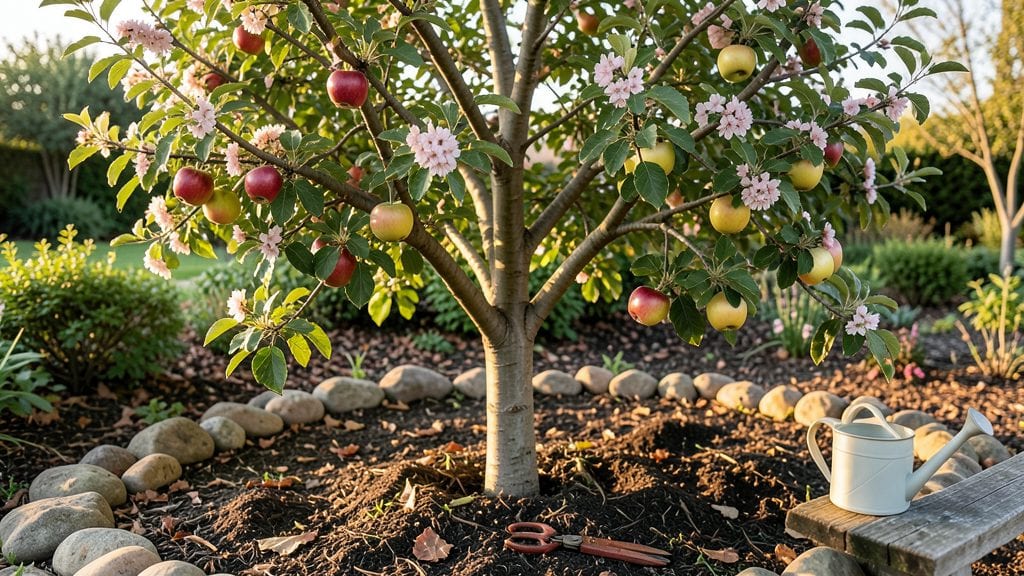
Hybrid apple trees are the game-changer for Pacific Northwest gardeners who’ve given up on growing fruit due to frost and disease. I planted my first hybrid apple tree last spring, and this year’s harvest—juicy, crisp apples that survived our late-May freeze—proved it was worth the wait.
The secret lies in choosing varieties bred for your climate, like the Pacific Rose or Liberty, which resist common apple scab and powdery mildew while thriving in cool, wet summers.
You’ll need well-draining soil, full sun (at least 6 hours daily), and patience—these trees take 3-4 years to bear fruit, but the payoff is apples that taste like orchard-fresh, not store-bought.
My tree required minimal pruning after planting, but I learned the hard way that skipping winter pruning leads to crowded branches and fewer apples. The right tools (a sharp pruner, rubbing alcohol for cuts) make all the difference.
By late summer, you’ll be harvesting apples that stay crisp for weeks, with flavors ranging from sweet-tart to downright candy-like. The best part? These hybrids handle our region’s damp winters better than traditional varieties, so you won’t lose your crop to rot or frost.
Start with a dwarf or semi-dwarf tree if space is tight—they produce just as well in small yards.
Whether you’re a first-time fruit grower or a veteran with failed apple trees, these hybrids deliver reliability without the fuss. The key is matching the variety to your microclimate and giving it consistent care. Ready to grow apples that actually thrive in the PNW? Let’s get started.
📚 In This Guide
- What you need
- Instructions
- Tips and common mistakes
- Wrapping up and next steps
What you need
- ● Hybrid apple tree sapling: Choose a Pacific Northwest frost-resistant variety (e.g., ‘Liberty,’ ‘Enterprise,’ or ‘Crimson Crisp’). Buy from a reputable nursery (1-2 trees recommended for cross-pollination).
- ● Well-draining soil: Test your soil’s pH (ideal: 6.0–6.5). Amend with compost if needed (5–10 lbs per planting hole).
- ● Organic mulch: Wood chips or straw (2–3 inches thick, keep 6 inches away from the trunk).
- ● Fertilizer: Balanced 10-10-10 or organic options like fish emulsion (follow package rates).
- ● Hand pruners: Sharp, bypass-pruners (for small branches).
- ● Loppers: For thicker branches (2–3 inch diameter).
- ○ Pruning saw: Bow saw for large limbs (optional but helpful).
- ● Gloves & safety glasses: Protect your hands and eyes from debris.
- ● Watering can/hose: With a gentle spray nozzle for hydration.
- ○ Staking kit (optional): For young trees in windy areas (2–3 stakes + ties).
- ● Sunlight: Full sun (6–8+ hours/day).
- ● Space: Minimum 15–20 feet between trees (or 25+ feet for dwarf varieties).
- ● Water access: Drip irrigation or consistent watering schedule (1–2 inches/week).
- ● Patience: Hybrid trees take 3–5 years to bear fruit!
How to select and plant frost-resistant hybrid apple trees for the Pacific Northwest
Here's my straightforward approach to choosing and establishing hardy apple trees that thrive in cooler climates.
Choose the Right Variety for Your Climate
Look for Pacific Northwest-specific hybrids like 'Liberty,' 'Enterprise,' or 'Crimson Crisp'—these tolerate 10°F to -15°F without bud damage. Check the USDA hardiness zone map to confirm your area falls within Zones 6-8. I always pick trees labeled "self-pollinating" or plant two compatible varieties together for better fruit set.
Dwarf varieties like 'GoldRush' or 'Urban Apple' save space while still producing full-sized fruit. These grow 8-10 feet tall and fit perfectly in backyards. Avoid standard-sized trees unless you have ample room—they take up 15+ feet and require heavy pruning. Visit a local nursery to see which varieties perform best in your microclimate.
Prepare the Planting Site
Select a spot with full sun exposure (at least 6-8 hours daily) and well-draining soil. Apple trees hate soggy roots, so avoid low-lying areas where water pools. Test your soil's pH—ideal range is 6.0-6.5. I use a simple kit from the garden center to check before planting.
Dig a hole twice as wide as the root ball but no deeper. Loosen the sides of the hole to encourage root spread. Mix the native soil with 2-3 inches of compost at the bottom to improve fertility. If your soil is heavy clay, add a shovelful of sand or perlite to improve drainage. This ensures roots establish quickly in spring.
Plant at the Correct Depth and Stake
Place the tree so the graft union (visible bump near the base) sits 2-3 inches above soil level. This prevents it from being buried too deep, which can cause disease. Fill the hole halfway with soil, then water deeply to settle it. Add more soil until the root ball is covered, leaving a 1-inch lip around the edges to hold water.
Stake the tree only if needed—young trees in windy areas benefit from support. Use two stakes placed 12-18 inches from the trunk and tie with soft fabric strips, not wire. Water thoroughly after planting to eliminate air pockets. Mulch with 3 inches of wood chips in a 3-foot diameter circle, keeping it 6 inches away from the trunk to prevent rot.
Water and Fertilize for Strong Establishment
Water deeply twice weekly for the first month, then taper to once weekly unless rainfall exceeds 1 inch. Overwatering suffocates roots, so check soil moisture by sticking your finger 2 inches deep—water when dry. Young trees need consistent moisture to develop strong root systems before winter.
Apply a balanced fertilizer (10-10-10) in early spring and again in late summer, following package rates. Avoid high-nitrogen fertilizers—they promote leafy growth at the expense of fruit. I also add 1 cup of bone meal around the drip line in spring to boost phosphorus for root and flower development.
Prune for Shape and Airflow
Prune in late winter or early spring before buds swell, removing dead, crossing, or inward-growing branches. Use clean, sharp pruners to make cuts just outside the branch collar. Aim to create an open center so sunlight reaches the center of the tree and reduces disease risk.
Thin out too-dense growth to improve airflow—apple trees need circulation to dry quickly after rain. Limit pruning to no more than 25% of the canopy in any one year. I mark branches to remove with white paint the previous summer, so I know exactly which to cut in winter. This prevents over-pruning and maintains tree health.
Tips & tricks for perfect hybrid apple tree planting
Planting a frost-resistant apple tree that thrives in the Pacific Northwest takes a few key tricks to ensure long-term success.
Variety Selection Tip: When choosing between 'Liberty', 'Enterprise', or 'Crimson Crisp' in Step 1, pay attention to the fruit characteristics each offers. 'Liberty' produces crisp, tart apples perfect for baking, while 'Enterprise' yields sweeter eating apples. If you're planting two varieties for cross-pollination, space them at least 50 feet apart to prevent cross-contamination of pollen, which can affect fruit quality. I recommend planting both trees within 25-30 feet of each other for optimal pollination without overcrowding.
Soil Preparation Strategy: In Step 2, when preparing your planting site, consider adding a layer of 1 inch of coarse sand mixed into the bottom of the hole if your soil is particularly dense. This creates a drainage channel that prevents waterlogging, which is especially critical in the Pacific Northwest's rainy climate. I also recommend adding a handful of mycorrhizal fungi to the planting hole—these beneficial soil organisms help roots absorb nutrients more efficiently, giving your tree a stronger start.
Planting Depth Check: The 2-3 inches above soil level guideline for the graft union in Step 3 is crucial for preventing disease. If you're unsure about the exact depth, use a ruler to measure from the base of the graft union to the top of the root ball, then adjust accordingly. I've seen many gardeners mistakenly bury the graft union too deep, which can lead to root rot or poor fruit production. After planting, gently press the soil around the base to eliminate air pockets that could dry out the roots.
Watering Wisdom: During the first month after planting, the twice-weekly watering schedule in Step 4 should be done in the morning to allow foliage to dry quickly, reducing the risk of fungal diseases common in our damp climate. I also recommend using a drip irrigation system or soaker hose for the first year—this delivers water directly to the root zone without wetting the leaves. After the initial month, monitor rainfall carefully; if you get more than 1 inch of rain in a week, you can skip your scheduled watering.
Pro Tips for Hybrid Apple Tree
- Planting a frost-resistant apple tree that thrives in the Pacific Northwest takes a few key tricks to ensure long-term success.
- Variety Selection Tip: When choosing between 'Liberty', 'Enterprise', or 'Crimson Crisp' in Step 1, pay attention to the fruit characteristics each offers.
- Soil Preparation Strategy: In Step 2, when preparing your planting site, consider adding a layer of 1 inch of coarse sand mixed into the bottom of the hole if your soil is particularly dense.
Frequently asked questions
Got questions about growing hybrid apple trees?
Here are answers to the most common concerns—from frost resistance to pruning tips—tailored for Pacific Northwest gardeners.
What makes hybrid apple trees better for the Pacific Northwest?
Hybrid apple trees (like Malus domestica crosses) thrive in the PNW due to their cold-hardiness (Zone 5–8) and disease resistance. Varieties like ‘Liberty’ or ‘Enterprise’ handle wet winters and fungal pressures better than traditional apple trees. Plus, they often produce fruit earlier—great for shorter growing seasons!
How long does it take for a hybrid apple tree to bear fruit?
Most hybrid apple trees start producing fruit in 3–5 years, but dwarf varieties can bear in as little as 2 years. Patience pays off—young trees focus on root/leaf growth first. Pro tip: Plant two compatible varieties for pollination (e.g., ‘Honeycrisp’ + ‘Zestar!’).
When and how should I prune a hybrid apple tree in the PNW?
Prune in late winter/early spring (before buds swell) to avoid frost damage. Focus on:
- Removing dead/diseased branches (sterilize tools with rubbing alcohol).
- Opening the center for airflow (hybrids hate humidity).
- Thinning out crowded branches to boost fruit size.
Can I grow hybrid apple trees in containers? What size pot do I need?
Yes! Dwarf varieties (like ‘Columnar’ or ‘Semi-Dwarf’) work well in containers. Use a 15–25 gallon pot with drainage holes and well-draining soil (add perlite/compost). Move pots to full sun (6+ hours) and water deeply when the top 2 inches of soil dry out. Warning: Containers dry out faster—monitor soil moisture closely.
Do hybrid apple trees need bees for pollination?
Yes! While some hybrids are self-pollinating, fruit set improves with cross-pollination. Plant a second variety within 50 feet (bees fly ~1 mile, but closer = better). If bees are scarce, hand-pollinate with a small brush in spring. Bonus: Plant bee-friendly flowers (lavender, clover) nearby to attract pollinators!
How do I protect hybrid apple trees from late spring frosts?
PNW’s April frosts can ruin blossoms. Use these tricks:
- Cover trees with frost cloth or row covers when temps drop below 28°F.
- Water tree trunks the night before (releases heat as it freezes).
- Avoid pruning late—reduces new growth vulnerable to frost.
What’s the best alternative if I don’t want to deal with pruning?
Consider columnar apple trees (e.g., ‘Columnar Honeycrisp’). They grow 6–12 feet tall but stay narrow (3–4 feet), requiring minimal pruning. Another option: Espaliered hybrids—train them flat against a fence/wall for easy access and less maintenance. Just ensure they get full sun!
Wrapping up and next steps
Growing a hybrid apple tree in the Pacific Northwest is not just possible—it’s a rewarding adventure! With the right frost-resistant variety, proper pruning techniques, and a little patience, you’ll enjoy fresh, flavorful apples straight from your backyard. 🍏✨
Ready to take the next step? Start by selecting your favorite hybrid variety and sketch a simple pruning plan for your tree. Whether you’re a beginner or a seasoned gardener, every cut brings you closer to a bountiful harvest. Happy growing!