
Trees
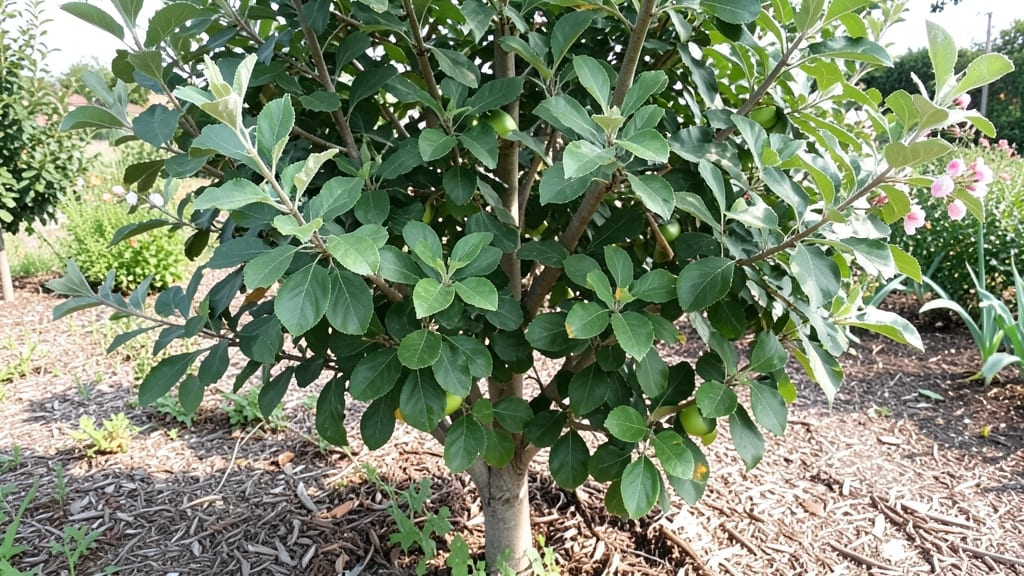
Cedar rust-resistant apple trees are the game-changer for Pacific Northwest orchards where cedar trees lurk nearby. 🌱 I learned the hard way—my first apple trees withered under rusty brown spots until I switched to varieties bred to fight this fungal foe.
These trees thrive in cool, wet climates, bearing crisp fruit even when neighbors struggle with blight.
The secret lies in choosing disease-resistant cultivars like 'Enterprise,' 'Liberty,' or 'Akane,' which resist cedar rust while handling PNW winters. Plant in well-draining soil with full sun, and space trees 20-25 feet apart for airflow. Prune annually to open the canopy, removing infected branches immediately to stop the spread.
📚 In This Guide
- What you need
- Instructions
- Tips and common mistakes
- Wrapping up and next steps
What you need
- ● Cedar rust-resistant apple tree saplings: 1–3 trees (recommended varieties: Enterprise, Liberty, Akane, or GoldRush)
- ● Bare-root or container-grown (check for disease-free tags)
- ● Planting site: Full sun (6+ hours daily)
- ● Well-draining soil (pH 6.0–7.0)
- ● Space: 15–20 ft between trees (or 25+ ft for dwarf varieties)
- ● Tools: Shovel or digging spade (for bare-root planting)
- ● Garden trowel (for container-grown trees)
- ● Pruning shears (sterilized with rubbing alcohol)
- ● Measuring tape (to ensure proper spacing)
- ● Soil amendments (if needed): Compost (2–3 gallons per tree)
- ● Organic matter (e.g., leaf mold or peat moss)
- ● Mulch: 3–4 inches of wood chips or straw (keep 6 inches away from trunk)
- ● Watering supplies: Hose with adjustable nozzle or watering can
- ○ Drip irrigation kit (optional but helpful for deep watering)
- ● Tree stakes and ties (for young, top-heavy trees)
- ● Fungicide spray (copper-based, for preventative care)
- ● Pollination partner (if planting a single variety)
- ● Soil test kit (to check pH/nutrient levels)
- ● Tree guard or protective wrap (for young trunks)
Step-by-step guide to planting cedar rust resistant apple trees
Here’s how to select and plant the best cold-hardy apple varieties for the Pacific Northwest.
🌱 Step 1: Choose the Right Varieties for Your Climate
Start by selecting cedar rust-resistant apple varieties that thrive in the Pacific Northwest’s cool, wet climate. Look for cold-hardy options like ‘Liberty,’ ‘Enterprise,’ or ‘Zestar!’—these are bred to resist cedar apple rust while producing sweet, flavorful fruit. Check if the variety matches your USDA hardiness zone (most PNW zones are 5-7).
Visit a local nursery to inspect the trees before buying. Healthy trees should have vigorous roots, smooth bark, and no signs of disease like brown spots or oozing sap. Ask about rootstock—M.9 or MM.106 are great choices for dwarf or semi-dwarf trees, respectively.
🪴 Step 2: Prepare the Planting Site
Choose a sunny spot with at least 6-8 hours of sunlight daily—apples need full sun to produce fruit. The soil should drain well, so avoid low spots where water pools. Test your soil’s pH—apples prefer slightly acidic soil (6.0-6.5). If your soil is too alkaline, amend it with sulfur or peat moss before planting.
Dig a hole twice as wide as the tree’s root ball but only as deep as the root ball itself. Loosen the sides of the hole with a shovel to encourage root growth. If your soil is heavy clay, mix in compost or aged manure to improve drainage and fertility.
☀️ Step 3: Plant the Tree Properly
Remove the tree from its container and gently loosen the roots if they’re circling. Place the tree in the hole so the graft union (the bump where the scion meets the rootstock) is 2-3 inches above the soil line. This prevents the union from being buried, which can cause rot or weak growth.
Backfill the hole with the native soil, pressing lightly to remove air pockets. Water deeply to settle the soil around the roots. Add a 2-3 inch layer of mulch (wood chips or straw) around the base, keeping it 6 inches away from the trunk to prevent rot. Water again until the soil is evenly moist to a depth of 12 inches.
✂️ Step 4: Prune and Maintain for Healthy Growth
Prune the tree immediately after planting to remove any broken, crossing, or diseased branches. Focus on opening the center of the tree to allow sunlight and air circulation. Use clean, sharp pruners and make cuts just outside the branch collar. Avoid heavy pruning—remove only 20-30% of the foliage to reduce stress.
Water the tree deeply once a week during the first growing season, ensuring the soil stays consistently moist but not soggy. In the PNW’s rainy climate, monitor drainage—apples hate wet feet. Apply a balanced fertilizer (10-10-10) in early spring to encourage strong root and shoot growth.
⏰ Step 5: Monitor for Cedar Rust and Other Pests
Inspect your trees weekly in spring and summer for signs of cedar apple rust, which appears as orange, gelatinous spots on leaves. Remove infected leaves immediately and dispose of them in the trash (not compost). Apply fungicide (copper-based or sulfur-based) preventatively in early spring if rust is common in your area.
Watch for other pests like apple maggots or codling moths. Use row covers or organic sprays if needed. Healthy trees with good airflow are less susceptible to disease, so keep the area around the tree weed-free and well-maintained. With proper care, your cedar rust-resistant apple trees will thrive and produce fruit for years.
Tips & tricks for perfectly planting cedar rust resistant apple trees
A few pro tips that'll help your Pacific Northwest apple trees grow strong and healthy from day one.
Variety Selection Insight: When choosing between ‘Liberty,’ ‘Enterprise,’ or ‘Zestar!’ varieties, consider your specific needs. ‘Liberty’ is particularly cold-hardy and disease-resistant, making it ideal for colder zones within the PNW. ‘Enterprise’ produces large, red apples that store well, while ‘Zestar!’ offers a sweet-tart flavor perfect for fresh eating. Don't overlook the rootstock—M.9 rootstock produces dwarf trees that bear fruit faster, while MM.106 creates semi-dwarf trees with stronger disease resistance.
Soil Preparation Strategy: The PNW's naturally acidic soil often needs adjustment. Test your soil's pH before planting—if it's above 6.5, amend with sulfur or peat moss to reach the ideal 6.0-6.5 range. For heavy clay soils, mix in compost or aged manure not just in the planting hole but also spread a 2-inch layer around the perimeter. This creates a nutrient-rich zone that encourages root growth beyond the initial planting area.
Planting Depth Technique: Positioning the graft union 2-3 inches above soil level is critical—this prevents rot and ensures strong growth from the scion. After planting, create a small mound of soil around the base to help direct water away from the trunk. This simple technique prevents waterlogging, which is especially important in the PNW's rainy climate. Water thoroughly until the soil is evenly moist to a depth of 12 inches, which encourages deep root development.
Ongoing Care Calendar: In the PNW's wet climate, you'll need to adjust your watering routine. While the instructions recommend weekly deep watering, monitor your tree's needs—you'll likely need less frequent watering during rainy seasons. Apply a 2-3 inch layer of mulch annually in early spring to maintain soil moisture and temperature. This mulch layer also suppresses weeds that compete with your apple tree for nutrients.
Pro Tips for Cedar Rust Resistant Apple Trees
- A few pro tips that'll help your Pacific Northwest apple trees grow strong and healthy from day one.
- Variety Selection Insight: When choosing between ‘Liberty,’ ‘Enterprise,’ or ‘Zestar!’ varieties, consider your specific needs.
- Soil Preparation Strategy: The PNW's naturally acidic soil often needs adjustment.
Frequently asked questions
Got questions about cedar rust-resistant apple trees?
You’re not alone! Here are answers to the most common concerns—from planting tips to troubleshooting—so you can grow thriving, disease-resistant fruit in your Pacific Northwest orchard.
What are the best cedar rust-resistant apple varieties for the Pacific Northwest?
Top picks include Enterprise, Liberty, and Akane—all bred to resist Gymnosporangium juniperi-virginianae (cedar apple rust). These varieties also handle PNW’s cold winters and wet springs. Check local nurseries for region-specific recommendations!
When is the best time to plant cedar rust-resistant apple trees?
Plant in early spring (March–April) or early fall (September–October) when soil is workable but not frozen. Avoid extreme heat or drought stress. Young trees need 1–2 years to establish roots before heavy fruiting—patience pays off!
Can I still grow apples near cedar trees if I plant resistant varieties?
Yes! While resistant varieties reduce risk, remove junipers (cedar’s host) within 100 feet of your orchard for best results. If junipers stay, prune them annually in late fall/winter to limit spore spread.
Why do my cedar rust-resistant apples still have spots? Are they faking it?
Spots could signal alternate causes like apple scab or powdery mildew. Test leaves (send to a local extension office) and treat with copper fungicide or neem oil if needed. Resistant ≠ immune—proactive care matters!
Are cedar rust-resistant trees more expensive? Worth the cost?
Prices vary ($50–$150/tree), but resistant varieties save long-term by cutting fungicide use and fruit loss. Compare costs: 1 tree + prevention vs. 5 trees + annual treatments. Plus, PNW-specific varieties often yield better in your climate!
Wrapping up and next steps
Planting cedar rust-resistant apple trees in the Pacific Northwest is a rewarding choice for gardeners who want delicious, cold-hardy fruit without the hassle of fungal battles. Varieties like ‘Liberty’ or ‘Enterprise’ not only thrive in your climate but also deliver juicy, flavorful apples year after year.
With the right care and placement, you’ll enjoy a bountiful harvest while keeping your orchard healthy and happy! 🍏🌿
Ready to get growing? Start by selecting your favorite variety and mark your calendar for early spring planting—your future apple pie (or fresh snack) awaits!