
How To
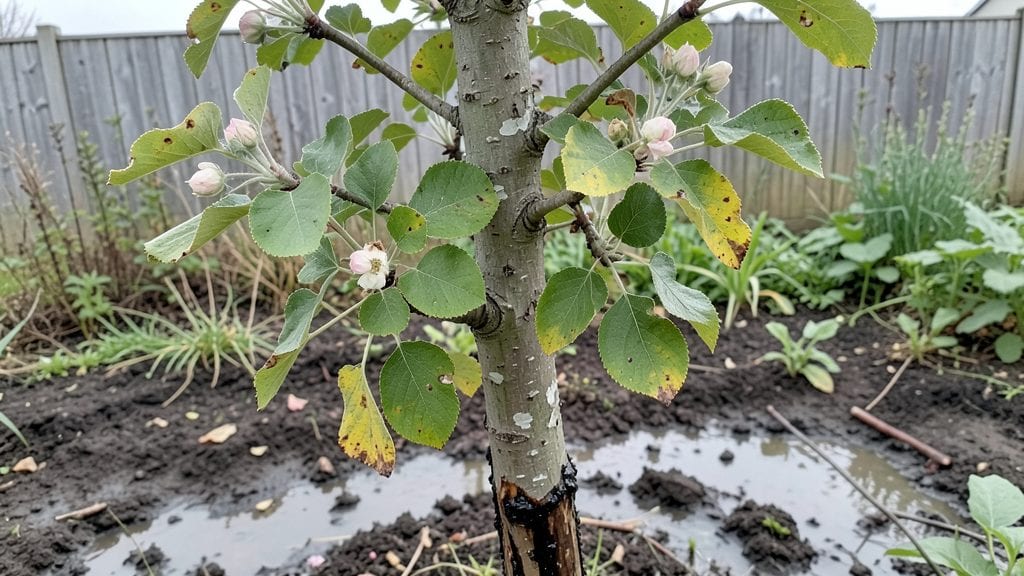
Learn how to tell if your tree is overwatered before it’s too late—those yellow leaves and soggy soil could be its silent SOS. 🌳 I’ve watched it happen to maples, oaks, and even drought-tolerant pines, and the signs are deceptively subtle until... it’s too late.
The good news? You can catch it early with just a few simple checks.
Start by feeling the soil 6 inches down—if it’s damp or smells like a swamp, that’s your first warning. Then look at the leaves: yellowing that starts on older leaves (not just new growth) or leaves that stay limp despite wet soil?
That’s overwatering. And if you see mushrooms sprouting at the base? Roots are drowning, and fungal growth is moving in.
Fixing it is easier than you’d think: cut back on watering until the soil dries out, then adjust your schedule to match your tree’s needs. Mulch helps, too—it keeps moisture steady without suffocating roots.
Within weeks, you’ll see fresh green leaves pushing through, and your tree will be back on track.
This works for backyard trees, container-grown specimens, and even young saplings. The key is consistency—once you understand your tree’s rhythm, you’ll never overwater again. Let’s get your tree breathing easy once more.
📚 In This Guide
- What you need
- Instructions
- Tips and common mistakes
- Wrapping up and next steps
What you need
- ○ Garden trowel or small shovel – For digging a shallow hole (6–12 inches deep) to check soil moisture. Tip: A soil moisture meter (optional but helpful) can replace digging!
- ● Gloves (gardening or work gloves) – Protects your hands from dirt, bacteria, or sharp objects (like roots or rocks). Pro tip: Waterproof gloves are ideal if soil is muddy!
- ● Measuring tape or ruler – To assess root depth and soil saturation levels accurately.
- ● Notebook & pen – Jot down observations like leaf color, soil texture, and moisture levels for reference.
- ● Pruning shears (small, sharp pair) – For inspecting leaves or stems up close. ⚠️ Safety first: Sterilize blades with rubbing alcohol to avoid spreading disease.
- ● Bucket or container (5-gallon size) – To collect soil samples for closer inspection if needed.
- ● Soil pH test kit – Overwatering can alter soil pH; test to rule out nutrient imbalances.
- ● Camera or smartphone – Snap photos of yellowing leaves, wilting branches, or soggy spots for later comparison.
- ● Waterproof boots – If your yard is muddy or you’re checking multiple trees in wet conditions.
- ● Tree identification guide or app – Helps confirm your tree’s species and its specific watering needs.
Step-by-Step guide to diagnosing overwatered trees
Here's how to spot the subtle signs before it's too late—your tree's health depends on catching this early.
🌿 Step 1: Examine Leaf Color and Texture
Start by looking at the leaves—yellowing is the most obvious sign, but not all yellow means overwatering. Check for uniform yellowing across the entire leaf, not just the edges. Overwatered trees often show bright yellow leaves with green veins, while nutrient deficiencies cause yellowing between veins. Run your fingers along the leaf surface—overwatered leaves feel soft or mushy instead of crisp.
Here's the thing—if the yellowing appears suddenly and spreads quickly, that's a red flag. I've seen trees go from vibrant green to completely yellow in just a week when roots suffocate. Also watch for leaves that easily detach when touched; this indicates weakened cell structure from excess moisture.
💧 Step 2: Check Soil Moisture and Root Conditions
Dig down 2-3 inches with a trowel—if the soil feels soggy or waterlogged, that's your first warning. Stick your finger in further: if it comes out coated with moisture below 4 inches deep, your tree is getting too much water. Healthy soil should feel damp but not wet; it should crumble slightly when squeezed but not leave water droplets.
For a more accurate test, perform the "squeeze test" at multiple points around the tree. I like to check three different spots—north, south, and center. If all three areas show persistent moisture, you're likely overwatering. The reason we check multiple spots is that water often pools in certain areas while others dry out, creating a false sense of balance.
✂️ Step 3: Inspect Stem and Bark for Signs of Stress
Look closely at the trunk and major branches—overwatered trees often develop dark, sunken spots on the bark where fungal growth thrives. Run your hand along the stem: if you feel soft or spongy areas, that's a sign of rotting wood from prolonged moisture. Healthy bark should feel firm and slightly rough to the touch.
Don't skip this step—I've seen many gardeners miss early bark damage because they focused only on leaves. Pay special attention to the base of the trunk where it meets the soil. If you notice peeling bark or oozing sap, these are advanced signs that the tree's vascular system is struggling to handle excess water.
🪴 Step 4: Observe Growth Patterns and New Leaves
New growth tells the most honest story. Healthy trees produce dark green, firm leaves that appear regularly during growing season. Overwatered trees often show stunted growth or leaves that are smaller than normal. If you notice new leaves appearing pale or curled, that's another warning sign.
Here's what I do: I compare the newest leaves to the oldest ones. If the newest leaves look less vibrant or are significantly smaller than the mature leaves, that's a clear indicator the tree isn't getting the oxygen it needs. This happens because waterlogged roots can't absorb nutrients efficiently, starving the tree from the inside out.
⏰ Step 5: Test for Root Suffocation (Advanced Check)
If you're still unsure, carefully dig down to expose the roots—1-2 inches deep is enough. Healthy roots should be white or light tan with some brown fibrous roots visible. Overwatered roots often appear dark brown or black and smell foul. They'll feel mushy or slimy to the touch rather than firm.
Real talk: this is the most definitive test, but it's also the most invasive. Only do this if you've seen other signs and need confirmation. If the roots show signs of rot, you'll need to act fast—prune away affected roots and adjust your watering schedule immediately. The good news is that many trees can recover if you catch this early enough.
Tips & tricks for diagnosing overwatered trees
Here's what nobody tells you—those subtle signs of overwatering often go unnoticed until it's too late. These tricks will help you spot trouble before your tree's health declines.
Leaf Texture Tells the Real Story: While yellowing is the most obvious sign, pay closer attention to leaf texture in Step 1. Healthy leaves should feel firm when you gently press them. If they feel soft or mushy like overripe fruit, that's your first warning. I've seen gardeners miss this because they focused only on color. Between us, the texture change happens before the color shifts dramatically.
Soil Test Precision in Step 2: When checking soil moisture at 2-3 inches deep, don't just rely on one spot. The "squeeze test" at three different locations—north, south, and center—reveals water pooling patterns. I learned this the hard way after watching a tree suffer from uneven moisture distribution. The center often stays wetter than the edges, so check all three areas for an accurate diagnosis.
Bark Inspection Secrets in Step 3: Don't skip the bark check—this is where many gardeners miss early signs. Focus on the base of the trunk where it meets the soil, as this area is most vulnerable to moisture damage. I've seen peeling bark and oozing sap appear within weeks of overwatering. Run your hand along the stem: if it feels spongy rather than firm, that's a clear indicator of internal rot from prolonged moisture.
Growth Pattern Comparison in Step 4: The most reliable indicator comes from comparing new growth to old leaves. Healthy trees produce vibrant, firm leaves that appear regularly. If your newest leaves are significantly smaller or paler than mature ones, that's a red flag. I compare them side-by-side—if the newest leaves look like they're struggling to reach full size, your tree isn't getting the oxygen it needs from waterlogged roots.
Pro Tips for Tell If Tree Is Overwatered
- Here's what nobody tells you—those subtle signs of overwatering often go unnoticed until it's too late.
- Leaf Texture Tells the Real Story: While yellowing is the most obvious sign, pay closer attention to leaf texture in Step 1.
- Soil Test Precision in Step 2: When checking soil moisture at 2-3 inches deep, don't just rely on one spot.
Frequently asked questions
Got questions about spotting overwatered trees? Here are some of the most common concerns—and straightforward answers to help you keep your greenery thriving!
How often should I water my tree to avoid overwatering?
Watering frequency depends on your tree type, soil, and climate. As a general rule, water deeply 1-2 times per week during dry spells, then adjust based on soil moisture. Stick your finger 2-3 inches into the soil—if it’s damp, wait before watering again. Overwatering is more common than you think!
Why are my tree’s leaves yellow and falling off?
Yellow leaves paired with soggy soil or a foul smell are classic overwatering signs. Root rot (from excess moisture) blocks nutrients, causing leaves to yellow and drop. Check the roots—if they’re mushy or gray, your tree is drowning. Act fast by improving drainage!
Can I fix an overwatered tree, or is it too late?
Don’t panic! Early intervention works: Stop watering immediately, improve soil drainage (add compost or sand), and prune affected branches. For severe cases, consult an arborist. With care, many trees recover—just give them time to breathe!
What’s the difference between overwatering and underwatering?
Overwatered trees have yellow, mushy leaves and soggy soil, while underwatered trees show brown, crispy edges and dry soil. Tap the soil—if it’s hard and cracked, it’s thirsty. If it’s squishy, it’s soaked. Balance is key!
Are there any trees that need more frequent watering?
Yes! Young trees, shallow-rooted species (like willows), and drought-sensitive varieties (e.g., maples or fruit trees) need consistent moisture. Mature trees with deep roots (like oaks) tolerate dry spells better. Always match watering to your tree’s specific needs!
Wrapping up and next steps
Spotting the signs of an overwatered tree—like yellowing leaves, wilting branches, or that dreaded soggy soil smell—can save your green friend before it’s too late! 🌱 By paying attention to these clues and adjusting your watering habits, you’re already taking great care of your tree’s health. Now’s the perfect time to check its roots, improve drainage, and give it the love it deserves. Your tree will thank you with lush, vibrant growth for years to come!