
Trees
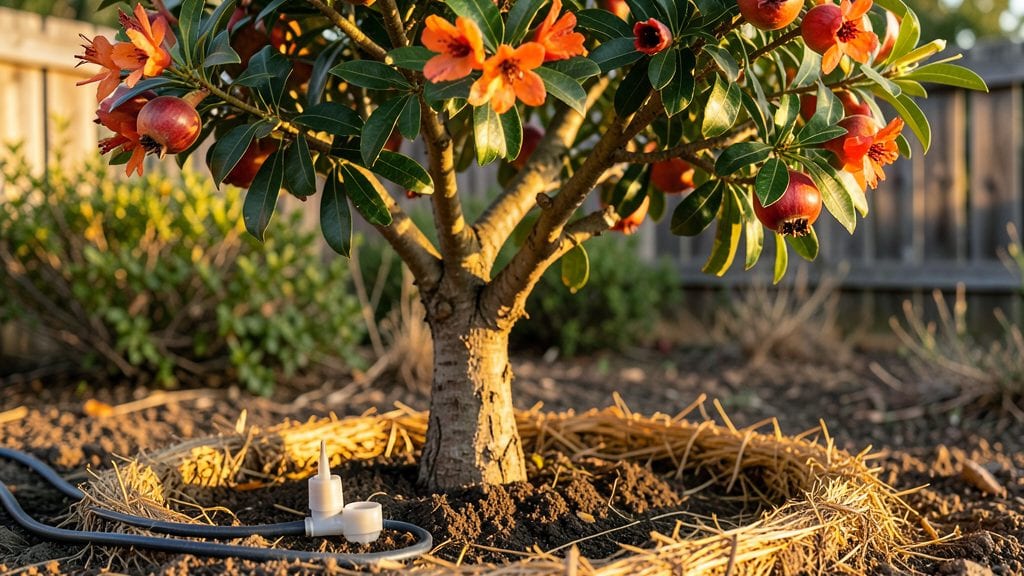
Florida's sandy soil and blazing sun aren't just survivable for pomegranate trees—they're perfect. 🌱 I've grown these jewel-toned beauties here for years, and the key is treating them like the drought-tolerant powerhouses they are.
Most gardeners assume pomegranates need rich, moist soil, but Florida's native varieties actually thrive in well-draining sandy mixes with just a little organic boost.
The right variety makes all the difference—look for 'Wonderful' or 'Eversweet' at local nurseries like Callaway Gardens or Bonnet House. These handle our heat and humidity better than fussy imports.
Plant in full sun where they'll get at least 6 hours daily, and amend that sandy soil with 3 inches of compost before setting roots. The first year is about establishing strong roots, not fruit.
You'll see glossy new leaves within weeks, and by year two, those iconic red flowers will appear—followed by heavy fruit in late fall. The real magic? These trees handle our summer droughts once established, and the fruit stays sweet even when other crops wilt.
Just watch for scale insects and citrus greening (which can affect nearby trees too), and you're golden.
Florida's mild winters mean no frost worries, but young trees appreciate a light mulch to protect roots. Prune lightly after harvest to shape the tree and remove dead wood—never cut into old wood, as pomegranates bloom on new growth.
With this approach, you'll have shade, beauty, and harvests for decades with almost no fuss.
📚 In This Guide
- What you need
- Instructions
- Tips and common mistakes
- Wrapping up and next steps
What you need
- ● Pomegranate tree seedlings or bare-root plants: 1–3 plants (dwarf varieties like 'Wonderful' or 'Eversweet' work best for Florida’s climate).
- ● Choose cold-hardy varieties (USDA Zones 8–11) to survive occasional Florida freezes.
- ● Well-draining soil amendments: 5–10 lbs compost or aged manure per planting hole (improves sandy soil fertility).
- ● 2–3 lbs organic matter (e.g., coconut coir or peat moss) for moisture retention.
- ● Planting supplies: 1 shovel (for digging holes 2–3x wider than the root ball).
- ● 1 garden trowel (for delicate root adjustments).
- ● 5–10 mulch chips (pine bark or straw, 2–3 inches thick) to retain moisture.
- ● Watering tools: 1 hose with adjustable nozzle or drip irrigation kit (pomegranates need 1–2 inches of water weekly).
- ○ 5–10 watering globes (optional but helpful for deep root hydration).
- ● Fertilizer: 1 balanced organic fertilizer (e.g., 6-6-6 or 5-5-5 NPK ratio) applied 2–3 times/year (spring, summer, fall).
- ○ 1 citrus-specific fertilizer (optional, for added micronutrients like zinc and iron).
- ● Pruning tools: 1 bypass pruners (for shaping and removing dead branches).
- ● 1 hand saw (for thicker branches, if needed).
- ● Pest/disease control: Neem oil spray (1 tbsp/gal of water) for aphids or scale insects.
- ● Copper fungicide (prevents fungal diseases like Alternaria).
- ● Support structures: 1–2 stakes or cages (for young trees in windy areas).
- ● Soil testing kit: Ensures pH (slightly acidic, 6.0–7.0) and nutrient balance before planting.
Instructions for planting pomegranates in Florida’s sandy soil
Here’s how to establish pomegranates in Florida’s unique climate—where heat, humidity, and sandy soil demand smart adjustments.
🌱 Step 1: Choose the Right Variety and Planting Time
Florida’s long growing season lets you plant pomegranates year-round, but timing matters. I recommend planting in late winter (February-March) when soil temperatures warm to 65°F or higher. This gives roots time to establish before summer’s intense heat. Avoid planting during peak summer months—roots struggle in wet, suffocating soil.
Select a dwarf or semi-dwarf variety like ‘Wonderful’ or ‘Eversweet’ for Florida’s space constraints. These handle humidity better than standard types. Nursery-bought trees (not seeds) ensure disease resistance and faster fruiting. Look for 1-2 year old bare-root or container-grown plants—they transplant more easily.
☀️ Step 2: Amend Sandy Soil for Better Water Retention
Florida’s sandy soil drains too fast for pomegranates, which need consistent moisture. Before planting, mix 3 inches of organic compost into the top 12 inches of soil. I blend in 1 part peat moss to help retain water without compacting the soil. Avoid heavy clay amendments—they’ll suffocate roots in Florida’s heat.
Dig a hole twice as wide as the root ball but only as deep as the container. Place the tree so the top of the root ball sits 1 inch above ground level. This prevents waterlogging during Florida’s occasional heavy rains. Backfill with the amended soil, pressing gently to remove air pockets but not compacting.
💧 Step 3: Water Deeply and Mulch for Moisture Control
Water the newly planted tree deeply until moisture reaches 12 inches down. Florida’s sandy soil can dry out in hours, so I use a soaker hose to deliver water slowly at the base. After watering, spread 3 inches of wood chips or pine straw mulch in a 3-foot radius around the tree. This keeps roots cool and reduces evaporation.
Check soil moisture weekly by sticking your finger 2 inches deep. If it feels dry, water again. Pomegranates hate soggy roots but also can’t tolerate drought stress. In Florida’s summer, you may need to water every 3-4 days—adjust based on rainfall. Avoid wetting the foliage to prevent fungal diseases like powdery mildew.
✂️ Step 4: Prune for Airflow and Fruit Production
Prune in late winter to shape the tree and encourage fruiting. Remove any dead, crossing, or inward-growing branches first. Then, cut back overly vigorous growth by one-third to improve airflow—a must in Florida’s humid climate. Thin out some fruit clusters in early summer to leave 6-8 inches between pomegranates. This prevents overcrowding and ensures larger, sweeter fruit.
Pomegranates bloom on new wood, so avoid heavy pruning in fall. Instead, focus on light shaping to maintain an open canopy. Florida’s heat can stress trees, so I prune on a cool morning to minimize shock. Sterilize pruners with rubbing alcohol between cuts to prevent bacterial spread.
🪴 Step 5: Protect from Florida’s Unique Challenges
Florida’s pests and weather require extra care. Watch for pomegranate butterfly caterpillars—they skeletonize leaves. I spray neem oil at the first sign of damage. Scale insects also target pomegranates; blast them off with water from a hose and follow up with horticultural oil.
In hurricane-prone areas, stake young trees to prevent wind damage. Mature trees handle storms better but may drop fruit. Harvest pomegranates before storms—they don’t ripen well after falling. If your tree gets leaf scorch (common in Florida’s intense sun), provide afternoon shade temporarily and water more frequently.
Tips & tricks for perfect pomegranate tree planting in Florida
Florida's sandy soil and intense sun demand special attention when growing pomegranates—here's how to give your tree the best start.
Soil Temperature Timing: The 65°F soil temperature threshold in Step 1 is critical—use a soil thermometer to confirm before planting. In Florida's unpredictable spring, morning temperatures often drop below this mark, so aim for late February when daytime highs consistently reach 70°F. I've learned this the hard way after planting too early and watching roots struggle in cooler soil.
Compost Mixing Technique: When amending soil in Step 2, blend the 3 inches of compost and 1 part peat moss thoroughly—don't just layer them. Use a garden fork to mix these amendments into the top 12 inches of sandy soil. This creates a moisture-retaining layer that mimics Florida's natural organic-rich soils. For extra insurance, add a handful of perlite to improve drainage while still retaining moisture.
Mulching Strategy: The 3-inch mulch layer in Step 3 works wonders, but here's the pro move: use pine straw instead of wood chips if you're in central or southern Florida. Pine straw naturally resists fungal growth and breaks down more slowly, maintaining that crucial moisture barrier longer. Spread it in a 3-foot radius but keep it 2 inches away from the trunk to prevent rot.
Pruning Visual Cues: When thinning fruit clusters in Step 4, look for clusters that are evenly spaced around the tree's canopy. Aim to leave only those with the most direct sunlight exposure—this ensures maximum sweetness. I mark potential clusters with a small flag during early summer so I don't accidentally prune them away when doing general maintenance later.
Pro Tips for Growing Pomegranate Trees In Florida
- Florida's sandy soil and intense sun demand special attention when growing pomegranates—here's how to give your tree the best start.
- Soil Temperature Timing: The 65°F soil temperature threshold in Step 1 is critical—use a soil thermometer to confirm before planting.
- Compost Mixing Technique: When amending soil in Step 2, blend the 3 inches of compost and 1 part peat moss thoroughly—don't just layer them.
Frequently asked questions
Got questions about growing pomegranates in Florida’s heat and sandy soil? You’re not alone!
Here are answers to the most common concerns—from planting tips to troubleshooting—so you can enjoy juicy harvests with confidence.
Can pomegranate trees thrive in Florida’s sandy soil?
Florida’s sandy soil is actually great for pomegranates—just amend it with compost or organic matter to improve drainage and nutrient retention. These trees love well-draining soil and won’t tolerate soggy roots. Mulch around the base to lock in moisture and keep roots cool during summer.
How long does it take for a pomegranate tree to bear fruit in Florida?
Patience is key! Dwarf varieties (like ‘Wonderful’) may produce fruit in 2–3 years, while standard trees can take 3–5 years. Florida’s warm climate speeds things up, but consistent care—watering, fertilizing, and pruning—keeps your tree on track for a bountiful harvest.
Do pomegranate trees need winter protection in Florida?
Most Florida zones (8–11) offer mild winters, but young trees or cold snaps (<32°F) may need help. Wrap the trunk with burlap or use frost cloth for tender new growth. Mature trees are hardy and usually bounce back—just avoid overwatering in winter when roots are dormant.
What pests or diseases should I watch for in Florida?
Pomegranates are tough but can face aphids, scale, or fungal issues like powdery mildew. Inspect leaves regularly and spray with neem oil if pests appear. Improve airflow with pruning, and avoid overhead watering to prevent fungal problems. Florida’s humidity? No match for a healthy, well-cared-for tree!
Can I grow pomegranates in containers in Florida?
Yes! Dwarf varieties (like ‘Eversweet’) thrive in 15–20 gallon pots with drainage holes. Use a mix of potting soil and perlite, and move containers to partial shade during peak summer heat. Just remember: container-grown trees need more frequent watering and may produce smaller fruit.
Wrapping up and next steps
Growing pomegranate trees in Florida is a rewarding journey that brings vibrant blooms and delicious fruit to your landscape—even in sandy soil! 🌱 With the right variety, proper planting techniques, and a little patience, you’ll enjoy a thriving tree that thrives in the Sunshine State’s climate.
Whether you’re a seasoned gardener or just starting, now is the perfect time to plant your seeds (or seedlings) and watch your pomegranate dream take root.
Ready to take the next step? Start by selecting your trees, prepping your soil, and giving your new pomegranate the love it deserves. Happy growing—your future harvest is waiting! 🍇✨