
Pruning
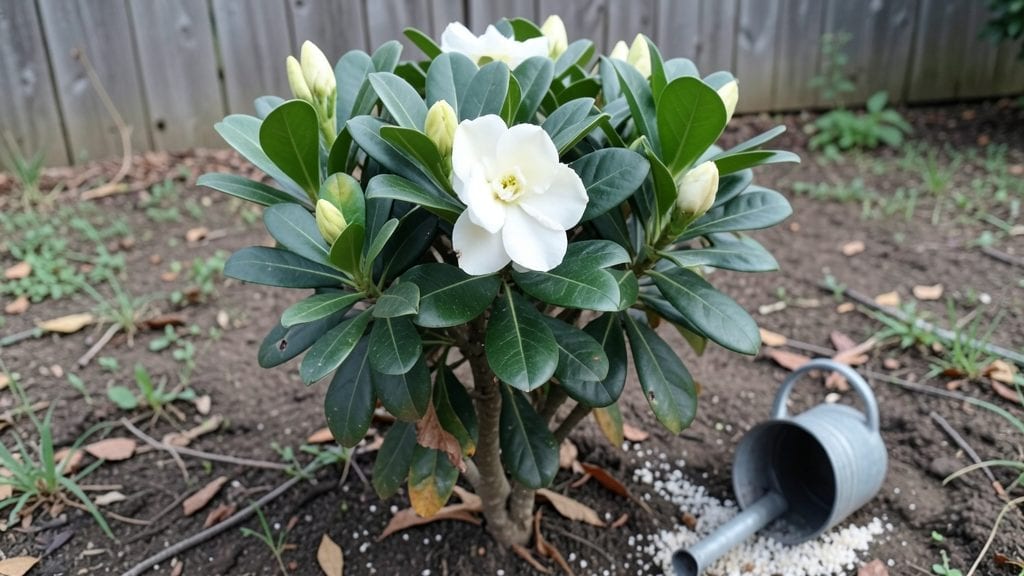
How to take care of a gardenia tree means waking up to glossy, dark-green leaves and clouds of fragrant white blooms that smell like a tropical vacation—though I’ve learned the hard way these finicky beauties demand just the right balance. sun, and the leaves burn; too little water, and the buds drop.
But when you nail it, your gardenia will reward you with six months of blooms and a yard that feels like a luxury resort.
The secret starts with acidic soil—think peat moss or pine bark mixed into your planting hole—and morning sun with afternoon shade. Water deeply once a week (more in summer), but never let it sit in soggy soil—root rot is the silent killer.
Prune right after flowering to shape the tree and encourage next year’s blooms, and feed it every 4-6 weeks with a balanced, acidic fertilizer. Skip the shortcuts, and you’ll avoid the most common mistakes: yellow leaves (overwatering!) or sparse blooms (not enough fertilizer).
By summer’s end, your gardenia will be a showstopper—heavy with blossoms that perfume the air and draw in hummingbirds. The key is patience: gardenias take 2-3 years to mature, but once they do, they’ll bloom reliably with minimal fuss.
Think of it as a low-maintenance luxury plant that actually delivers.
Works for potted gardenias too—just use a container with drainage and move it indoors when temperatures dip below 50°F. Here’s how to keep yours thriving all year, without the guesswork.
📚 In This Guide
- What you need
- Instructions
- Tips and common mistakes
- Wrapping up and next steps
What you need
- ● Garden shears or pruning saw – Sharp, sterilized tools (bypass pruners for small branches, pruning saw for thicker stems).
- ● Garden gloves – Thick, cut-resistant gloves to protect from thorns and sap.
- ● Disinfectant (rubbing alcohol or bleach solution) – 1 part bleach to 9 parts water for sterilizing tools.
- ○ Pruning sealant (optional but helpful) – Pruning wax or tree sealant to prevent disease entry.
- ● Mulch (pine bark or compost) – 2-3 inches thick to retain moisture and regulate soil temperature.
- ● Watering can or hose with a gentle nozzle – Avoid overhead watering to prevent fungal issues.
- ● pH testing kit – To check soil acidity (ideal: 5.0–6.5).
- ● Balanced fertilizer (10-10-10 or acidic fertilizer) – Follow package instructions for application rates.
- ● Support stake or trellis (if needed) – For young or top-heavy trees.
- ● Humidity tray or pebble tray – Especially useful in dry climates to boost moisture levels.
- ● Slow-release fertilizer pellets – For hassle-free nutrition over time.
- ● Misting bottle – For light hydration on hot days.
- ● Pruning guide or ruler – To measure cuts accurately.
Step-by-step instructions for cultivating a thriving gardenia tree
Here's how I keep my gardenia blooming reliably—no black thumb required.
Choose the Perfect Location for Sun and Shelter
Gardenias crave bright, indirect light—think morning sun with afternoon shade. A spot under a high tree canopy or east-facing window works best. Avoid harsh afternoon rays, which scorch leaves. I always test a location by placing a plant there for a week first; if leaves yellow or crisp, move it.
Shelter from wind is crucial. Gardenias have delicate blooms that can tear easily. My tree sits against a brick wall where breezes die down. If outdoors, plant near a fence or trellis. Watch for leaves curling or buds dropping—these are signs of stress from too much wind exposure.
Maintain Consistent Moisture Without Waterlogging
Gardenias demand even moisture—never let the top 2 inches of soil dry out completely. I water deeply every 2-3 days in summer, checking with my finger. The soil should feel damp but not soggy. Overwatering causes root rot, which kills plants quickly.
Use room-temperature rainwater if possible—tap water's chemicals can stress gardenias. I collect water in a barrel and let it sit for 24 hours before using. Yellowing leaves often mean overwatering, while crispy edges signal underwatering. Adjust your schedule based on what you see.
Feed Monthly During Growing Season
Start fertilizing in early spring with a balanced 10-10-10 formula, applied every 4 weeks until fall. I mix it with water and apply it directly to the soil, avoiding leaves. Gardenias are heavy feeders but hate salt buildup—always water thoroughly after fertilizing to rinse excess.
Stop fertilizing in late summer to encourage blooming. Too much nitrogen late in the season produces lush leaves but few flowers. I switch to a low-nitrogen bloom booster in early fall. Watch for slow growth or leaf drop—these are signs of over- or under-feeding.
Prune Strategically for Health and Blooms
Prune right after flowering in late spring to shape the tree and encourage new growth. Use clean, sharp pruners to make cuts just above a leaf node. Never prune more than one-third of the plant at once—this stresses gardenias severely.
Remove any dead, diseased, or crossing branches first. I also trim back leggy growth to maintain a compact shape. Avoid heavy pruning in fall or winter, as new growth won't harden off before cold weather. If you see bare stems or sparse foliage, it's time to prune lightly to stimulate fresh growth.
Protect from Pests and Winter Chill
Gardenias attract aphids and whiteflies. I treat infestations immediately with neem oil spray, applying it in the evening when bees aren't active. Check the undersides of leaves regularly—pests hide there first. Yellowing leaves or sticky residue on foliage are early warning signs.
If temperatures drop below 30°F, move potted gardenias indoors near a bright window. Outdoor plants need winter protection like burlap wraps or frost cloth. I've seen gardenias survive 20°F with proper mulching, but buds will drop if exposed to sudden freezes. Watch for bud drop in early spring—this means cold damage.
Tips & tricks for perfect gardenia tree care
Here's what nobody tells you about keeping your gardenia thriving with less fuss than you think.
Location Testing: Before committing to a spot, observe the area for at least a week. Gardenias hate sudden changes—if leaves yellow or crisp within days, that location's too harsh. I test spots by placing the plant there temporarily, watching for stress signs before making it permanent. This simple test prevents costly mistakes down the road.
Watering Wisdom: The 24-hour rainwater resting time isn't just about temperature—it also lets chlorine evaporate from tap water. If you can't collect rainwater, use distilled water instead. For potted gardenias, I water until it drains through the bottom, then empty the saucer after 10 minutes to prevent root rot. Overwatering is the #1 killer of gardenias, so always check soil moisture before watering again.
Fertilizer Timing: The switch from 10-10-10 to bloom booster in late summer is crucial. Too much nitrogen after August actually prevents blooming—it's not what you think! I mark my calendar with bright red flags for these transition dates to avoid missing it. Also, always water thoroughly after fertilizing to prevent salt buildup, which burns delicate gardenia roots.
Pruning Precision: When pruning in late spring, focus on removing only dead or crossing branches first. The "one-third rule" is non-negotiable—cutting more stresses the plant severely. I use clean pruners and make cuts just above leaf nodes to encourage new growth. Never prune in fall or winter, as new growth won't harden off before cold weather arrives.
Pro Tips for Take Care Of A Gardenia Tree
- Here's what nobody tells you about keeping your gardenia thriving with less fuss than you think.
- Location Testing: Before committing to a spot, observe the area for at least a week.
- Watering Wisdom: The 24-hour rainwater resting time isn't just about temperature—it also lets chlorine evaporate from tap water.
Frequently asked questions
Got questions about keeping your gardenia tree thriving?
Here are some of the most common concerns—plus quick, actionable answers to keep those fragrant blooms coming year-round.
How often should I water my gardenia tree?
Water your gardenia tree deeply 2-3 times per week during warm months, ensuring the top 2-3 inches of soil stay moist but never soggy. In cooler weather or winter, reduce to once a week. Pro tip: Use rainwater or distilled water if possible—gardenia trees hate chlorine or fluoride in tap water!
When is the best time to prune a gardenia tree?
Prune your gardenia right after flowering (late spring to early summer) to encourage new growth and blooms. Avoid heavy pruning in fall or winter, as it can stress the tree. Always use clean, sharp shears and sterilize them with rubbing alcohol to prevent disease.
Why are my gardenia leaves turning yellow?
Yellow leaves usually signal overwatering, underwatering, or poor drainage. Check the soil moisture and ensure your pot has drainage holes. Yellowing can also mean nutrient deficiency—try a balanced fertilizer (like 10-10-10) in spring and summer. Bonus: Yellow edges? It might be too much sun!
Can gardenia trees survive winter outdoors?
Most gardenia trees thrive in USDA zones 8-10 year-round. For colder climates (zones 7 or below), move potted gardenias indoors before temperatures drop below 40°F (4°C). Keep them in a bright, humid spot (like a sunroom) and reduce watering. Warning: Sudden temperature drops can shock the tree!
What’s the fastest way to revive a struggling gardenia?
Start with these three steps:
- Check roots: If roots are mushy or rotting, trim them and repot in fresh, well-draining soil.
- Adjust water: Let the soil dry slightly between waterings to prevent root rot.
- Boost humidity: Place the pot on a tray of pebbles with water or use a humidifier.
Wrapping up and next steps
Caring for a gardenia tree is all about patience, consistency, and a little love—and trust us, the fragrant blooms are worth every effort! 🌸 From pruning to proper watering and soil care, these steps will keep your gardenia thriving year-round.
Start small, observe your tree’s needs, and soon you’ll have a stunning, low-maintenance centerpiece for your garden.
Ready to see your gardenia flourish? Pick a sunny spot, grab your pruning shears, and get started today! 🌱